
Conservation of Momentum
Conservation of momentum is one of the most fundamental and reliable laws in all of physics. Momentum, the product of an object's mass and its…
Most recent activity
Verified facts and proven results
Hypotheses under investigation and ideas still debated
Claims the evidence overturned
Well-substantiated explanations of how things work

Every capsule
Cleopatra (69 to 30 BC) was the last active ruler of ancient Egypt, a shrewd and highly educated queen whose alliances with the most powerful men of…
Vincent van Gogh (1853 to 1890) was a Dutch painter whose bold colours and expressive brushwork made him one of the most influential figures in the…
William Shakespeare (1564 to 1616) was an English playwright and poet, widely regarded as the greatest writer in the English language. His plays and…
Abraham Lincoln (1809 to 1865) was the sixteenth President of the United States, who led the nation through its civil war and brought an end to…
Mahatma Gandhi (1869 to 1948) was the leader of India's independence movement against British rule, famous for his philosophy of nonviolent…
Ada Lovelace (1815 to 1852) was an English mathematician often celebrated as the first computer programmer. Working with Charles Babbage's designs…
Galileo Galilei (1564 to 1642) was an Italian astronomer, physicist, and engineer, often called the father of modern science. By insisting on…
Charles Darwin (1809 to 1882) was an English naturalist whose theory of evolution by natural selection transformed our understanding of life. He…
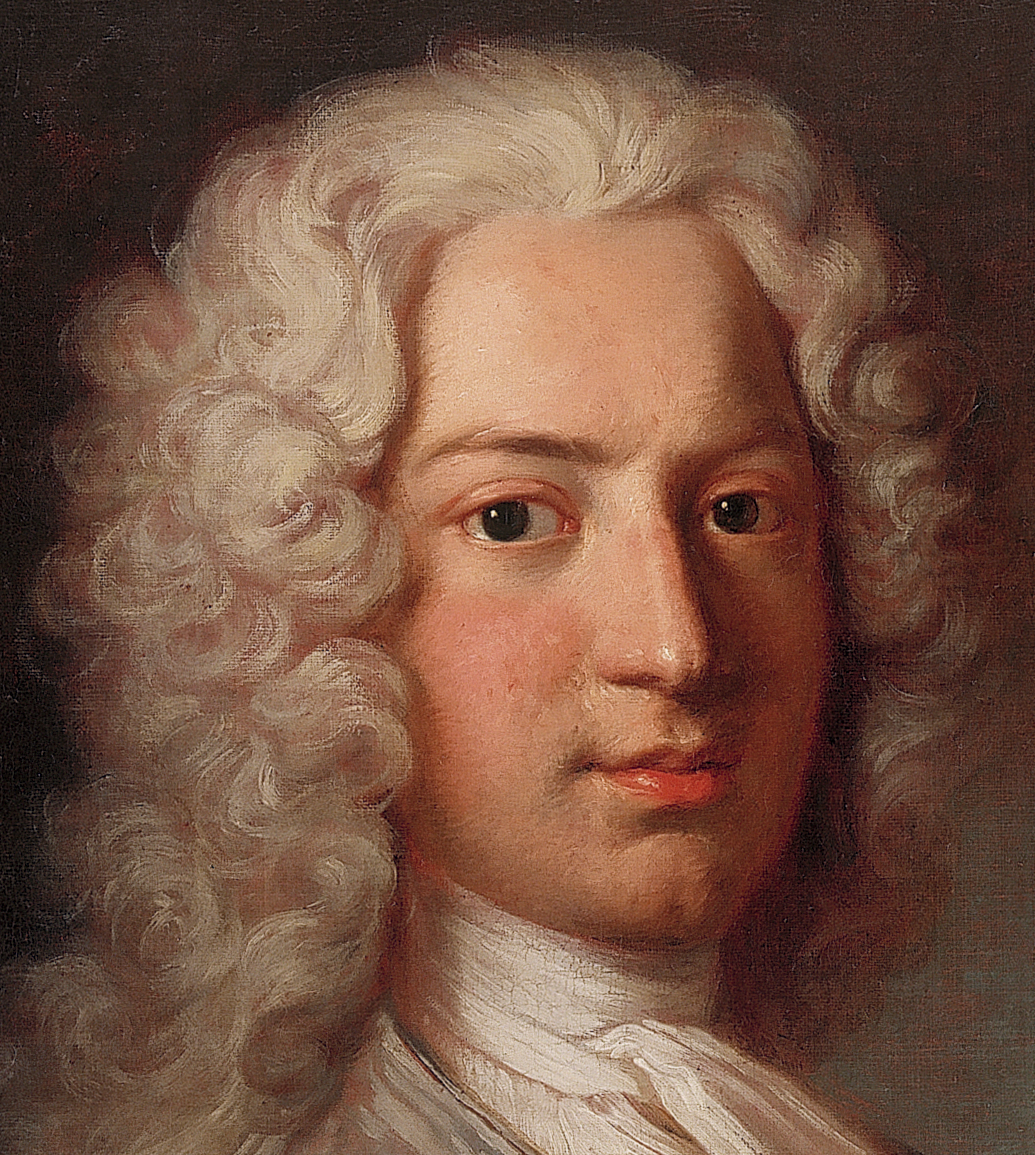
Isaac Newton (1642 to 1727) was an English mathematician and physicist, widely regarded as one of the greatest scientists who ever lived. His…
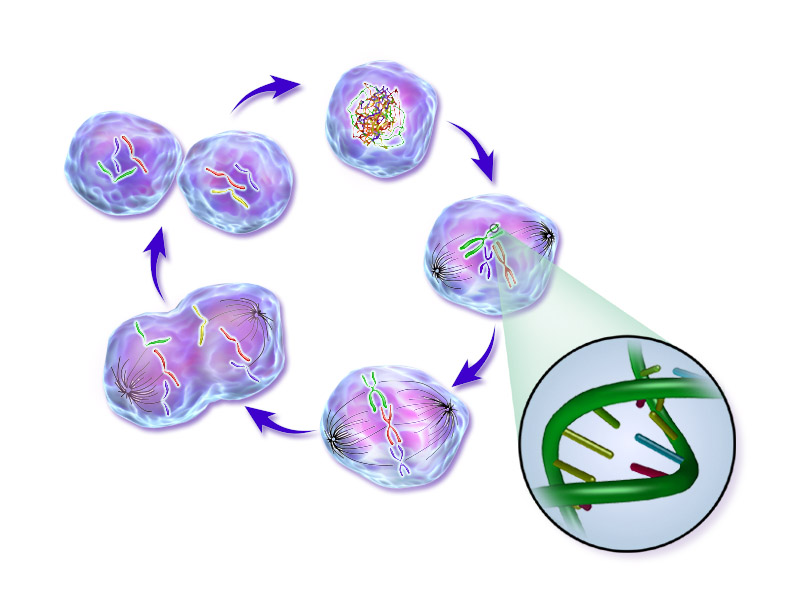
DNA fingerprinting, also called DNA profiling, is a technique that identifies individuals by the unique patterns in their genetic material. Since its…
Human blood comes in different types, determined by molecules on the surface of red blood cells. The discovery of blood types made safe blood…
Gravitational lensing is the bending of light from distant objects by the gravity of massive bodies that lie in between, which can magnify and…
Radioactive decay is the process by which unstable atomic nuclei spontaneously break down, releasing energy and particles and transforming into other…

The bending of starlight is the deflection of light by gravity, predicted by Einstein's general theory of relativity and confirmed during a solar…
Superconductivity is a remarkable state in which certain materials, when cooled below a critical temperature, conduct electricity with absolutely no…
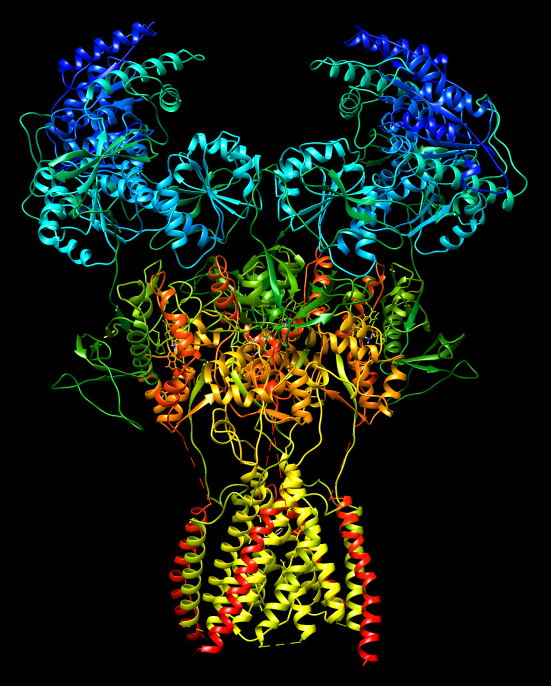
The Higgs boson is a fundamental particle whose discovery in 2012 confirmed how other particles acquire mass. Long predicted but famously hard to…
The neutrino is a tiny, almost massless subatomic particle that barely interacts with anything, streaming through matter, and through us, in…
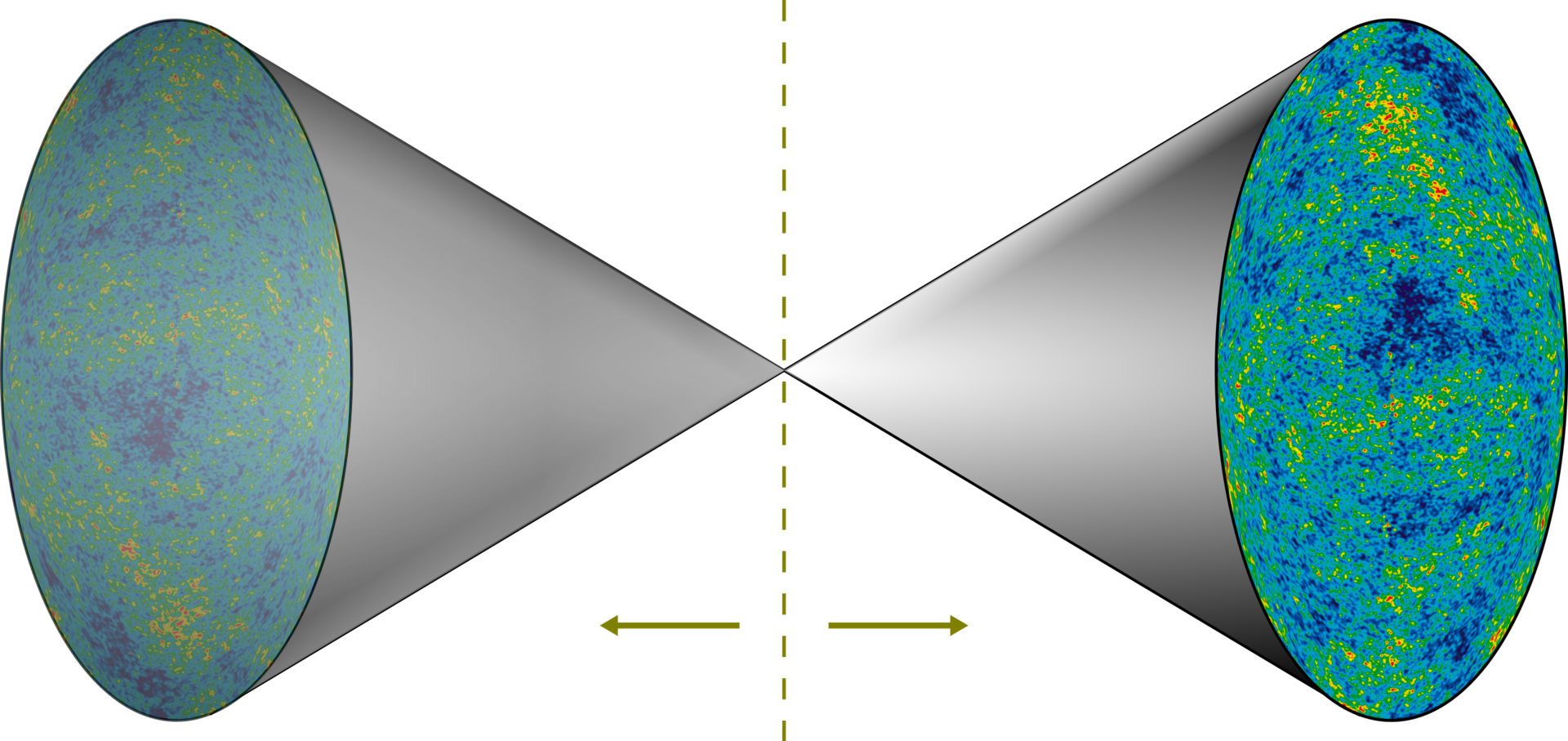
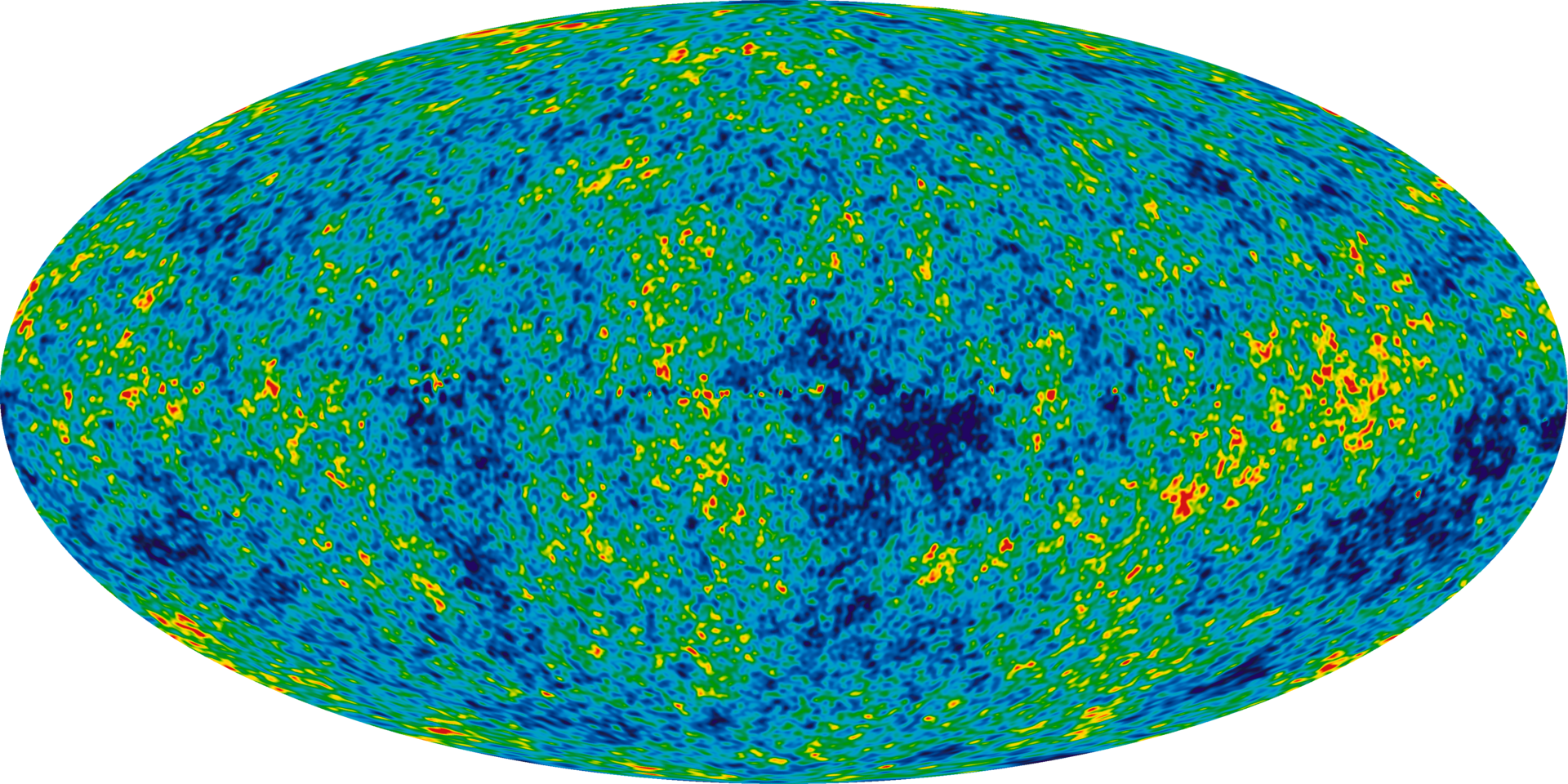
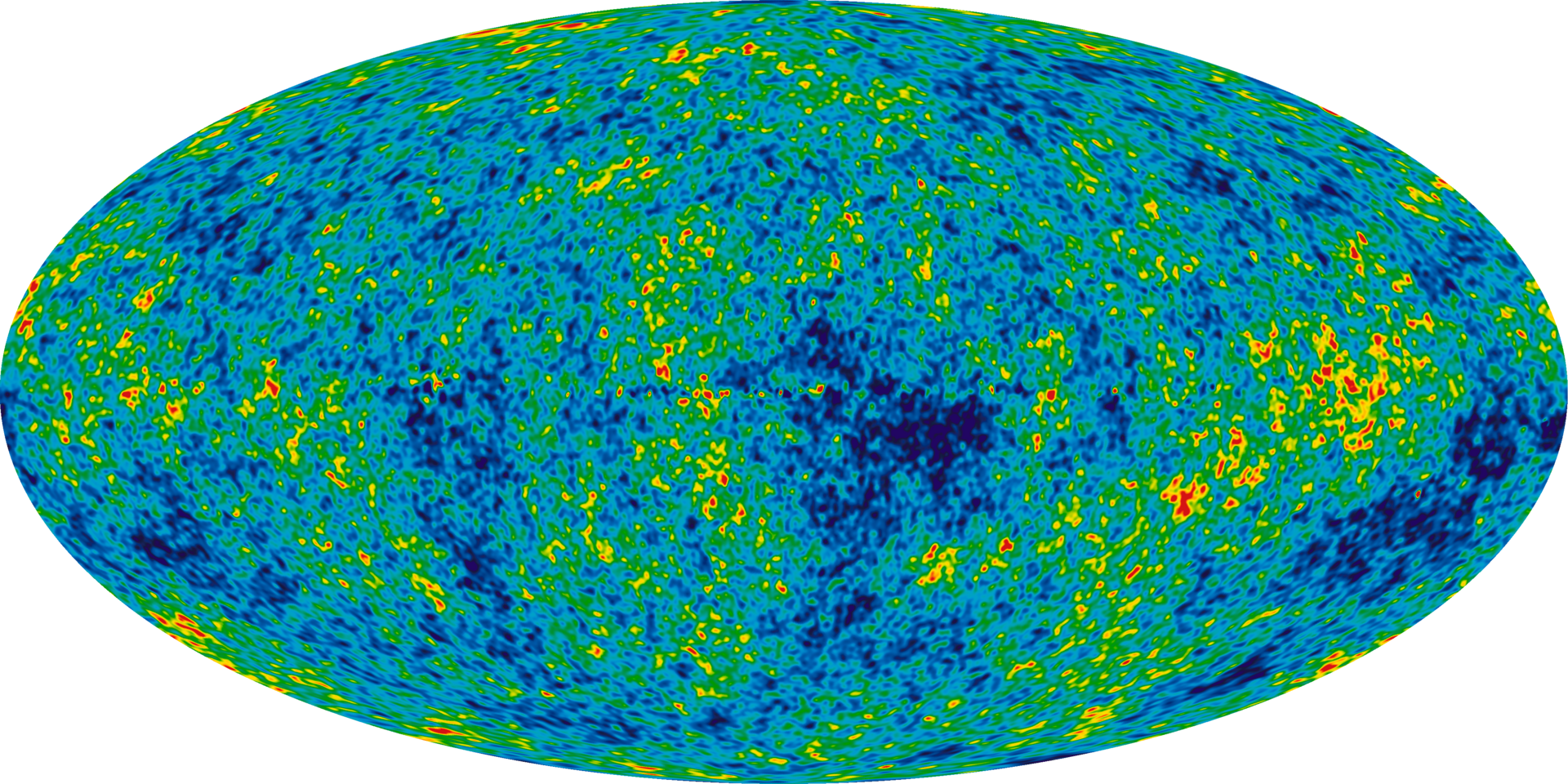
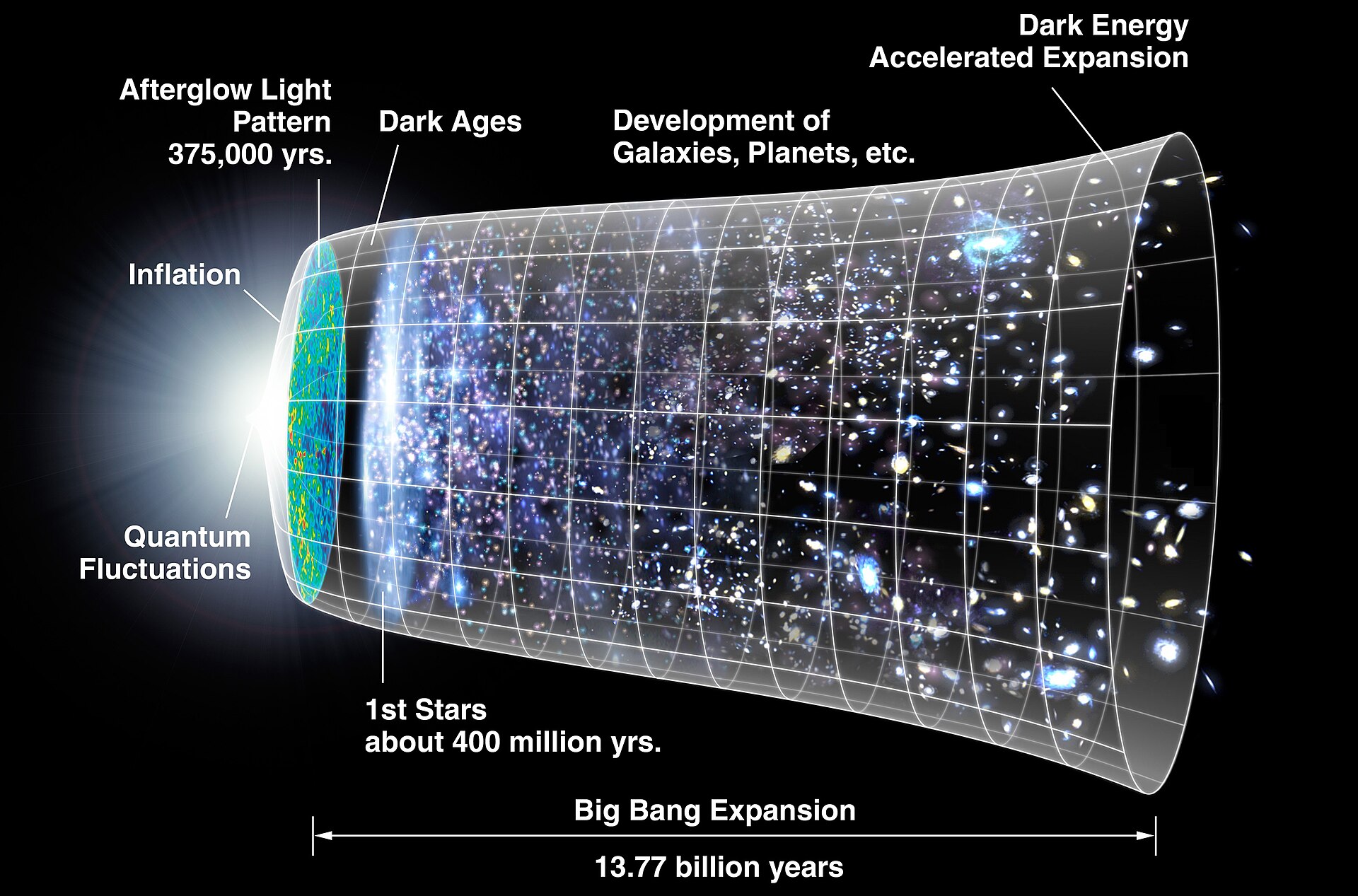
The cosmic microwave background is a faint glow of microwave radiation that fills all of space, the leftover heat from the early universe. Its…
Brownian motion is the random, jittery movement of tiny particles suspended in a fluid, caused by their constant bombardment by the fluid's…
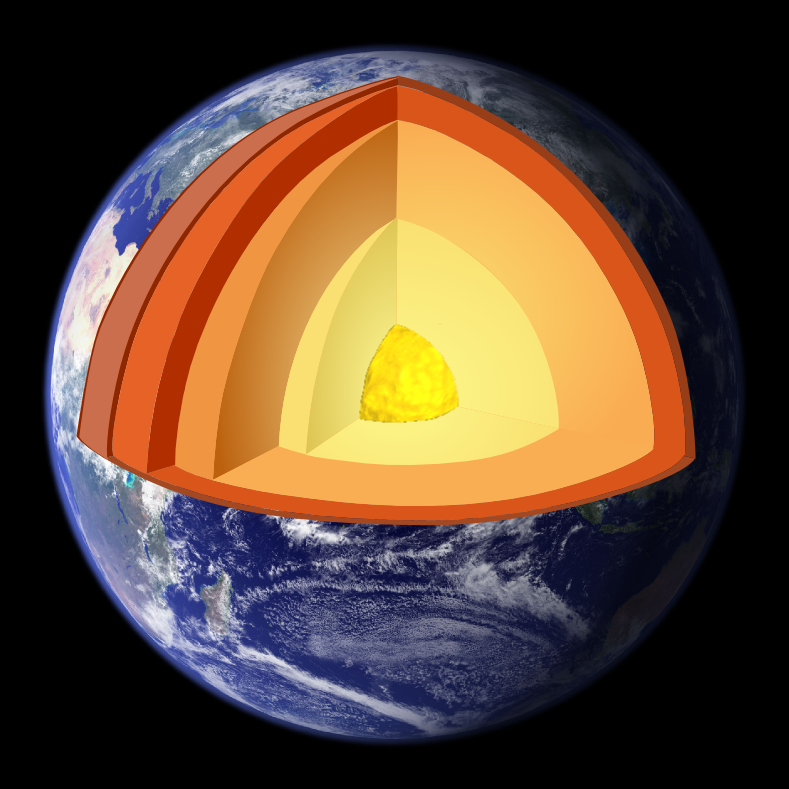
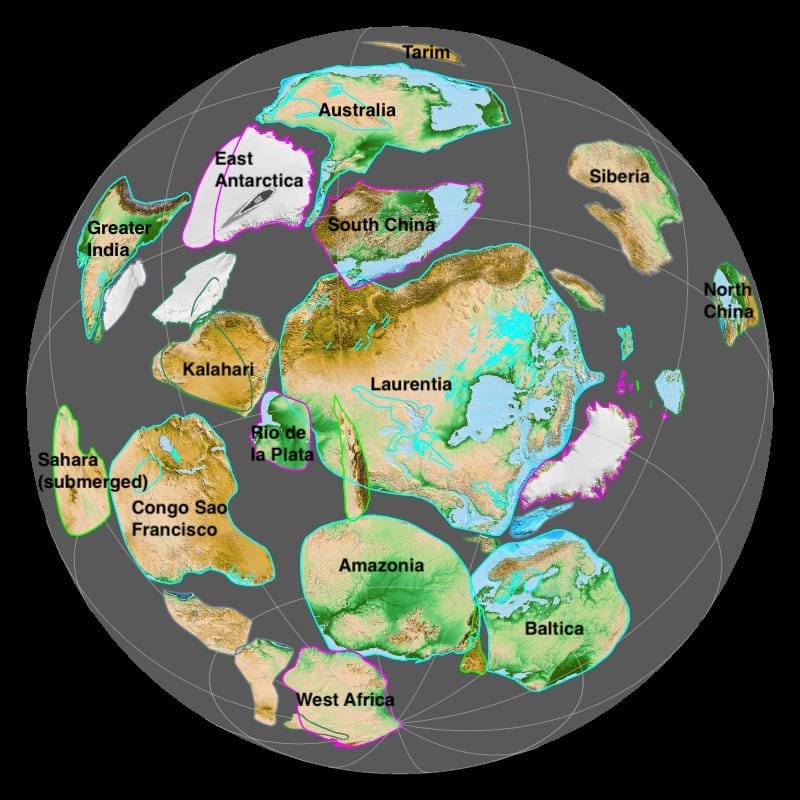
The expanding Earth was a hypothesis, taken seriously by some scientists into the twentieth century, which claimed that the planet is steadily…