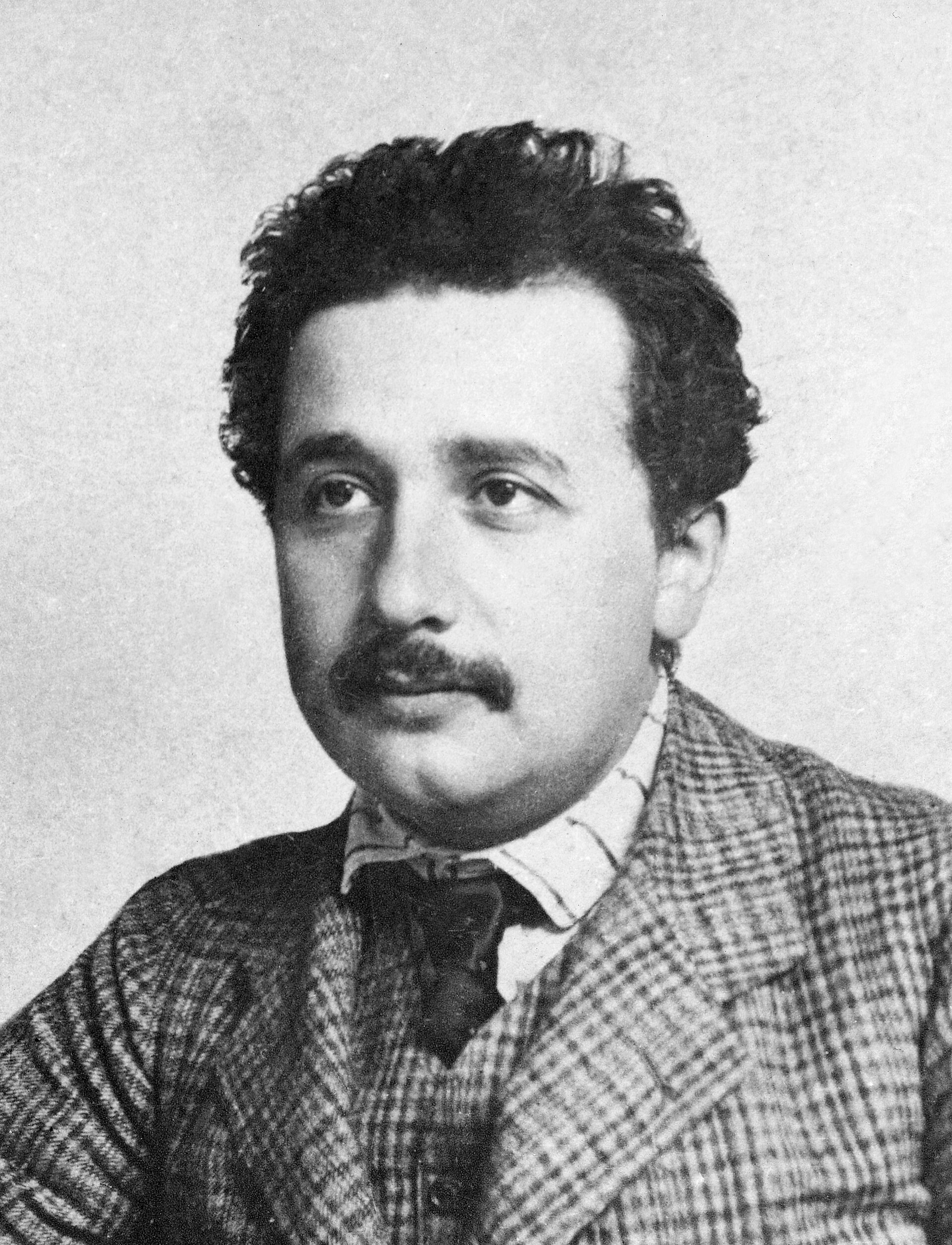
Special relativity is the theory of space and time that Albert Einstein published in 1905. It revolutionized physics by showing that measurements of time and distance are not absolute but depend on the motion of the observer, and that the speed of light is the same for everyone, no matter how they move.
In 1905, while working as a patent clerk in Bern, Einstein published four papers that reshaped physics. One of them, on the electrodynamics of moving bodies, laid out special relativity from just two simple postulates, with no new equipment and no new data, only a relentless rethinking of what space and time really are.
The theory rests on two ideas: that the laws of physics are the same for all observers moving at constant velocity, and that the speed of light in a vacuum is the same for all of them. Holding both at once forces startling conclusions about the nature of space and time, conclusions that defy everyday intuition but follow with iron logic.
The consequences are profound. Moving clocks run slow, moving objects contract along their direction of motion, and events that are simultaneous for one observer are not for another. There is no universal "now" that everyone shares; what counts as the present depends on how you are moving.

From the same logic comes the most famous equation in science, E = mc², expressing that mass and energy are interchangeable. A tiny amount of mass holds an enormous amount of energy, which is why the Sun shines and why nuclear reactions release such immense power.
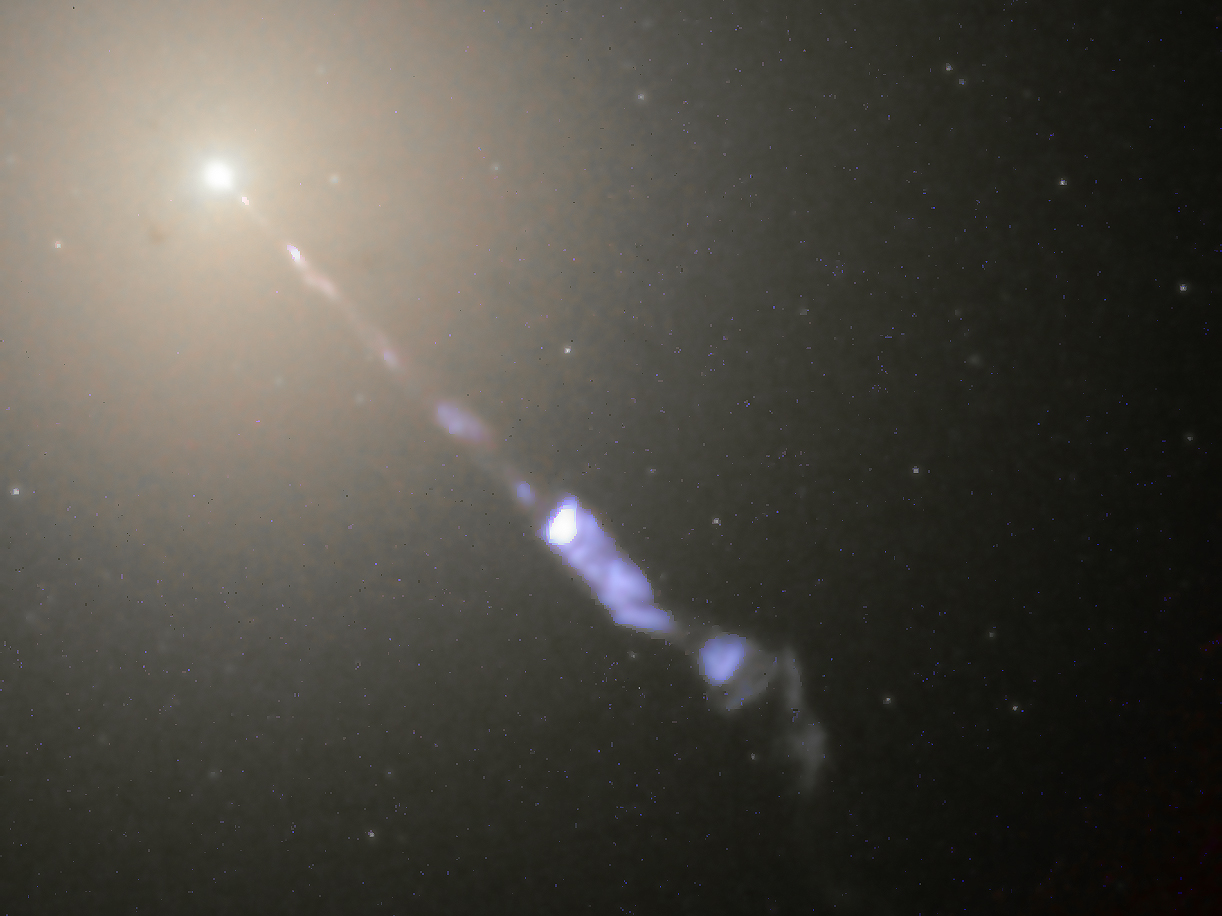
Far from being abstract, special relativity is confirmed constantly. Particles in accelerators live measurably longer when moving near light speed, exactly as time dilation predicts. The energy released by the Sun and by nuclear reactors is mass converted to energy through E = mc². And the matter blasted from galaxies in jets travels at very nearly light speed.
Special relativity is not a fringe effect but a basic feature of reality, woven into all of modern physics. It merged space and time into a single four dimensional spacetime, set the stage for Einstein's later theory of gravity, and remains one of the most thoroughly tested and reliable theories ever devised.