Institutions that take deposits and make loans. The central fact about banking is that it creates money rather than merely storing it, and almost every difficulty the industry produces follows from the mismatch between deposits that can be withdrawn at once and loans that cannot.
A bank takes deposits repayable on demand and lends them out for long periods. This is maturity transformation, and it is the service the bank provides rather than an accident of its structure.
It is also inherently fragile. The money is not sitting in a vault, because it has been lent, so a bank that is entirely sound cannot repay all depositors at once. That is true of a well-run bank, not only a badly run one.
Banks create money when they lend. The textbook description of banks lending out deposits is misleading: when a bank makes a loan, it credits the borrower's account, and that deposit is new money. The Bank of England has published this explicitly. Lending is constrained by capital requirements, by profitability and by regulation, not by a stock of pre-existing deposits waiting to be lent.
The implication is that most money in a modern economy is created by commercial banks making loans, and central bank issued currency is a small fraction of it, which the money capsule treats.
Capital is the buffer that absorbs losses. It is the difference between what a bank owns and what it owes, and requiring more of it makes a bank safer and reduces the return on the shareholders' investment, which is the whole of the argument about bank regulation in one sentence.

Deposit-taking and lending are attested in Mesopotamia and in the classical world, generally by temples and by merchants rather than by dedicated institutions.
Italian banking from the thirteenth century developed the instruments that matter. The bill of exchange allowed a merchant to pay in one city and have the recipient paid in another, which moved value without moving coin across dangerous roads. It also allowed interest to be charged in the form of an exchange rate, at a time when lending at interest was prohibited to Christians, which is one reason the practice took the shape it did.
The Medici bank operated a branch network across Europe in the fifteenth century, with partnerships structured so that the failure of one branch did not automatically bring down the others.
Goldsmith bankers in seventeenth century London took deposits of coin, issued receipts, and found that the receipts circulated as payment. They then discovered they could issue receipts for more coin than they held, since not everyone claimed at once, which is fractional reserve banking arrived at empirically.
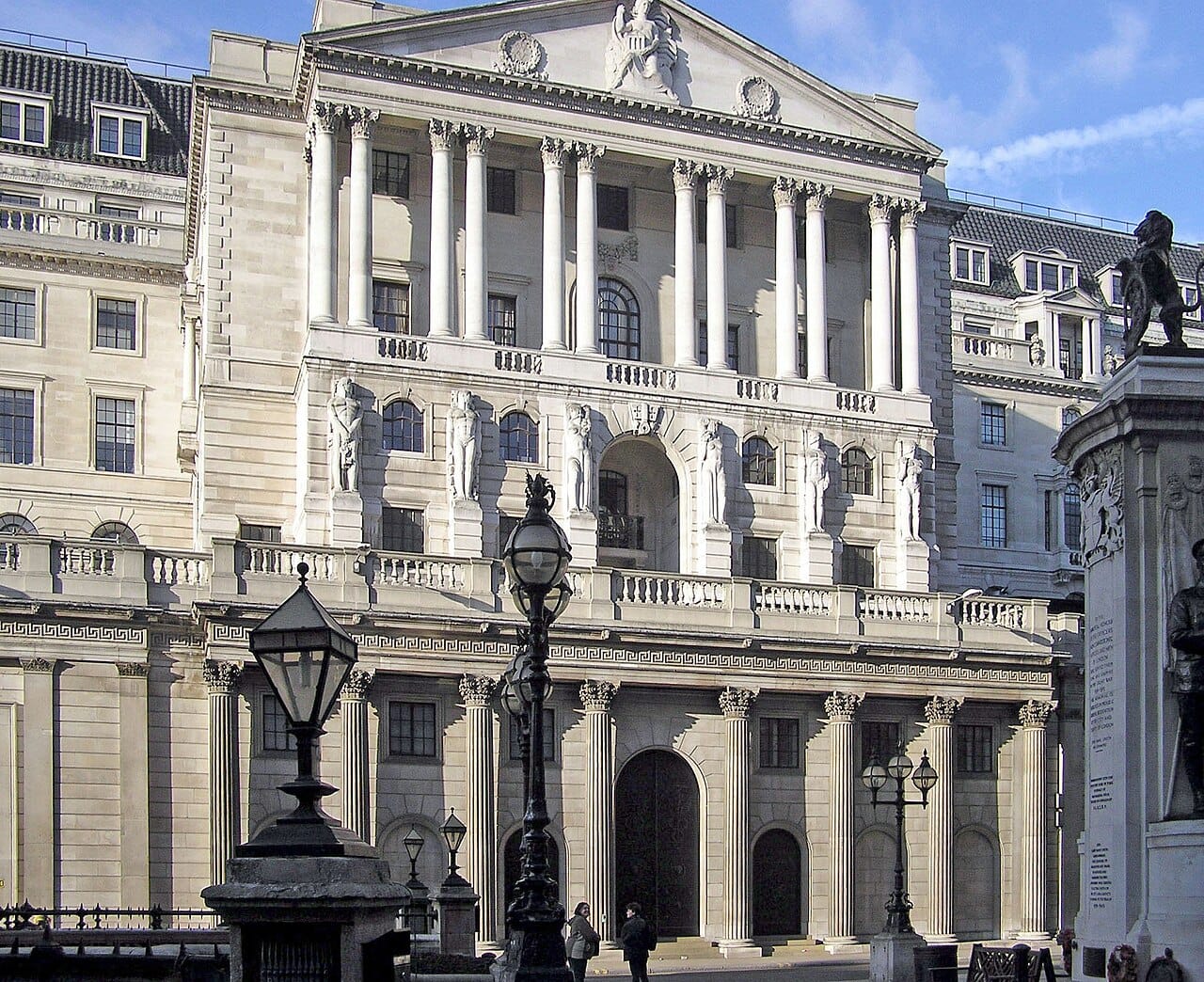
Central banks followed. The Bank of England, founded in 1694 to lend to the government, gradually took on note issue, and the lender of last resort role was articulated by Walter Bagehot in 1873: in a crisis, lend freely, at a penalty rate, against good collateral. The advice remains the standard framework.
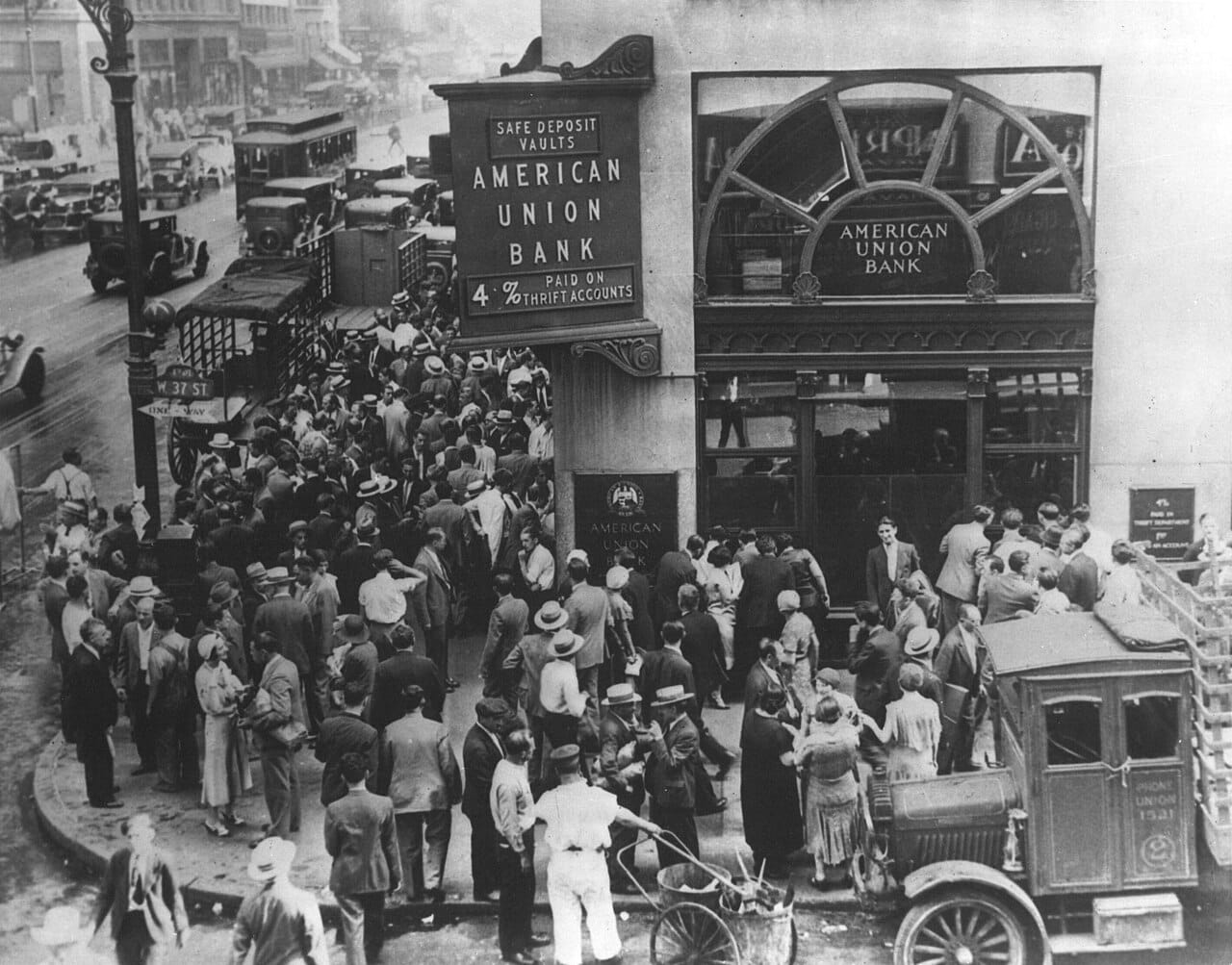
A bank run is a self-fulfilling prophecy. If depositors believe others will withdraw, withdrawing first is individually rational, and the resulting withdrawals can destroy a solvent bank.
The Diamond and Dybvig model, which earned its authors a share of the Nobel Memorial Prize in Economics in 2022, showed formally that a banking system with maturity transformation has two possible outcomes, an orderly one and a run, and that which occurs can depend on belief alone.
Deposit insurance is the standard remedy, and it works by removing the reason to run rather than by holding enough money to pay everyone. Introduced in the United States in 1933 after widespread bank failures, it has largely ended retail runs in countries that have it.
It creates moral hazard in exchange. Insured depositors have no reason to care whether their bank is prudent, so supervision has to substitute for depositor discipline, which is a large part of why banking is regulated as heavily as it is.
Runs did not disappear, they moved. The 2008 crisis was largely a run by wholesale funders rather than by retail depositors, and the 2023 failure of Silicon Valley Bank was a run made unusually fast by digital transfers and by depositors coordinating through social media, with tens of billions withdrawn in a day.
Whether banks allocate capital well is a genuine dispute. Lending is concentrated in property in many advanced economies, and the share going to new productive investment is smaller than the standard justification implies.
Whether banking has grown too large relative to the economy it serves has substantial literature on both sides, with some evidence that financial deepening helps growth up to a point and not beyond it.
Narrow banking proposals would separate deposit-taking from lending entirely, removing the fragility and also removing the maturity transformation that the economy uses.
Central bank digital currencies would let the public hold central bank money directly, which raises the question of what happens to commercial bank deposits and to the lending they fund, and no major economy has resolved it.
Banking is the mechanism through which most money is created and most investment is funded, which makes it infrastructure rather than merely an industry.
Its fragility is also structural rather than a matter of conduct. A bank that borrows short and lends long is doing the thing it exists to do and is vulnerable for exactly that reason, which is why banking crises recur across centuries, legal systems and regulatory regimes.