The proposal that cancers spread to particular organs not by accident of circulation but because those tissues are hospitable to them. It was suggested in 1889 from autopsy records, it explains a pattern that blood flow does not, and identifying what makes a tissue hospitable remains unfinished.
Metastasis is what kills most cancer patients, and it is not random.
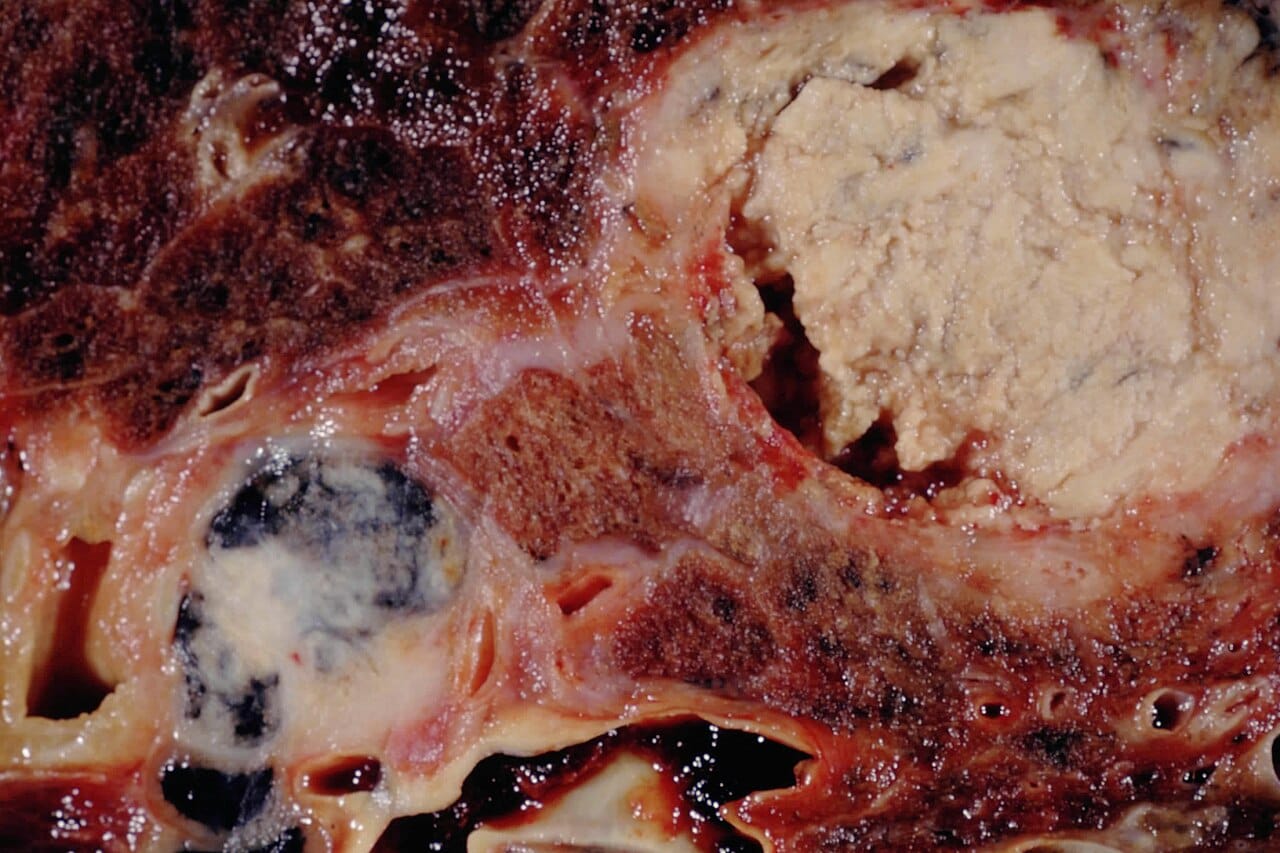
Breast cancer spreads preferentially to bone, lung, liver and brain. Prostate cancer goes overwhelmingly to bone, and to particular bones. Colorectal cancer goes to liver. Ocular melanoma goes to liver, almost exclusively, despite the eye having no direct venous drainage there.
These patterns are consistent enough to guide clinical surveillance, which means they are real.
Stephen Paget analysed autopsy records of over seven hundred women with breast cancer and published in 1889.
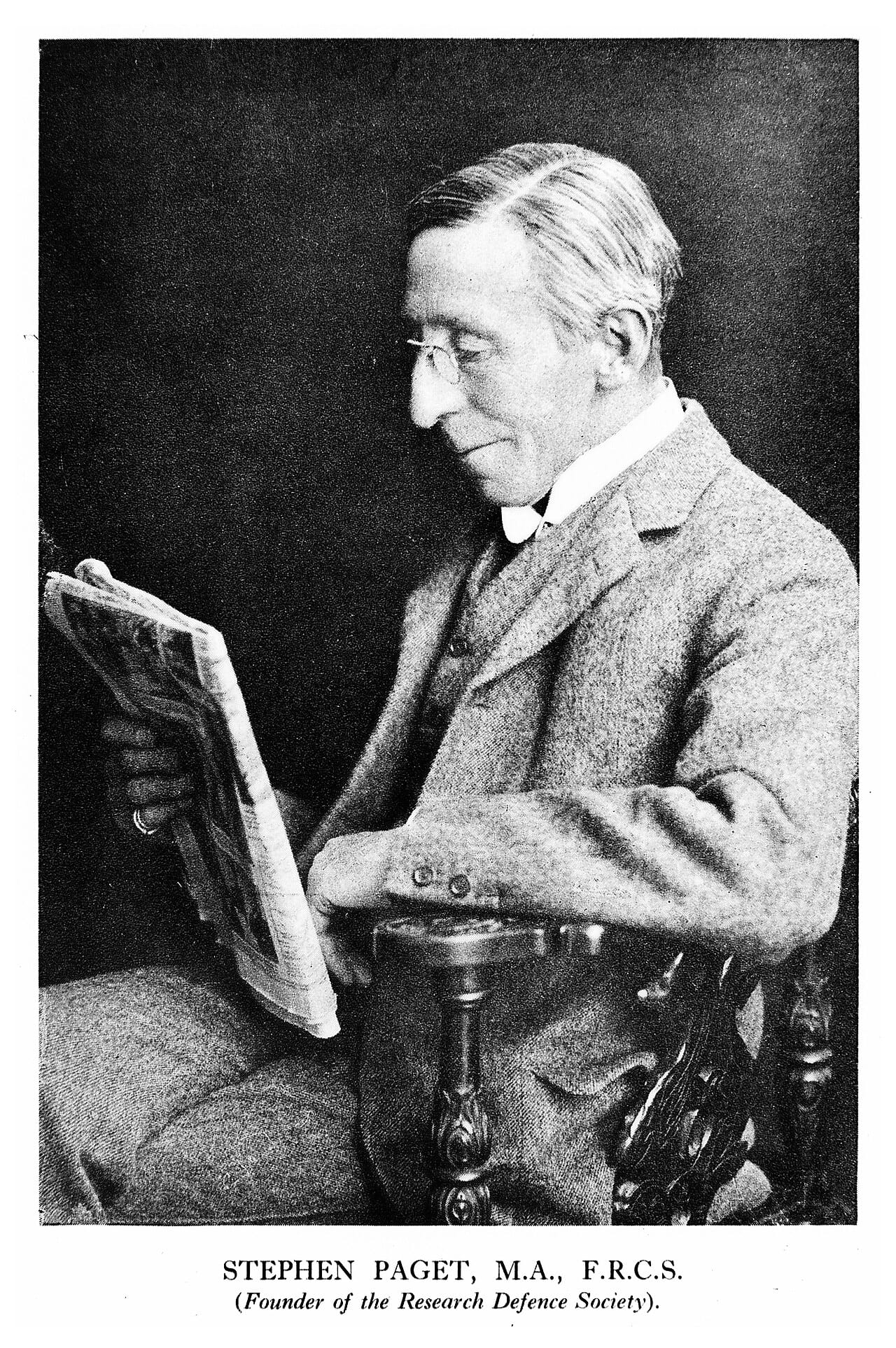
He observed that the distribution of secondary tumours could not be explained by the amount of blood each organ received. Some well-perfused organs were rarely affected; some less-perfused ones frequently were.
His analogy was botanical. Seeds are carried in all directions by the wind, and they grow only where they fall on suitable soil. Tumour cells circulate widely; they establish only where conditions permit.
The alternative account, from James Ewing in 1928, is mechanical: cells lodge where the vasculature first narrows enough to trap them, so distribution follows the anatomy of blood and lymph drainage.
Both are partly right, which is the resolution the field has reached. Circulation determines where cells arrive; tissue environment determines where they grow.
Several observations cannot be explained mechanically.
Circulating tumour cells are found in the blood of patients whose cancer never metastasises, sometimes in substantial numbers. Arrival is not sufficient.
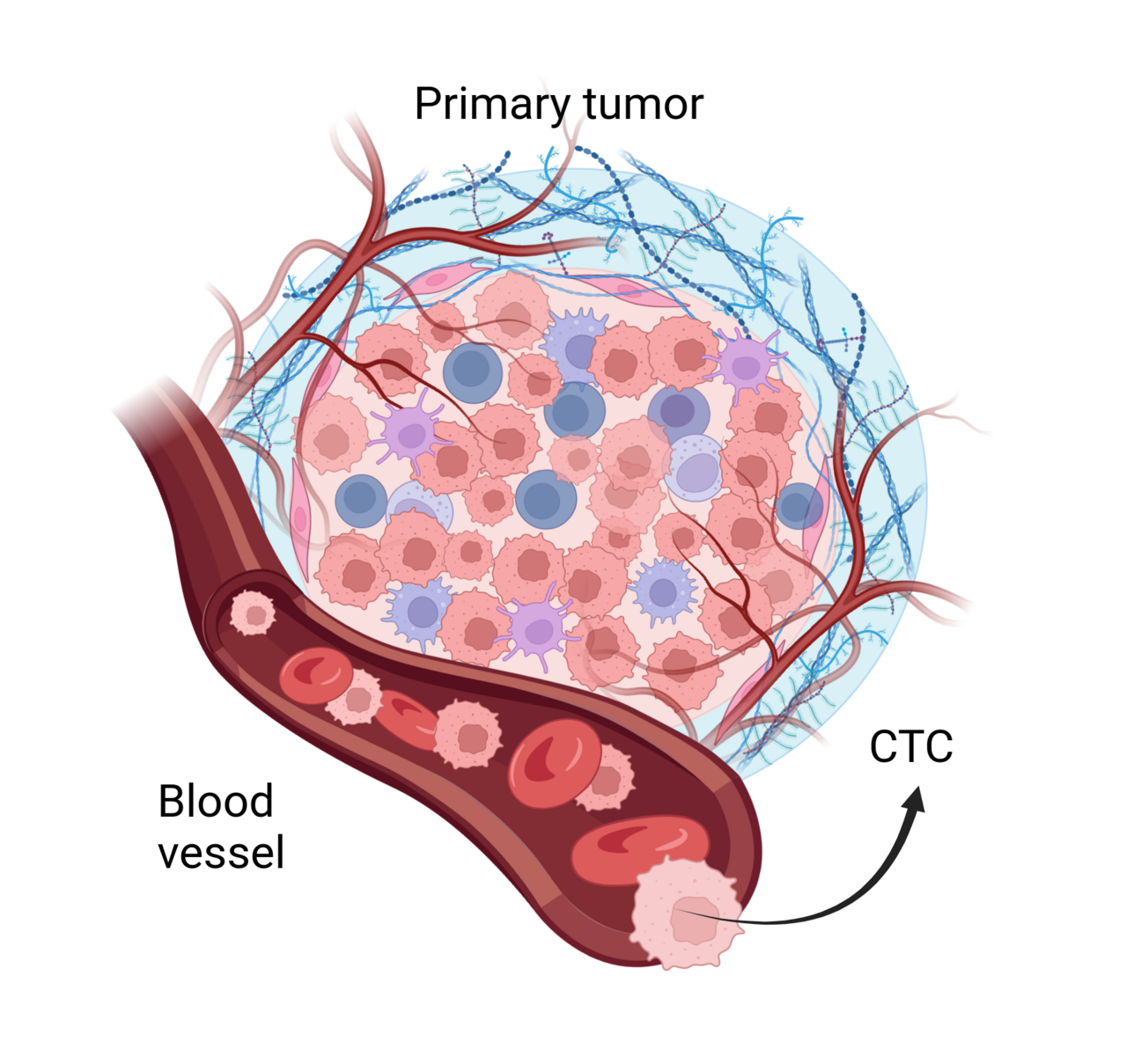
Experimental work injecting labelled tumour cells into animals finds that the great majority arrive at many organs and die, and that survival and growth differ sharply between tissues in ways that perfusion does not predict.
Dormancy is the strongest evidence. Cells can lie in a tissue for years or decades without growing, then begin. Breast cancer recurrence twenty years after apparently successful treatment is well documented, and something in the local environment changes to permit it.
Clinical experiments provided a direct test. Peritoneovenous shunts, used to relieve fluid accumulation in patients with abdominal cancer, deliver enormous numbers of tumour cells directly into the venous circulation. Autopsy studies of such patients found far fewer metastases than the cell numbers would predict if arrival determined outcome.
Identifying the tissue factors is the active research problem, and several components are established or strongly supported.
The pre-metastatic niche is the most striking finding. Primary tumours release factors and vesicles that travel ahead of any cells and modify distant tissues, recruiting bone marrow derived cells and altering the local matrix before any tumour cell arrives. On this account the seed does not merely find suitable soil; the plant prepares the ground remotely.
Chemokine signalling contributes. Tumour cells express receptors matching signals produced abundantly in their preferred destinations, which is a homing mechanism rather than a passive one.
The bone environment is well characterised for prostate and breast cancer, where tumour cells engage the normal machinery of bone remodelling, provoking bone breakdown that releases growth factors stored in the matrix, which feed the tumour, which provokes more breakdown.
Immune conditions differ between organs, and sites where immune surveillance is weaker are more permissive.
Predicting where a given patient's tumour will spread remains beyond current capability, which is the practical measure of how incomplete the account is.
Dormancy is poorly understood. What holds cells quiescent for decades, and what releases them, is not known, and it is arguably the most clinically important gap in the field: a treatment maintaining dormancy indefinitely would convert metastatic cancer into a chronic condition.
Whether the pre-metastatic niche is necessary or merely facilitating is unsettled.
And the relative contribution of seed and soil varies by cancer type in ways that have not been systematically mapped.
The pattern is a fact and the mechanical explanation alone is insufficient, which is established.
That tissue environment determines metastatic success is well supported and is the working assumption of the field. What is missing is a specification: which properties of which tissues, interacting with which tumour characteristics, produce which distributions. Until that exists, seed and soil describes the shape of the answer rather than the answer, which is a useful thing for a framework to do and is not the same as being demonstrated.