Cell theory is one of the foundational ideas of biology. It holds that all living things are made of cells, that the cell is the basic unit of life, and that all cells come from pre existing cells. This simple set of statements unifies the entire living world.
A cell is the smallest unit that can carry out the processes of life. Enclosed by a thin membrane, it takes in nutrients, releases energy, responds to its surroundings, grows, and reproduces. Some organisms, such as bacteria, are a single cell; others, such as humans, are built from trillions of them working together.
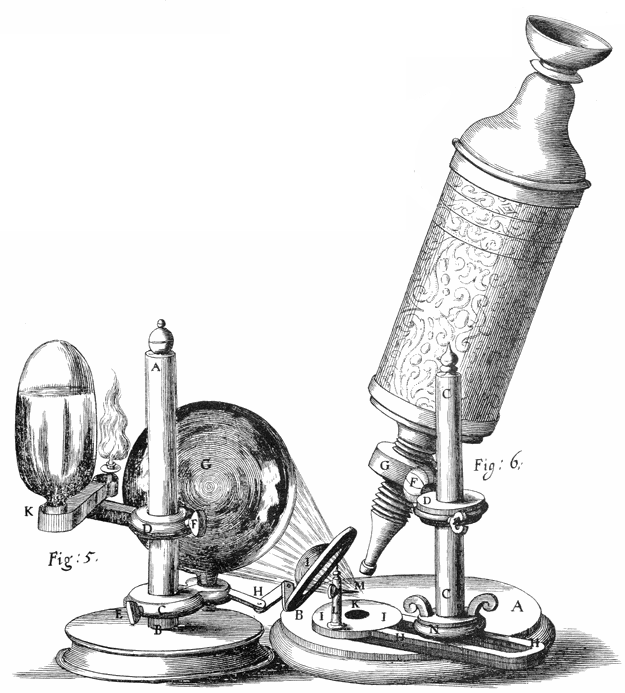
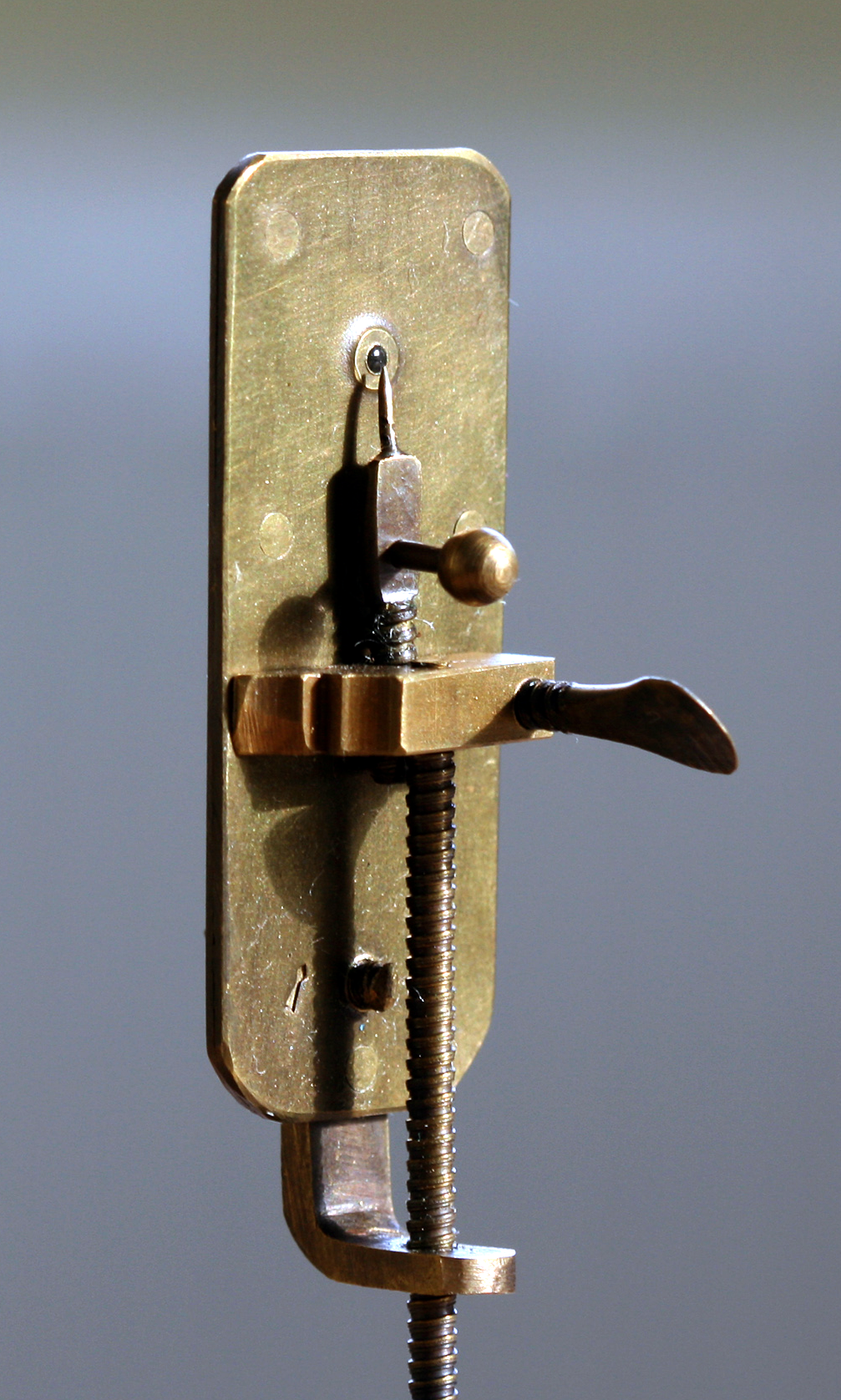
In 1665 the English scientist Robert Hooke used an early microscope to examine a thin slice of cork and saw it was made of tiny boxes, which he named "cells" after the small rooms of monks. Soon after, the Dutch lens maker Antonie van Leeuwenhoek observed living, swimming microbes, a startling glimpse of an unseen living world.
In the 1830s the German scientists Matthias Schleiden and Theodor Schwann proposed that all plants and animals are made of cells, drawing the first two parts of the theory together. Around 1855 Rudolf Virchow added the crucial third part, declaring that every cell arises from another cell, ruling out the old idea that life could spring from non living matter.
Biology recognizes two broad types of cell. Simple cells without a nucleus, called prokaryotes, make up bacteria and similar microbes. More complex cells, called eukaryotes, keep their genetic material in a nucleus and contain specialized internal structures. Plants, animals, fungi, and many microbes are all built from these complex cells.
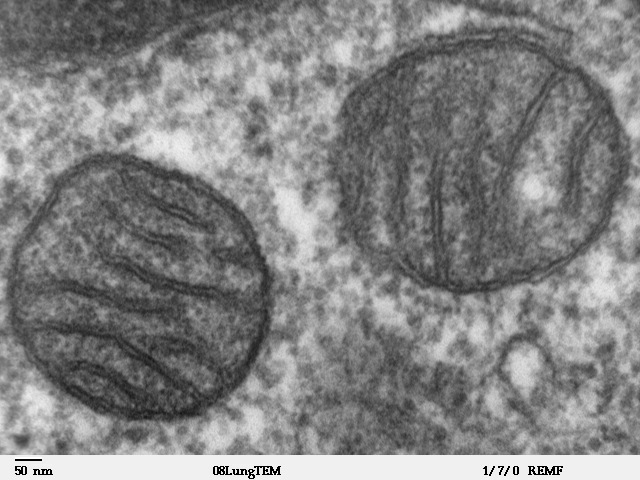
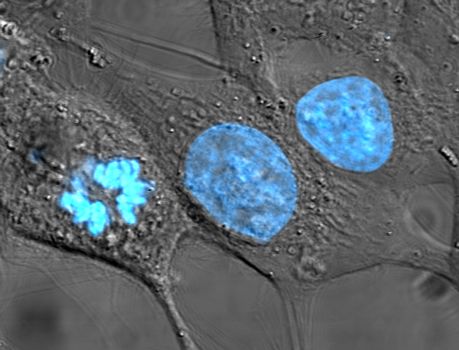
A cell is a bustling, organized place. Tiny structures called organelles each do a job: mitochondria release energy, ribosomes build proteins, and in plants chloroplasts capture sunlight. The nucleus houses the DNA that carries the cell's instructions. All of this is coordinated within a space smaller than a speck of dust.
Because every cell comes from another cell, growth and repair depend on cells dividing. A cell copies its genetic material and splits into two, a carefully controlled process. When this control breaks down and cells divide without restraint, the result is cancer, which is why understanding cell division is central to medicine.
Cell theory transformed biology and medicine. By recognizing the cell as the unit of life, scientists could understand growth, heredity, infection, and disease within a single framework. It explains how a body develops from one fertilized cell and underpins modern fields from genetics to biotechnology. Few ideas in science are so simple to state and so far reaching.