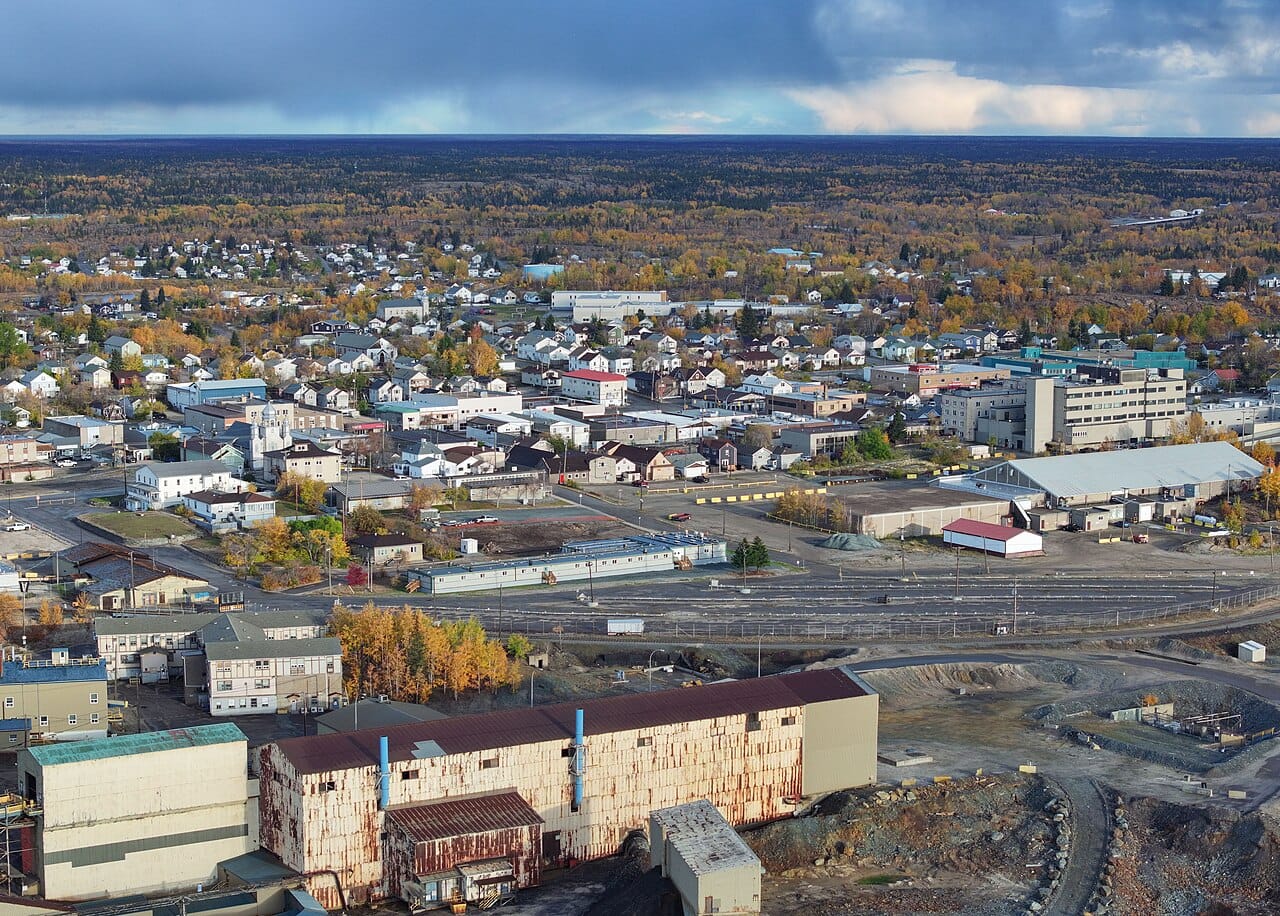
Flin Flon is a mining city on the Manitoba and Saskatchewan boundary, about 630 kilometres northwest of Winnipeg, built directly on the rock of the Canadian Shield. It is one of very few Canadian communities that straddles a provincial border, with the larger part in Manitoba. It had 4,940 residents on the Manitoba side at the 2021 census, and it takes its name from a character in a forgotten science fiction novel.

In 1915 a prospecting party led by Tom Creighton found a copper and zinc deposit here. One of the party had been reading a discarded copy of The Sunless City, a 1905 novel by J. E. Preston Muddock, in which Professor Josiah Flintabbatey Flonatin pilots a submarine into a bottomless lake and discovers a subterranean world of gold.
The claim was named after the character, shortened to Flin Flon, and the name attached itself to the town that followed. A statue of Flinty, designed by Al Capp, the cartoonist behind Li'l Abner, was erected at the town entrance in 1962.
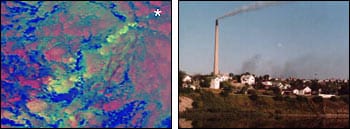
Development waited on transport and power. The Hudson Bay Mining and Smelting Company built a rail spur and a hydroelectric station on the Churchill River system, and production began in 1930. The company built the town alongside the mine, and for most of the twentieth century Flin Flon was among the most productive base metal operations in Canada.
The 777 mine, which began production in 2004, was the last operating mine in the town. Hudbay Minerals completed mining there in 2022, ending more than ninety years of continuous production, and the concentrator and zinc plant closed with it. The city has been working since on what follows, with remediation, tourism and its role as a northern service centre the main threads.
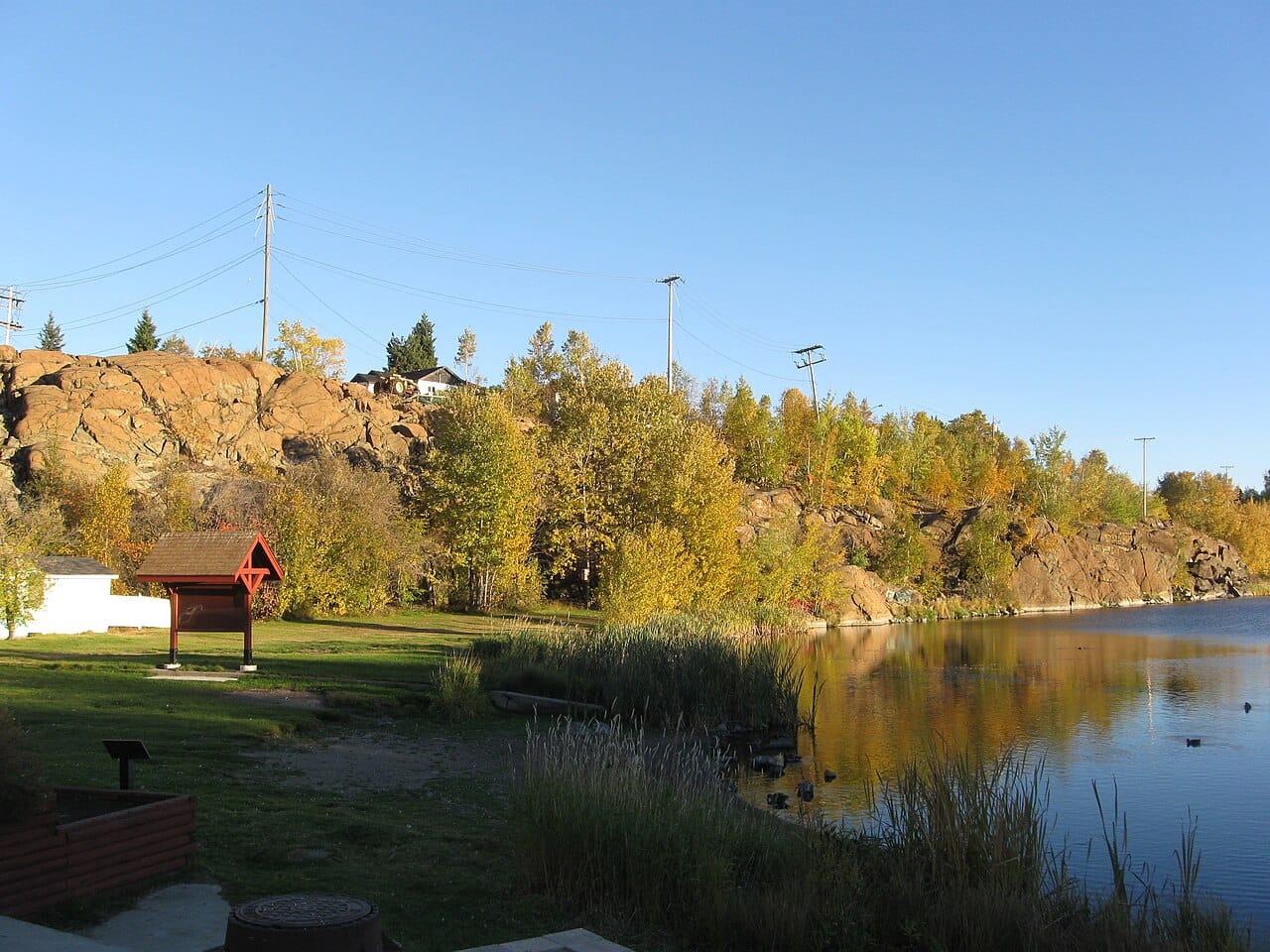
Flin Flon is built on bare Precambrian bedrock, and the terrain has shaped the town completely. Streets bend around rock outcrops, houses sit on stone shelves, and for much of the town's history sewer and water lines ran above ground in insulated wooden boxes called utilidors, because trenching the rock was impractical.
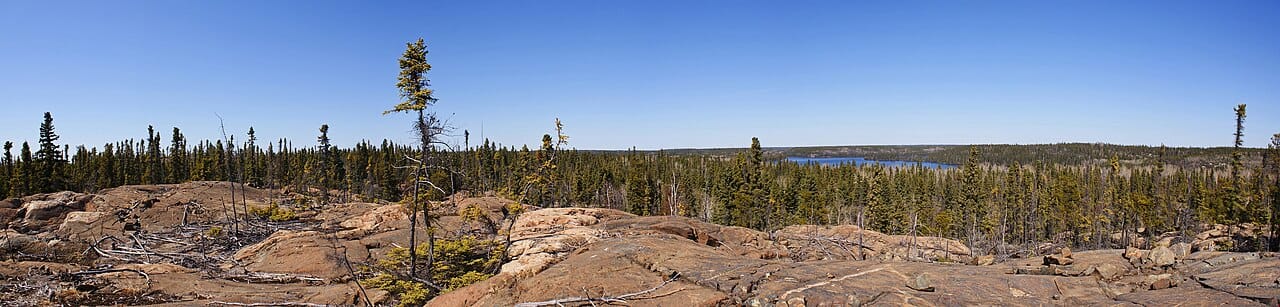
The surrounding country is boreal forest, lake and muskeg on the Shield, with heavy glacial scouring. The provincial boundary runs through the community, which produces a set of practical oddities: the two portions have historically had different time observances at some periods, separate provincial services, and a single municipal administration that has to work with two provinces.
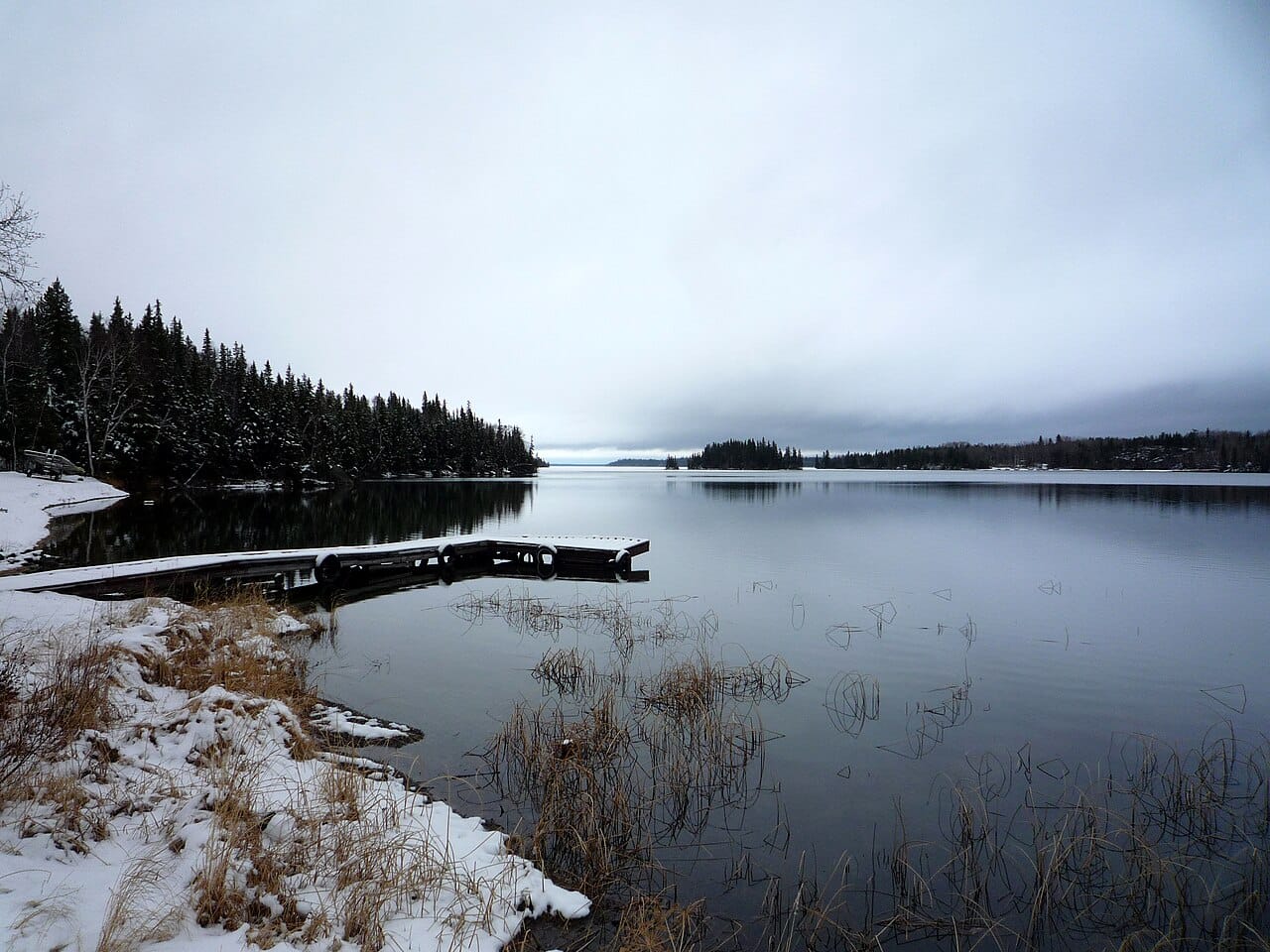
Decades of smelting left a documented legacy of soil contamination in the area, and remediation of the smelter site has continued since the operation closed.
Flin Flon is governed by a mayor and council, with the Manitoba portion incorporated as a city in 1970. The Saskatchewan portion is a separate municipal entity, and the two coordinate closely. Residents deal with whichever province they live in for health care, schooling and licensing, which makes cross-border administration an everyday feature of life rather than a curiosity.
Mining defined the economy for more than ninety years and its end has been the central economic fact of the past decade. Remediation work, the retention of some corporate functions, and Hudbay's continuing operations elsewhere in Manitoba have softened but not replaced it.
The city serves as a regional centre for northern Manitoba and northeastern Saskatchewan, providing retail, health care and services to surrounding communities.
Tourism built on the Shield country, particularly fishing, canoeing and snowmobiling, is a growing part of the picture.
Flin Flon School Division serves the Manitoba portion, and University College of the North maintains a campus in the city.
Flin Flon has a strong hockey tradition well out of proportion to its population. The Flin Flon Bombers of the Saskatchewan Junior Hockey League have produced a notable number of professional players, and the rink is central to civic life.
The Flin Flon Trout Festival, held each summer since 1950, is the principal annual event.
The city's isolation and its single-industry history have produced a marked local identity, and the closure of the mine has made questions of the town's future a matter of open public discussion rather than background concern.
The 2021 census recorded 4,940 residents in the Manitoba portion, with several hundred more in the Saskatchewan part of the community. The population has fallen substantially from its mid-century peak, and the mine's closure has sharpened the demographic question the city now faces.