The proposal that inflammation causes depression in some patients. The evidence is better than for the serotonin account it partly replaced, and the important qualification is in the phrase some patients: the claim is about a subtype, and stated as a general theory it fails.
Several independent findings point the same way.
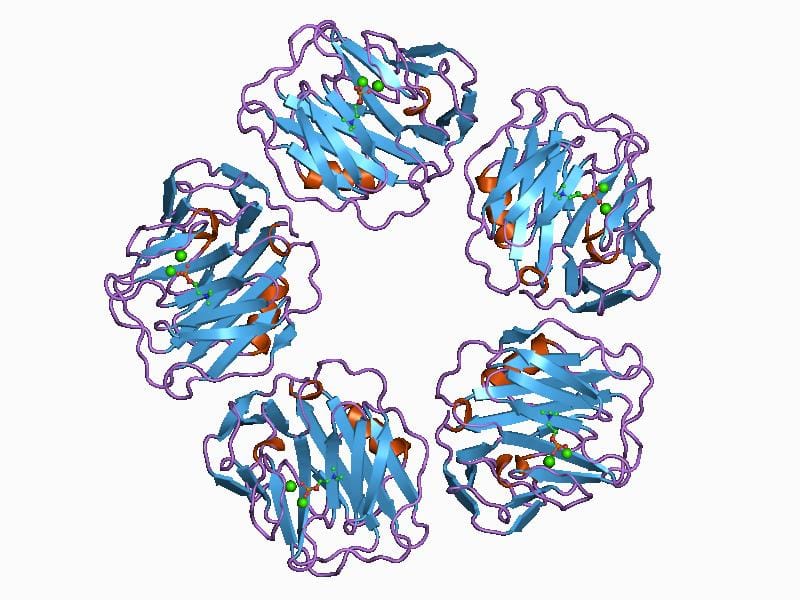
Depressed patients have higher average levels of inflammatory markers, particularly C-reactive protein and the cytokines interleukin-6 and tumour necrosis factor alpha, than non-depressed controls. This is reproducible across many studies.
Inducing inflammation induces depressive symptoms. Interferon alpha, used to treat hepatitis C, causes clinically significant depression in a substantial minority of patients receiving it. Injecting healthy volunteers with endotoxin produces low mood, social withdrawal and anhedonia within hours, alongside the physical symptoms.
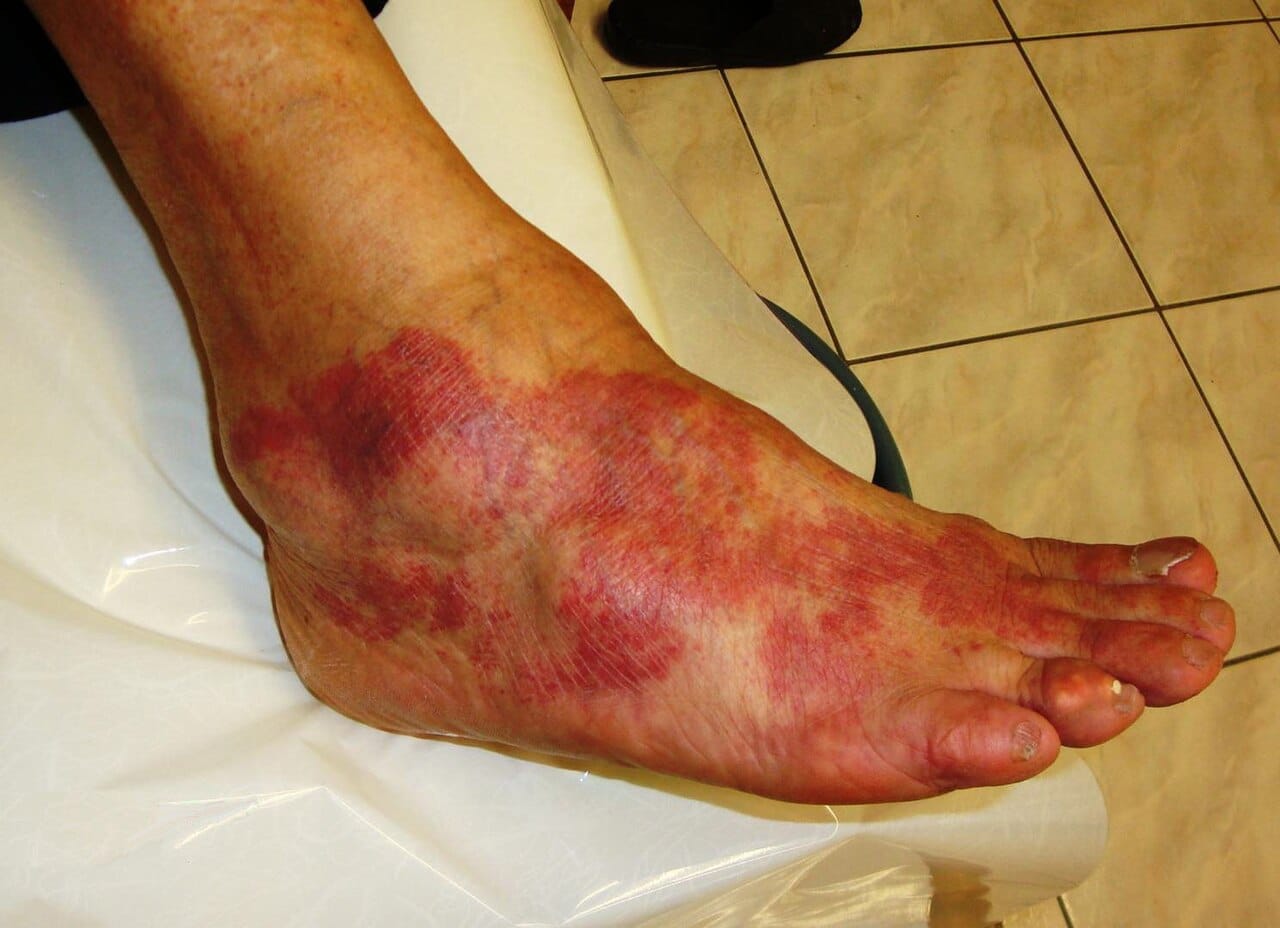
Inflammatory conditions carry elevated depression rates beyond what the burden of illness explains, in rheumatoid arthritis, inflammatory bowel disease and psoriasis.
Sickness behaviour is the conceptual bridge. Infection produces withdrawal, fatigue, loss of appetite, loss of interest and reduced movement, which overlaps substantially with depression and which is an adaptive response to infection organised by cytokines acting on the brain.
Cytokines produced peripherally signal to the brain through several routes: active transport, action on the vagus nerve, and effects on brain endothelium.
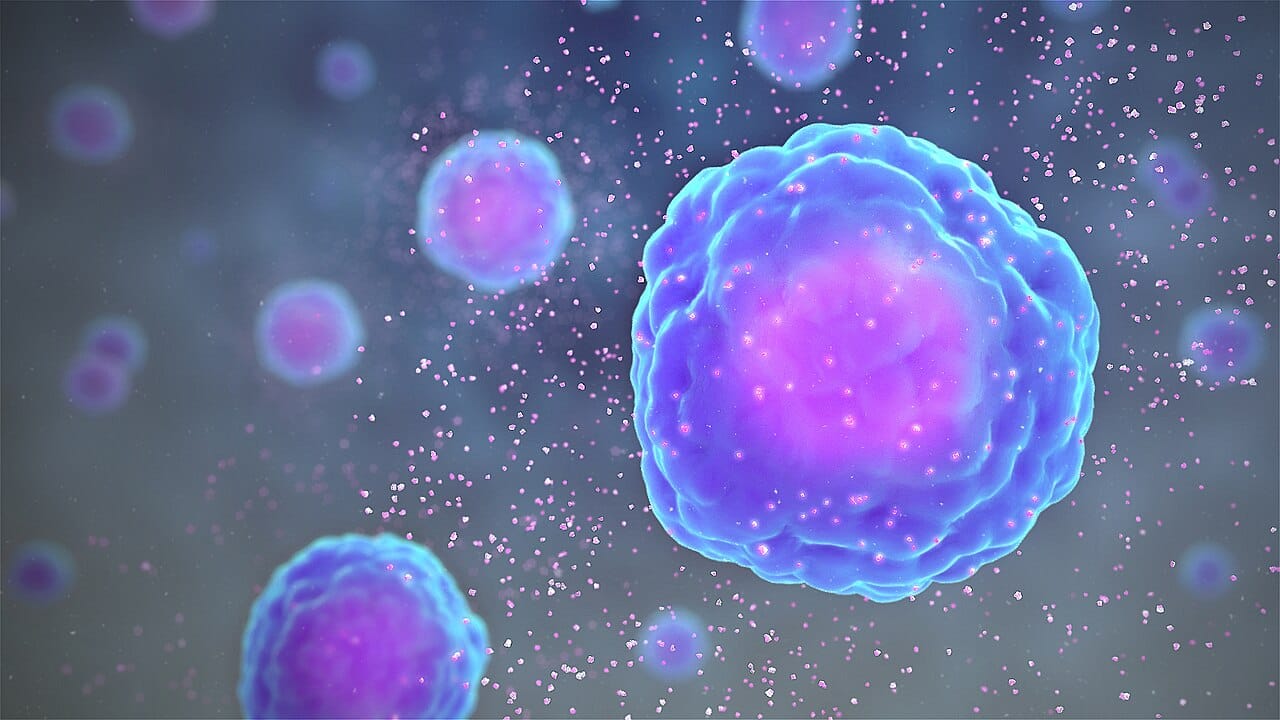
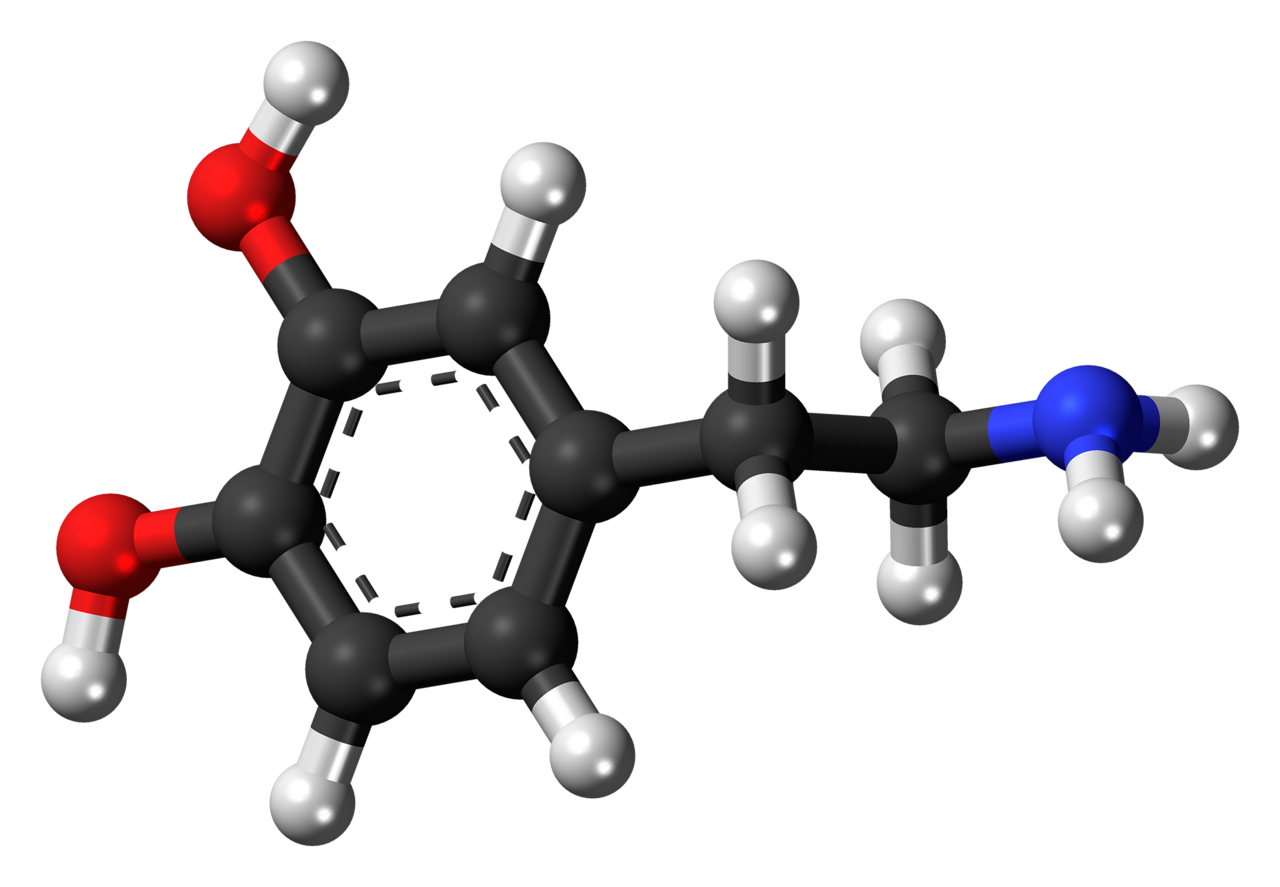
Once there, they alter tryptophan metabolism, diverting it from serotonin synthesis toward the kynurenine pathway, which produces metabolites affecting glutamate signalling. They reduce dopamine synthesis, which is proposed as the route to anhedonia specifically. And they impair neuroplasticity and hippocampal neurogenesis.
Chronic low-grade inflammation, of the kind produced by obesity, poor sleep, chronic stress or persistent infection, could therefore produce depressive symptoms without any acute illness.
The critical fact is how the elevated average arises.
Roughly a quarter of depressed patients have C-reactive protein above 3 milligrams per litre, the conventional threshold for clinically relevant low-grade inflammation. The population mean difference between depressed and non-depressed groups is largely carried by that subgroup rather than by a modest shift across everyone.
That distinction changes what the hypothesis claims. It is not that depression is an inflammatory disease. It is that there exists an inflammatory subtype, perhaps a quarter of cases, in which the mechanism operates.
Stated as a general theory it is straightforwardly false, since most depressed patients have normal inflammatory markers.
Anti-inflammatory treatment trials have produced mixed results, and the pattern in the mixture is informative.
Meta-analyses of anti-inflammatory agents across unselected depressed patients find small effects at best, which is what a subtype hypothesis predicts: treating everyone dilutes any effect by including the majority for whom the mechanism does not apply.
Trials enriched for inflammation, recruiting patients above a CRP threshold, perform better. Analyses published in 2025 covering trials that permitted subgroup analysis at a CRP cutoff found more substantial effects on symptom severity and particularly on anhedonia in those with elevated baseline inflammation.
A frequently cited trial of infliximab, a tumour necrosis factor inhibitor, found no benefit overall and a benefit in patients with high baseline CRP, and a worsening in those with low CRP. That interaction is the shape the hypothesis predicts and it comes from a single trial.
The evidence base has real weaknesses. Trials are small, definitions of the inflammatory phenotype vary between studies, follow-up is short, and several agents have their own effects on mood unrelated to inflammation.
Direction of causation is the central unresolved question. Depression alters sleep, activity, diet and smoking, all of which raise inflammatory markers, and obesity is strongly associated with both. Mendelian randomisation studies, using genetic variants affecting inflammation as instruments, have produced mixed results, with some supporting a causal effect of interleukin-6 signalling on depression and others finding little.
Whether the inflammatory subtype is a distinct condition or one end of a continuum is unknown, and it matters for whether it should be diagnosed separately.
And no threshold is validated for clinical use, so identifying who would benefit remains a research procedure rather than a test.
Filed as a hypothesis, with a specific caution about how it is often reported.
The mechanism is plausible and partly demonstrated. The observations are reproducible. The trials support a real effect in an identifiable subgroup and not in the general depressed population.
The version that circulates publicly, that depression is caused by inflammation and that anti-inflammatory diets or supplements treat it, is not supported and does not follow from any of this. The supported claim is narrower, more useful, and much harder to sell.