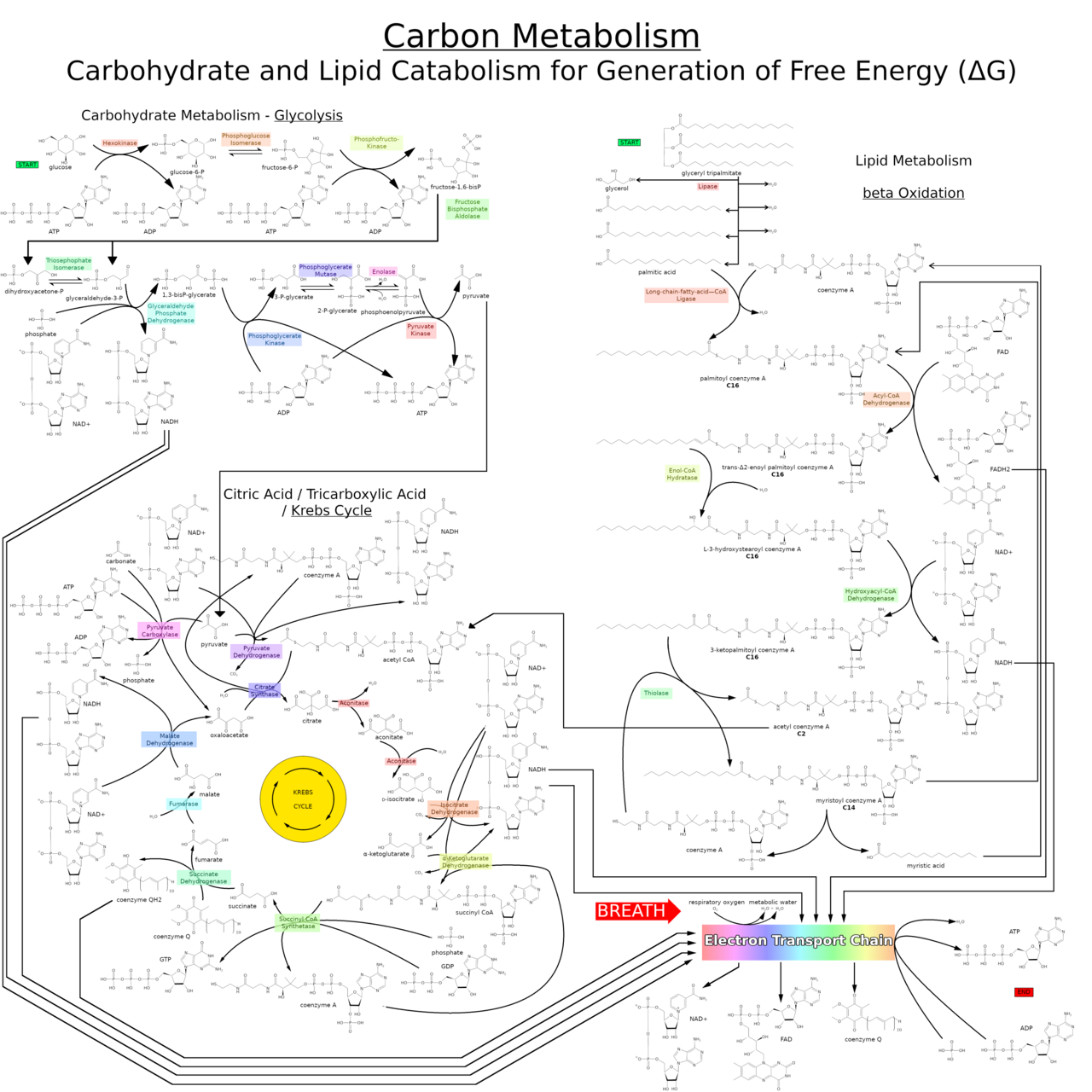
The central sequence of reactions by which cells extract energy from food. It runs in nearly every organism that uses oxygen, it is the hub where the breakdown of sugars, fats and proteins converge, and working it out was among the harder problems in biochemistry.
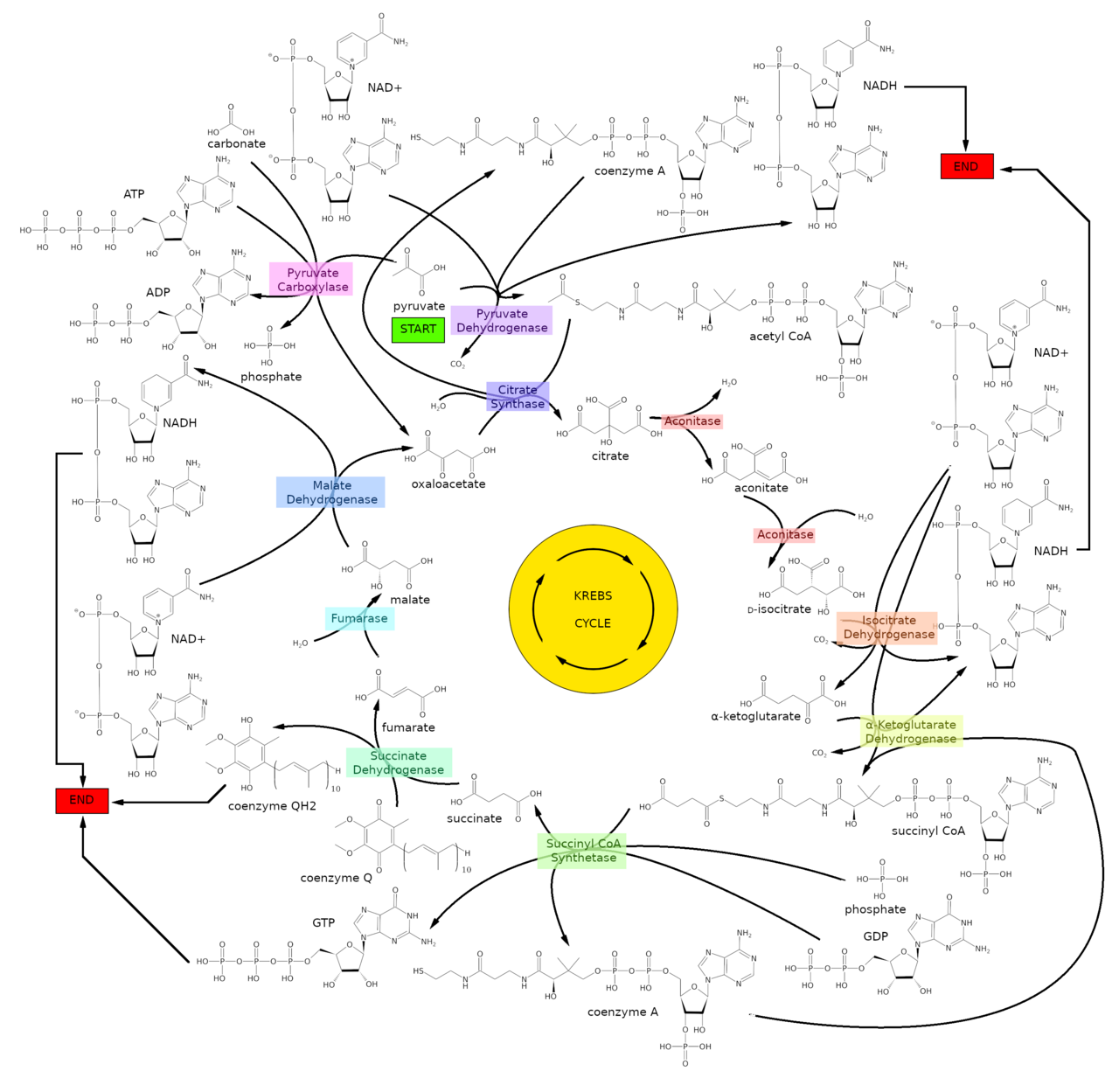
The cycle takes two-carbon acetyl groups and dismantles them completely, releasing their carbon as carbon dioxide.
The energy is not captured as ATP directly, which is the point most often misunderstood. Each turn produces one energy-carrying molecule and, far more importantly, loads electron carriers: three molecules of NADH and one of FADH2 per turn.
Those carriers deliver electrons to the electron transport chain, which uses them to pump protons across the mitochondrial membrane, and the resulting gradient drives ATP synthase. The cycle is therefore a preparation stage: it strips electrons from food and hands them on.
The name reflects this division of labour. The cycle itself yields little; the electrons it liberates yield most of the energy from aerobic respiration.
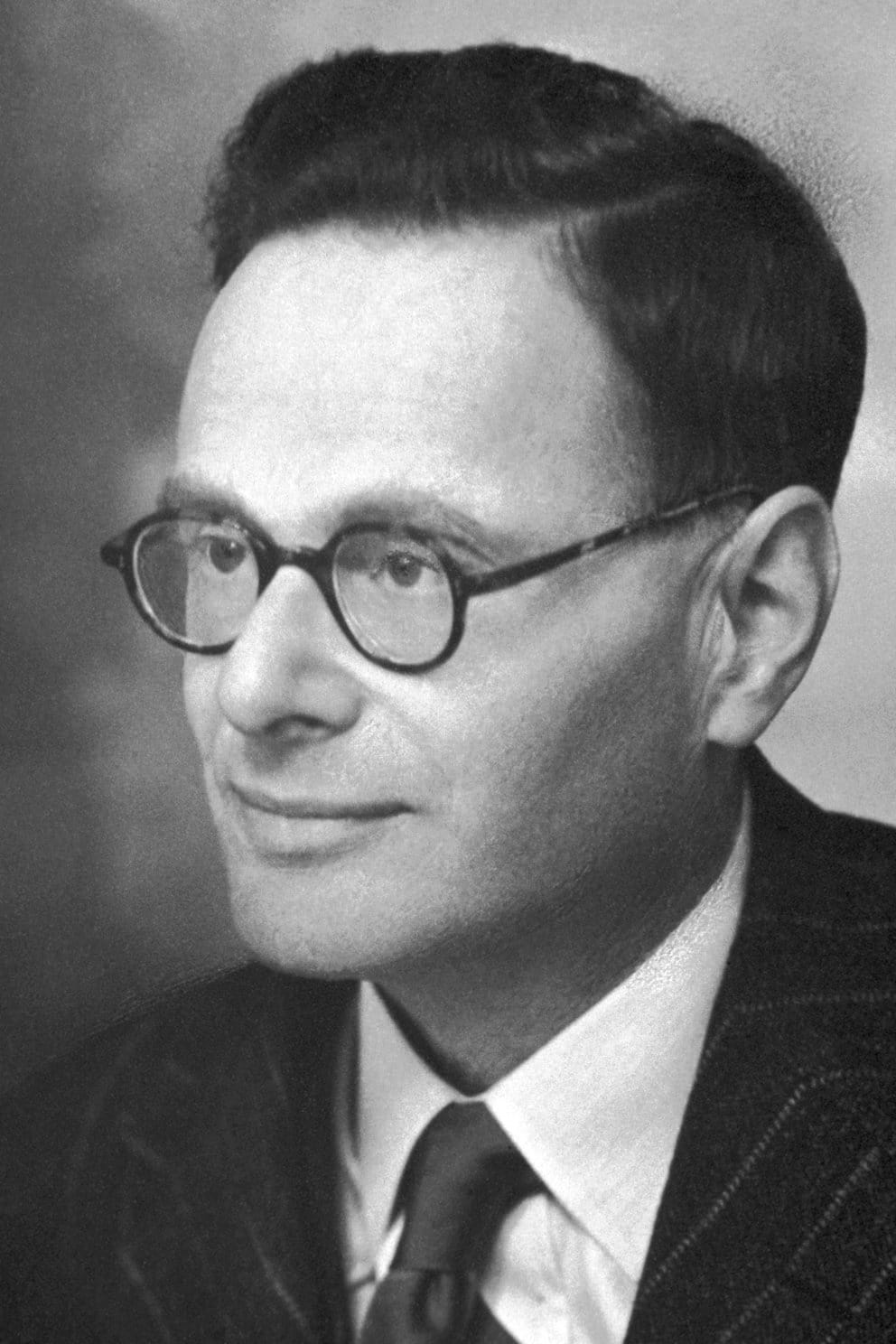
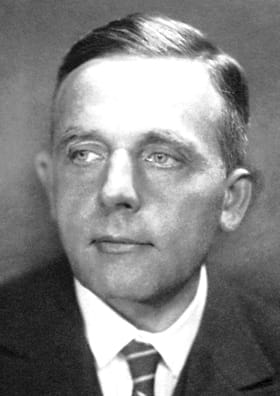
Hans Krebs established the cycle in 1937, at Sheffield, using minced pigeon breast muscle, chosen because it respires unusually vigorously.
The reasoning was indirect and is worth following. Adding any of several organic acids to the tissue increased oxygen consumption by far more than would be needed to oxidise the acid itself, which meant they were catalytic rather than consumed. Malonate blocked respiration at a specific point, and the compound accumulating behind the block identified the sequence.
The decisive insight was that the pathway was a cycle rather than a line: the first compound is regenerated at the end, so a small amount can process an unlimited quantity of fuel.
Nature rejected the paper. It was published in Enzymologia, and Krebs shared the 1953 Nobel Prize in Physiology or Medicine.
He had left Germany in 1933, dismissed from his post because he was Jewish, and did the work in England.
The cycle is where all the major fuel types converge.
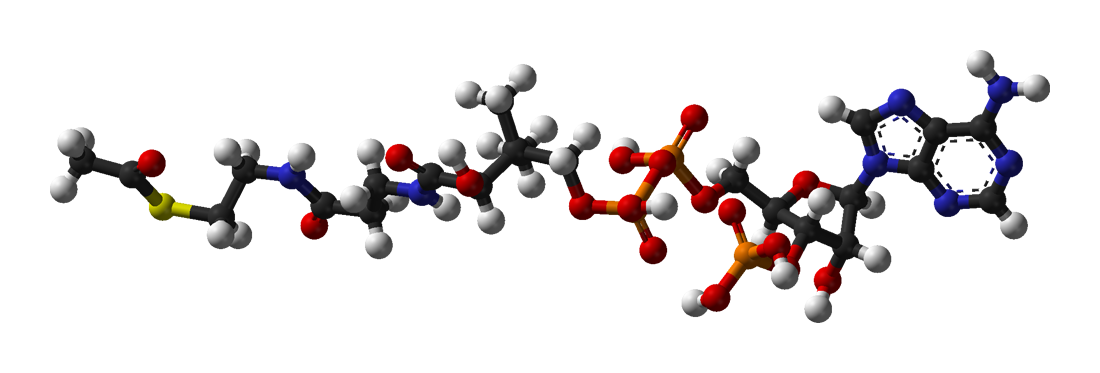
Carbohydrates are broken to pyruvate by glycolysis and converted to acetyl-CoA. Fatty acids are cut into two-carbon units producing acetyl-CoA directly, which is why fat yields more energy per gram: it arrives as almost pure acetyl groups. Most amino acids enter at one point or another after their nitrogen is removed.
The cycle also runs in reverse as a supply depot. Its intermediates are drawn off to build amino acids, haem, and the carbon skeletons for glucose synthesis. Because removing intermediates would stall it, cells have reactions that top it up.
This dual role, catabolic and biosynthetic, is why the cycle sits at the centre of metabolic maps. It is not a pathway so much as a roundabout.
Regulation is by demand, and the mechanism is direct.
The rate-limiting enzymes are inhibited by ATP and NADH and stimulated by ADP and NAD. When a cell has ample energy, the products of the cycle accumulate and slow it. When energy is consumed, the reactants accumulate and speed it.
No signalling is required. The cycle runs faster when energy is needed because the molecules indicating need are the same molecules that activate it, which is a self-regulating arrangement of considerable elegance.
Mutations in cycle enzymes cause cancer, which was a surprise when found.
Fumarate hydratase and succinate dehydrogenase are tumour suppressors, and losing them causes hereditary kidney cancer and paraganglioma respectively. The mechanism is that the accumulating intermediates inhibit enzymes regulating gene expression, so a metabolic defect becomes an epigenetic one.
Isocitrate dehydrogenase mutations in gliomas and leukaemias produce an abnormal metabolite rather than losing function, with similar epigenetic consequences. Inhibitors of the mutant enzyme are now approved drugs.
Several inherited mitochondrial diseases involve cycle enzymes, and the tissues affected are those with the highest energy demand: brain, heart and muscle.
Arsenic and fluoroacetate, the latter used as a rodenticide, both poison the cycle at specific steps, which is why they are lethal at small doses.