A probability puzzle with a counterintuitive answer, made famous when thousands of people including professional mathematicians insisted publicly that the correct solution was wrong. The answer is not in dispute and never was.
Three doors. Behind one is a car, behind the others goats. You choose a door.
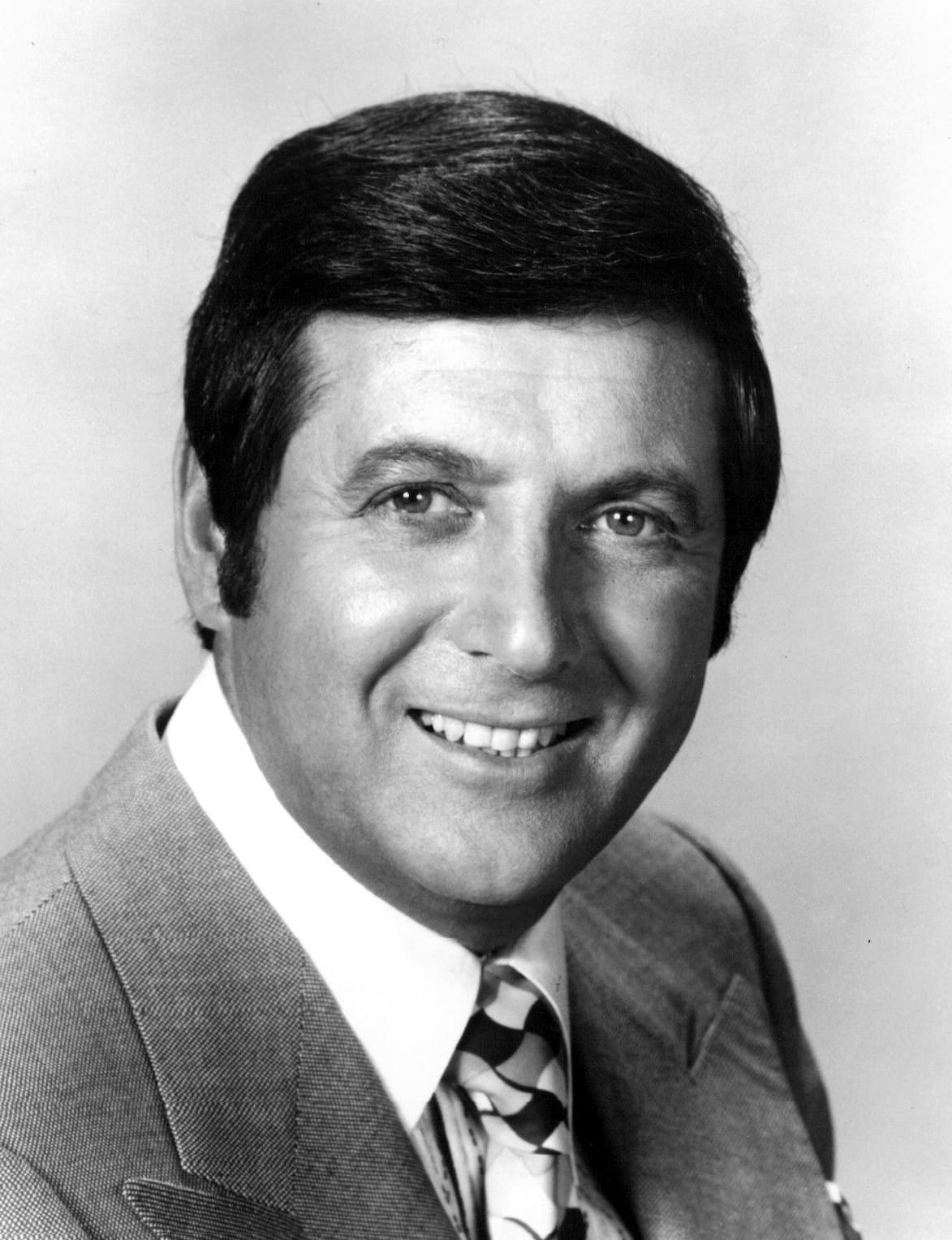
The host, who knows what is behind each door, opens one of the two you did not choose, revealing a goat. He then offers you the chance to switch to the remaining unopened door.
Should you switch?
The answer is yes. Switching wins two times in three; staying wins one time in three.
The intuition that says it makes no difference reasons that two doors remain, so the chance must be even. That reasoning ignores where the information came from.
Your original choice had a one in three chance of being right. That does not change: the host's action tells you nothing about the door you picked, because he can always open a goat door among the other two regardless.
So the door you chose holds the car one time in three, and the other two doors together hold it two times in three. The host has now eliminated one of those two, without eliminating any probability from that group, because he was never going to open the car. The full two thirds is therefore concentrated in the single remaining door.
Switching converts a one in three chance into a two in three chance.
Consider a hundred doors instead of three. You pick one, with a one percent chance of being right. The host opens ninety eight of the others, all goats, leaving your door and one other.
Almost nobody hesitates here. Your original guess was almost certainly wrong, and the host has been forced to leave the car's door closed unless you happened to pick it. Switching wins ninety nine times in a hundred.
The three-door case is the same structure with the effect made small enough to argue about.
The answer depends on rules that are usually left implicit, and stating them shows why some disagreement was reasonable.
The host must know where the car is. If he opens a door at random and it happens to reveal a goat, the probabilities become even and switching gains nothing.
The host must always open a door and always reveal a goat. If he only offers a switch when the contestant has chosen correctly, switching always loses.
The host must choose randomly between the two goat doors when the contestant has picked the car. Otherwise his choice leaks information.
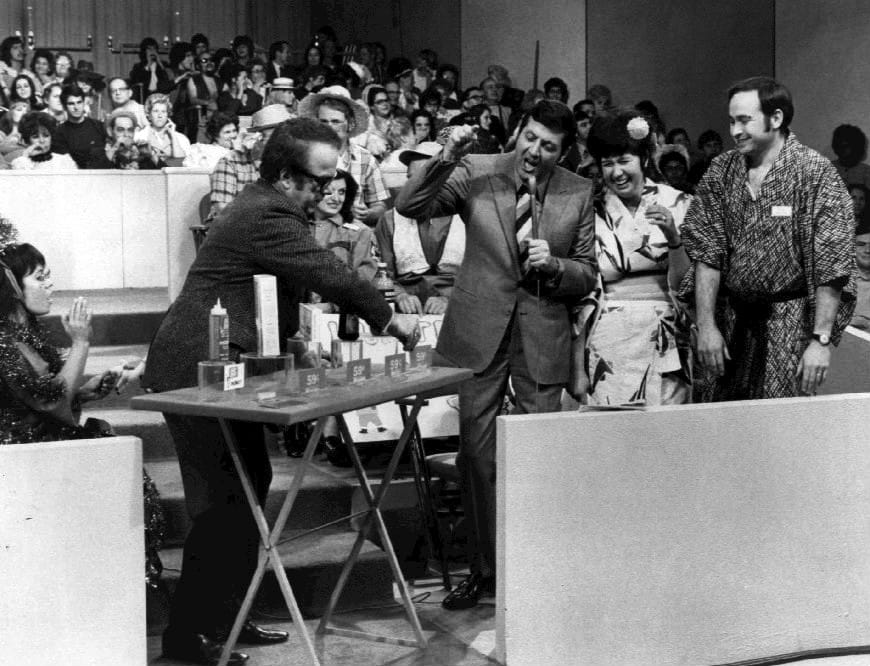
The actual television programme did not follow these rules. Monty Hall did not always offer a switch, and he used the offer strategically, which he confirmed in interviews. The puzzle is named after the show and does not describe it.
Marilyn vos Savant published the problem and the correct answer in a magazine column in 1990.
She received roughly ten thousand letters telling her she was wrong, including around a thousand from people with doctorates. Several were from mathematicians and were written with considerable condescension.
Paul Erdos, among the most prolific mathematicians of the century, refused to accept it until shown a computer simulation, and reportedly remained unhappy about it afterwards.
The episode is now a standard example of two things at once. Probabilistic intuition fails reliably in a specific way, by ignoring how information was obtained. And confident expertise in a field does not prevent error in a problem within it, particularly when the error feels obvious.
The underlying mistake is treating the host's action as a random event rather than as a constrained one.
Human reasoning about probability tends to update on the outcome observed while neglecting the process that produced it. A door with a goat behind it was opened; the fact that it was always going to be a door with a goat behind it does not register as information about the original choice.
The same error appears in more consequential settings. It is closely related to the base rate neglect behind misreading medical tests, and to survivorship bias, where the process determining which cases are observed is not accounted for.
Wald's analysis of aircraft returning from missions is the classic case: armour should go where the returning planes were not hit, because the planes hit there did not return. As with Monty Hall, the answer follows once the selection process is included and is invisible until it is.