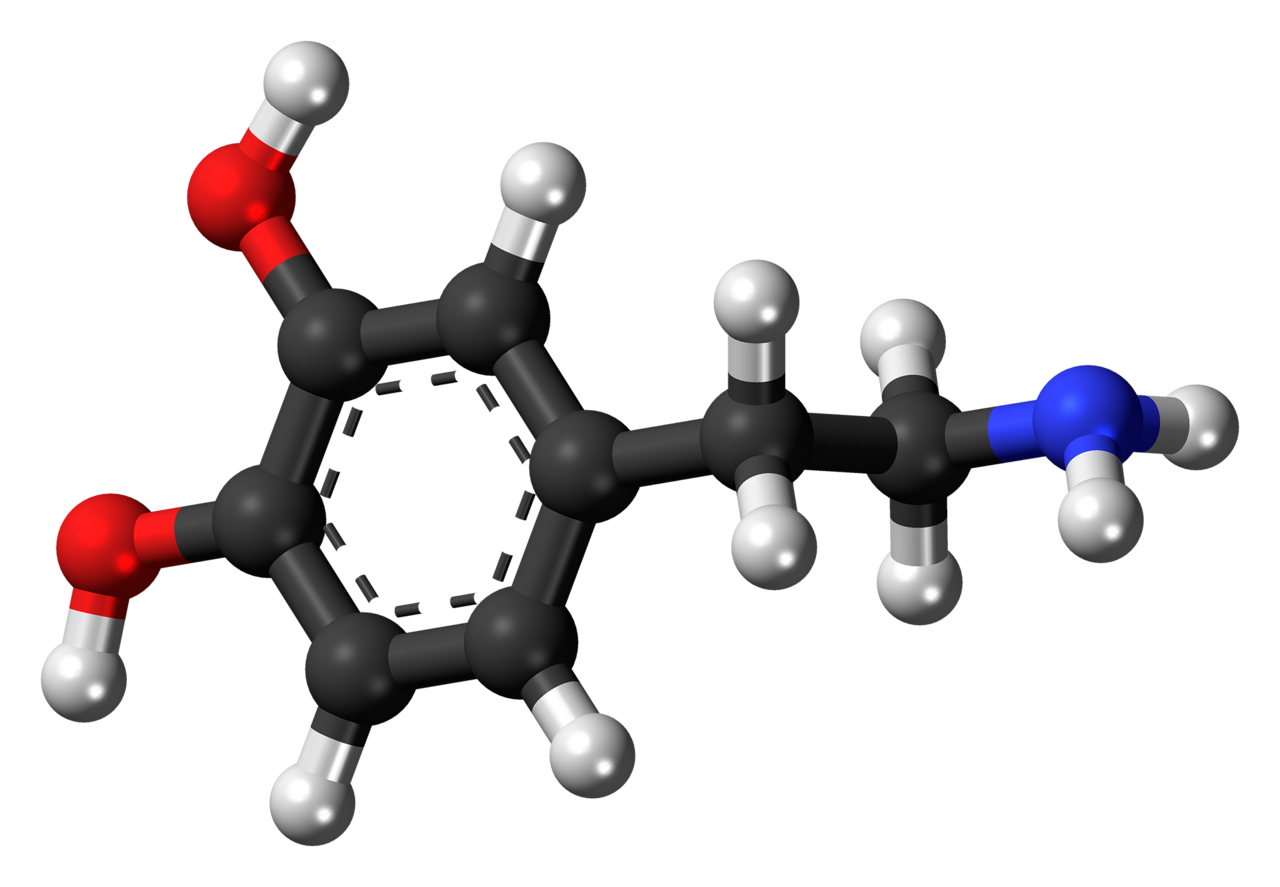
The proposal that schizophrenia involves underactive NMDA receptors rather than, or as well as, excess dopamine. It explains what the dopamine account cannot, it has strong supporting pharmacology, and its largest therapeutic test failed decisively in 2025.
The dopamine hypothesis, treated separately, has three long-standing gaps. Dopamine blockade treats hallucinations and delusions reasonably well, does little for negative symptoms and cognitive impairment, and fails entirely in roughly a third of patients.
Negative and cognitive symptoms are what most determine long-term functioning, so an account covering only positive symptoms is covering the less consequential part.
The hypothesis was inferred, as the dopamine one was, from what particular compounds do.
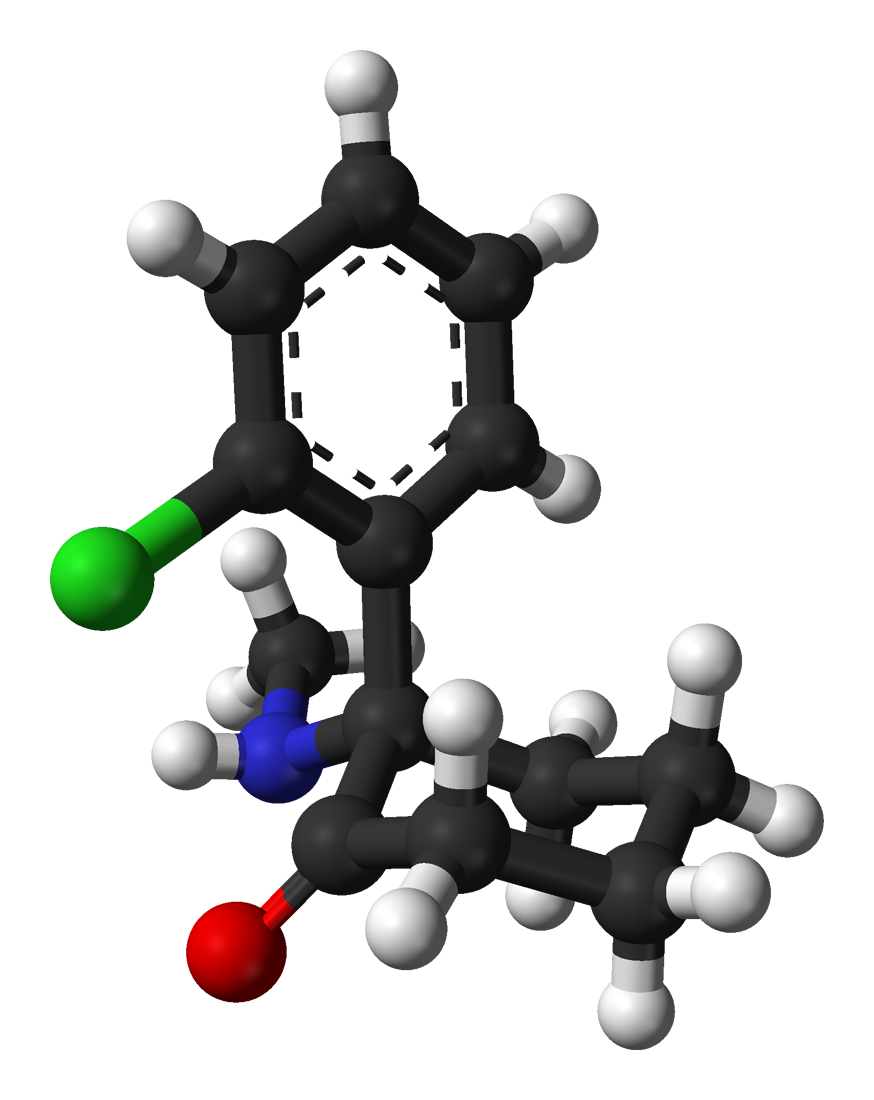
Phencyclidine and ketamine block NMDA receptors, and in healthy volunteers they produce a state resembling schizophrenia more completely than amphetamine does. Amphetamine, which raises dopamine, produces positive symptoms alone. Ketamine produces hallucinations and delusions together with blunted affect, social withdrawal and impaired working memory, which is the full symptom profile.
Ketamine also exacerbates symptoms in patients with schizophrenia and reproduces their particular symptoms rather than generic ones.
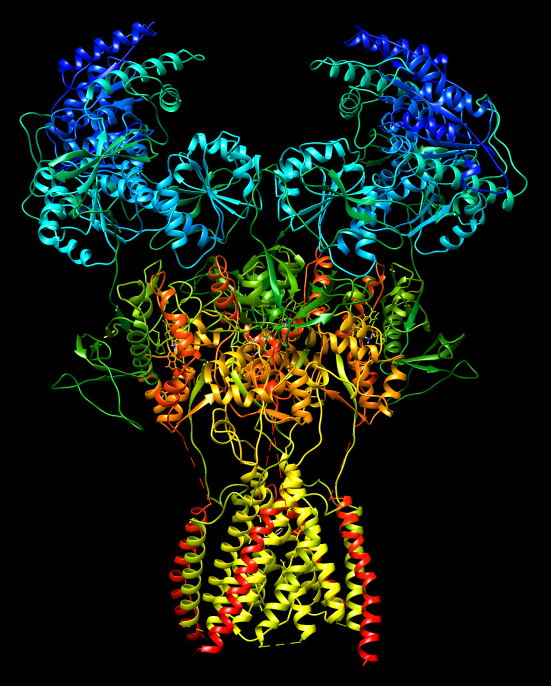
The proposed mechanism is specific. NMDA receptors on inhibitory interneurons are especially sensitive to blockade. Reducing their activity reduces inhibition, which disinhibits pyramidal cells and produces excess glutamate release downstream, alongside disorganised cortical activity. This accounts for the paradox that imaging finds elevated glutamate in some brain regions while the hypothesis concerns receptor hypofunction.
Genetics supports it. Schizophrenia risk genes identified in large studies include several directly involved in NMDA receptor function and glutamatergic synapses, which is a line of evidence independent of pharmacology.
Anti-NMDA receptor encephalitis provides a natural experiment. Autoantibodies against the receptor produce a syndrome that frequently presents as psychosis and was often misdiagnosed as schizophrenia before the antibody was identified in 2007. Blocking the receptor by an entirely different route produces the same clinical picture.
The hypothesis makes a clear prediction: enhancing NMDA receptor function should treat the symptoms dopamine blockade misses.
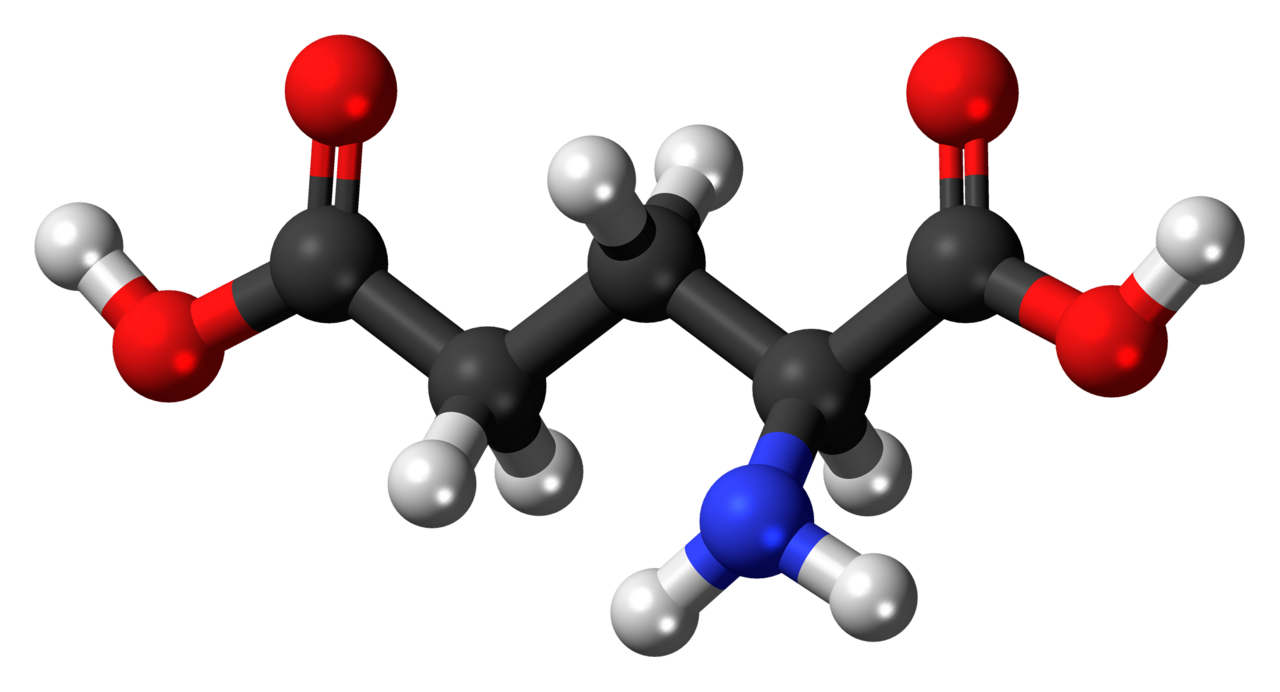
The receptor requires a co-agonist, glycine or D-serine, in addition to glutamate, and that site is the obvious target. More than seventy placebo-controlled trials of glycine site agonists have been conducted.
The results are mixed and the meta-analyses are cautious. Effects on negative and cognitive symptoms appear in some studies and not others, with small samples, varying concomitant medication and inconsistent definitions cited as reasons for the variability.
The decisive test came from a different angle. Iclepertin inhibits the glycine transporter GlyT1, raising synaptic glycine and enhancing NMDA signalling indirectly, which avoids the dosing problems of giving glycine itself. A phase 2 trial in 509 patients was positive and significantly improved cognition.
The phase 3 CONNEX programme was correspondingly large: three randomised placebo-controlled trials, 1,840 patients, 41 countries, six months of treatment.
In January 2025 the manufacturer reported that the primary and key secondary endpoints were not met, with no statistically significant effect on cognition or functioning. The long-term extension trial was discontinued immediately.
That is a substantial result. It was the best-powered test the hypothesis has had, it followed a positive phase 2, and it failed.
It does not refute the hypothesis. A drug can fail because the target is wrong, or because the mechanism is right and the intervention is inadequate: wrong dose, wrong stage of illness, wrong outcome measure, or an effect that requires intervening before the illness is established.
Cognitive impairment in schizophrenia is present before the first psychotic episode and may reflect developmental changes that are not reversible by adjusting transmission in an adult brain. If so, the hypothesis could be correct about causation and useless as a treatment target at that stage.
What the failure does show is that the straightforward therapeutic prediction has been tested properly and has not delivered, which after decades of promise is a real setback.
The glutamate hypothesis is currently the strongest competitor to the dopamine account and, more accurately, its complement. Most researchers hold that both systems are involved, with NMDA hypofunction upstream and dopamine dysregulation downstream, which would explain why dopamine blockade treats positive symptoms specifically.
That integrated picture is plausible and is not established. What is established is that both hypotheses were inferred from drugs, that both explain part of the syndrome, and that schizophrenia is very likely not one condition with one mechanism.
Filed as a hypothesis, with the note that its most important recent evidence is a negative result.