Photosynthesis is the process by which plants, algae, and certain bacteria capture the energy of sunlight and use it to turn carbon dioxide and water into sugars, releasing oxygen as a by-product. It is one of the most important processes on the planet, the ultimate source of nearly all the food we eat and almost all the oxygen we breathe. Its existence and chemistry are established beyond doubt, worked out over centuries and confirmed in fine molecular detail.
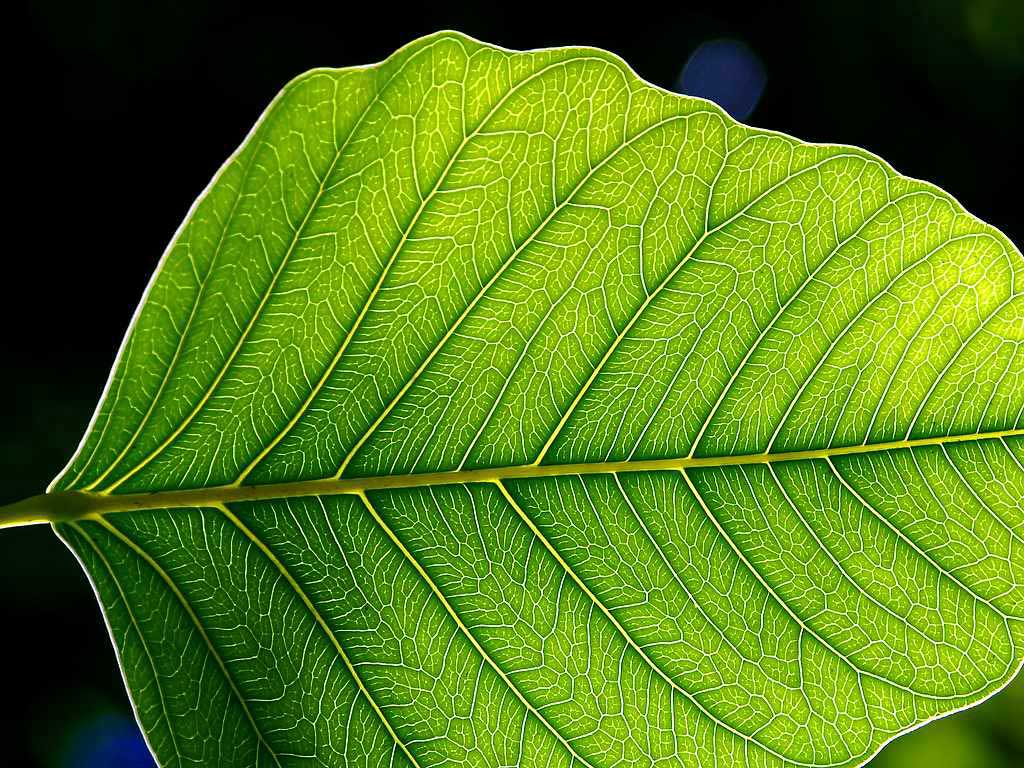
Photosynthesis converts the energy of light into chemical energy stored in sugar. Plants take in carbon dioxide from the air and water from the soil, and using sunlight captured by the green pigment chlorophyll, they combine these into glucose and release oxygen. Almost every living thing depends on this process, either directly, by being a plant, or indirectly, by eating plants or the animals that eat them. It is the gateway through which the energy of the Sun enters the living world.
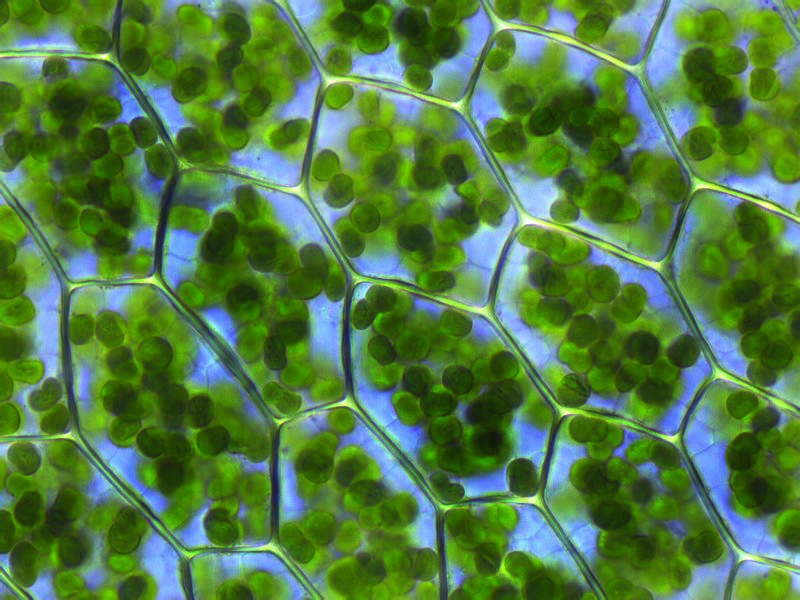
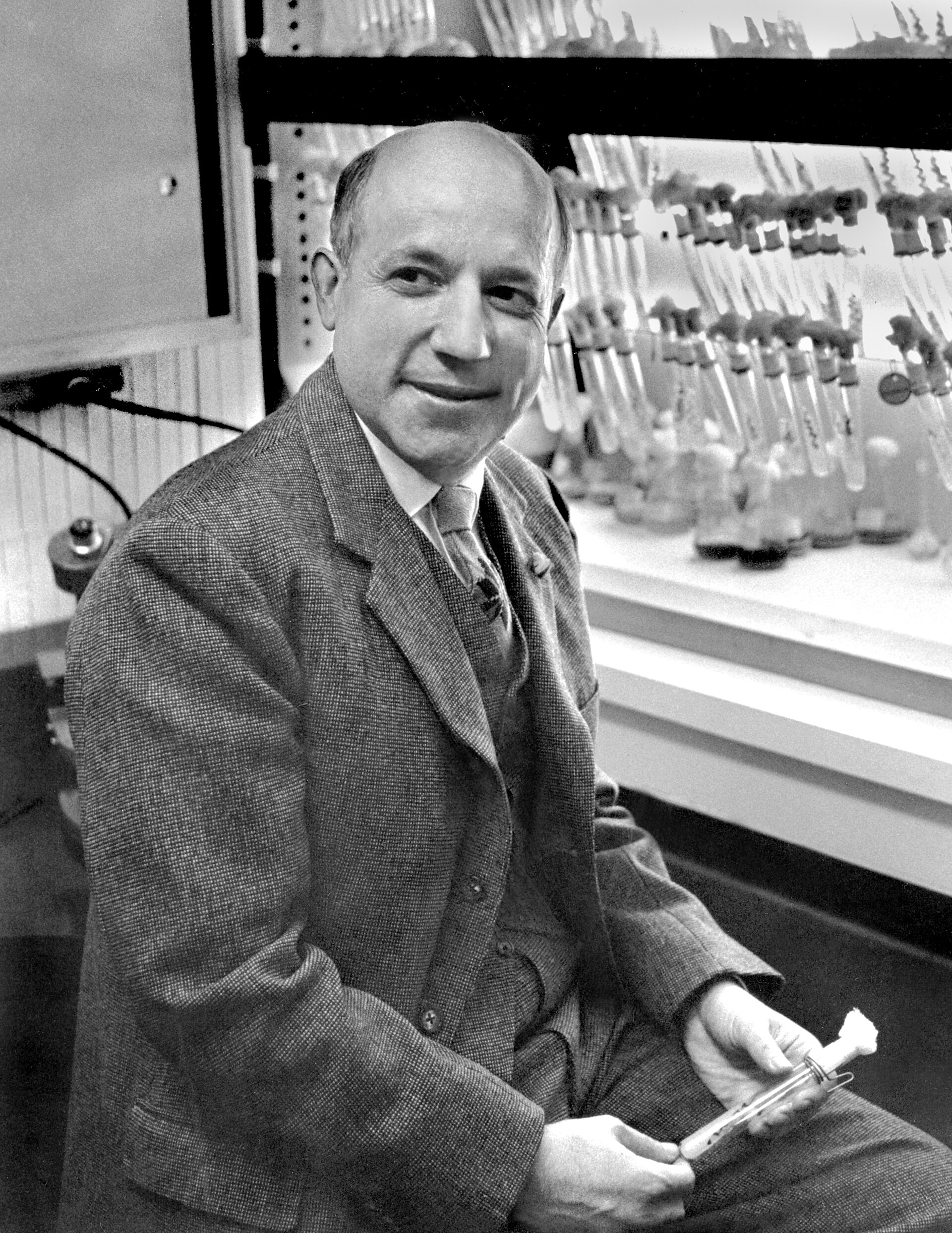
The understanding of photosynthesis was built step by step. In the seventeenth century an experiment growing a willow tree showed that plants gain weight from something other than soil, hinting at the air and water. Later experiments revealed that plants release oxygen and absorb carbon dioxide, and that light is essential. In the twentieth century the detailed chemical pathway by which carbon dioxide is built into sugar was traced using radioactive tracers, a feat recognised with a Nobel Prize.
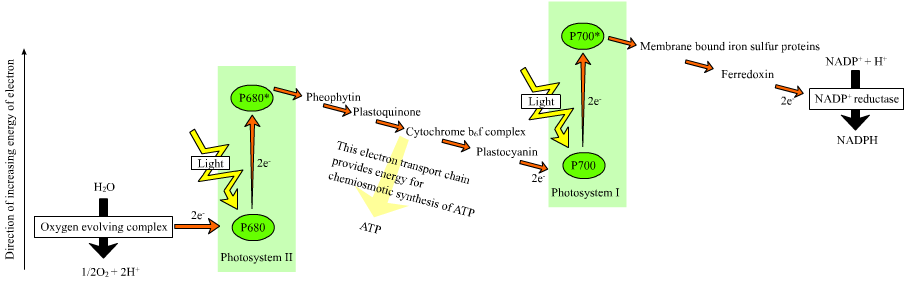
Photosynthesis happens in two linked stages. In the light-dependent reactions, sunlight striking chlorophyll splits water, releasing oxygen and storing energy in chemical carriers. In the second stage, often called the Calvin cycle, that stored energy is used to fix carbon dioxide into sugar. The overall result can be summed up simply: carbon dioxide and water, powered by light, become glucose and oxygen. Every step has been confirmed experimentally.
The importance of photosynthesis is hard to overstate. It produces the oxygen that fills the atmosphere and makes animal life possible, and it captures the carbon and energy at the base of nearly every food chain. The coal, oil, and gas that power modern civilisation are the buried remains of ancient photosynthesis. Understanding the process is also central to feeding a growing world and to grasping how plants draw carbon dioxide from the air.
From a single leaf to the great forests and the vast blooms of ocean algae, photosynthesis quietly powers the living planet. It is a process whose reality and mechanism are as firmly established as anything in biology, and a vivid reminder that life on Earth runs, ultimately, on sunlight.