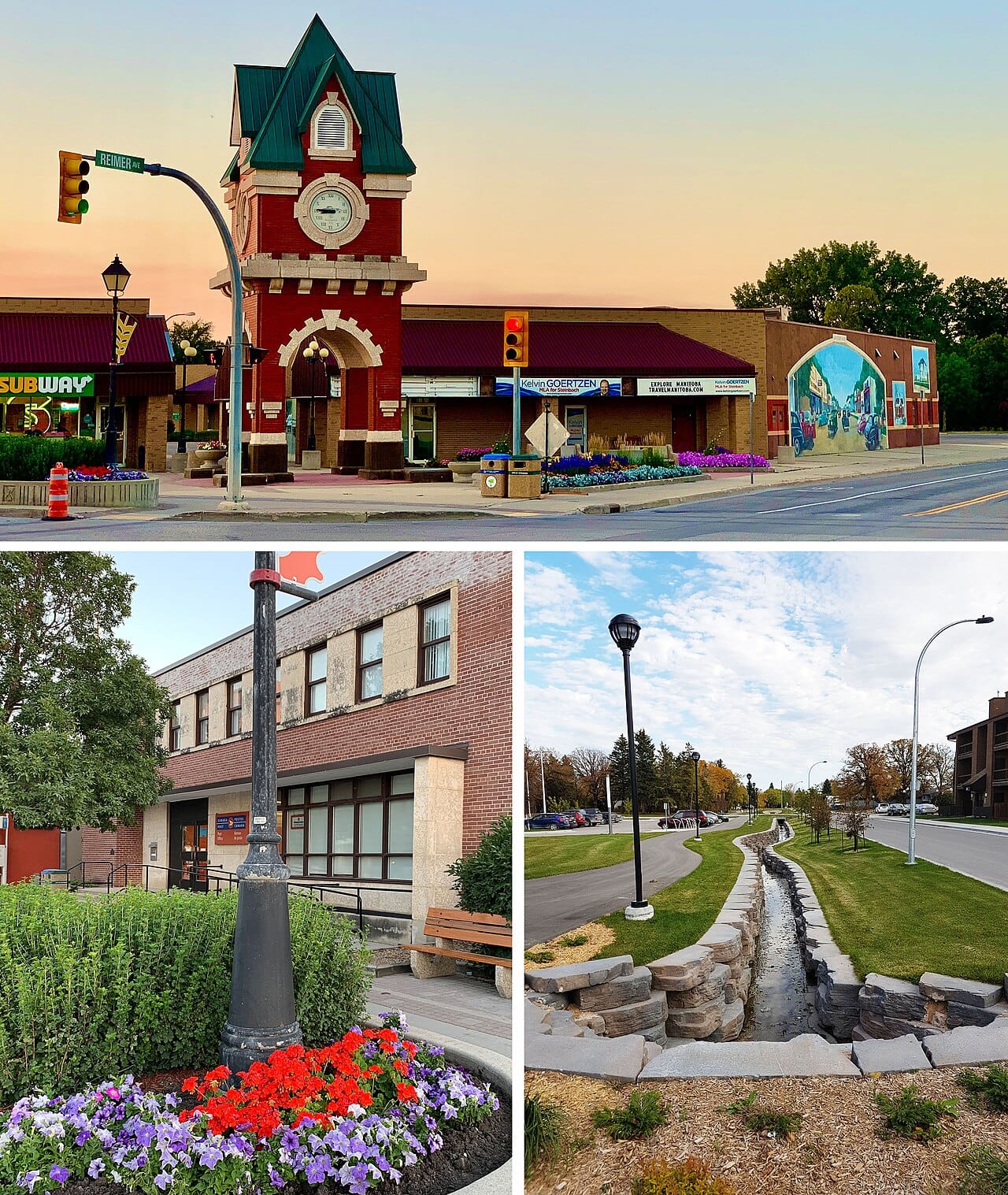
Steinbach is the third-largest city in Manitoba, about sixty kilometres southeast of Winnipeg, with 17,806 residents at the 2021 census. Founded by Mennonite settlers from the Russian Empire in 1874, it is the commercial centre of the province's southeast and one of the fastest growing communities in Manitoba. Its character is still recognisably shaped by that founding: a strong business culture, a dense network of churches, and a heritage museum that is among the best of its kind in Canada.
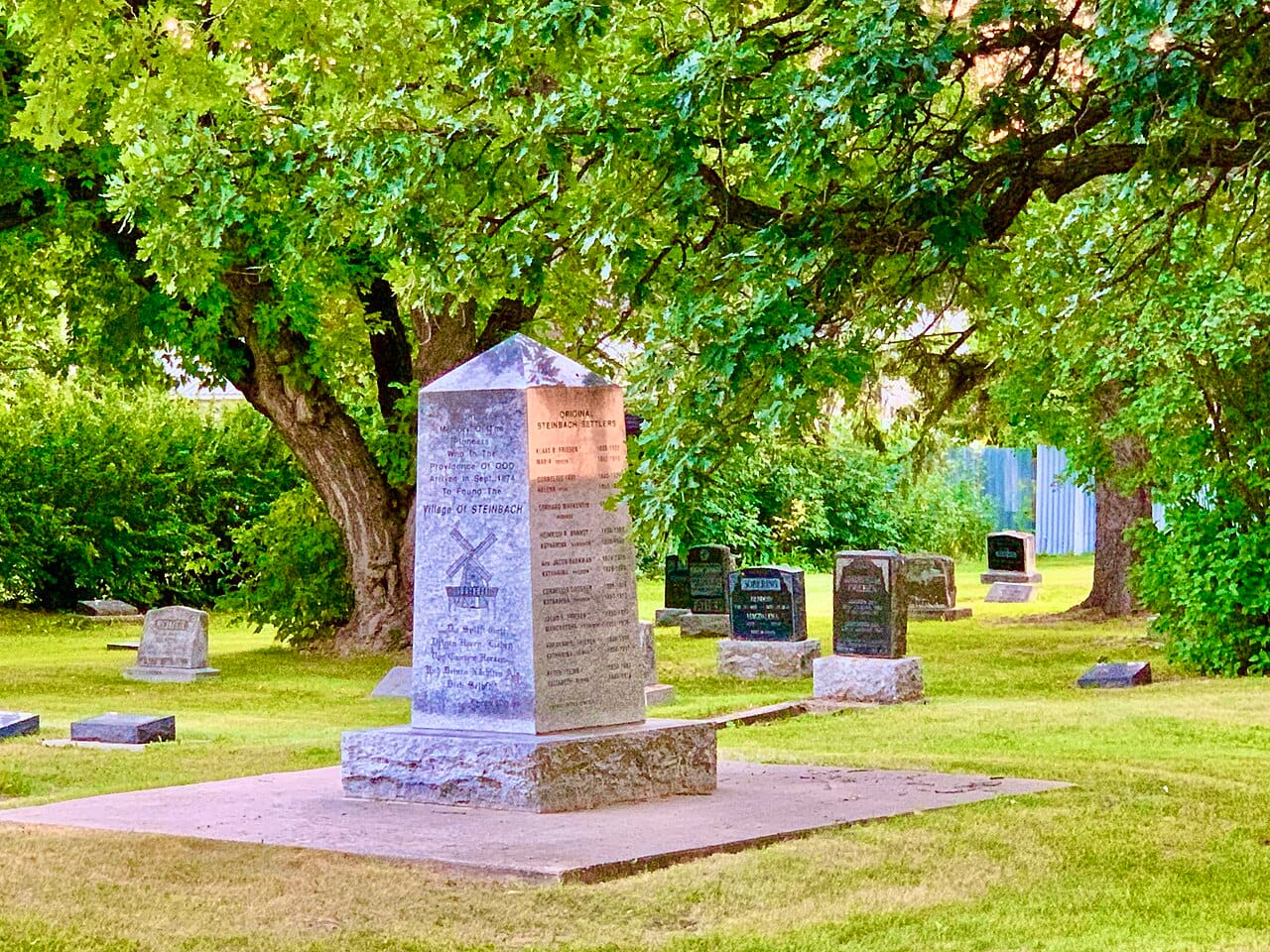
In 1874 eighteen families from the Bergthal Colony in what is now Ukraine settled the site and named it Steinbach, meaning stony brook. They were part of a larger movement of Russian Mennonites to Manitoba, drawn by a Canadian promise of land, exemption from military service, and the right to run their own German-language schools.
The settlers laid out a traditional street village, or Strassendorf, with houses along a single road and farmland behind, an arrangement carried directly from the steppe. Traces of that plan survive in the older part of town.
The promises that brought them were not all kept. Manitoba's move to English-only public schooling in the early twentieth century prompted a substantial emigration of more conservative Mennonites to Mexico and Paraguay in the 1920s. Those who remained stayed and adapted, and Steinbach is a product of that decision.
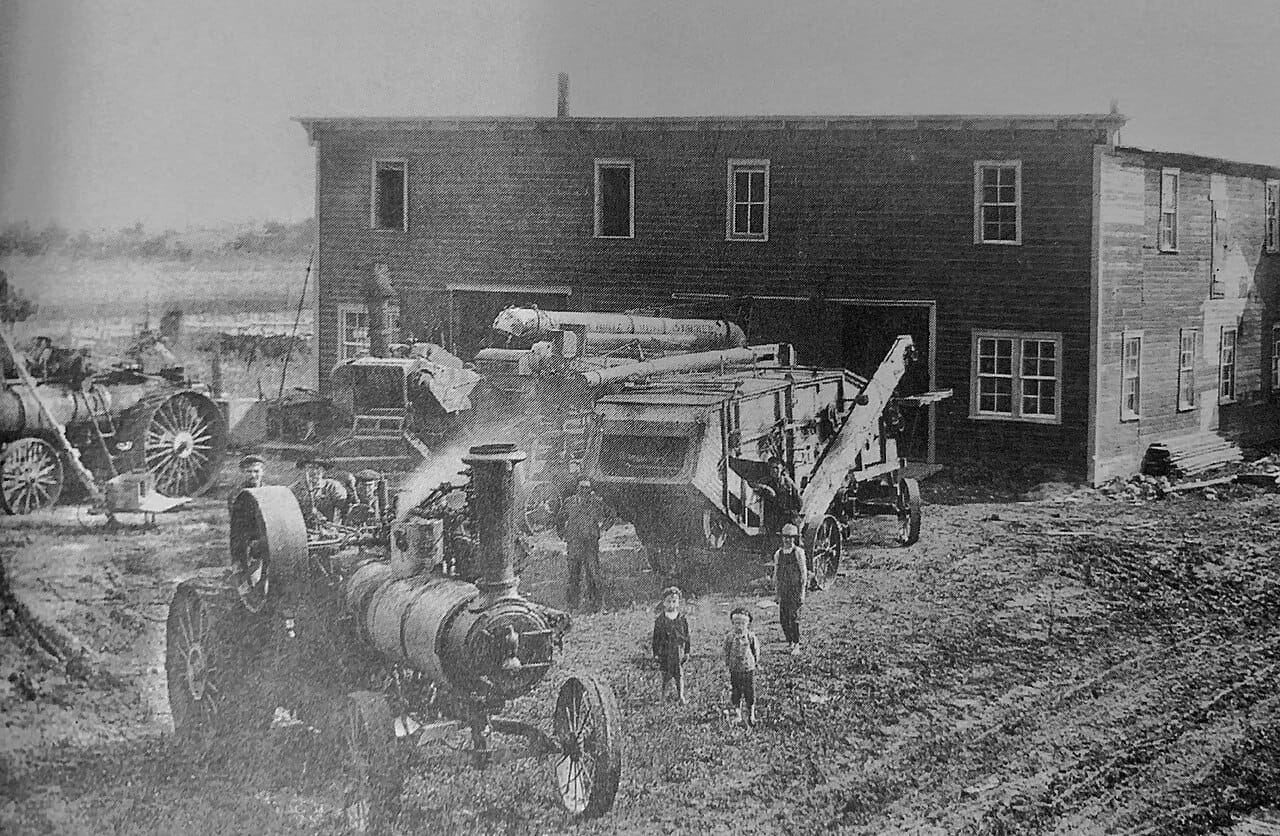
Steinbach's economy shifted early from farming itself to serving farmers. Implement dealerships, garages and trade businesses multiplied, and by the mid twentieth century the town had a reputation across the prairies for automobile retail out of proportion to its size, earning it the nickname the Automobile City.
That commercial instinct persists. The city's retail draw extends far beyond its own population, pulling shoppers from a wide rural catchment.
Steinbach sits on flat, stone-strewn land east of the Red River valley, on the edge of the sandy soils and mixed woodland that run toward the Sandilands Provincial Forest. The area is drier and less flood-prone than the Red River valley to the west, which is one reason the original settlement succeeded.
Steinbach is governed by a mayor and six councillors. It was incorporated as a village in 1946, a town in 1947, and a city in 1997.
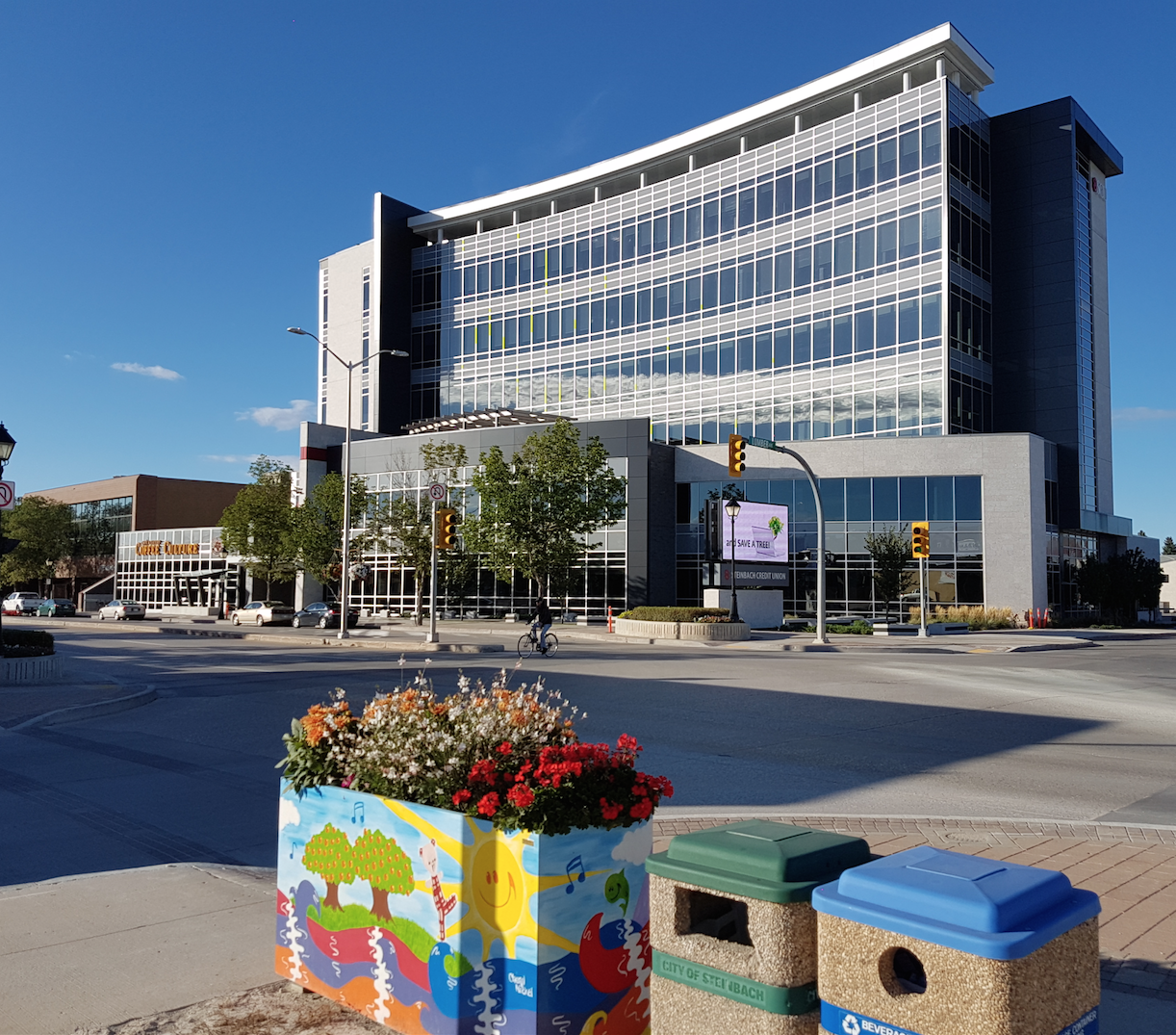
Manufacturing, retail and agriculture-related services dominate. The city has a notably high rate of business formation and a large number of locally owned firms, a pattern often attributed to the Mennonite tradition of mutual aid and cooperative enterprise. Credit unions have a particularly strong presence.
Steinbach also functions as the service centre for the southeast: health care, professional services and trades draw on a rural catchment much larger than the city itself.
The city is served by the Hanover School Division, one of the larger rural divisions in Manitoba, along with several private and church-affiliated schools. Steinbach Bible College, founded in 1936, trains for ministry and Christian service.

Steinbach's public life is shaped by its churches, which are numerous, active, and central to civic and social organisation in a way uncommon elsewhere in the province.
That conservatism has been tested publicly. The city did not permit alcohol sales until a 2003 plebiscite, having rejected the question repeatedly before. The first Steinbach Pride march in 2016 drew several thousand people, far more than organisers anticipated, and became a national story about generational change in a religious community. Both the march and the opposition to it were substantial, and both have continued.
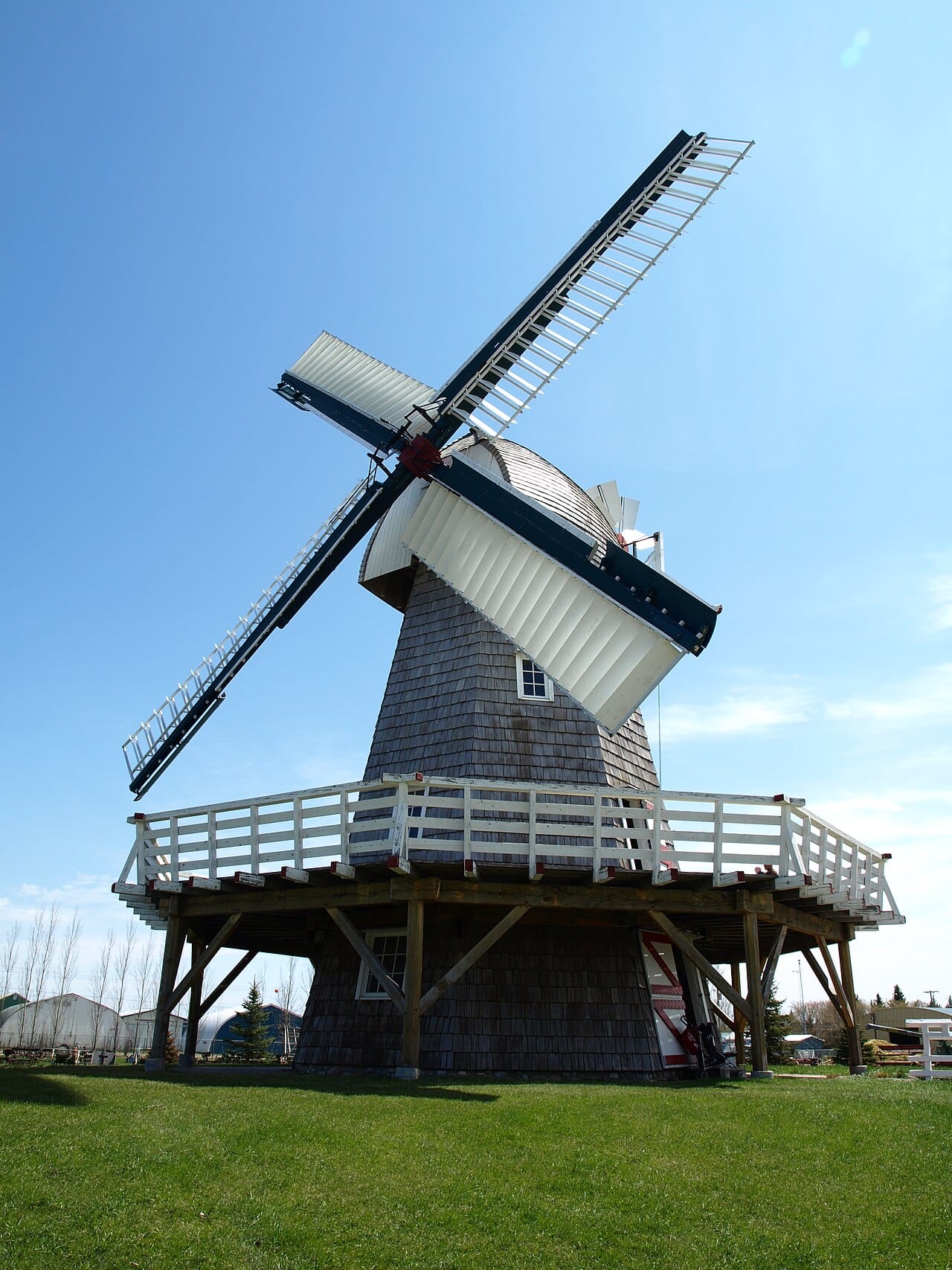
The Mennonite Heritage Village, a forty-acre open-air museum with a working windmill, is the largest Mennonite museum in Canada and the principal record of the settlement's material history.
The 2021 census recorded 17,806 residents, an increase of 11.1 per cent over 2016, making Steinbach one of the fastest growing cities in Manitoba. Much of that growth has come from immigration, particularly from Germany, the Philippines and Latin America, including returning descendants of the Mennonites who left for Mexico and Paraguay a century ago.