Atomic theory is the idea that all matter is made up of tiny particles called atoms. It is one of the most important and successful ideas in all of science, explaining the nature of the materials around us and forming the basis of modern chemistry and physics.
An atom is an incredibly small particle, far too tiny to see even with an ordinary microscope. Each has a dense central nucleus made of protons and neutrons, surrounded by a cloud of much smaller, faster electrons. Almost all of an atom's mass is in the nucleus, while almost all of its volume is the nearly empty space where the electrons move.
The number of protons in the nucleus determines which chemical element the atom is, whether hydrogen, oxygen, gold, or any other. Change that number and you change the element itself. The staggering variety of substances in the world arises from different arrangements of only about a hundred kinds of atom.
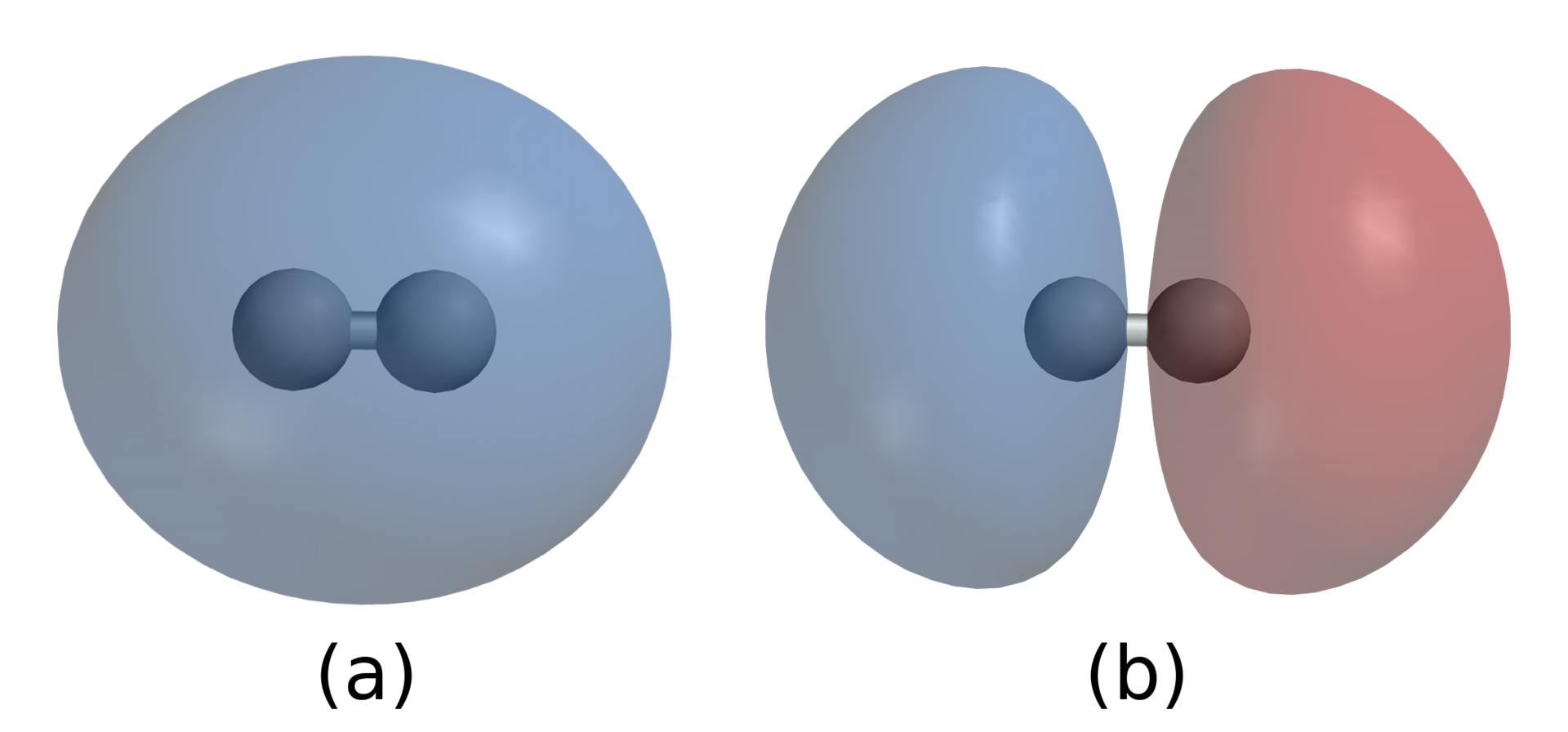
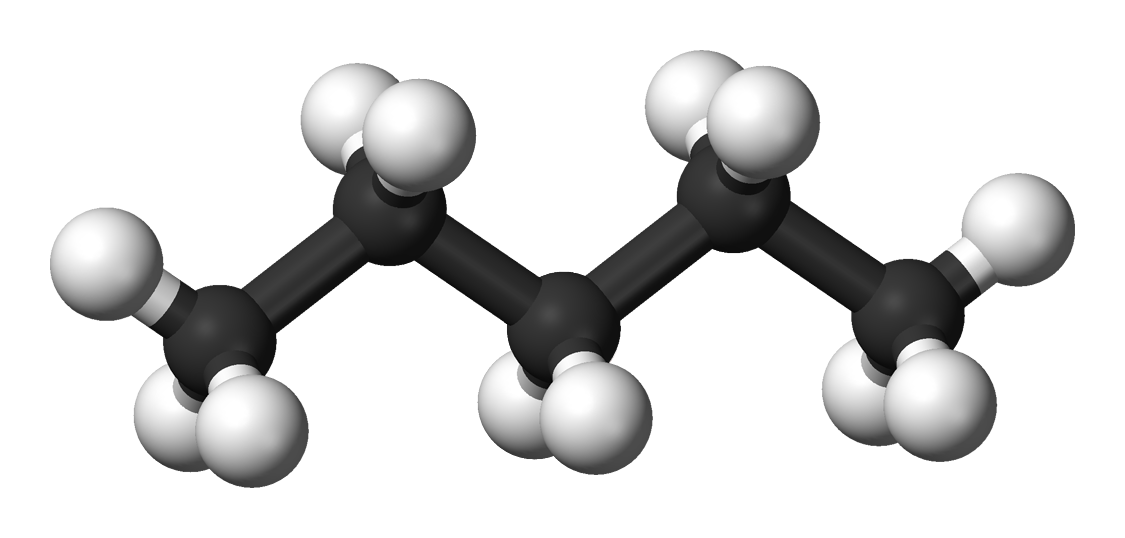
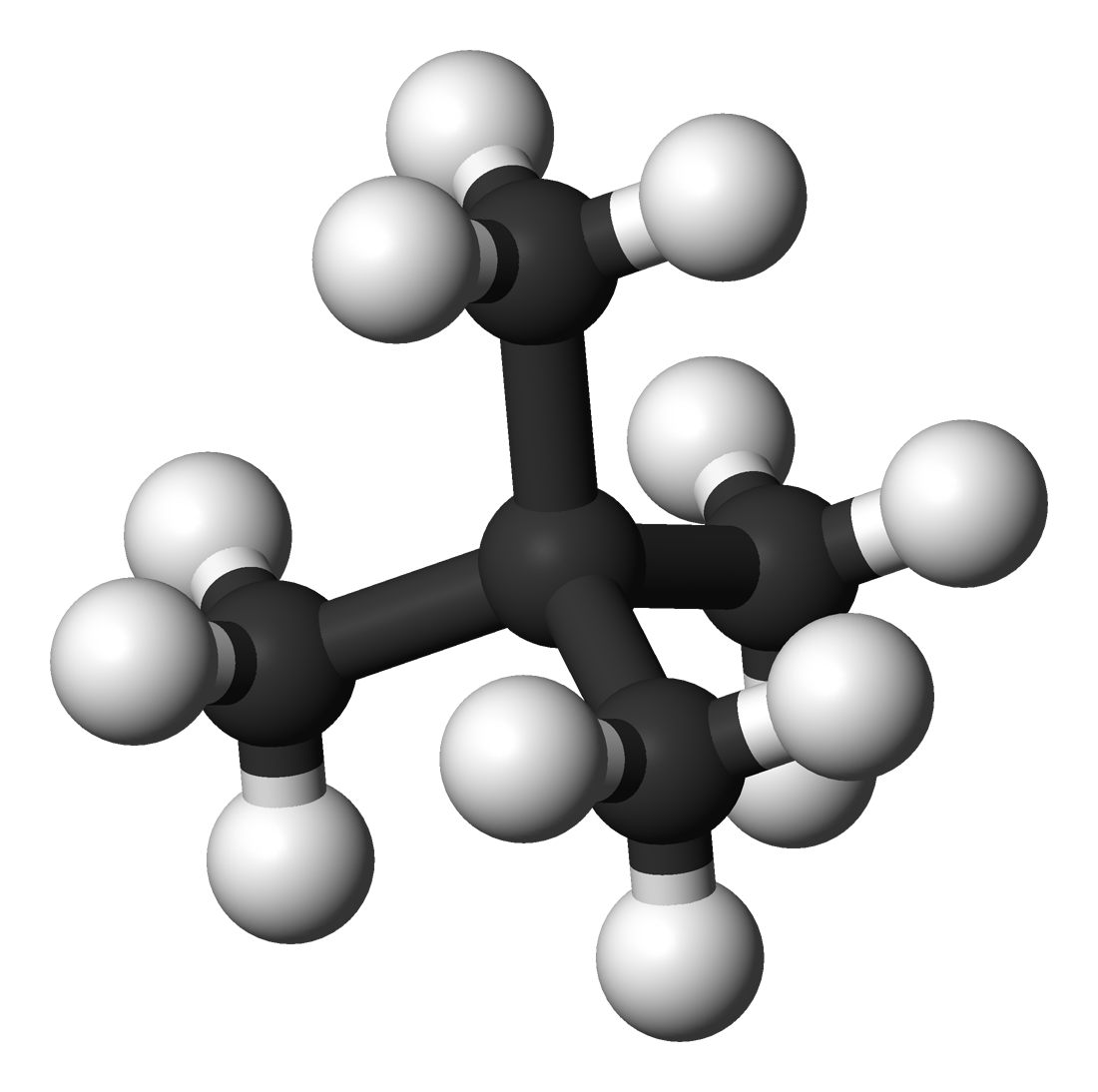
Atoms rarely sit alone. They join together in fixed ratios to form molecules and compounds, sharing or trading electrons to bond. Two hydrogen atoms and one oxygen atom make water; the same atoms in other arrangements make entirely different substances. Chemistry is, at heart, the study of how atoms combine and rearrange.
The idea that matter is made of indivisible particles goes back to ancient Greek thinkers such as Democritus, who called them atomos, meaning "uncuttable." But it remained pure philosophical speculation, with no evidence, and rival ideas held that matter was continuous and endlessly divisible.
In the early nineteenth century the English chemist John Dalton turned the old idea into a testable scientific theory. He showed that chemical elements combine in simple, consistent proportions, exactly as expected if each element were made of identical atoms with a characteristic weight. For the first time, atoms explained hard measurements.
Over the following century, experiments revealed that atoms are not indivisible after all. The discovery of the electron, then the nucleus, then the proton and neutron showed that atoms have internal structure. Far from weakening atomic theory, these discoveries deepened it and opened the door to nuclear physics.
At the scale of the atom, the familiar rules of physics break down and the strange laws of quantum mechanics take over. Electrons do not orbit like tiny planets but exist in fuzzy clouds of probability around the nucleus. This quantum picture explains how atoms bond, why materials have the properties they do, and how light interacts with matter.
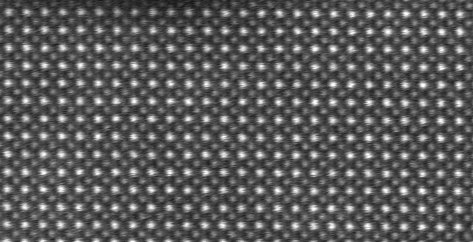
Today we can even image individual atoms with special microscopes and nudge them one by one. Atomic theory underlies our understanding of chemical reactions, materials, electronics, and nuclear energy. From the medicines we take to the chips in our phones, it is one of the true cornerstones of modern science and technology.