An arc flash is a high-energy electrical fault that produces an explosive release of heat, light, and pressure when a phase-to-phase or phase-to-ground short occurs in equipment energized above roughly 240 V. Incident-energy calculations under IEEE 1584 determine the minimum personal protective equipment rating required for a given task — typically a category 2 to 4 arc-rated suit, balaclava, and face shield. Engineering controls (current-limiting fuses, arc-resistant switchgear, remote racking) reduce both probability and severity. Documented compliance with NFPA 70E has measurably lowered injury rates in jurisdictions that enforce it.
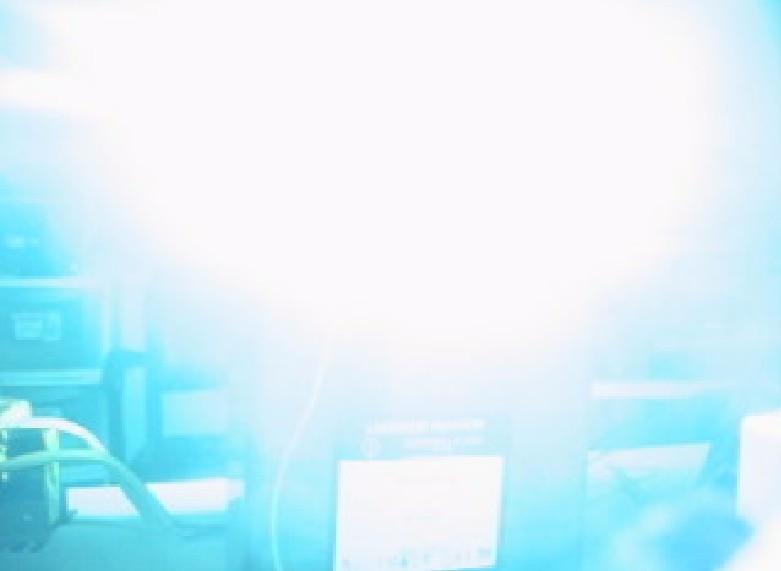
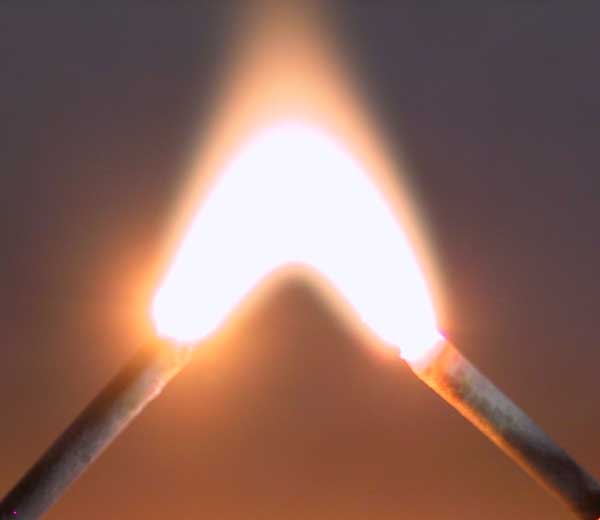
A controlled arc-flash, produced in a flashtube. Even though the energy level used is fairly low (85 joules), the low-impedance, low-inductance circuit produces a flash of 24,000,000 watts. With an arc temperature of 17,000 K (16,700 °C), the radiation output is centered at 170 nanometers, in the far UV. The intense burst of radiation easily penetrates the shade #10 welding filter which shields the camera. Credit: Zaereth (talk) 00:35, 24 January 2009 (UTC) (Public domain).
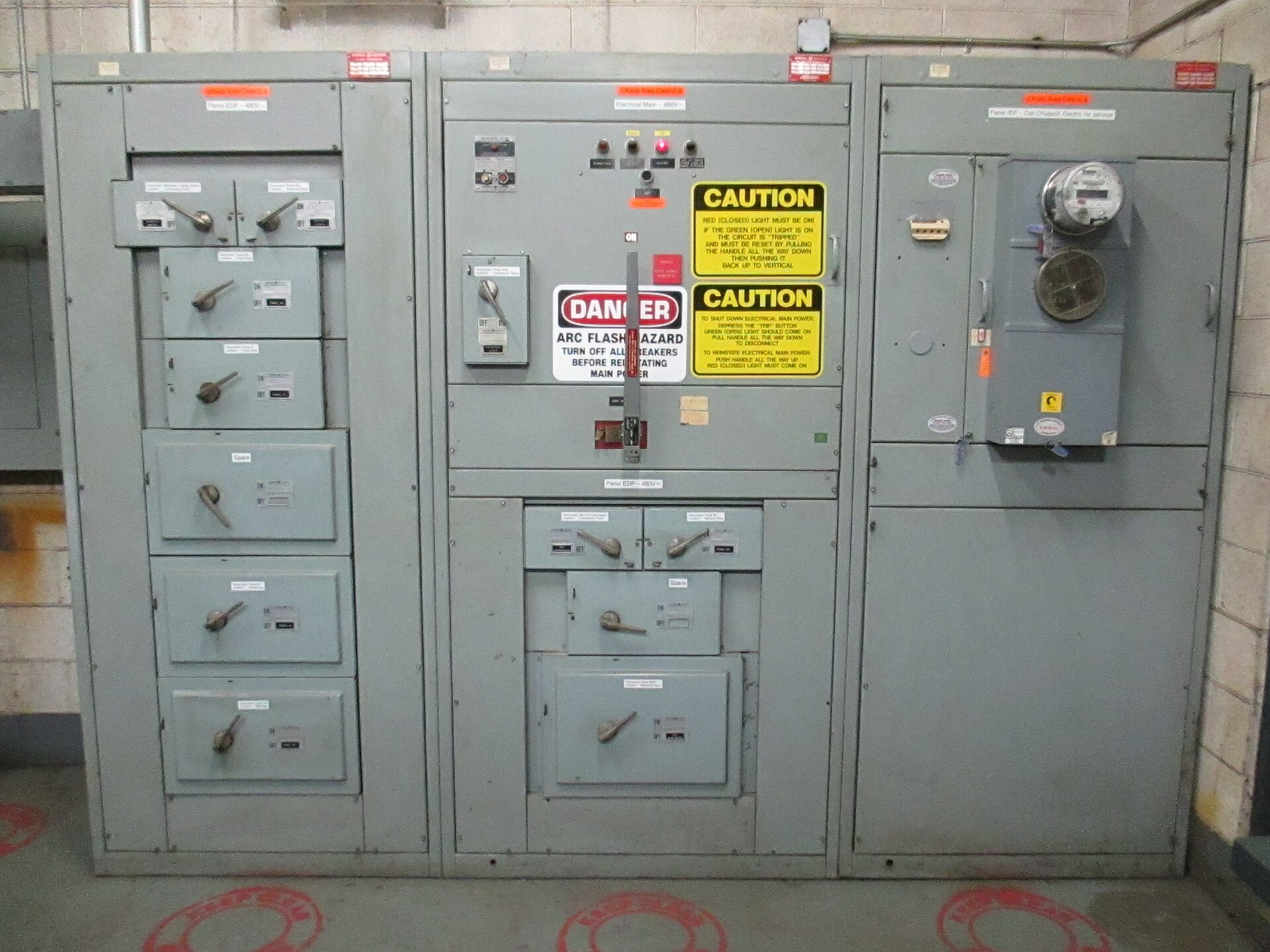
A 480 volt switchgear and distribution panel, requiring category-4 arc-flash protection Credit: Zaereth (CC BY-SA 4.0).