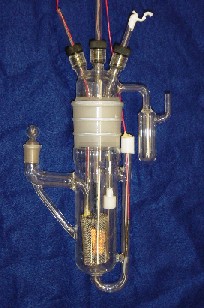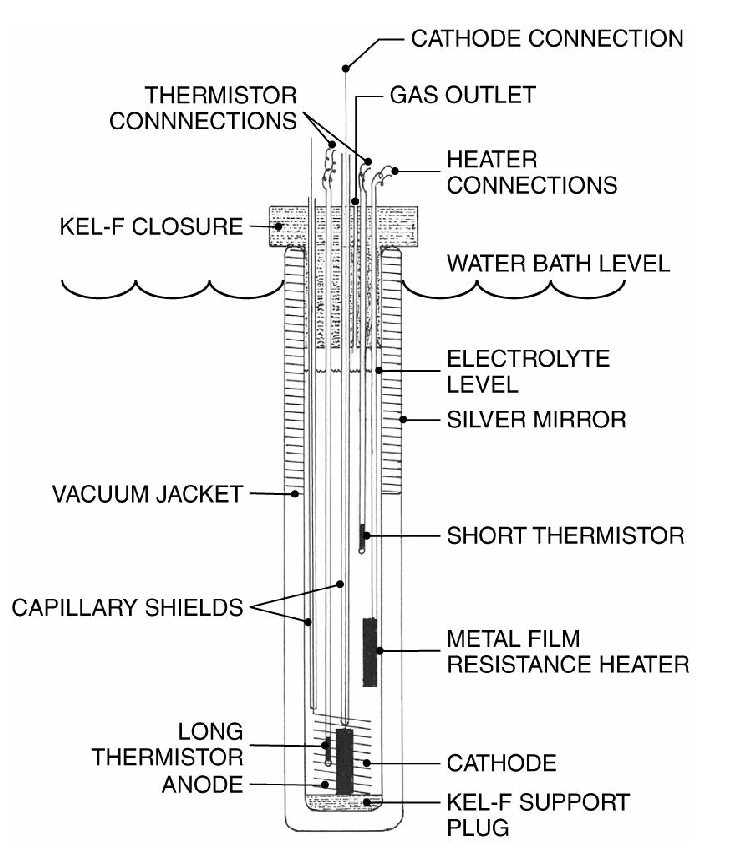
The 1989 Fleischmann-Pons announcement claimed that palladium electrodes immersed in heavy water produced excess heat consistent with deuterium-deuterium fusion at room temperature. Within months, multiple high-profile attempts at independent replication — including dedicated efforts at Caltech, MIT, and Harwell — failed to reproduce the excess heat or detect the expected neutron flux. Subsequent reviews attributed the original signal to calibration errors and contamination. The claim is considered debunked by mainstream physics, though a small fringe community continues low-energy nuclear reaction research under different framings.