


Palestine
The State of Palestine is a state in the Middle East recognised by a majority of the world's countries and holding non-member observer status at the…
Most recent activity
Verified facts and proven results
Hypotheses under investigation and ideas still debated
Claims the evidence overturned
Well-substantiated explanations of how things work

Every capsule
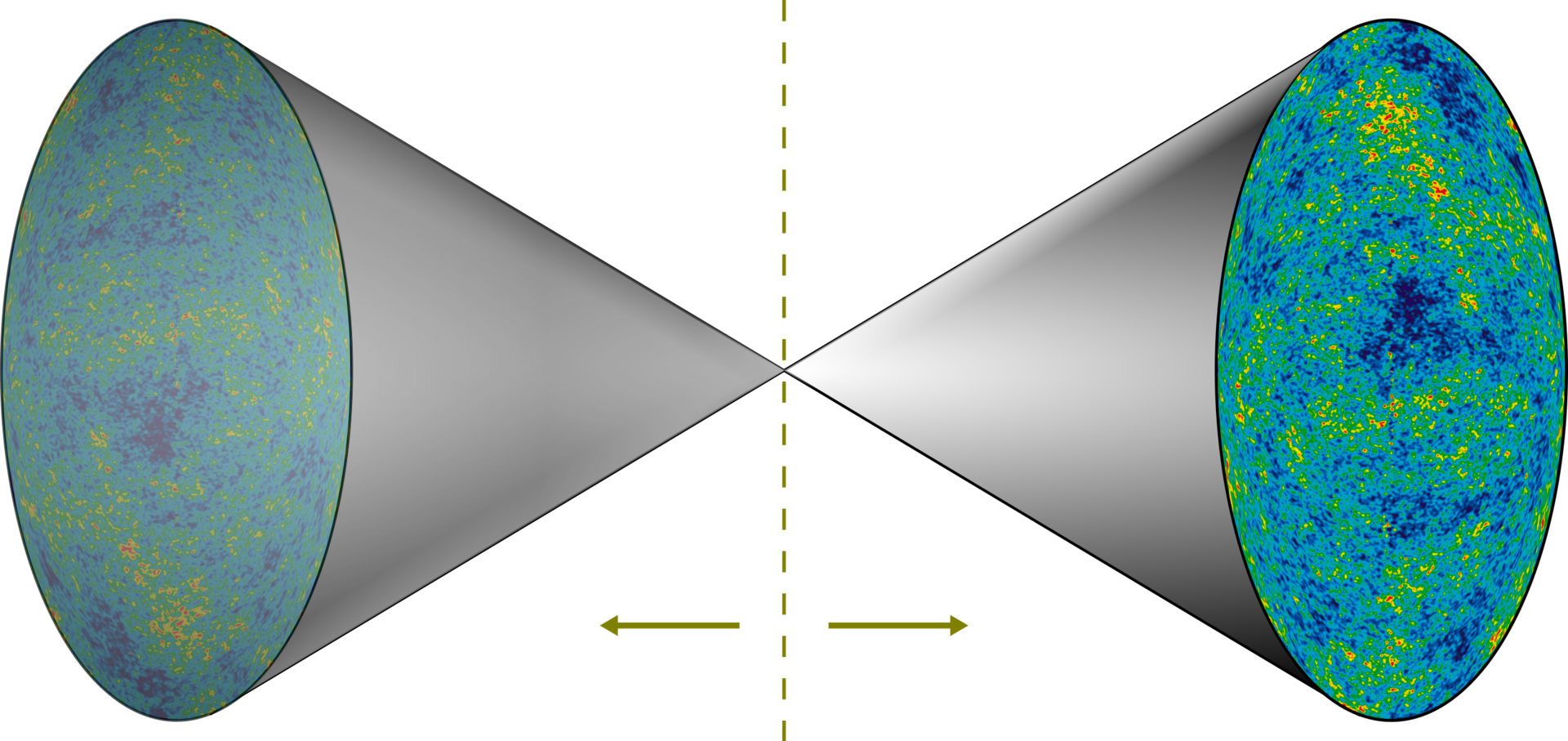
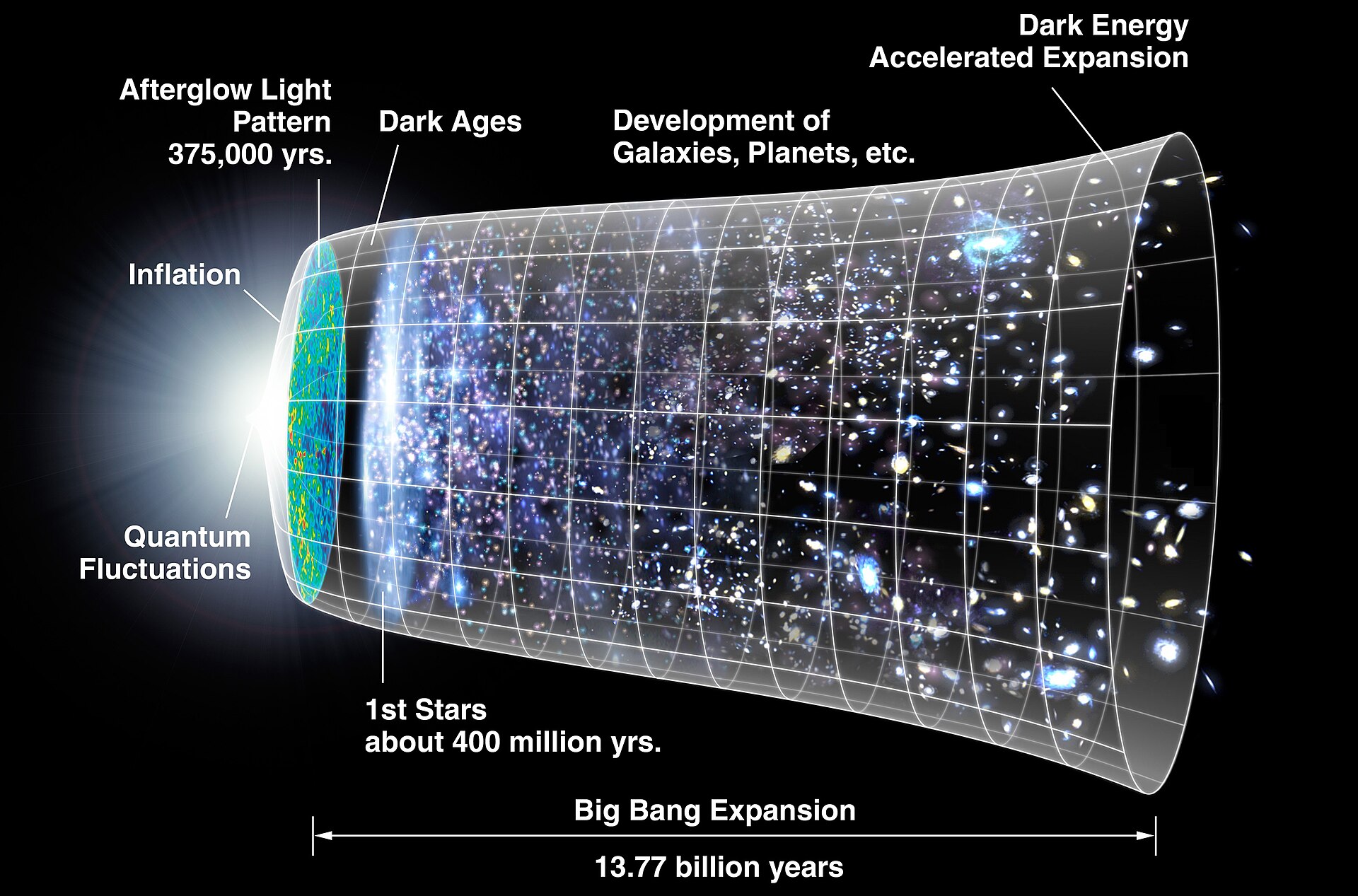
Cosmic inflation is the hypothesis that, in the first tiny fraction of a second after the Big Bang, the universe expanded at an almost unimaginable…
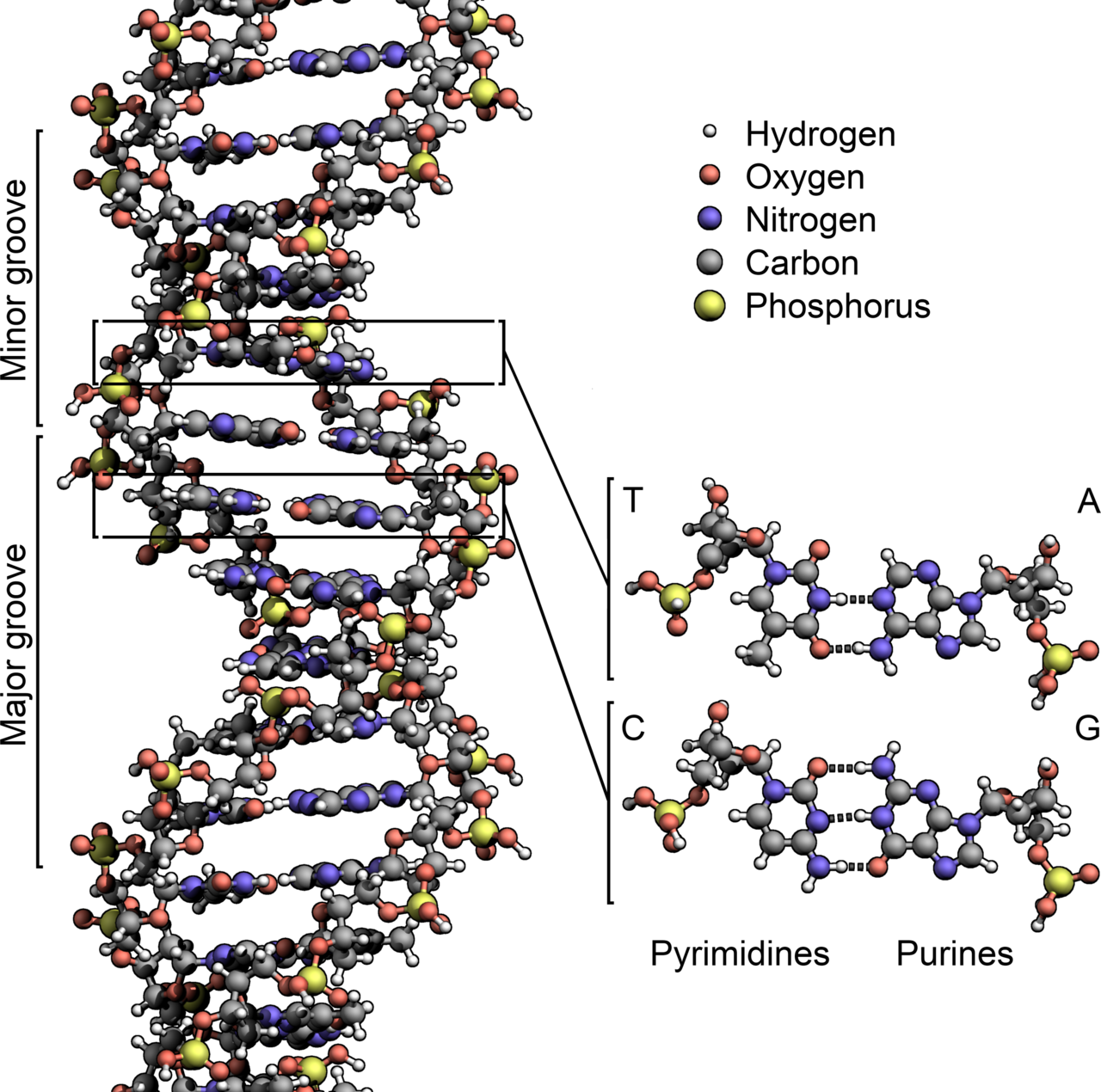
Crystallography is the science of crystals: how their atoms are arranged in orderly, repeating patterns, and how that hidden order gives crystals…
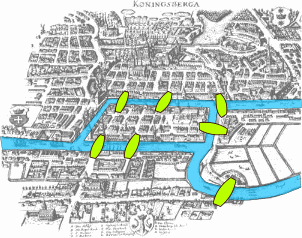
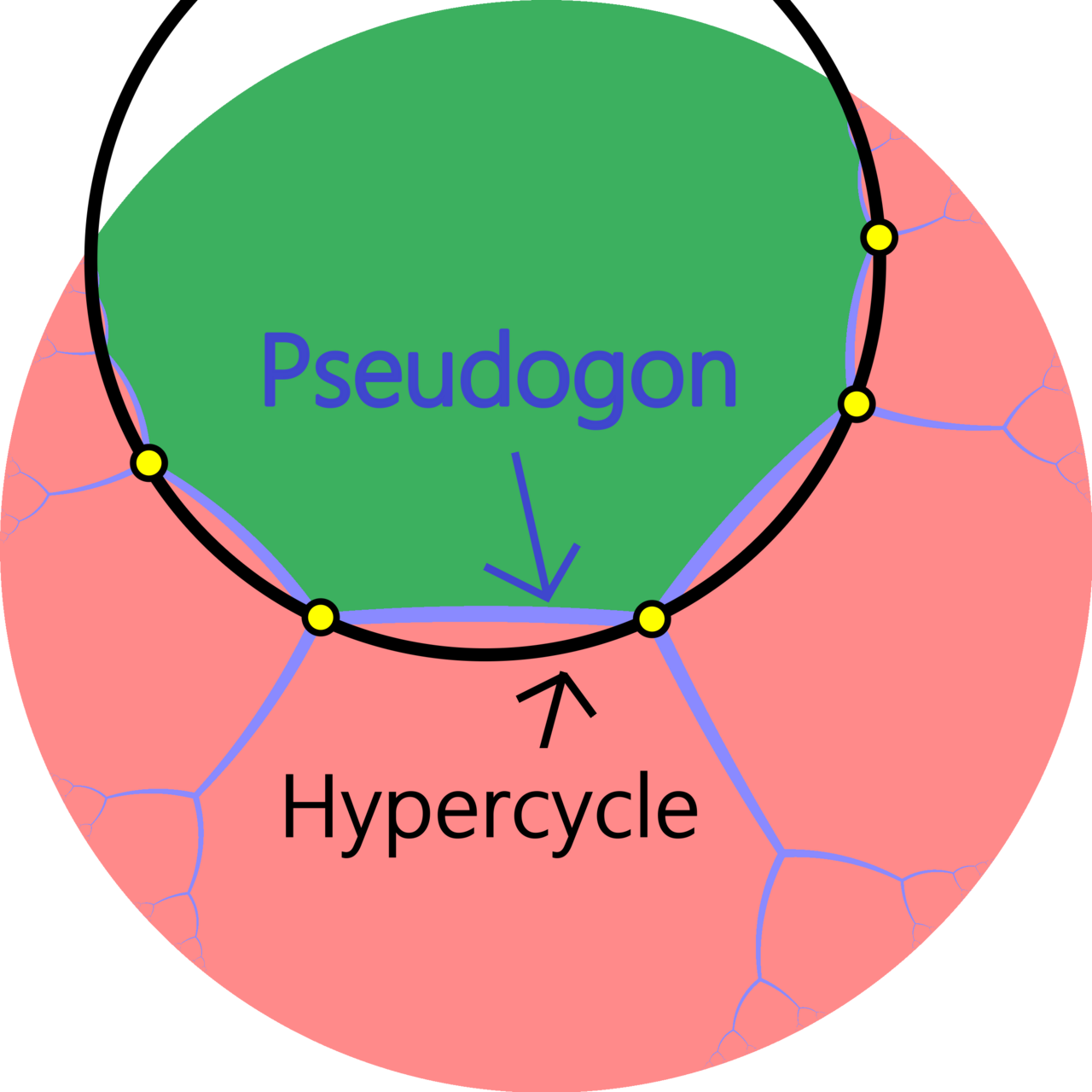
Topology is the branch of mathematics that studies the properties of shapes that survive stretching, bending, and twisting, but not tearing or…
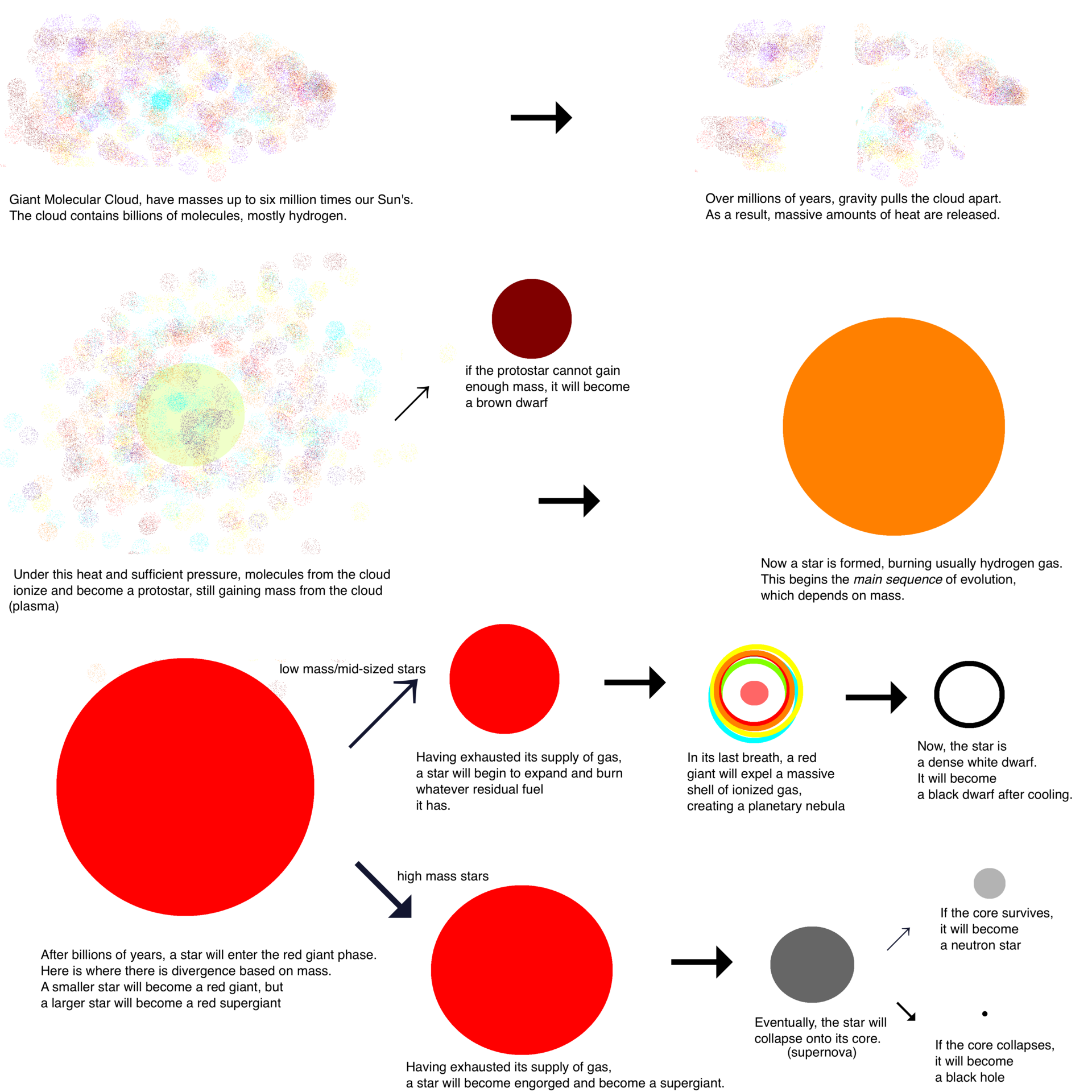
Stellar evolution is the scientific account of how stars are born, live, and die over millions or billions of years. Though no one can watch a single…
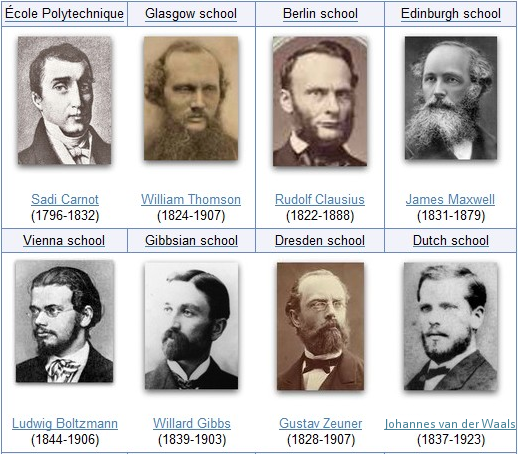
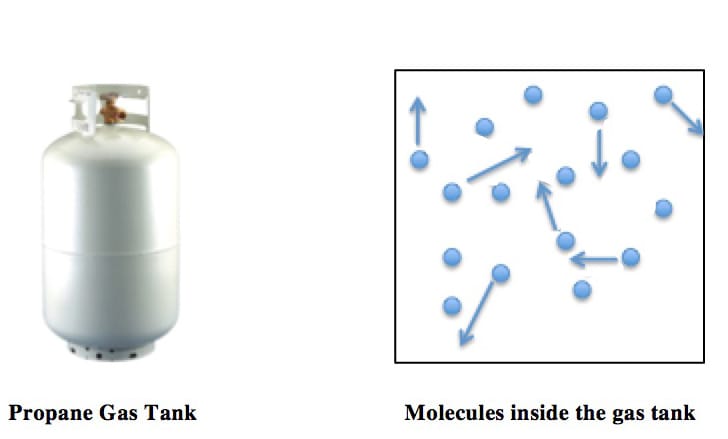
The kinetic theory of gases explains the behaviour of gases as the result of countless tiny particles, atoms and molecules, in constant, rapid,…
Set theory is the branch of mathematics that studies collections of objects, called sets. Though it begins with an idea as simple as grouping things…
Graph theory is the branch of mathematics that studies networks of connected objects. A graph is simply a collection of points, called vertices,…
The theory of computation is the branch of mathematics and computer science that asks what problems can be solved by computation, and how…
The steady state theory was a model of the universe, popular in the mid twentieth century, which held that the universe has always looked roughly the…
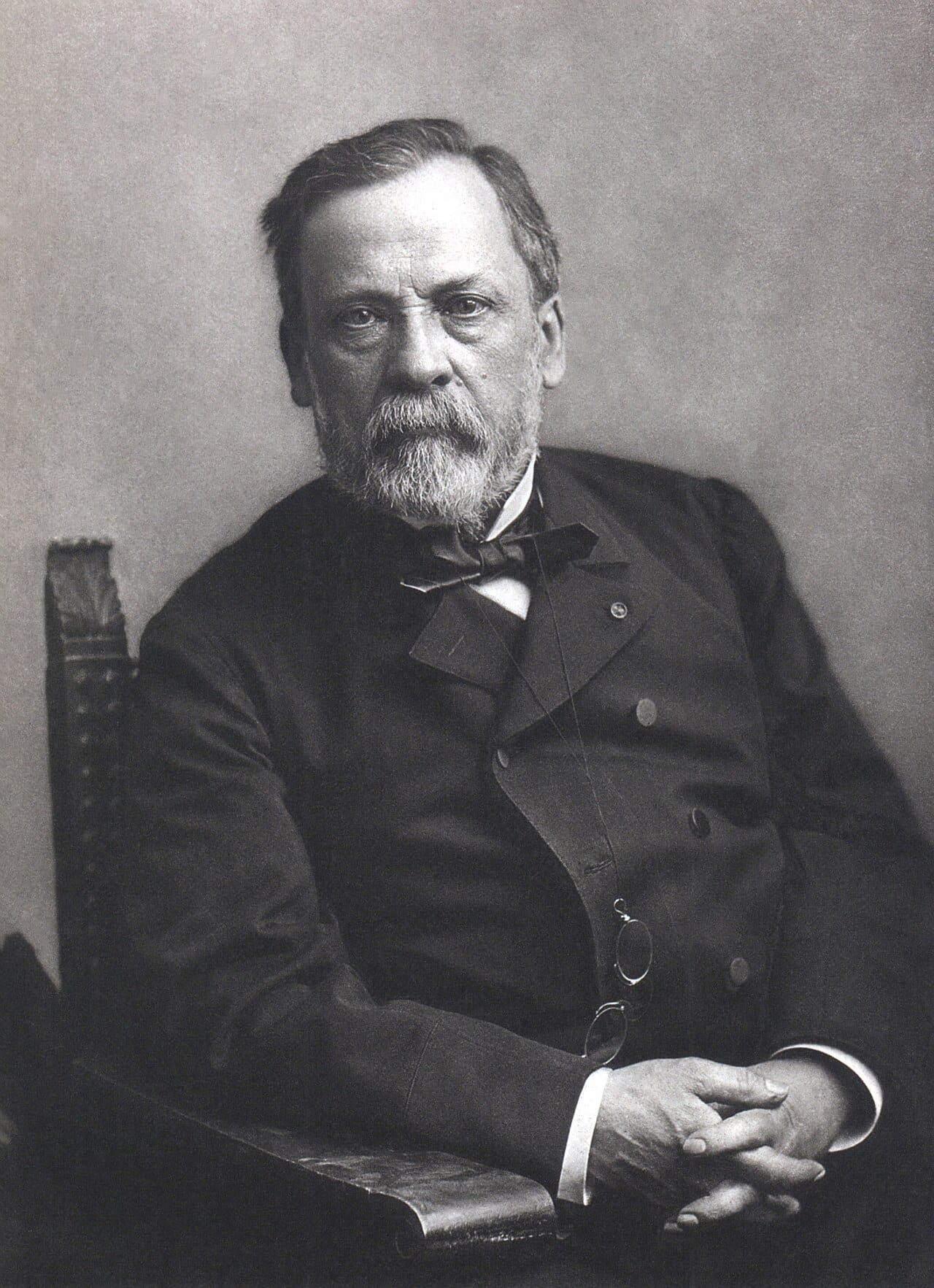
Vitalism was the long held belief that living things contain a special, non physical "vital force" or "life energy" that animates them and that…
The caloric theory was an explanation of heat, widely accepted into the early nineteenth century, which held that heat is an invisible, weightless…
Why living things grow old and eventually die is one of biology's deep and contested questions. Ageing is nearly universal among complex animals, yet…
The Cambrian explosion was a remarkable burst of evolution, beginning around 540 million years ago, when most of the major groups of animals appeared…
How human language first arose is one of the hardest questions in science. That we alone among animals possess full language is clear; when, how, and…
The Coriolis effect is the apparent deflection of moving objects, such as air and water, when viewed from a rotating frame like the spinning Earth.…
The Doppler effect is the change in the observed frequency of a wave when its source and the observer move relative to each other. It is why the…
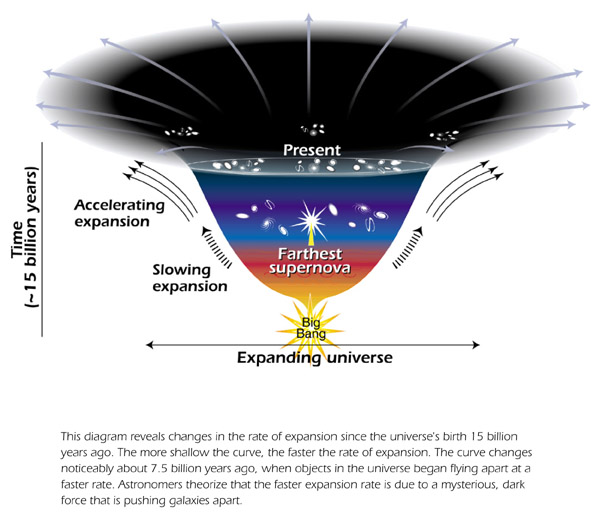
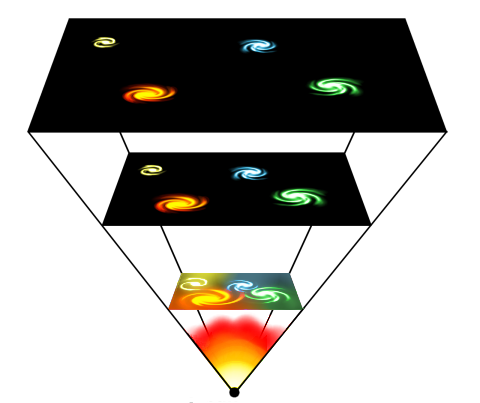
The universe is expanding: the galaxies are, on average, moving apart, and the space between them is stretching. Once a startling discovery, the…
Uniformitarianism is the foundational principle of geology: that the same natural processes we observe today, such as erosion, sedimentation, and…
Acoustics is the branch of physics that studies sound: how it is produced, how it travels as waves, and how it is heard. It bridges science and art,…
Aerodynamics is the study of how air flows around objects and the forces this creates. It is the science that explains how aircraft fly, how cars and…