The proposal that organisms do not merely adapt to environments but build them, and that the environments they build become selection pressures for their descendants. The phenomenon is obvious and undisputed. Whether it is a distinct evolutionary process is the argument.
Organisms alter their surroundings constantly and consequentially.
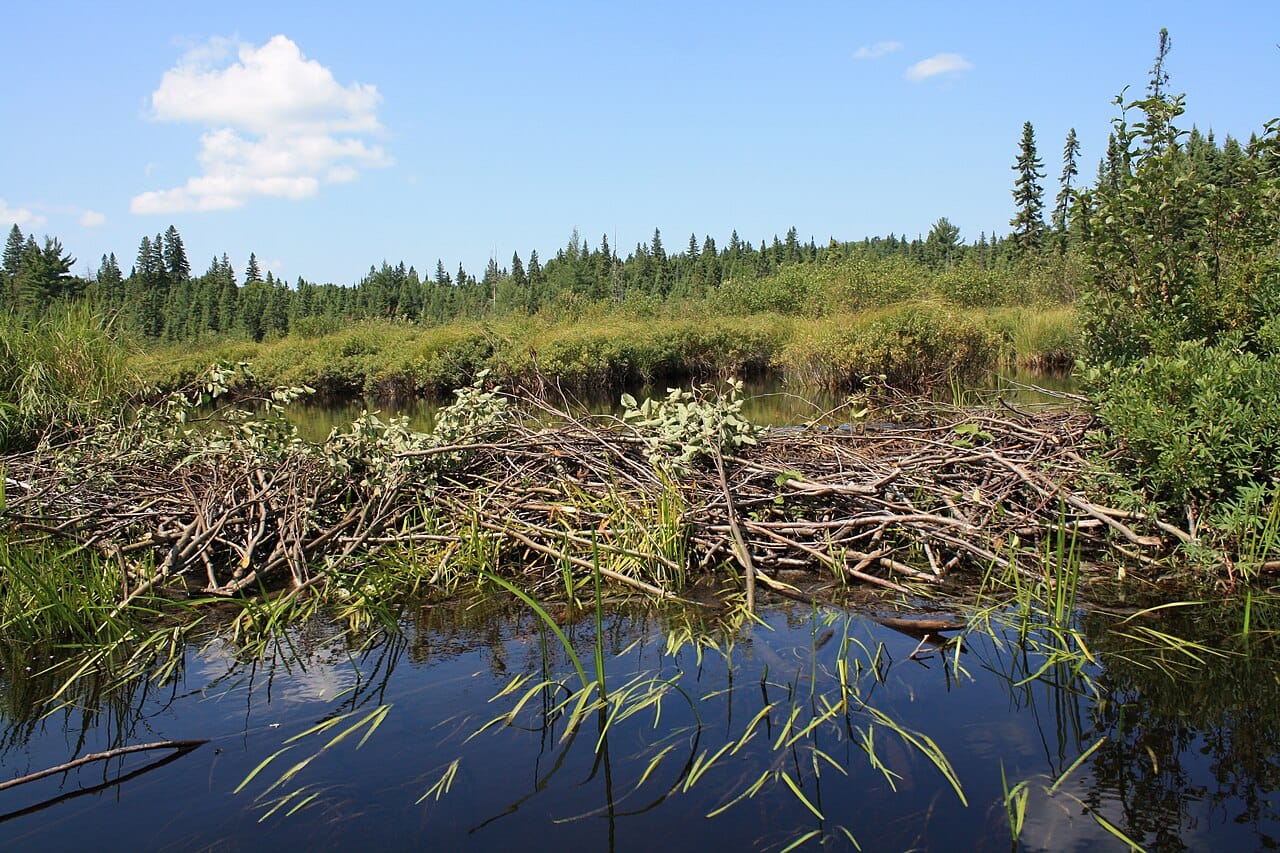
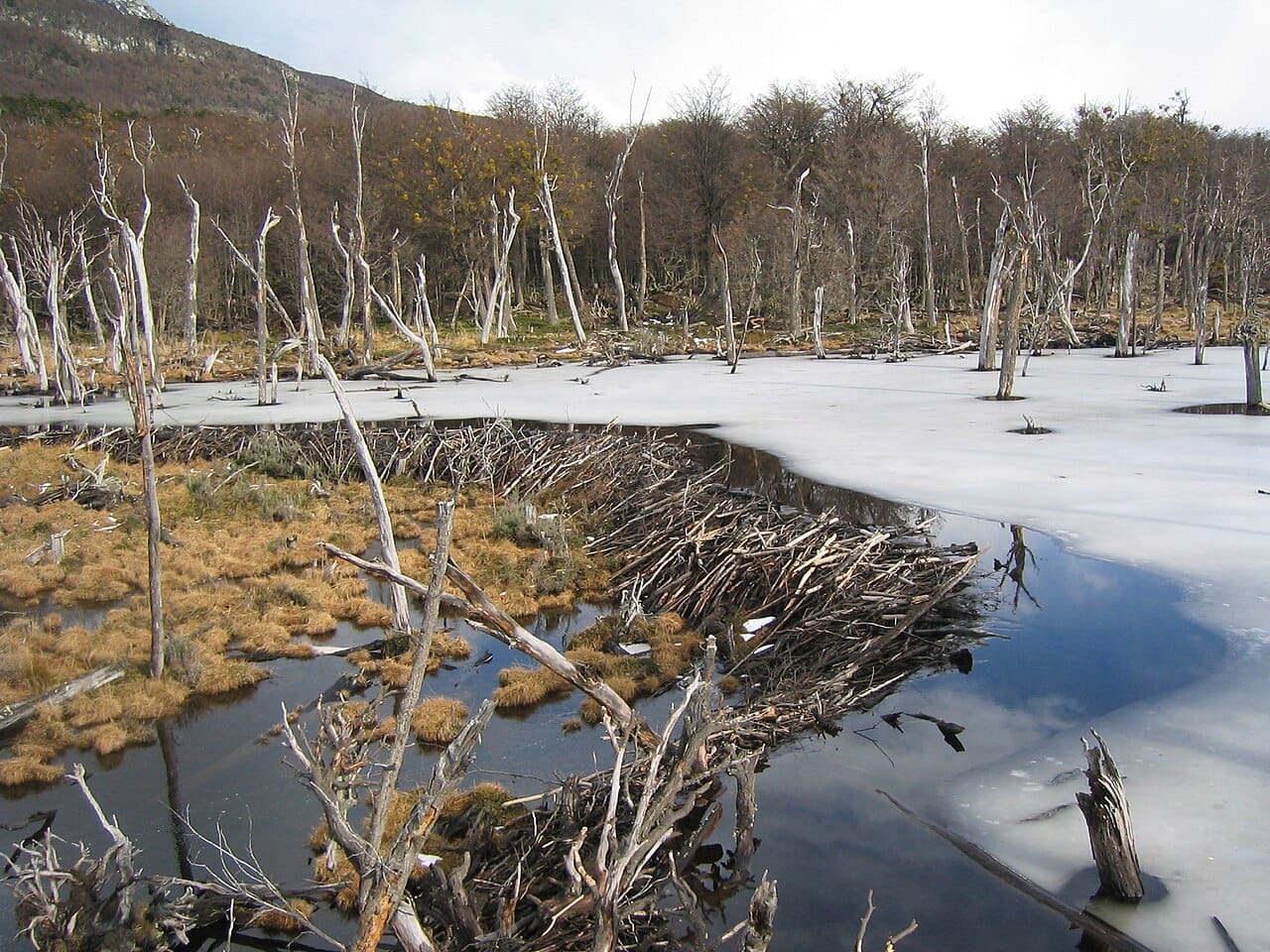
Beavers build dams, converting streams to ponds and altering hydrology, sediment, vegetation and the species composition of an area for decades. Beaver lodges and dams outlast individual beavers, so successive generations are born into an environment their ancestors made.
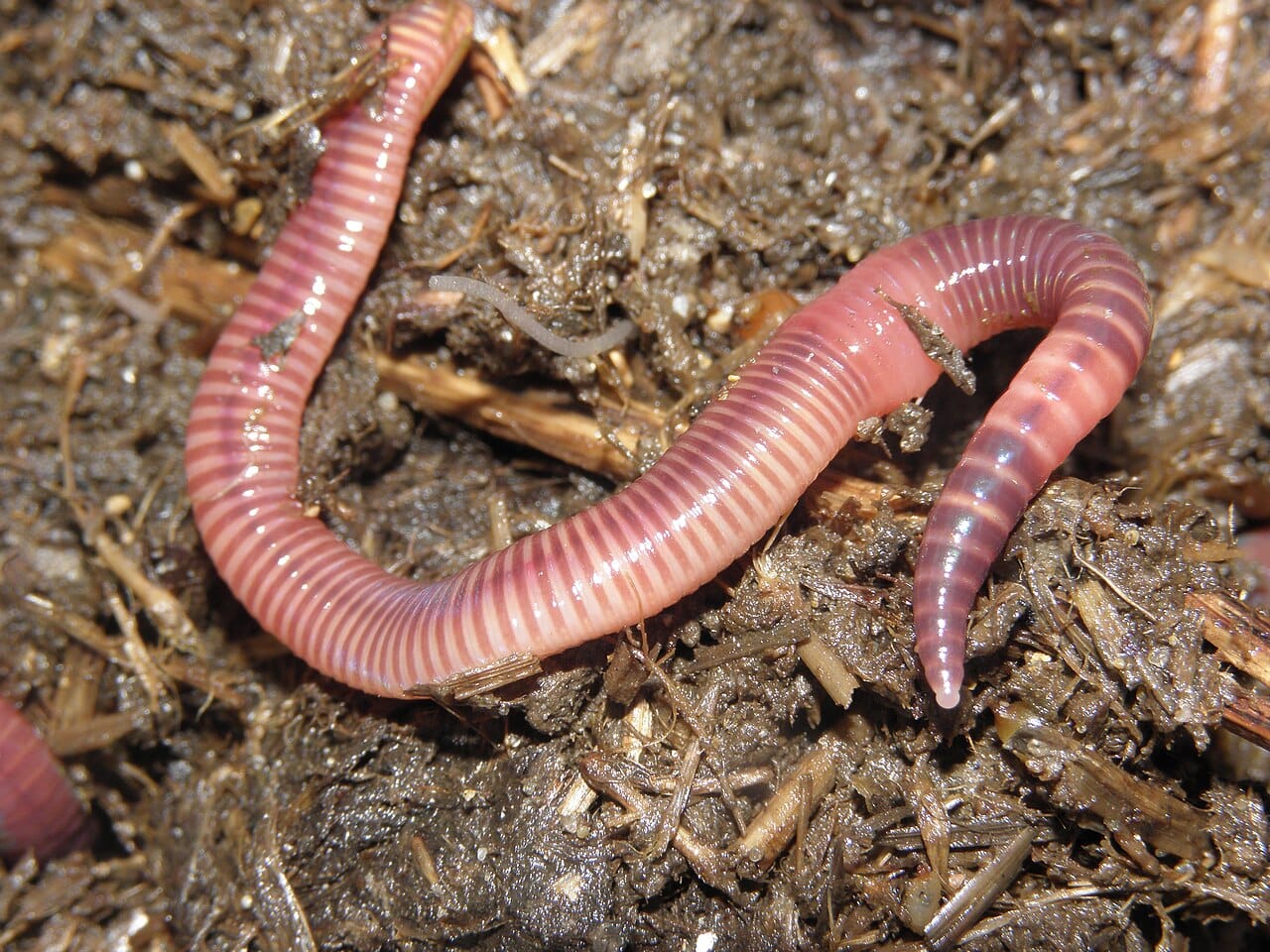
Earthworms process soil so thoroughly that they change its structure, drainage and chemistry. Darwin's last book, published in 1881, was about exactly this, and he noted that worms had altered the soil of England over long periods more than most geological processes.
Trees create shade, alter soil chemistry, and change local humidity. Corals build reefs. Cyanobacteria oxygenated the atmosphere, which is the most consequential instance in the history of life and killed most of what was living at the time.
John Odling-Smee, Kevin Laland and Marcus Feldman developed niche construction theory from the 1990s.
Their claim is not that the phenomenon exists, which nobody denies, but that it constitutes a second evolutionary process alongside natural selection.
Standard evolutionary theory treats the environment as an external condition to which populations adapt. Niche construction theory treats it as partly a product of the population, creating a feedback loop: organisms modify environments, modified environments alter selection, altered selection changes organisms, which modify environments differently.
The crucial addition is ecological inheritance. Offspring inherit genes from their parents and they also inherit a modified environment. That environment is not encoded in any genome, persists independently of the individuals that made it, and can be inherited by unrelated organisms sharing the habitat.
If accepted, this means evolution has two inheritance systems rather than one, and models omitting the second will misdescribe the dynamics.
The human case is the strongest and least disputed, and it involves a demonstrated genetic consequence.
Dairying is the clearest example. Adult humans, like other mammals, normally stop producing lactase after weaning. Populations that domesticated cattle and drank milk evolved lactase persistence, and the genetic variants responsible show strong signatures of recent selection, appearing independently in European and in several African populations.
The causal order is what matters. The cultural practice came first, and it created the selection pressure that changed the genome. This is not adaptation to a pre-existing environment; it is adaptation to an environment the population built.
Other cases follow the same pattern. Agriculture altered pathogen exposure and diet, with corresponding genetic signals including starch digestion and malaria resistance associated with cleared land and standing water. Cooking, treated in its own capsule, is a further instance.
Critics accept every example and dispute the conclusion.
The standard response is that niche construction is a form of selection pressure with an unusual source, and that population genetics handles it without modification. Selection pressures have always come partly from other organisms; that some come from the same species changes the bookkeeping and not the mathematics.
Ecological inheritance is regarded by critics as a description of environmental persistence rather than inheritance in the technical sense, since nothing is transmitted and the environment simply endures.
The stronger objection is about causal weight. Everything an organism does affects its environment to some degree, so labelling this a distinct process risks including everything and explaining nothing. Critics ask for cases where treating it as a separate process yields a prediction the standard framework does not, and argue that the lactase example is straightforwardly gene-culture coevolution, which was described and modelled before niche construction theory existed.
Independent of the theoretical dispute, the framework has produced work.
Gene-culture coevolution modelling is well developed and productive, and human evolutionary genetics uses it routinely.
Ecosystem engineering as a concept in ecology, describing species whose physical modifications structure a community, has been influential and is closely related.
Conservation applications follow: removing a species that engineers its habitat has effects far beyond the loss of that species, which is the mechanism behind several documented ecosystem collapses.
The phenomenon is real, demonstrated, and important, and the human genetic examples are among the best-evidenced cases of recent selection known.
It is filed as a hypothesis because the contested claim is theoretical rather than empirical: whether this constitutes a distinct evolutionary process requiring a restructured framework, or a well-recognised source of selection pressure that standard theory already accommodates. That question has not been settled and may not be the kind of question that gets settled by evidence.