The proposal that the history of life is punctuated by a small number of events in which independently reproducing entities combined into a larger whole that then reproduced as a unit. It imposes a shape on four billion years of history, and whether that shape is real or imposed is the argument.
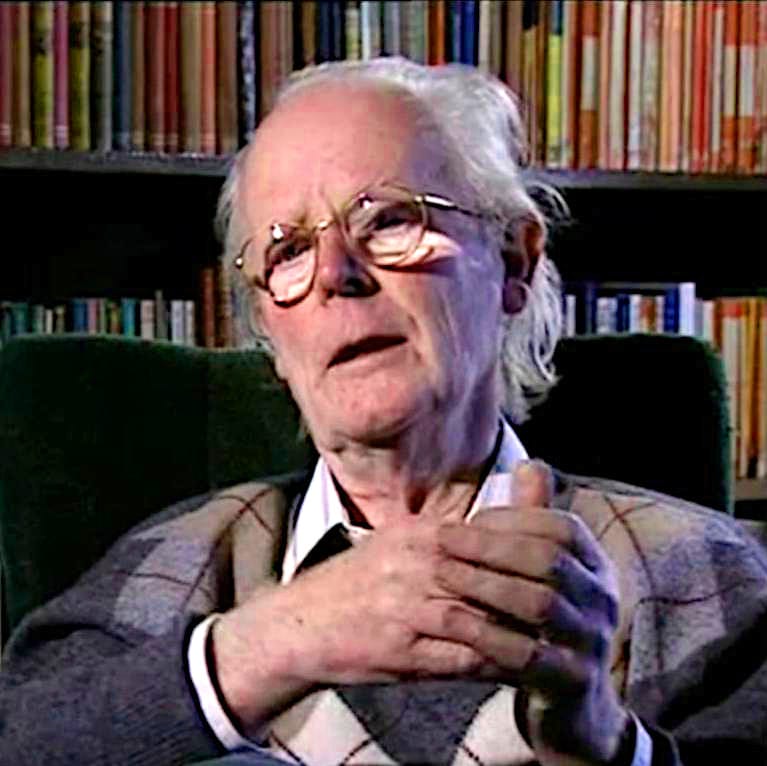
John Maynard Smith and Eors Szathmary set it out in 1995. Their claim is that a handful of events share a common structure, and that identifying it explains something general.
In each transition, entities capable of independent reproduction before the event can only reproduce as part of a larger unit afterwards. Information storage and transmission change. And a new level of selection appears.
Their list runs roughly: replicating molecules to populations enclosed in compartments; independent replicators to chromosomes; RNA as both gene and enzyme to DNA and proteins with divided roles; prokaryotic cells to eukaryotic cells; asexual clones to sexual populations; single cells to multicellular organisms; solitary individuals to colonies with sterile castes; and primate societies to human language-using societies.
The framework's real content is that every transition faces the same obstacle.
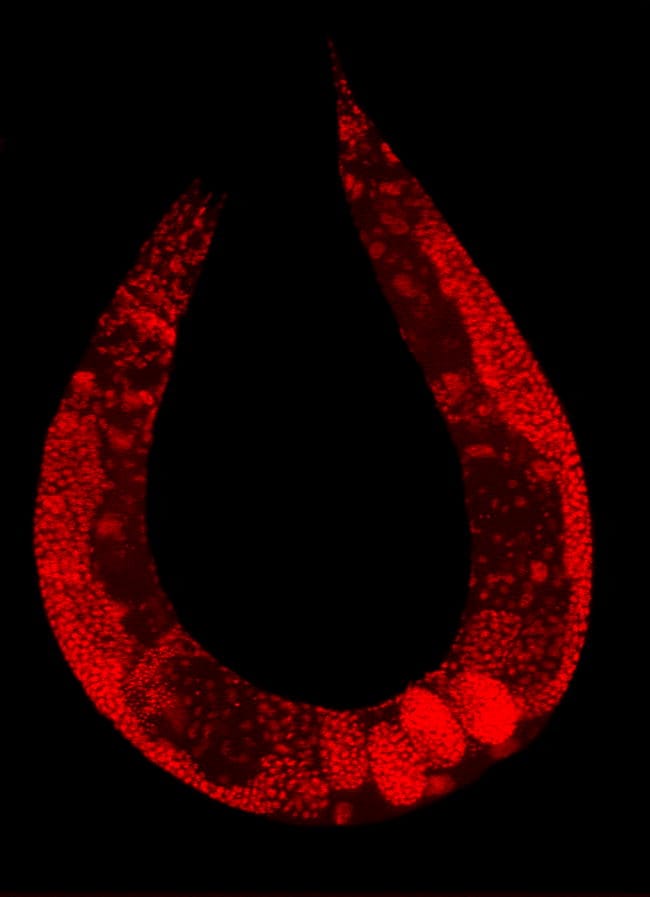
Once entities combine, each has an incentive to reproduce faster than its partners at the group's expense. A gene replicating faster than others on the same chromosome, a cell dividing faster than others in the same body, an individual reproducing rather than helping the colony: in each case selfish behaviour is favoured within the group and destroys the group.
Every transition therefore requires a mechanism suppressing competition at the lower level.
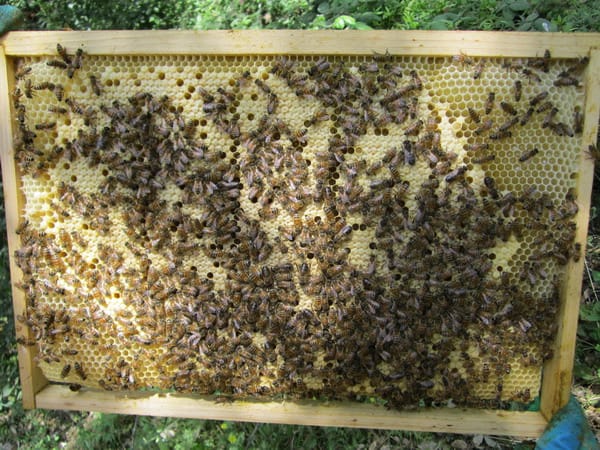
The examples are concrete. Chromosomes force genes to replicate in step, so no gene can outpace its neighbours. Fair meiosis gives every allele an equal chance of transmission, and the segregation distorters that cheat it are rare and actively suppressed. Multicellular bodies sequester a germ line early and destroy defecting cells by apoptosis, and cancer is exactly this failure. Eusocial colonies suppress worker reproduction through policing and through the relatedness structure that makes helping profitable.
Cancer as an evolutionary problem is the clearest illustration: a body is a suppressed competition among cells, and a tumour is that suppression failing.
The list is contested at almost every entry.
The transitions are heterogeneous. Combining the origin of chromosomes with the origin of human language groups events separated by billions of years, occurring at completely different scales, with nothing obviously in common beyond a shared description. Critics argue the framework achieves unity by abstraction rather than by identifying a real process.
Human language does not fit the definition. Individual humans reproduce independently, so the criterion the framework rests on is not met, and its inclusion looks like an attempt to place humans at the end of a sequence.
Sex is also awkward, since sexual organisms remain independently reproducing and no new level of selection appears.
The number is arbitrary. Other authors propose different lists, some longer, some shorter, and several important events, including the origin of the nervous system and the colonisation of land, are excluded on grounds that are not obviously principled.
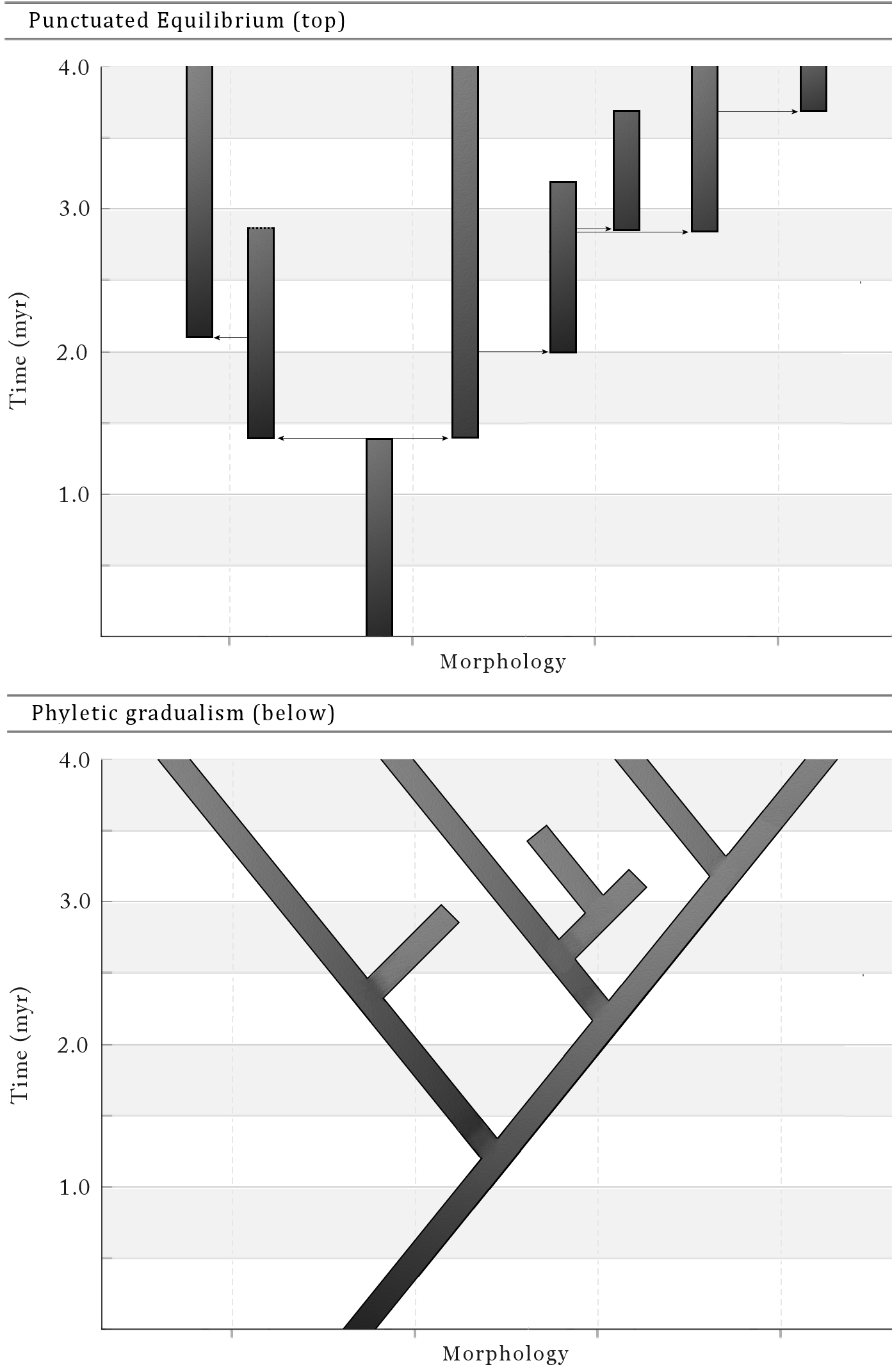
And the framework risks implying directionality. Most of the history of life involves no transitions, most lineages never underwent any, and prokaryotes remain the most abundant and successful organisms on Earth. Reading the transitions as a ladder misdescribes what happened, and Szathmary and Maynard Smith were careful about this while later popular accounts have not been.
The framework's value has been in generating research rather than in the list.
Experimental evolution of multicellularity is the clearest case. Work on yeast by William Ratcliff and colleagues selected for rapid settling in liquid culture and produced clustered forms within weeks, which subsequently evolved division of labour and a reproductive bottleneck. That the transition can be initiated in a laboratory in a matter of months was not expected.
Major transitions thinking has also organised work on the evolution of cooperation, on conflict within genomes, and on cancer as a breakdown of cellular cooperation, and those are productive lines with results.
It is filed as a hypothesis rather than a theory because its central claim is about whether a category exists. That the individual events happened is not in question; that they form a class with a shared explanation is what is proposed.
The strongest version of the claim, that suppression of within-group competition is the common requirement, is well supported and is probably the framework's durable contribution. The weaker parts, the specific list and its inclusion of human society, are where the disagreement is, and they are the parts most often repeated.