The idea that people are left-brained and therefore logical, or right-brained and therefore creative, is one of the most widely believed claims about the brain, and it is false. It grew out of real research whose findings were considerably narrower than what the popular version says.
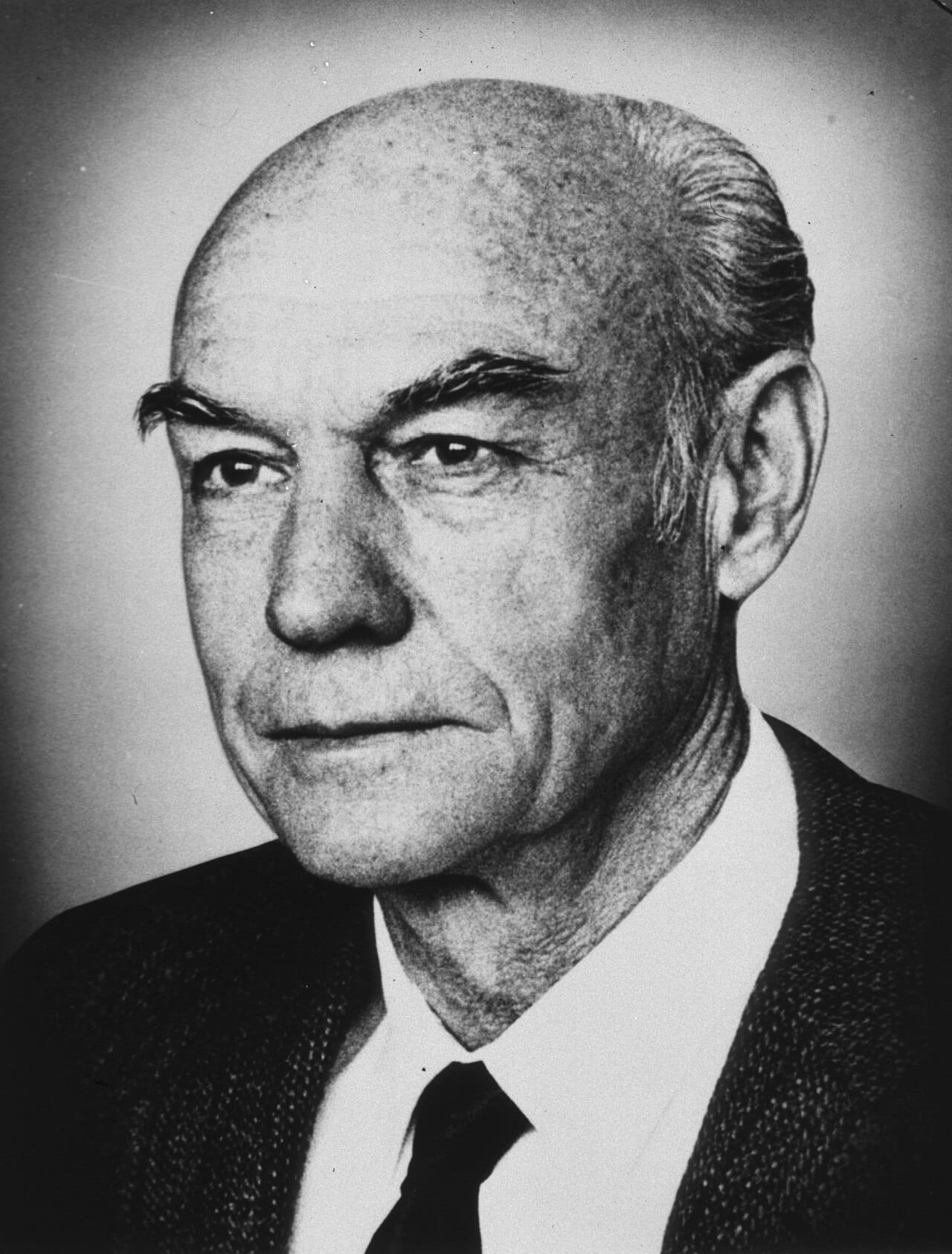
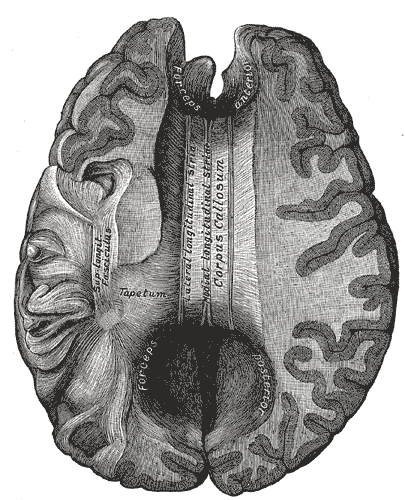
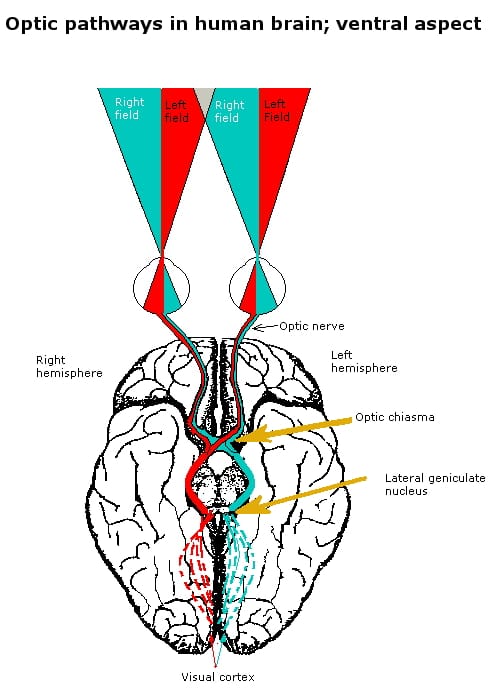
Roger Sperry and Michael Gazzaniga studied patients whose corpus callosum, the bundle connecting the two hemispheres, had been severed to control severe epilepsy. In these split-brain patients, information presented to one hemisphere could not reach the other, which allowed each side to be tested separately for the first time. Sperry shared the Nobel Prize in 1981.
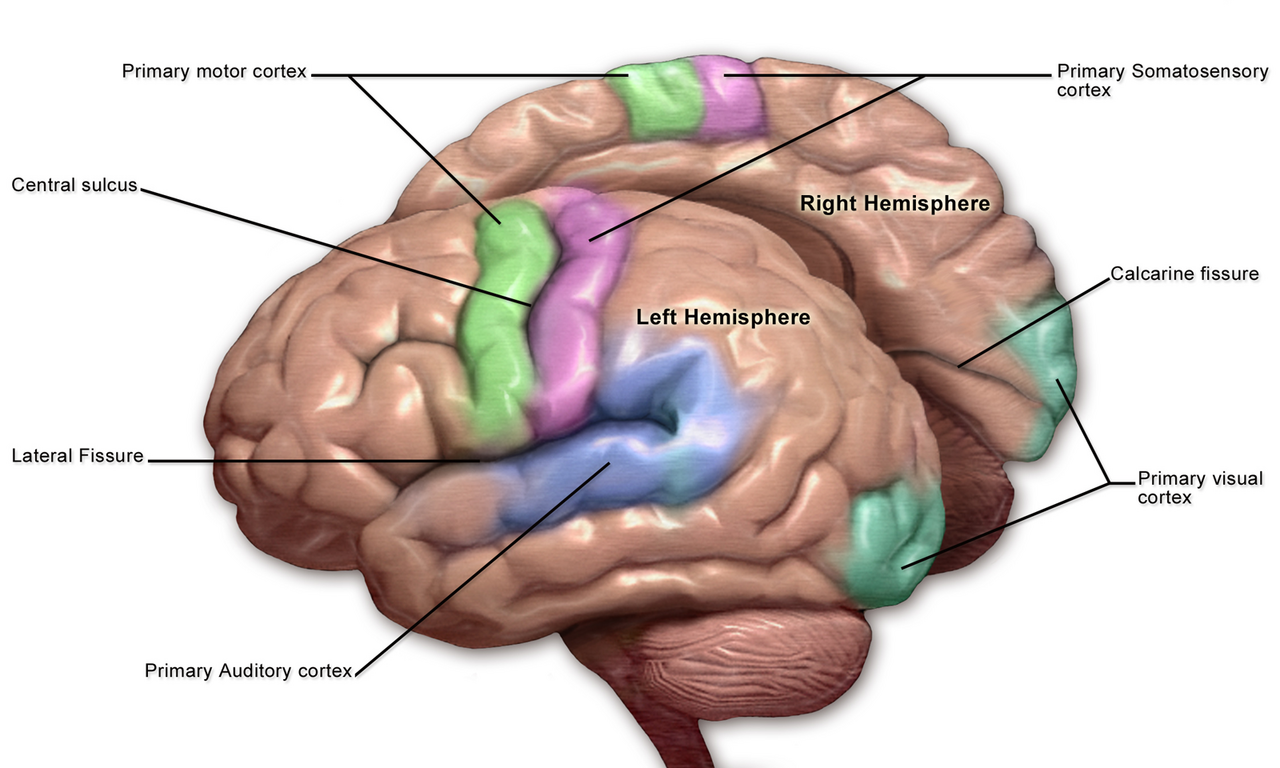
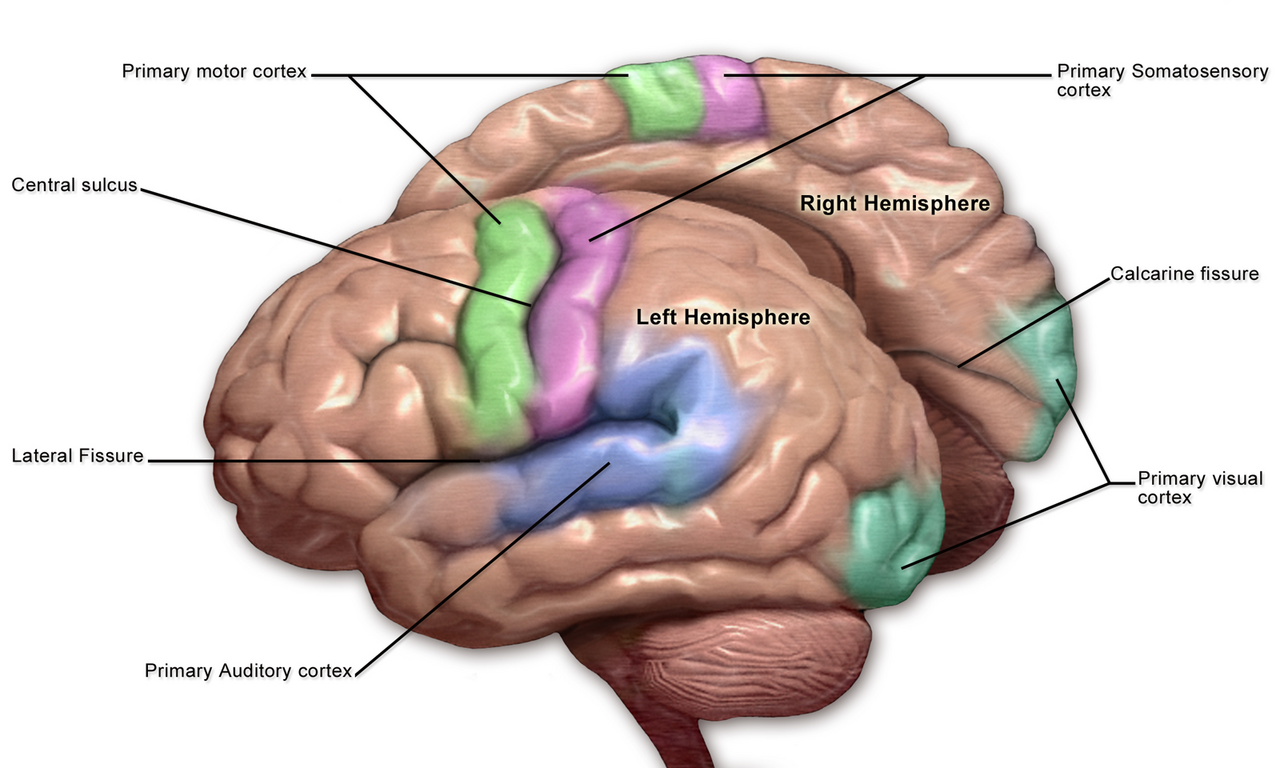
The findings were genuine and important. Language production is strongly lateralised to the left hemisphere in most people. Certain spatial and attentional functions show a right-hemisphere advantage. And the left hemisphere confabulates: asked to explain an action initiated by the right hemisphere, which it has no access to, it invents a plausible reason with complete confidence, which is a striking result about how explanation works.
The popular version makes a different claim: that individuals have a dominant hemisphere which determines personality and aptitude, so that some people are analytical left-brain types and others creative right-brain types.
There is no evidence for this and there is direct evidence against it.
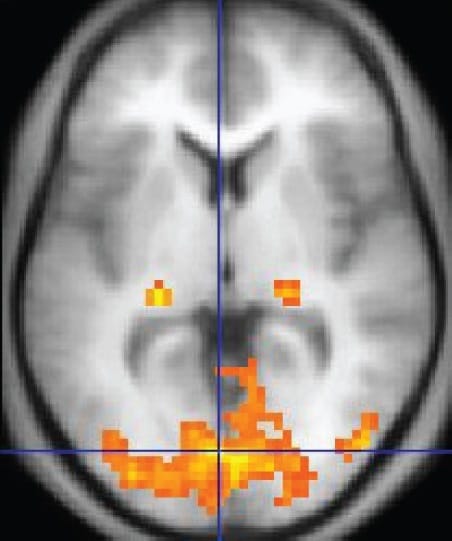
A 2013 University of Utah study examined resting-state brain scans from over a thousand people, looking specifically for individuals whose networks were globally stronger on one side. It found lateralisation of particular functions, as expected, and no evidence that any individual had a globally dominant hemisphere.
Beyond that study, the reasoning fails at several points. Almost every real task recruits both hemispheres: language involves the left for grammar and production and the right for prosody, metaphor, and narrative structure. Creativity in particular is not localised, and imaging studies of creative tasks show distributed activity across both sides. The two hemispheres in an intact brain are connected by around two hundred million fibres and function as one system, so the split-brain findings do not transfer to people whose corpus callosum is intact.
The myth survives because it is useful in a way the truth is not. It offers a tidy explanation for personality, it flatters people on both sides, and it sells: education programmes, management training, and self-help material have been built on it for decades. Surveys of teachers in several countries have repeatedly found large majorities endorsing it, which matters because it can shape how children are taught and how their aptitudes are described to them.
The underlying science is genuinely interesting, and the accurate version, that functions are lateralised while people are not, is both more surprising and less marketable.