Chemical Bonding
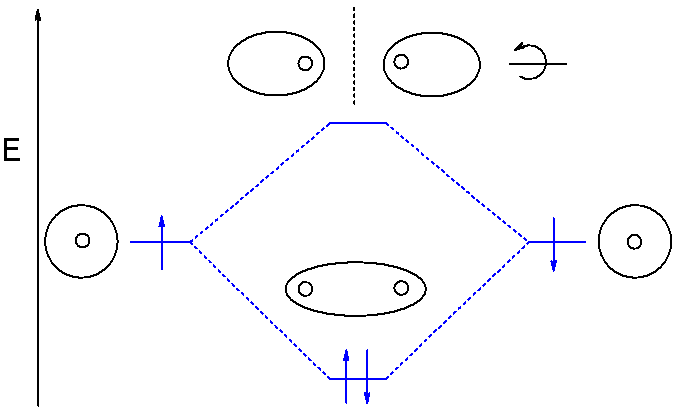
Chemical bonding is the theory of how atoms join together to form the molecules and materials that make up the world. The forces that hold atoms…
Matching your filter
Chemical bonding is the theory of how atoms join together to form the molecules and materials that make up the world. The forces that hold atoms…
Water is made of molecules, each consisting of two hydrogen atoms joined to a single oxygen atom, the composition captured in the familiar formula…
Stellar nucleosynthesis is the theory explaining where the chemical elements come from. It holds that the stars are the furnaces in which almost all…
Radioactive decay is the process by which unstable atomic nuclei spontaneously break down, releasing energy and particles and transforming into other…
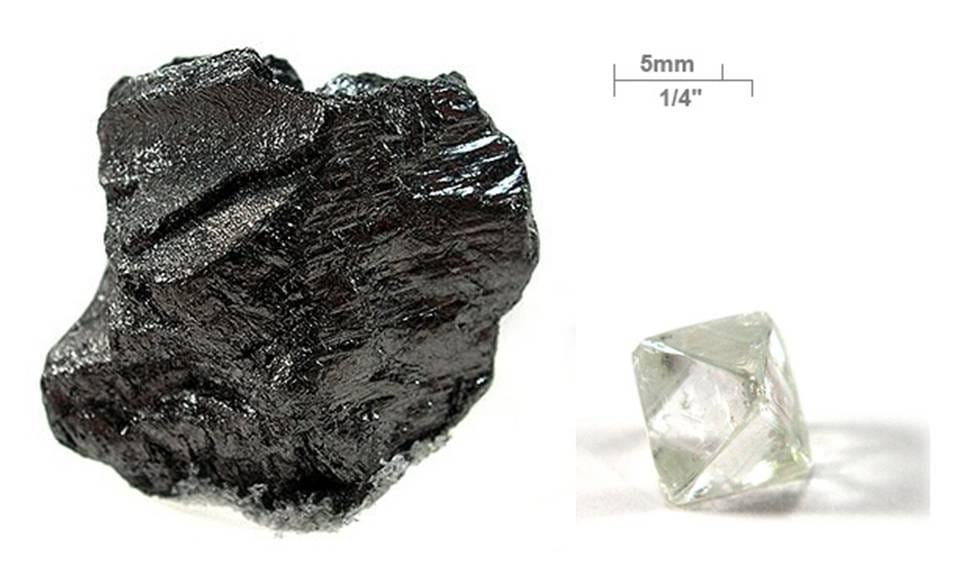
Crystallography is the science of crystals: how their atoms are arranged in orderly, repeating patterns, and how that hidden order gives crystals…
Alchemy was an ancient and medieval practice that sought to transform base metals such as lead into gold, to discover a universal cure for disease,…
The conservation of mass is the principle that, in any ordinary physical or chemical change, matter is neither created nor destroyed. The total mass…
The periodic table is the organizing chart of chemistry, arranging all the known chemical elements by their properties. It is one of the most…
Atomic theory is the idea that all matter is made up of tiny particles called atoms. It is one of the most important and successful ideas in all of…
The 1989 Fleischmann-Pons announcement claimed that palladium electrodes immersed in heavy water produced excess heat consistent with…
Water is a chemical compound with the formula H₂O, consisting of two hydrogen atoms covalently bonded to one oxygen atom. Its bent molecular geometry…
Deoxyribonucleic acid (DNA) is the molecule that carries the genetic instructions used in the growth, development, functioning, and reproduction of…
Abiogenesis is the natural process by which life is thought to have arisen from non living matter, such as simple chemical compounds. How life first…
Phlogiston theory was an early explanation of combustion, widely accepted in the seventeenth and eighteenth centuries. It held that all flammable…
The atom is the basic building block of ordinary matter, the smallest unit of a chemical element that retains its properties. Everything you can see…