Sodium chloride. It is physiologically essential, it was the only reliable food preservative for most of history, and its scarcity relative to demand made it a strategic commodity and a target for taxation for thousands of years.
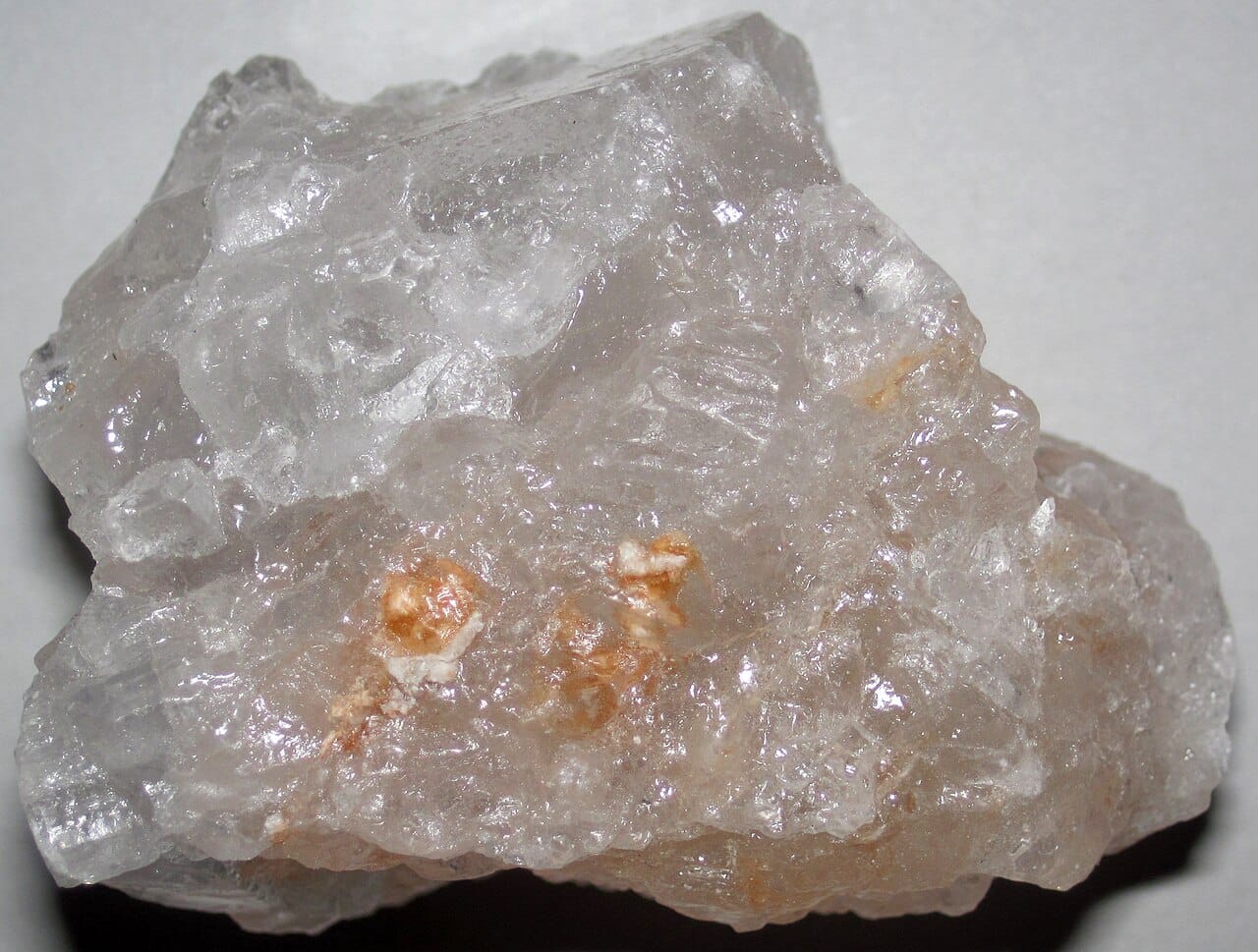
Sodium is the principal ion in the fluid outside cells and is what sets its volume, and therefore blood volume and blood pressure.
Nerve and muscle function depend on the sodium gradient across cell membranes. The action potential described in the neuron capsule is a movement of sodium ions, and no gradient means no signal.
Chloride is required for stomach acid and for maintaining charge balance.
Loss occurs continuously through urine and sweat, so intake must continue. Severe depletion causes cramping, confusion and, at the extreme, death, and heavy sweating without replacement is a recognised occupational and athletic risk.
Herbivores seek salt actively, visiting natural licks, because plants are low in sodium. Carnivores obtain it from flesh and do not, which is why salt was a trade good for agricultural societies and much less so for hunting ones.
Salt draws water out of cells by osmosis. Microorganisms in a salted environment lose water to their surroundings and cannot grow.
The measure that matters is water activity, meaning how much water is available rather than how much is present. Salt lowers it below what bacteria and fungi require.
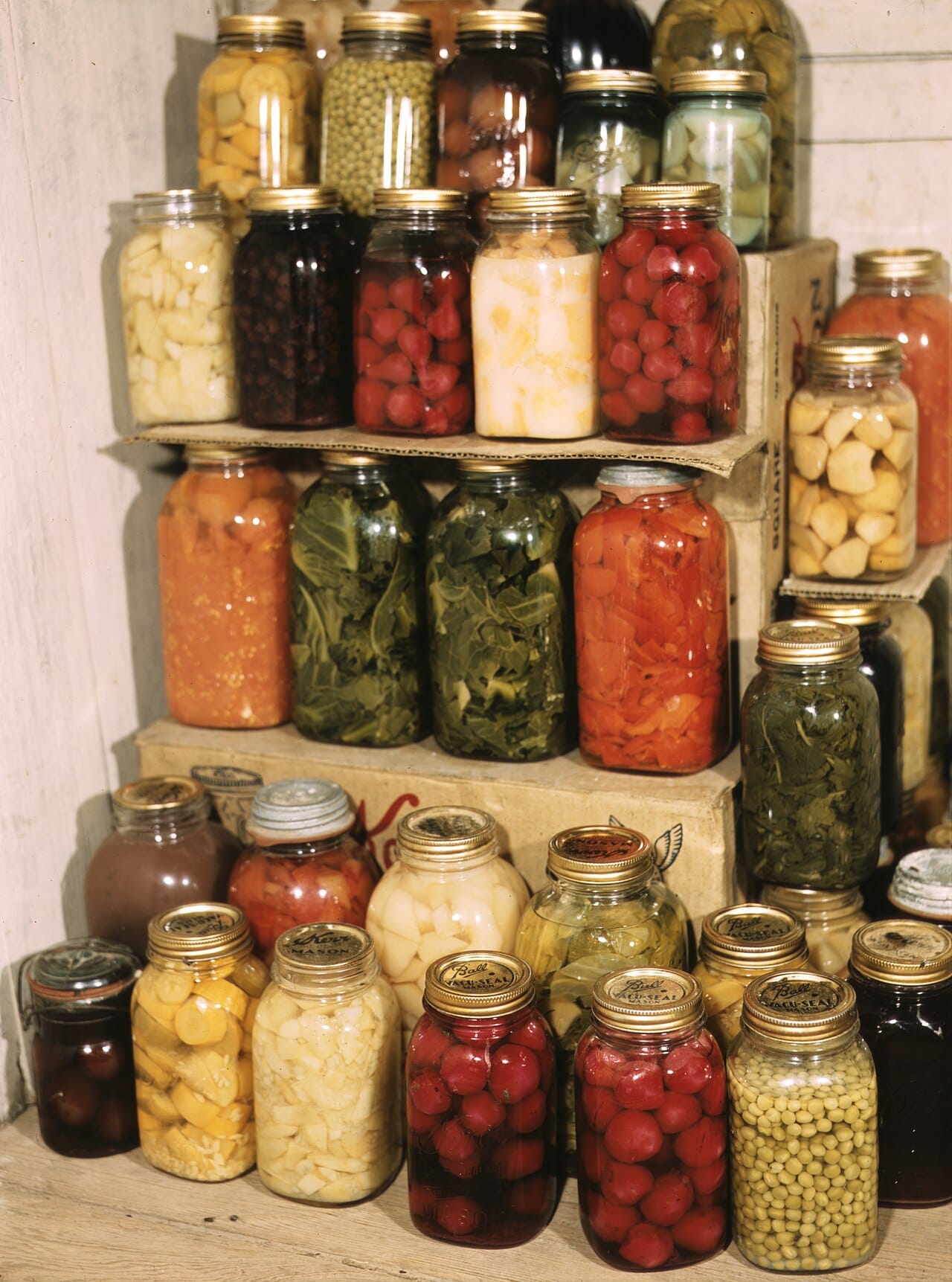
This was, for most of history, the difference between a harvest and a famine. Meat and fish spoil within days; salted, they keep for months, which allowed food to be stored across seasons and carried on voyages.
Salt cod in particular structured the North Atlantic economy. Fleets fished off Newfoundland and Iceland, salted the catch, and supplied Catholic Europe's demand for fish on fast days, and the trade connected regions that had no other commerce.
Fermentation frequently depends on salt as the control. In sauerkraut, kimchi, soy sauce, fish sauce and cheese, a salt concentration is chosen that suppresses spoilage organisms while permitting the desired ones, which is a selective rather than an absolute effect.
Curing salts containing nitrite do something different, inhibiting Clostridium botulinum and fixing the pink colour of cured meat, and their use is regulated because nitrite forms compounds of concern at high intake.
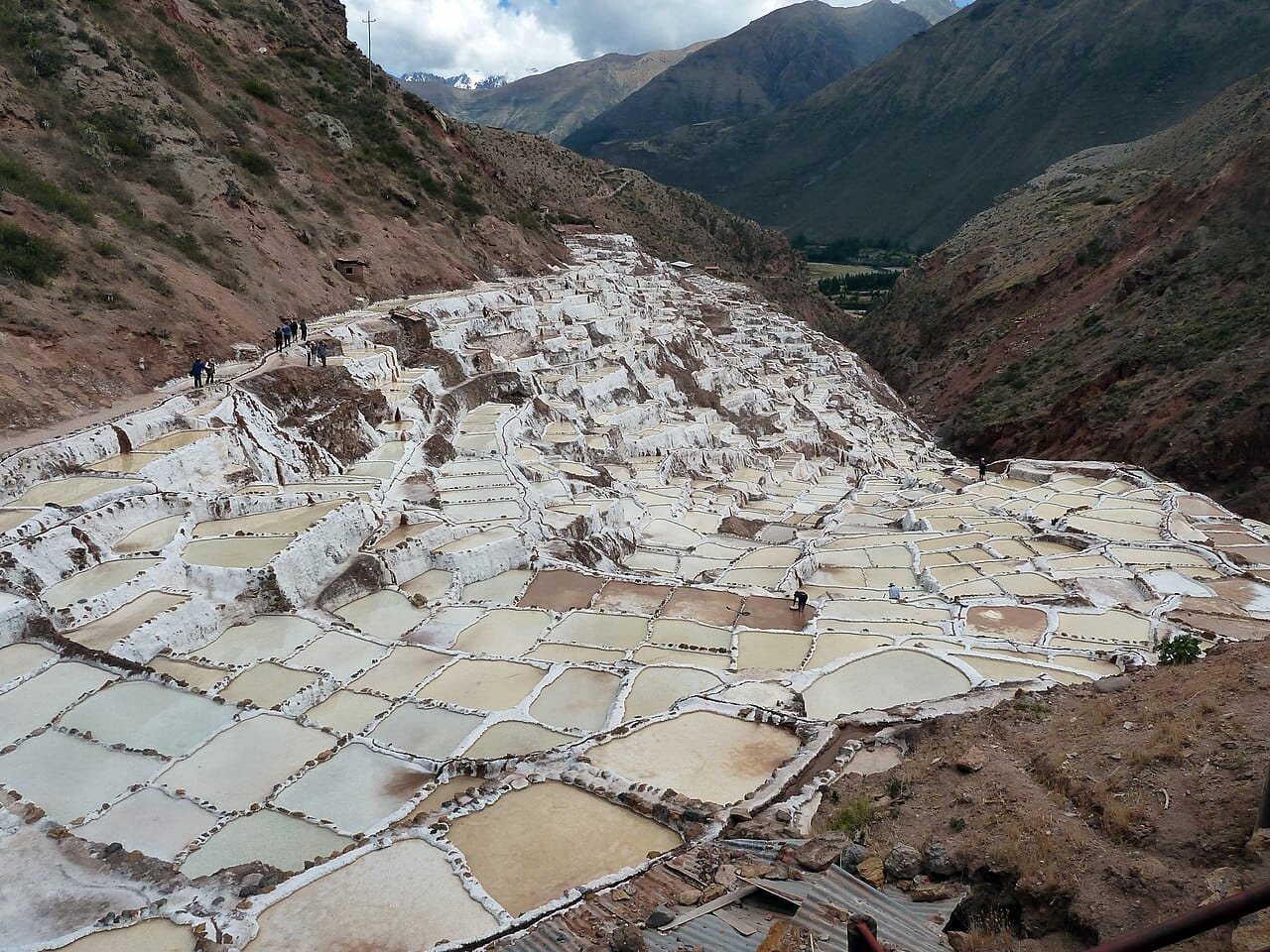
Solar evaporation of seawater or brine in shallow pans is the oldest and still the largest method, requiring a dry sunny climate and a great deal of flat ground.
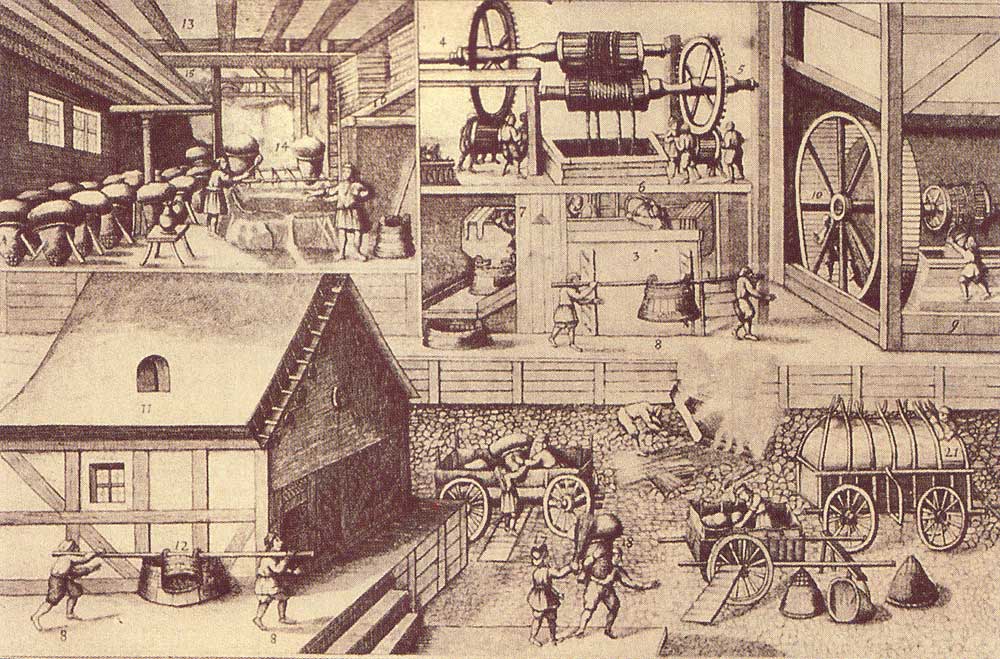
Boiling brine was used where the climate did not permit evaporation, and its fuel consumption was enormous. Salt production deforested substantial areas of Europe and Asia, which is a rarely noted environmental history.
Rock salt mining extracts bedded deposits left by ancient evaporated seas. These deposits are the reason inland regions had salt at all, and mines including Wieliczka in Poland and Khewra in Pakistan have been worked for many centuries.
Solution mining pumps water down to dissolve the salt and brings the brine up, which is now the dominant method for industrial supply.
Salt taxes are among the oldest and most resented. The Chinese state monopolised salt from the seventh century BCE, and the revenue was a substantial part of imperial finance for two millennia.
The French gabelle was a salt tax of extreme unpopularity, varying enormously by region and enforced by requiring households to buy a minimum quantity. It contributed materially to the grievances preceding the Revolution.
The British salt tax in India was the target of the Salt March in 1930, when Gandhi walked to the coast and made salt from seawater in deliberate violation of the monopoly. The choice of salt was strategic: it was a tax on something everyone needed and nobody could avoid, which made the injustice immediately legible.
Trade routes followed salt. Trans-Saharan caravans carried salt south and gold north, and the exchange was at times close to weight for weight.
The etymology is frequently overstated. Roman soldiers were probably not paid in salt, though salarium is connected to the word for salt and the origin of salary through it, and the common claim that they received rations of it is not well evidenced.
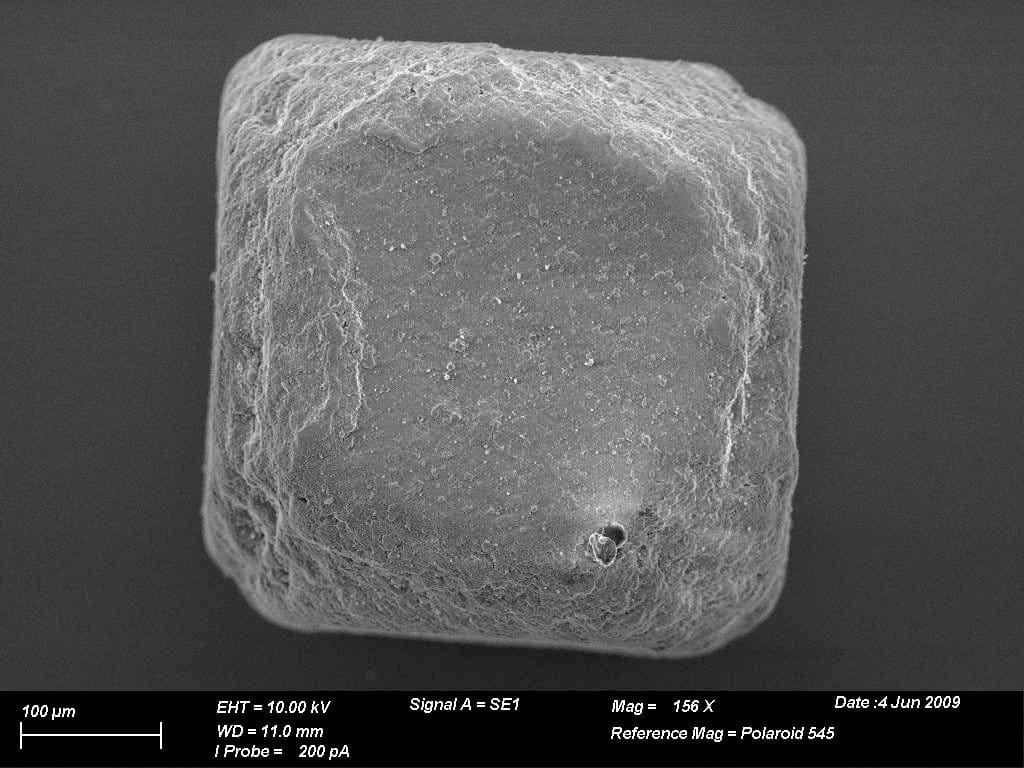
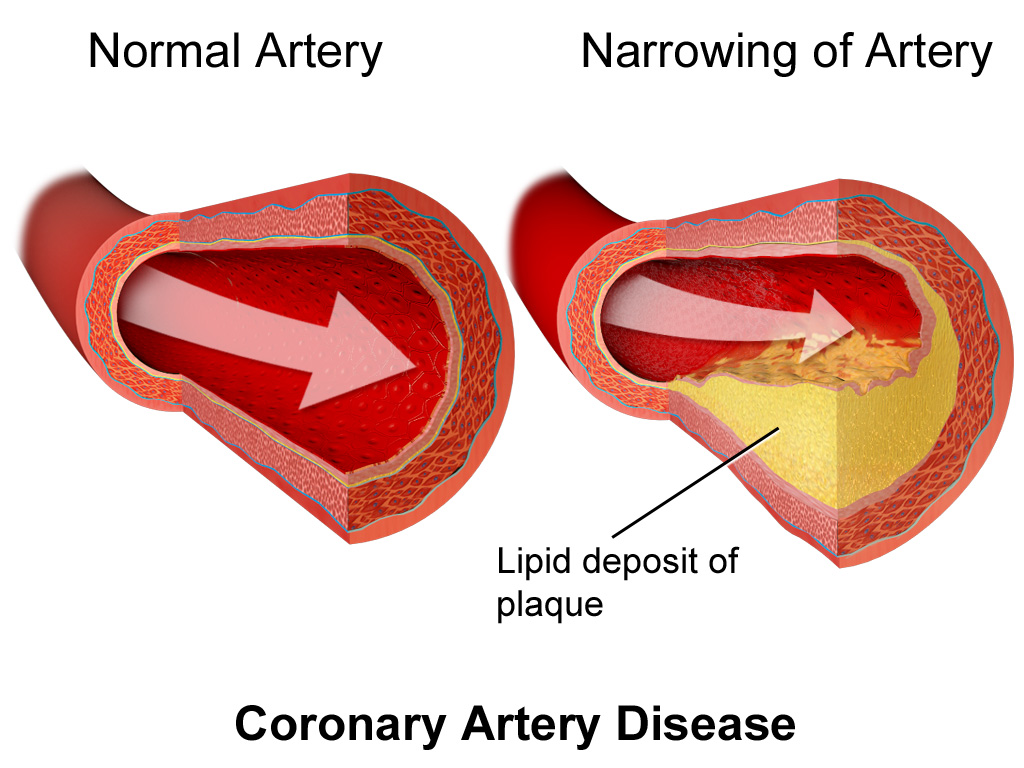
That high sodium intake raises blood pressure in populations is well established, and that high blood pressure causes cardiovascular disease is among the strongest findings in epidemiology, which the salt and blood pressure capsule treats in detail.
The disputed part is the shape of the relationship at the lower end. Some large observational studies have found higher mortality at both high and very low sodium intake, producing a J-shaped curve, and critics argue these are affected by reverse causation, since ill people eat less, and by unreliable measurement from single urine samples.
Population-wide reduction has produced measurable effects where implemented, and the United Kingdom's programme of gradual reformulation of processed foods is among the better-documented cases.
Most sodium in industrialised diets comes from processed food rather than from the salt cellar, typically around three quarters, which means individual restraint at the table has limited effect and reformulation has a large one.
Iodised salt is a separate matter and a public health success of the first order. Adding iodine to salt prevents goitre and, more importantly, the developmental impairment caused by iodine deficiency in pregnancy, which was a leading preventable cause of intellectual disability worldwide.
Salt is the only rock people eat, and the only mineral whose supply has repeatedly determined where settlements formed, which routes were travelled and which taxes provoked rebellion.
Its preservative role is the part now hardest to appreciate. Before refrigeration, salt was the technology that let food outlast the season, and a society's access to it set a limit on how far it could store, trade and travel.