The claim that water retains a biological imprint of substances it once contained, after dilution so extreme that not a single molecule of the original substance remains. Published in Nature in 1988, investigated on site by the journal within weeks, and not reproduced under controlled conditions since.
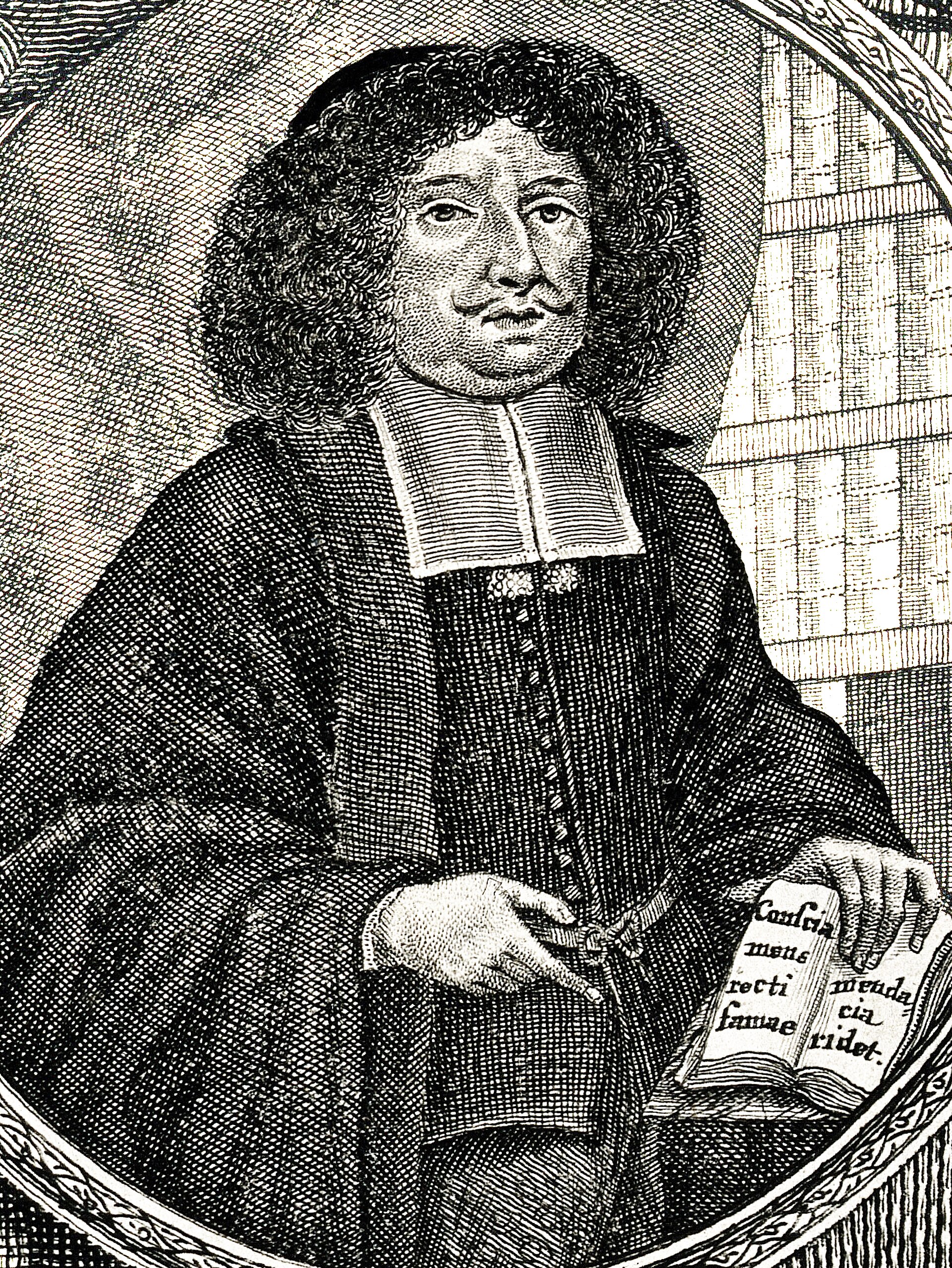
Jacques Benveniste was a respected immunologist and the director of a French national research unit. His laboratory reported that an antibody, diluted in water by successive factors of ten until the probability of any original molecule remaining was effectively zero, still triggered a biological response.

The assay measured degranulation of basophils, a change that was scored by a technician looking down a microscope and counting stained cells. The reported result was not a smooth decline with dilution but a response that waxed and waned as dilution continued, persisting far beyond the point of any remaining molecule.
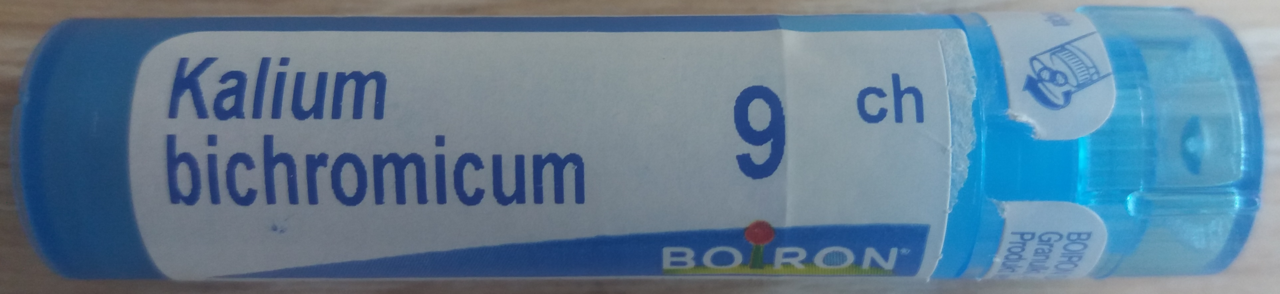
If correct, the finding would have supplied a mechanism for homeopathy, whose preparations are routinely diluted past the same limit.
Nature's editor, John Maddox, took an unusual course. He published the paper accompanied by an editorial note stating that there was no physical basis for the claim and that readers should suspend judgement, and he made publication conditional on the laboratory admitting an investigating team.
The team that arrived in July 1988 was deliberately composed of complementary skills: Maddox as editor, Walter Stewart as a scientist experienced in investigating irregularities, and James Randi, a professional magician.
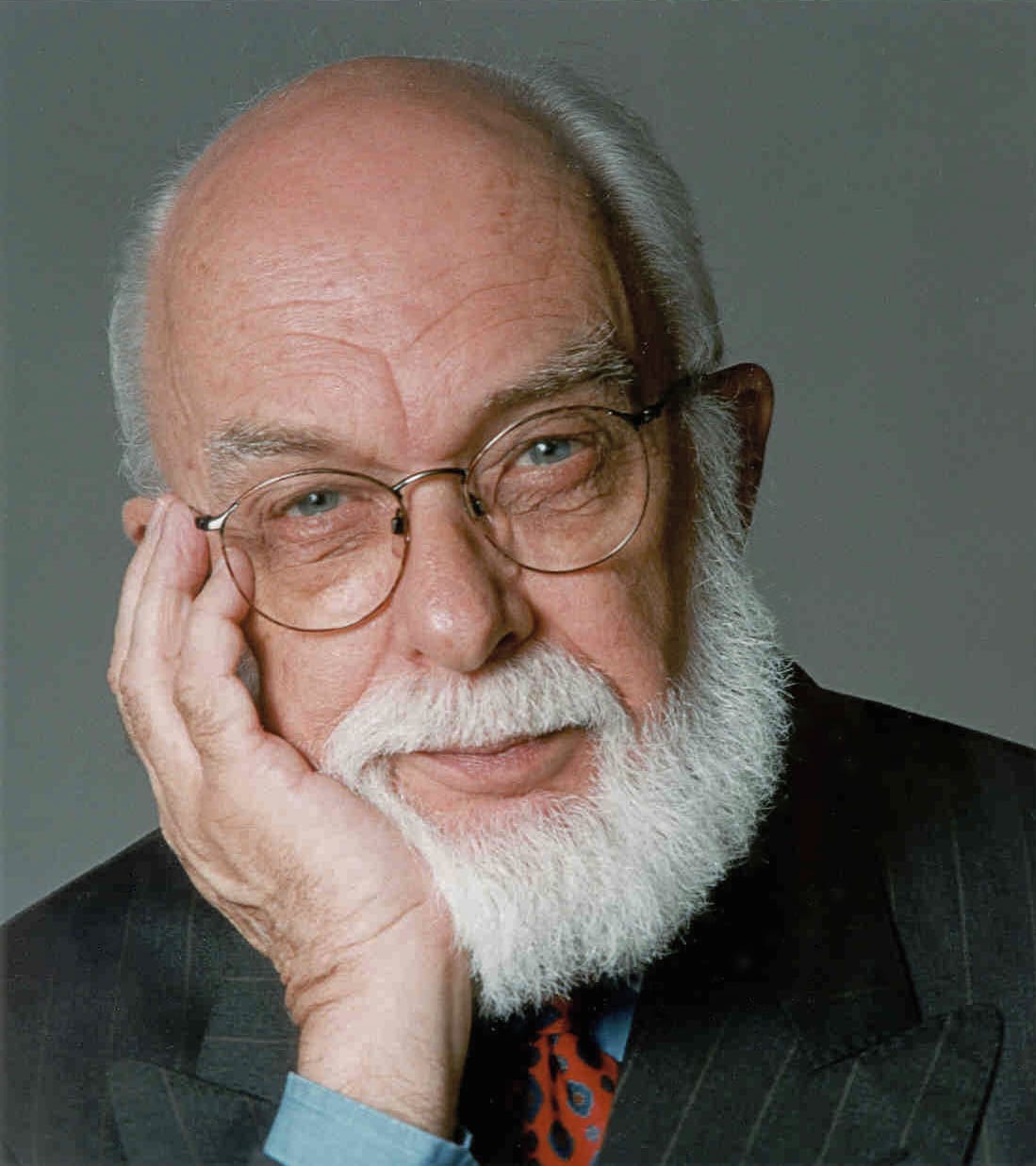
Randi's inclusion was the substantive point rather than a stunt. The question was not whether the immunology was sophisticated but whether the people counting cells knew which samples were which, and detecting that kind of failure is a conjuror's professional competence.
The laboratory first reproduced its result under its usual conditions, with the team watching. The samples were then relabelled so that nobody present knew which tubes were high dilutions and which were plain water. Randi supervised the coding, and the key was sealed and taped to the ceiling of the laboratory.
Under those conditions the effect disappeared. The counts no longer tracked the dilutions.
Nature published the team's report under the title of a delusion. The finding was that when the person scoring the microscope slides could not tell which sample was which, there was nothing to score.
Benveniste rejected the report and did not retract the paper. He compared the investigation to a witch hunt and continued the work, later claiming that the biological activity could be recorded electronically, transmitted over a telephone line or the internet, and replayed into plain water. He received the satirical Ig Nobel Prize twice and lost his institutional funding. He died in 2004.
Independent attempts at replication have not supported the claim. A 1993 multi-laboratory effort organised with Benveniste's cooperation found no effect. A larger European collaboration reported in 2004 obtained results that its own authors described as not permitting a conclusion, and no protocol has since produced the effect reliably under blinding.
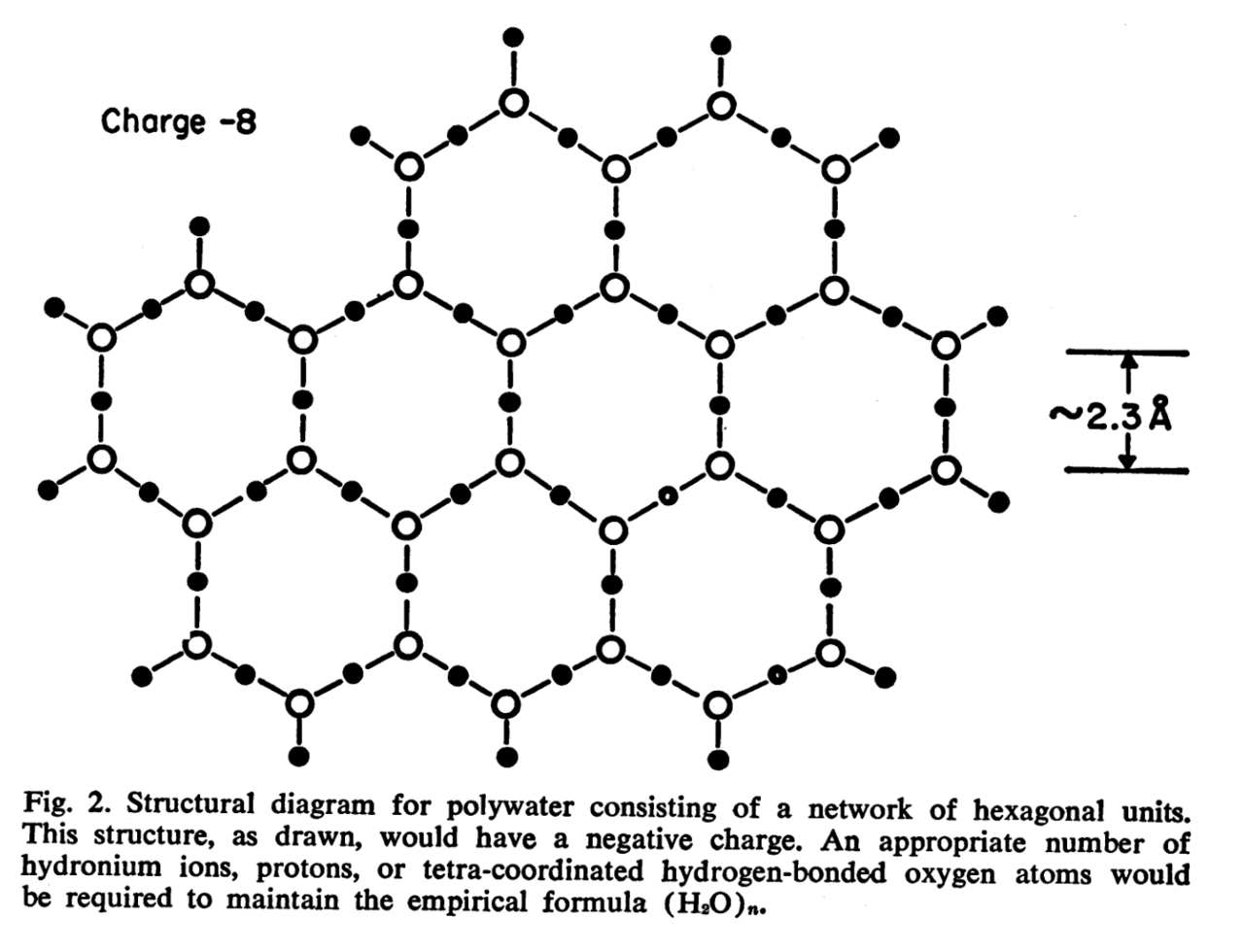
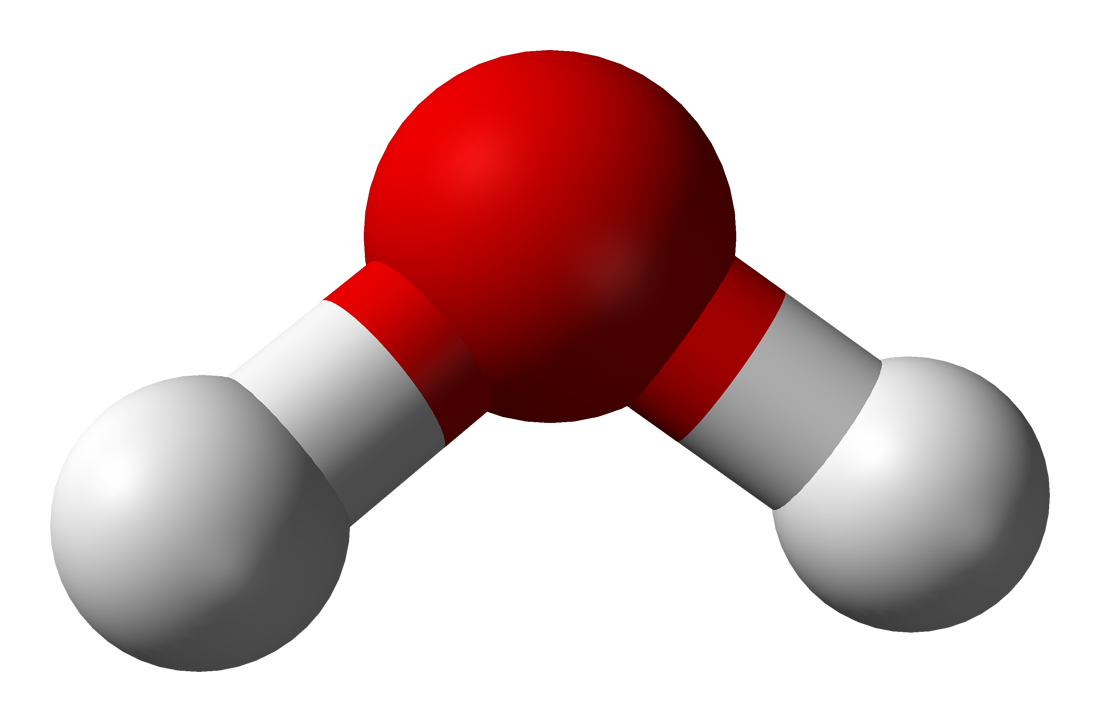
The physical objection is not a matter of taste. Liquid water is a network of hydrogen bonds that break and reform on a timescale of about a picosecond, a millionth of a millionth of a second. Any structure encoding the shape of a departed solute would have to survive that constant rearrangement, and nothing in the known behaviour of water provides for it.
Water does have local structure, and it does organise near surfaces and ions. None of that persists once the solute is gone, and none of it is specific to which solute was present.
The episode is the clearest demonstration available that blinding is not a formality but the thing that determines the result. The same laboratory, the same technicians and the same equipment produced the effect when the samples were labelled and did not produce it when they were not, which localises the phenomenon precisely.
It is also a case of a journal handling an extraordinary claim by testing it rather than by refusing it. That decision was criticised at the time for lending credibility to the paper, and it produced a definitive answer within months, which rejection would not have done.