A composite of cement, water, sand and stone that begins as a liquid and hardens into artificial rock. It is the most used manufactured material on Earth by mass, and its production is a significant source of carbon dioxide.
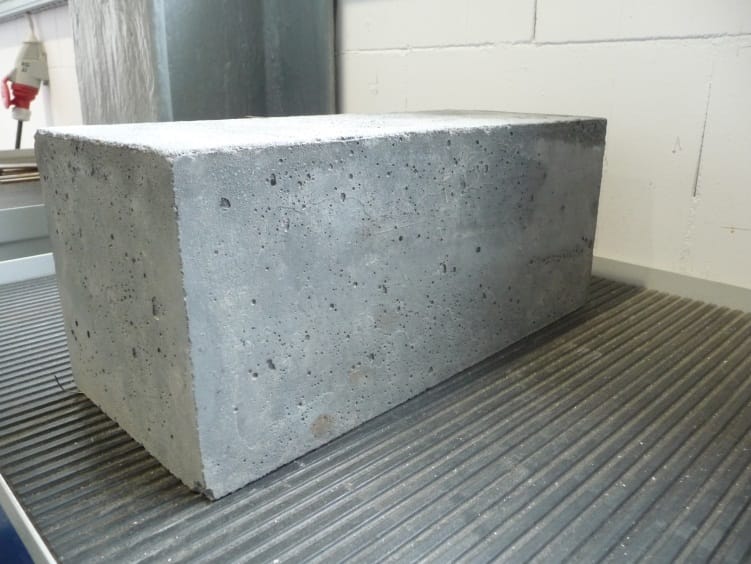
Concrete is not cement. Cement is the binding powder; concrete is the finished material of which cement is typically only ten to fifteen per cent.
The other constituents are aggregate, meaning sand and crushed stone, which provides bulk and strength, and water.
Hardening is a chemical reaction rather than drying. Cement reacts with water in a process called hydration, growing interlocking crystals that bind the aggregate together. This is why concrete sets underwater, and why concrete that dries out too quickly is weaker: the reaction needs the water it lost. Curing, keeping fresh concrete damp, is a standard practice for this reason.
Hydration continues for a long time. Concrete reaches most of its strength within about a month and continues to gain slowly for years.
The water to cement ratio is the single most important variable. Adding water makes concrete easier to place and reduces its final strength, which is the fundamental trade in practical concreting.
Concrete is strong in compression and weak in tension, by roughly a factor of ten. It is essentially artificial stone and shares stone's behaviour.
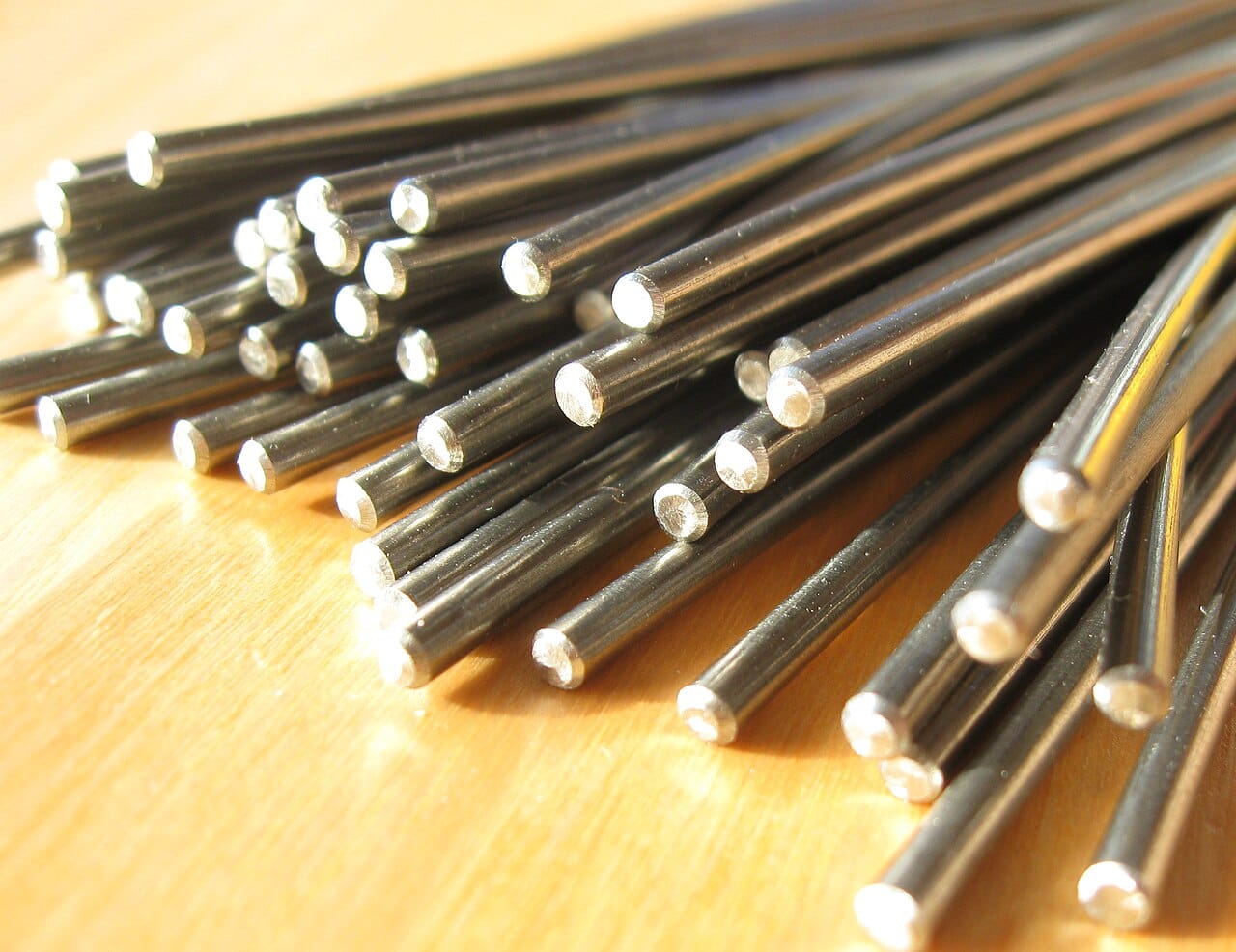
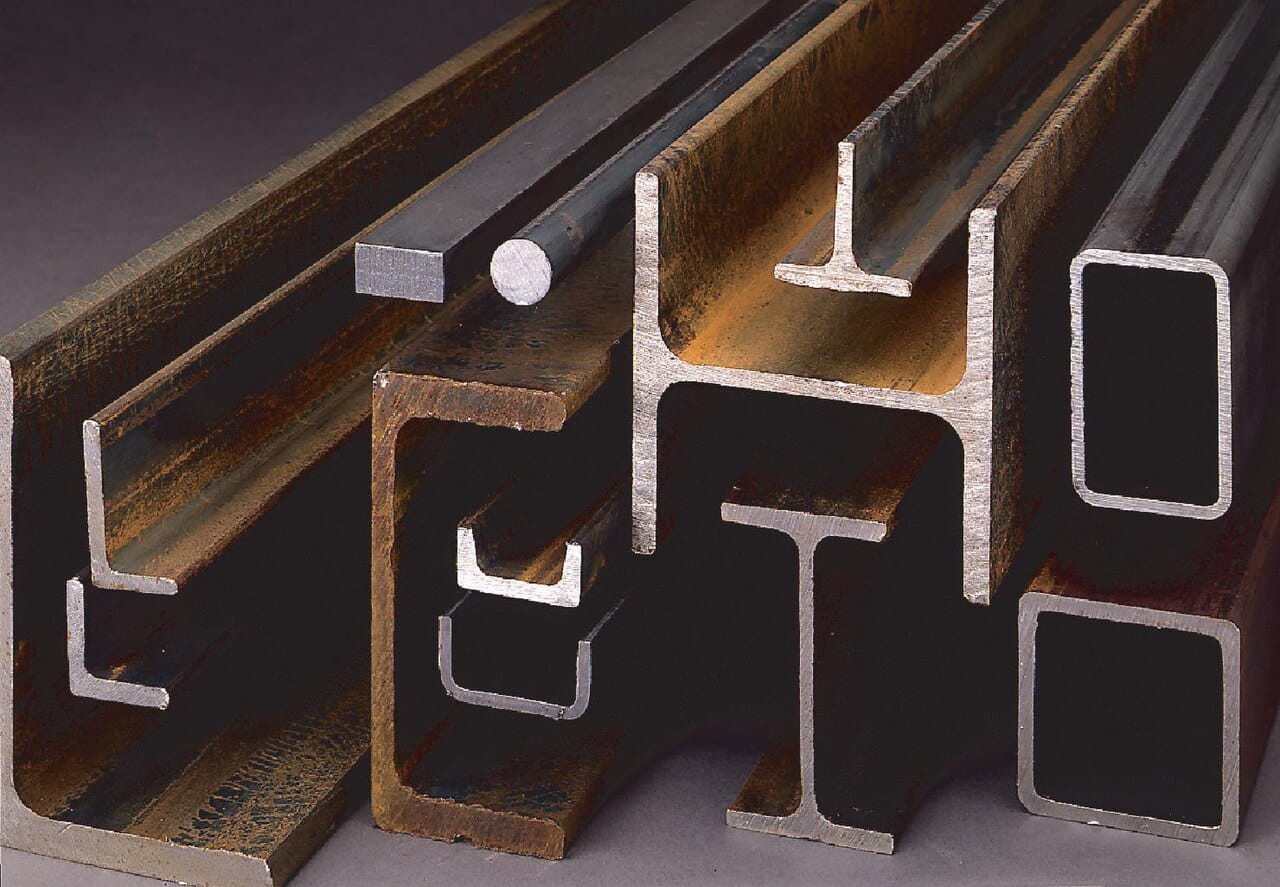
Reinforced concrete solves this by casting steel bars into it. The steel carries tension while the concrete carries compression, and the combination works because the two expand at nearly the same rate with temperature, so they do not separate as conditions change. That coincidence is fortunate rather than designed, and without it the composite would not be practical.
Prestressed concrete goes further. Steel tendons are tensioned and released so that the concrete is held permanently in compression, which means applied loads must overcome that compression before any tension develops. This allows longer spans and thinner sections.
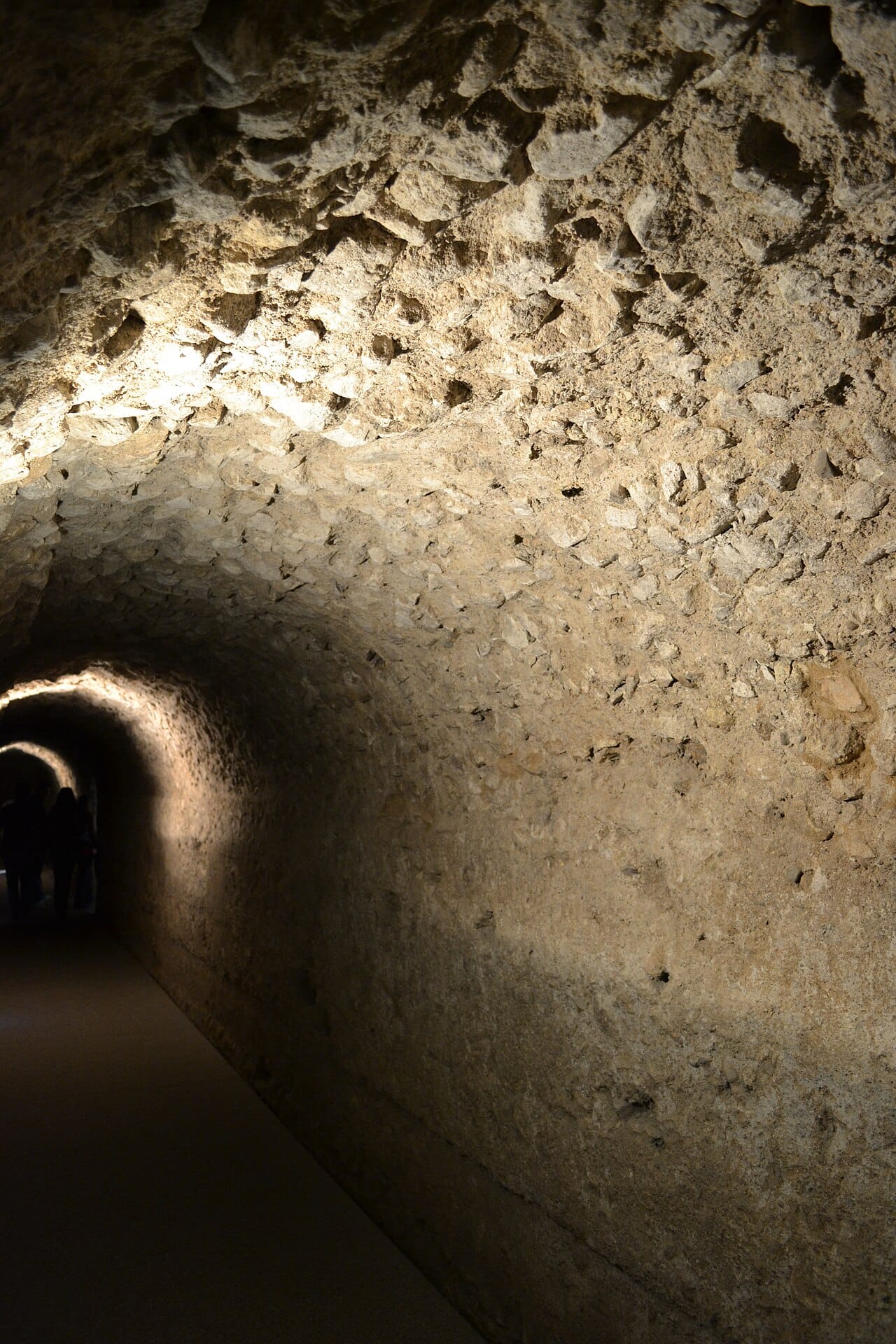
Roman concrete used volcanic ash with lime, and its durability exceeds much modern concrete, particularly in seawater.
Roman marine structures have survived two thousand years of wave action. Investigation found that seawater reacts with the volcanic ash to form crystalline minerals that grow within the material over time, so the concrete strengthens with exposure rather than degrading.
Recent work has also identified lumps of lime within Roman concrete that appear to give it a self-healing capacity, dissolving and recrystallising to fill cracks when water enters.
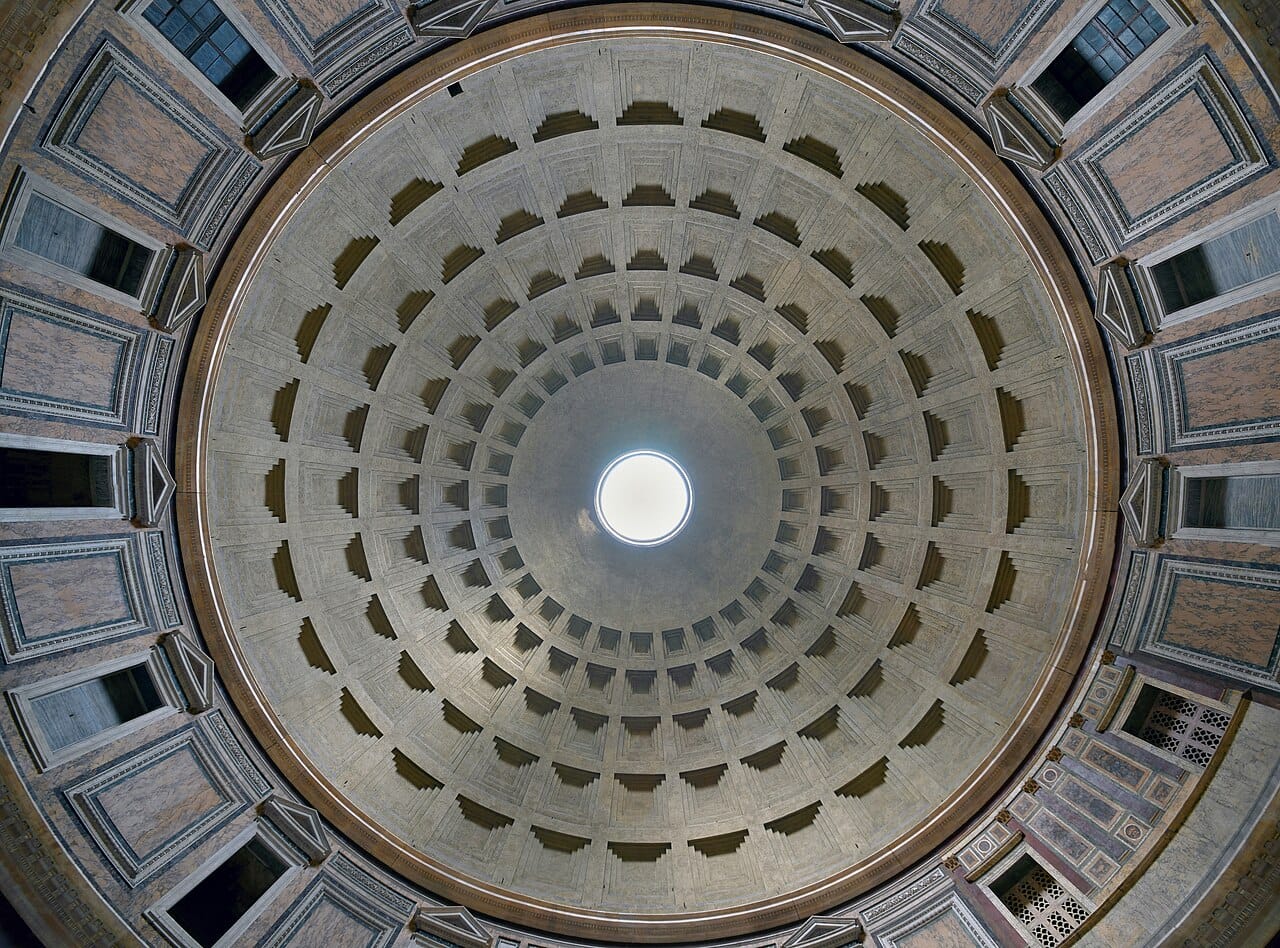
The Pantheon's dome, completed around 126 and cast in unreinforced concrete with progressively lighter aggregate toward the top, remains the largest unreinforced concrete dome ever built.
The technique was largely lost in Europe after the Roman period. Modern cement dates from the nineteenth century, when Joseph Aspdin patented Portland cement in 1824, named for its resemblance to Portland stone.
Concrete is used in greater quantity than any other manufactured material, with production measured in billions of tonnes annually, and by mass it is second only to water among substances humans consume.
Its environmental cost lies almost entirely in the cement. Producing cement requires heating limestone to around 1450 degrees Celsius, which demands substantial fuel, and the chemical conversion of limestone releases carbon dioxide directly, independently of the fuel used. That process emission is roughly half of the total and cannot be removed by changing the energy source.
Cement production accounts for around seven to eight per cent of global carbon dioxide emissions, which makes it one of the largest single industrial sources.
Approaches under development include partial replacement of cement with industrial by-products such as blast furnace slag and fly ash, alternative chemistries that set at lower temperatures, carbon capture at cement plants, and simply using less by designing more efficiently. None is currently able to replace ordinary cement at the necessary scale and cost.
Sand is a second constraint. Concrete requires angular sand, and desert sand is too rounded by wind erosion to work, so sand is dredged from rivers and coasts, with documented environmental and criminal consequences.
Reinforcement corrosion is the dominant durability problem. Concrete normally protects embedded steel chemically, and chloride from de-icing salt or seawater, or carbonation from atmospheric carbon dioxide, destroys that protection. Rusting steel expands and cracks the concrete from within, admitting more water.
Much of the twentieth century's concrete infrastructure is now reaching the age at which this becomes expensive, and maintenance of existing structures is a larger and less visible problem than new construction.
Concrete made it possible to build large structures cheaply, in almost any shape, using unskilled labour and locally available aggregate, and the built environment of the past century is largely a consequence of that.
It also presents one of the harder decarbonisation problems, because a substantial part of its emissions comes from the chemistry itself rather than from the energy used, and no substitute matches it on cost and availability.