The Doppler Effect
The Doppler effect is the change in the observed frequency of a wave when its source and the observer move relative to each other. It is why the…
Matching your filter
The Doppler effect is the change in the observed frequency of a wave when its source and the observer move relative to each other. It is why the…
Acoustics is the branch of physics that studies sound: how it is produced, how it travels as waves, and how it is heard. It bridges science and art,…
Aerodynamics is the study of how air flows around objects and the forces this creates. It is the science that explains how aircraft fly, how cars and…
Perpetual motion is the idea of a machine that runs forever without any energy source, or that produces more energy than it consumes. Inventors have…
Newton's laws of motion are three principles, set out by Isaac Newton in 1687, that describe how objects move under the action of forces. For more…
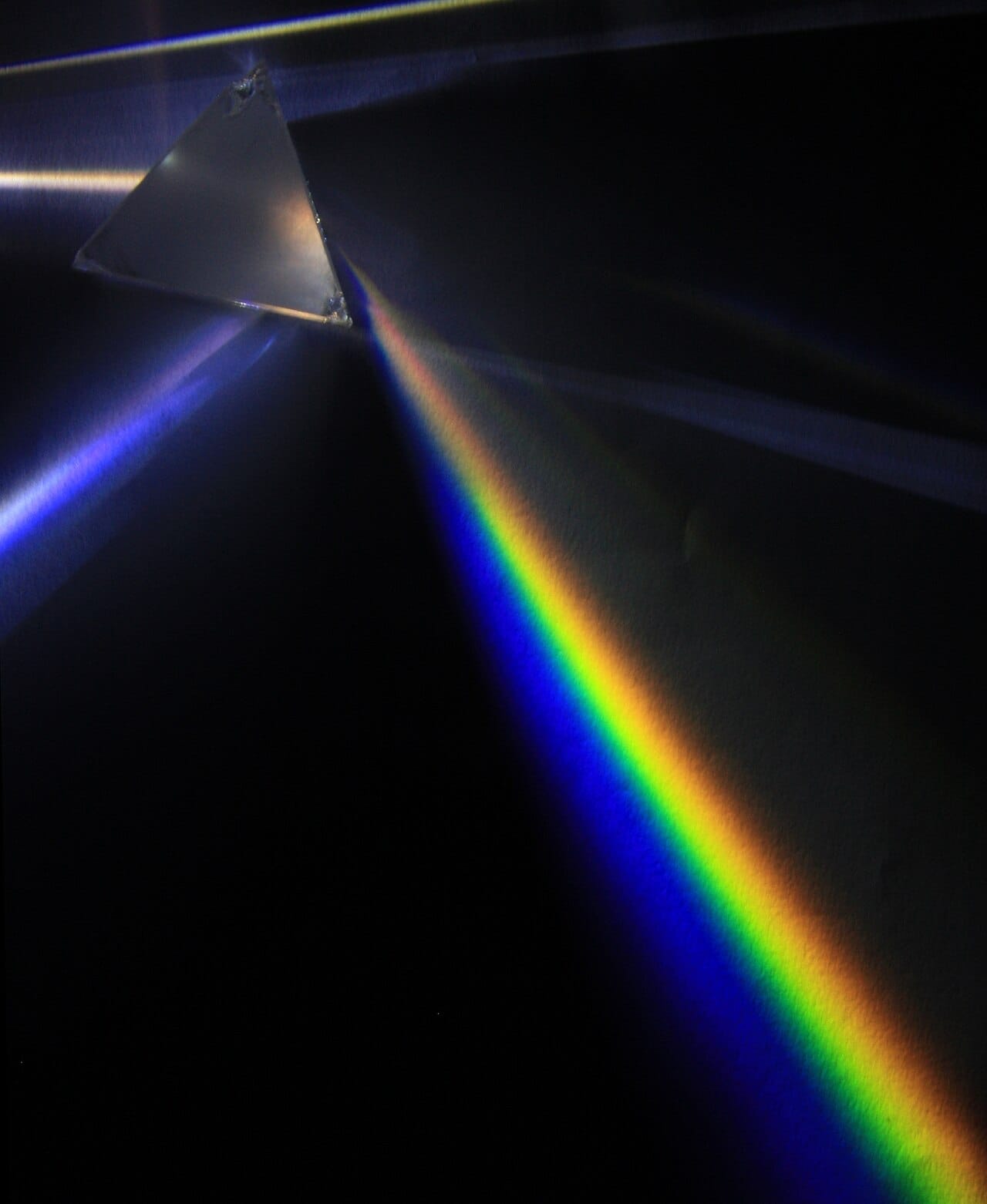
Optics is the branch of physics that studies light: how it travels, how it interacts with matter, and how it can be controlled with lenses and…
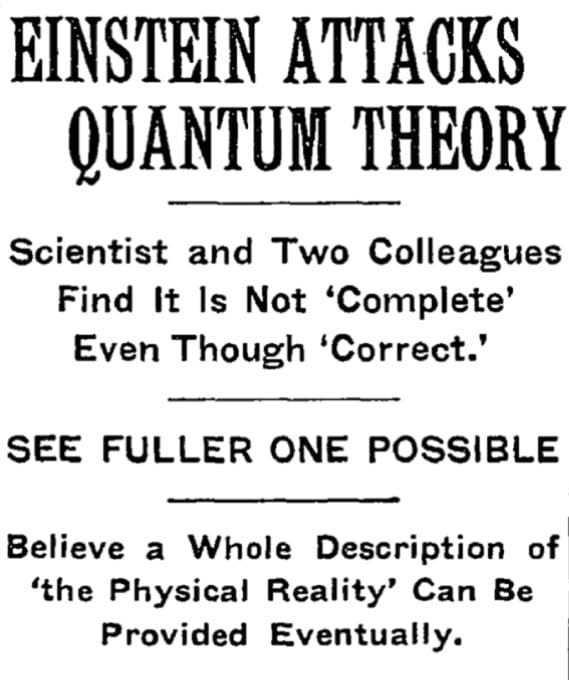
Quantum mechanics is the branch of physics that describes the behaviour of matter and energy at the smallest scales, those of atoms and subatomic…
The greenhouse effect is the process by which certain gases in a planet's atmosphere trap heat, keeping the surface warmer than it would otherwise…
The conservation of mass is the principle that, in any ordinary physical or chemical change, matter is neither created nor destroyed. The total mass…
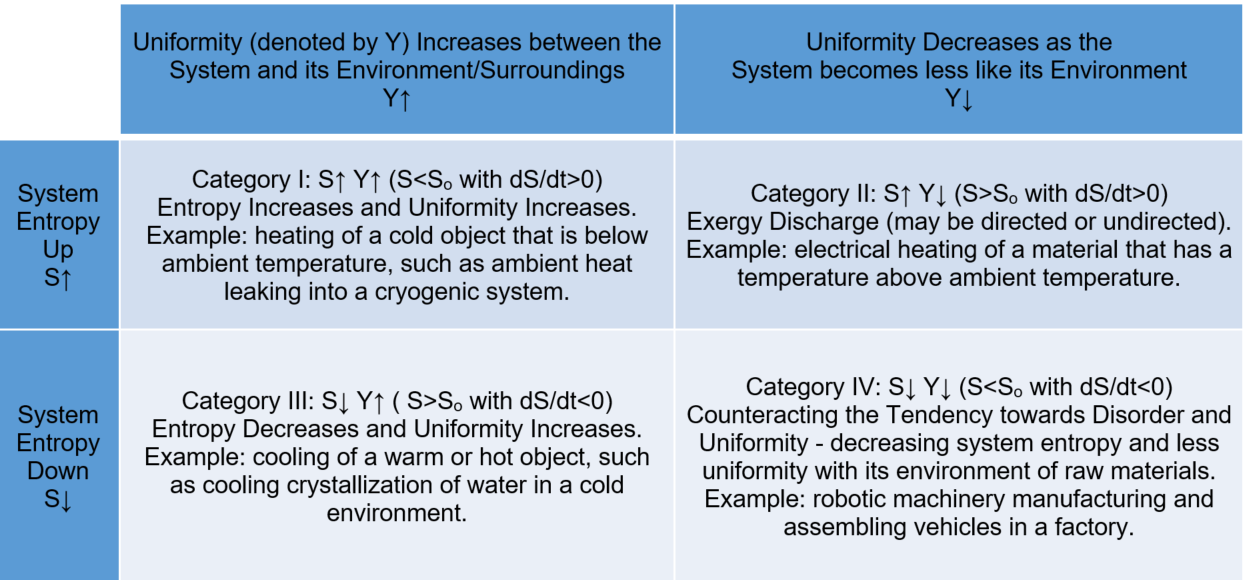
Thermodynamics is the branch of physics concerned with heat, energy, and work, and how they transform from one form to another. Its laws are among…
Electromagnetism is the branch of physics that describes the forces between electric charges and the deep connection between electricity and…
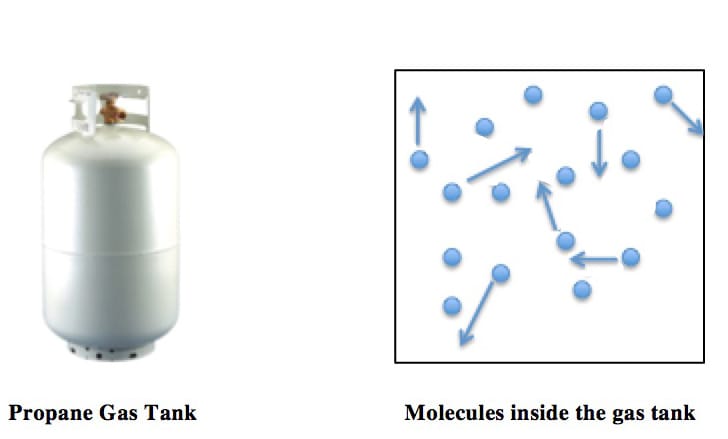
Atomic theory is the idea that all matter is made up of tiny particles called atoms. It is one of the most important and successful ideas in all of…
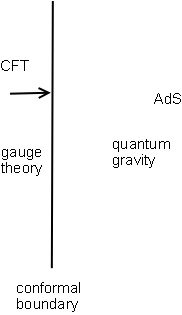
String theory is a theoretical framework that attempts to unify all the forces and particles of nature, including gravity, into a single description.…
The northern lights, known scientifically as the aurora borealis, are one of nature's most spectacular displays. Shimmering curtains of green, pink,…
The 1989 Fleischmann-Pons announcement claimed that palladium electrodes immersed in heavy water produced excess heat consistent with…
The simulation hypothesis is the proposal that the reality we experience might actually be an artificial simulation, such as an immensely…
The Sun is the star at the centre of the Solar System, a vast sphere of hot plasma whose gravity holds the planets in their orbits and whose light…
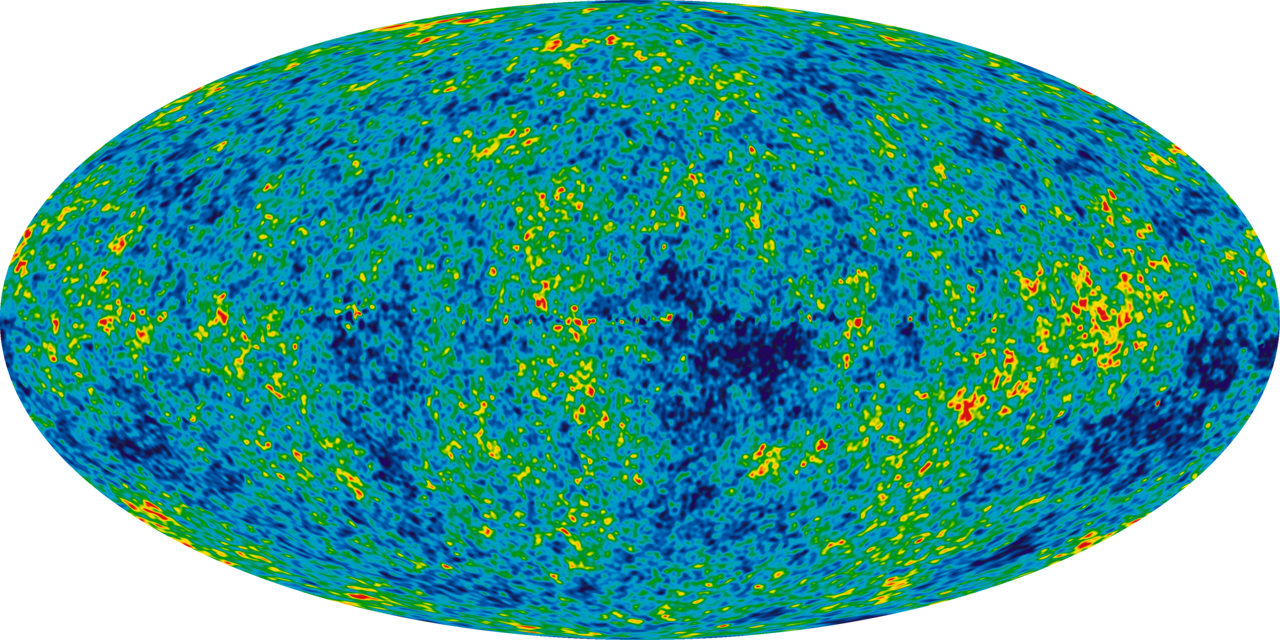
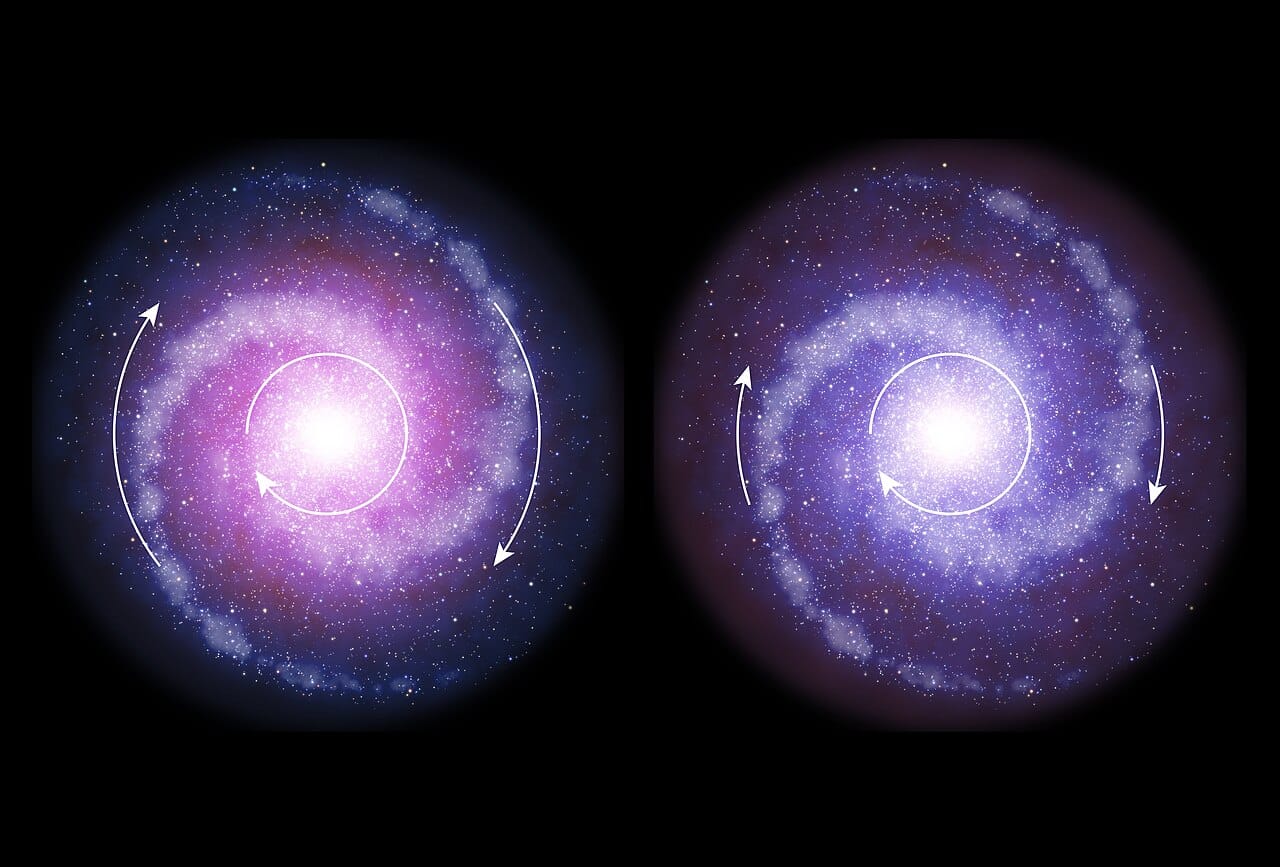
Dark matter is the leading theoretical framework proposed to explain gravitational effects observed in galaxies and galaxy clusters that cannot be…
A rainbow is a band of colour that appears in the sky when sunlight is bent and split by water droplets in the air. Familiar and beloved across every…
Special relativity is the theory of space and time that Albert Einstein published in 1905. It revolutionized physics by showing that measurements of…