
The Standard Model of Particle Physics
The Standard Model is the theory that describes all the known elementary particles of matter and the forces that act between them, except for…
Most recent activity
Verified facts and proven results
Hypotheses under investigation and ideas still debated
Claims the evidence overturned
Well-substantiated explanations of how things work
Every capsule
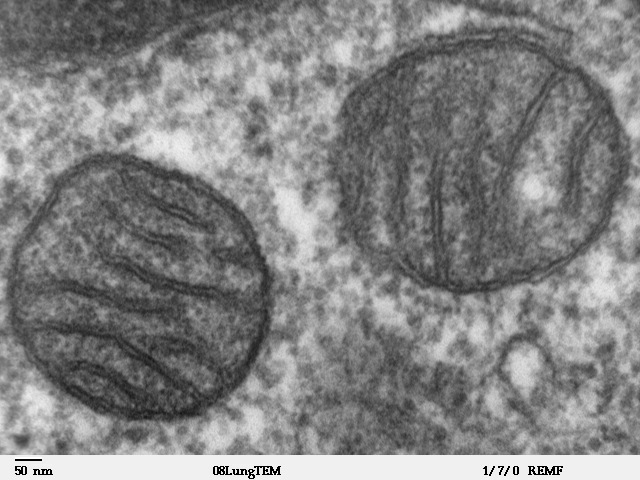
Endosymbiotic theory explains the origin of the complex cells that make up plants, animals, fungi, and other higher organisms. It proposes that key…
On 17 December 1903, near Kitty Hawk, North Carolina, the brothers Orville and Wilbur Wright achieved the first sustained, controlled flight of a…
Tea is a drink made by steeping the cured leaves of the tea plant in hot water. After plain water, it is the most widely consumed beverage in the…
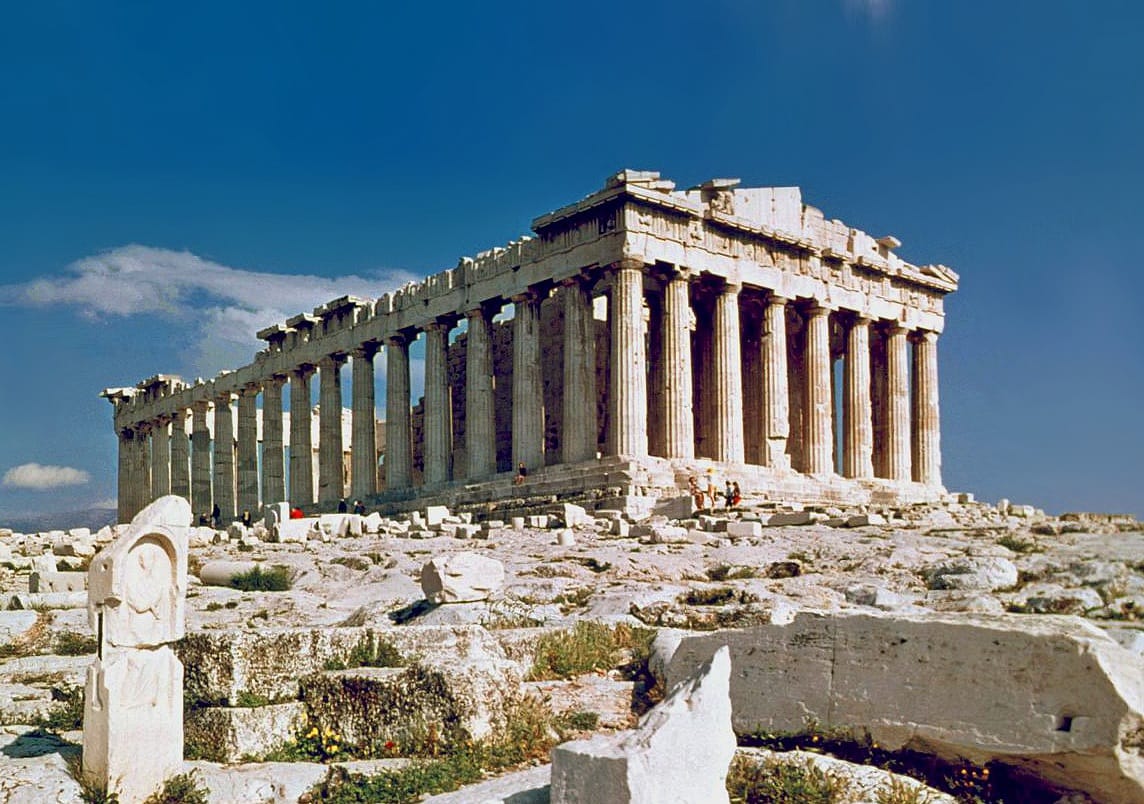
The Acropolis of Athens is an ancient citadel on a rocky hill above the city, crowned by the temples of classical Greece. Its most famous building,…
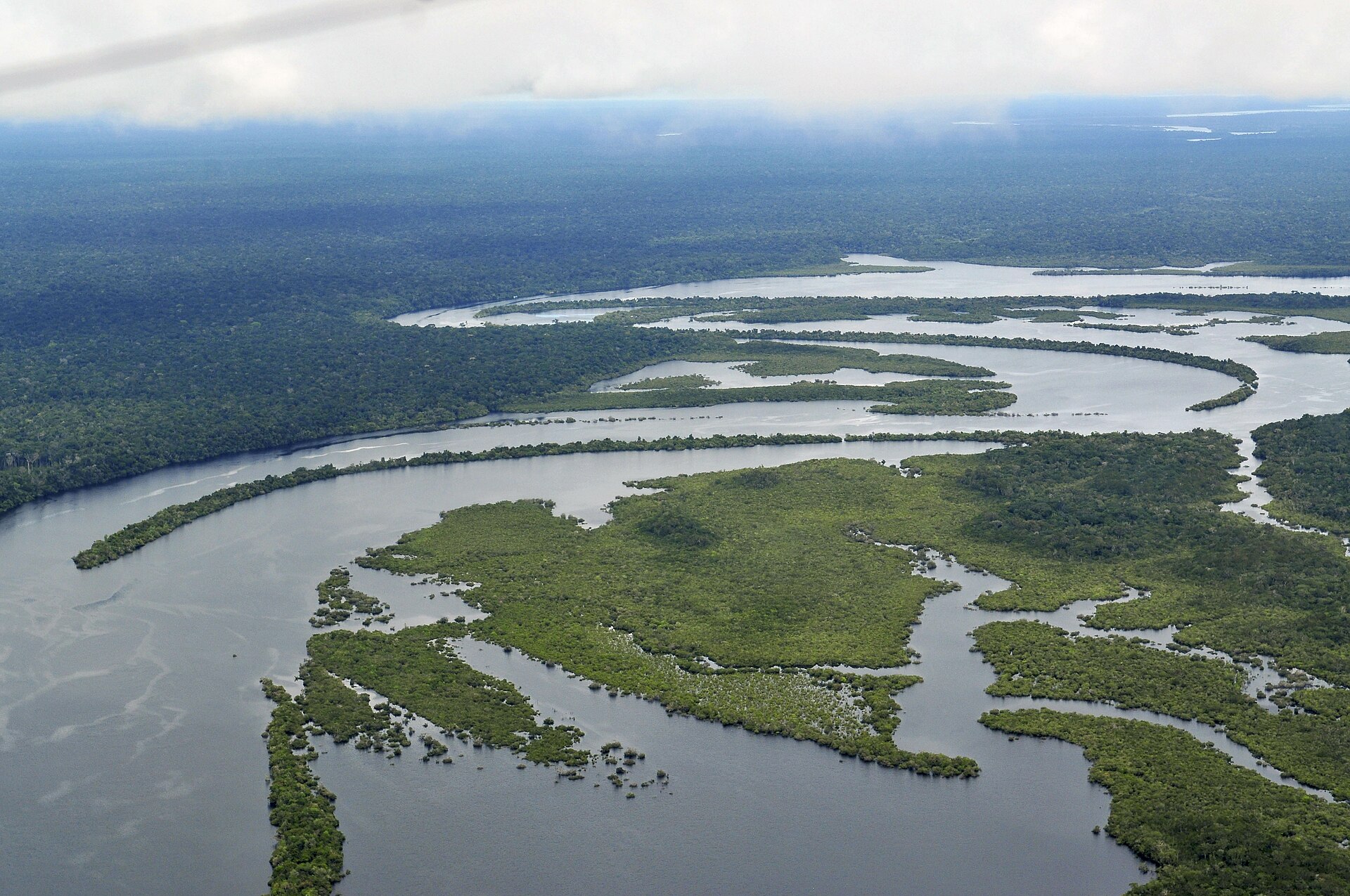
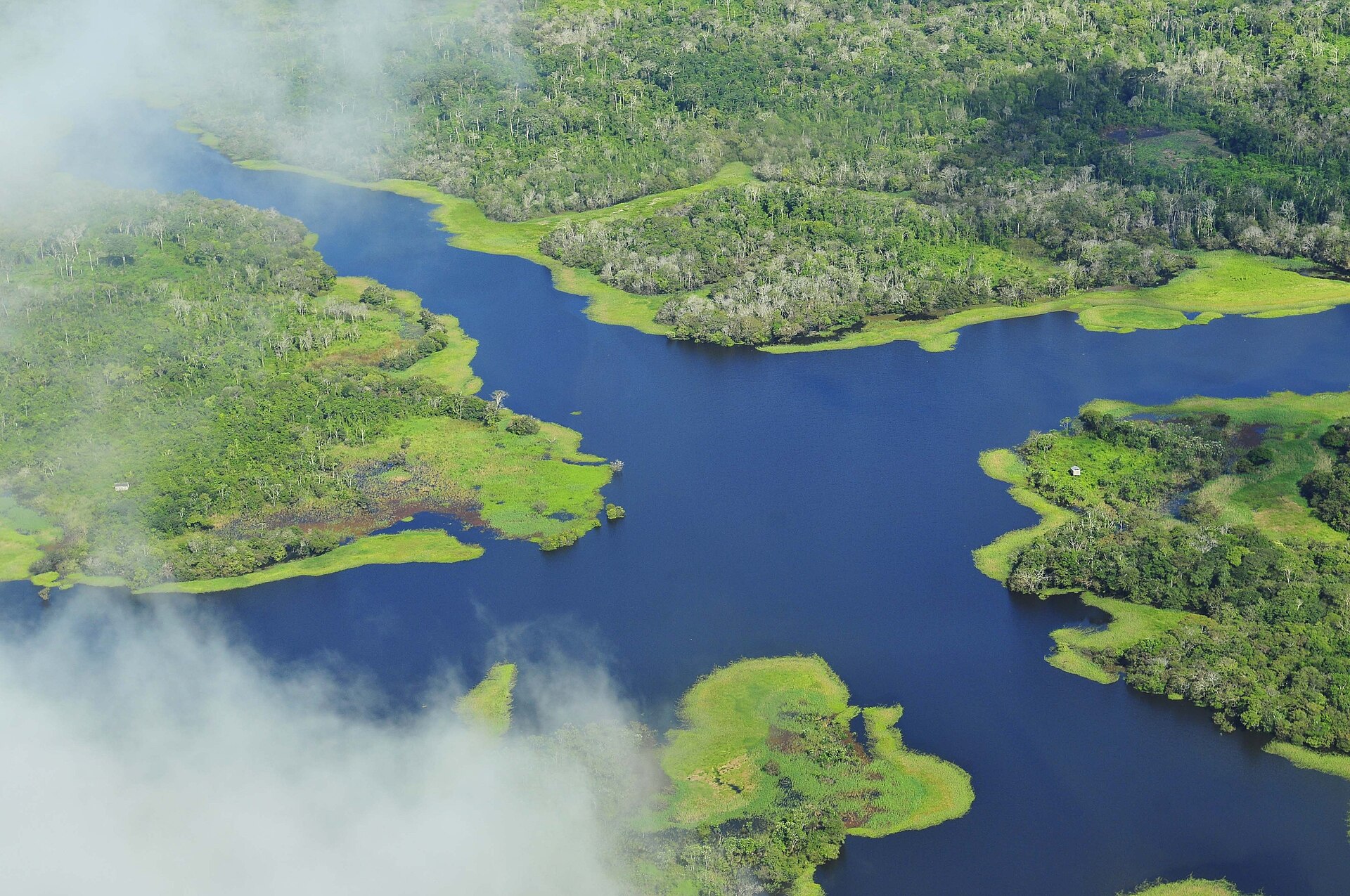
The Amazon is the largest river in the world by the volume of water it carries, winding across South America to the Atlantic Ocean. By some measures…
The Vikings were seafaring Norse people from Scandinavia who raided, traded, explored, and settled across much of Europe and beyond between roughly…
The Mona Lisa is a portrait painted by Leonardo da Vinci in the early sixteenth century, now hanging in the Louvre in Paris. The most famous painting…
The Industrial Revolution was the transition, beginning in Britain in the late eighteenth century, from making goods by hand to making them with…
Lamarckism is the discredited idea that organisms can pass on to their offspring the characteristics they acquire during their lifetime. Its classic…
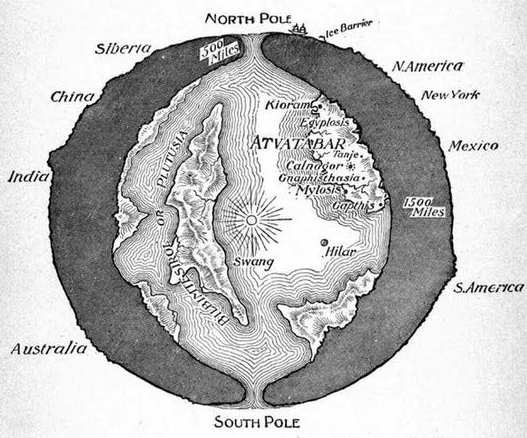
The hollow Earth was the idea that our planet is not solid but hollow, perhaps containing a habitable inner world, or even inner suns and…
Perpetual motion is the idea of a machine that runs forever without any energy source, or that produces more energy than it consumes. Inventors have…
Whether animals have conscious experiences, an inner life of feelings and awareness, is a deep and genuinely contested question. That many animals…
The Bronze Age collapse was a sudden, widespread breakdown of civilizations around the eastern Mediterranean roughly 3,200 years ago. Within a few…
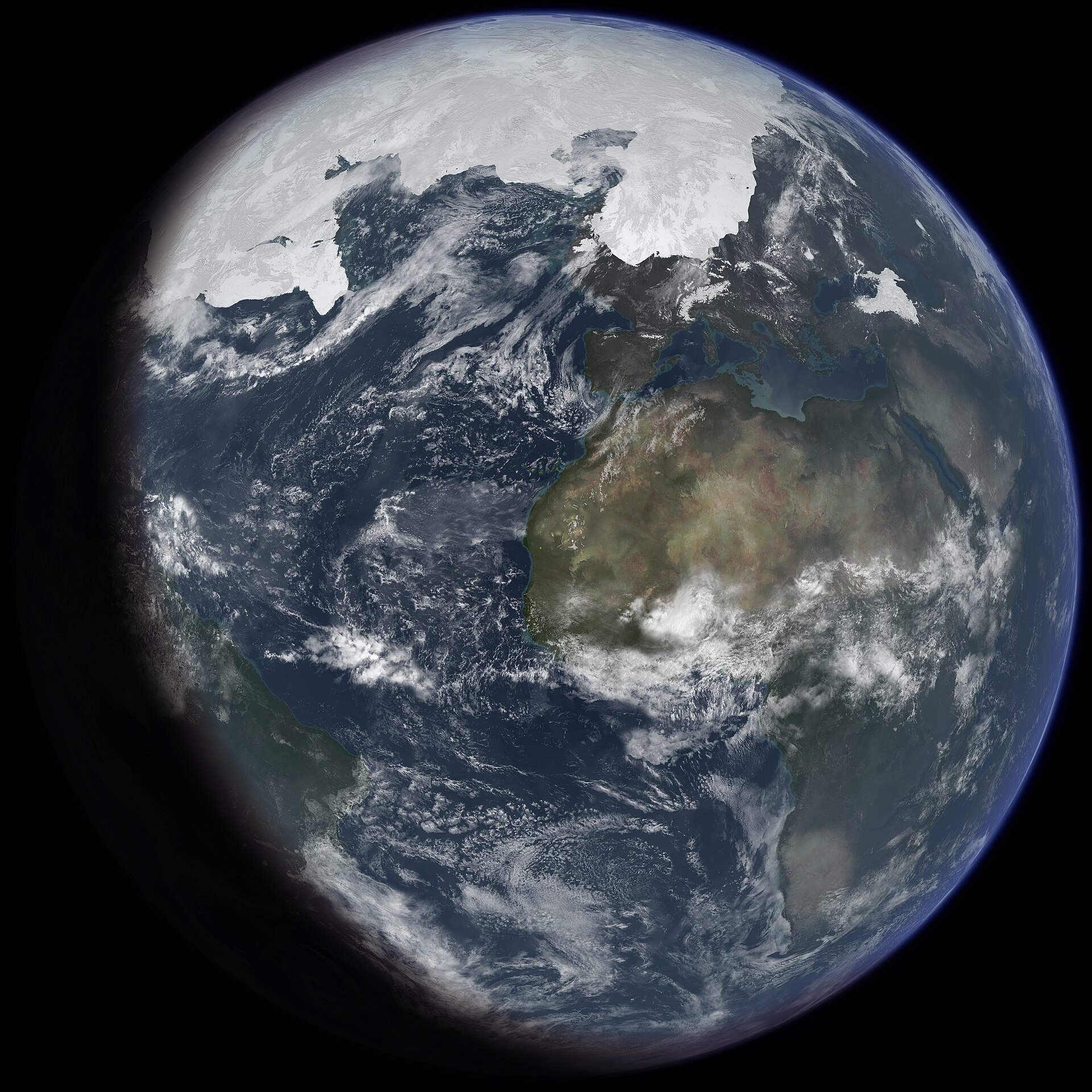
Throughout its history, the Earth has repeatedly cooled into ice ages, when vast sheets of ice spread across the continents, and warmed again between…
Newton's laws of motion are three principles, set out by Isaac Newton in 1687, that describe how objects move under the action of forces. For more…
The circulation of blood is the continuous movement of blood around the body, pumped by the heart through a network of vessels. This understanding,…
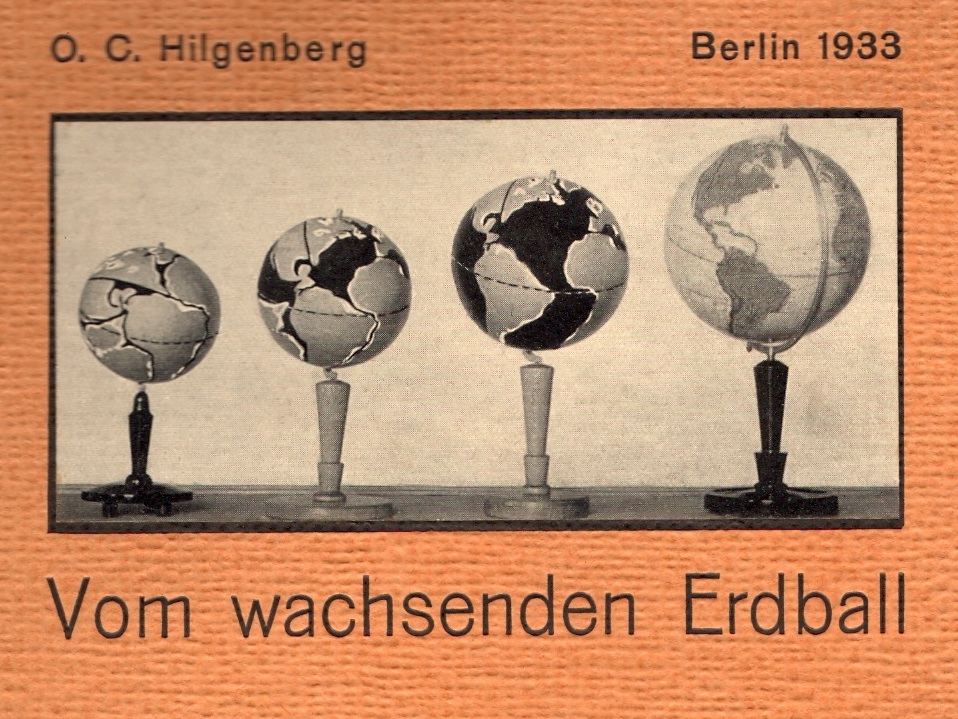
The Earth is about 4.54 billion years old. This figure, once fiercely debated, is now established with great precision through the radioactive dating…
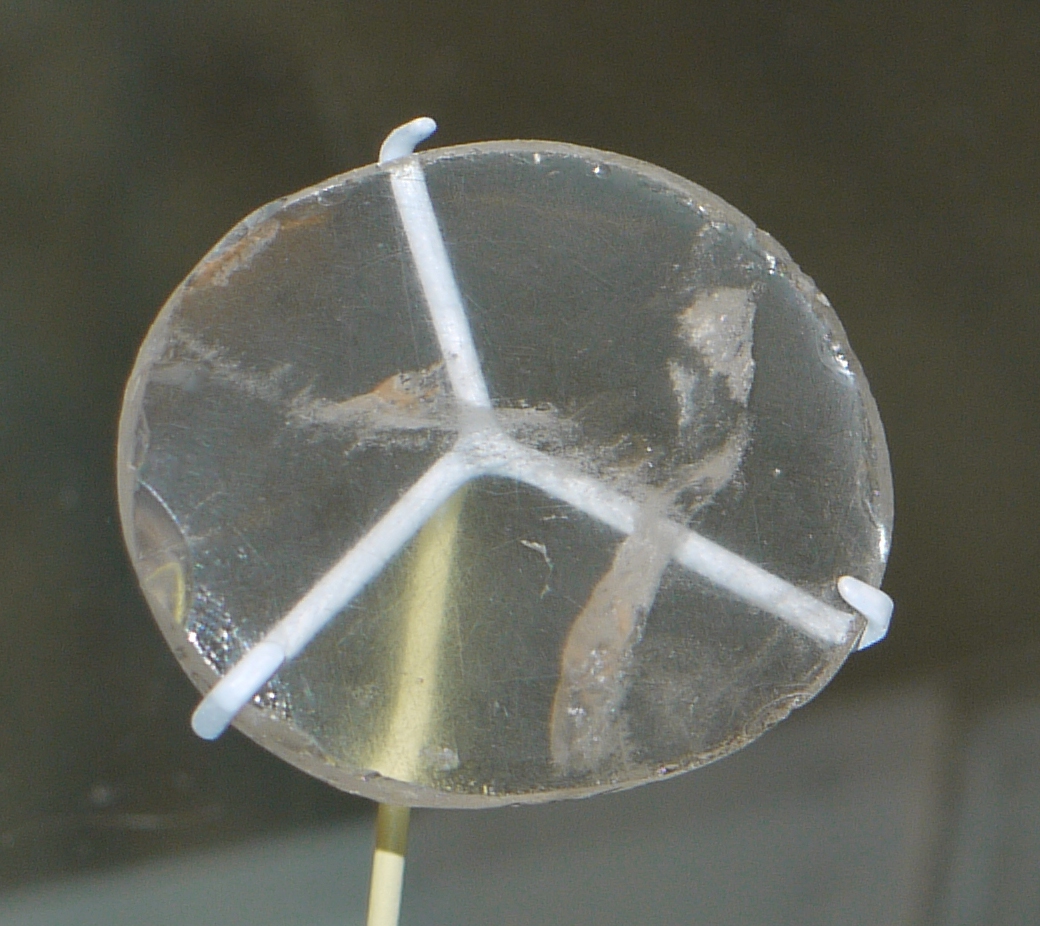
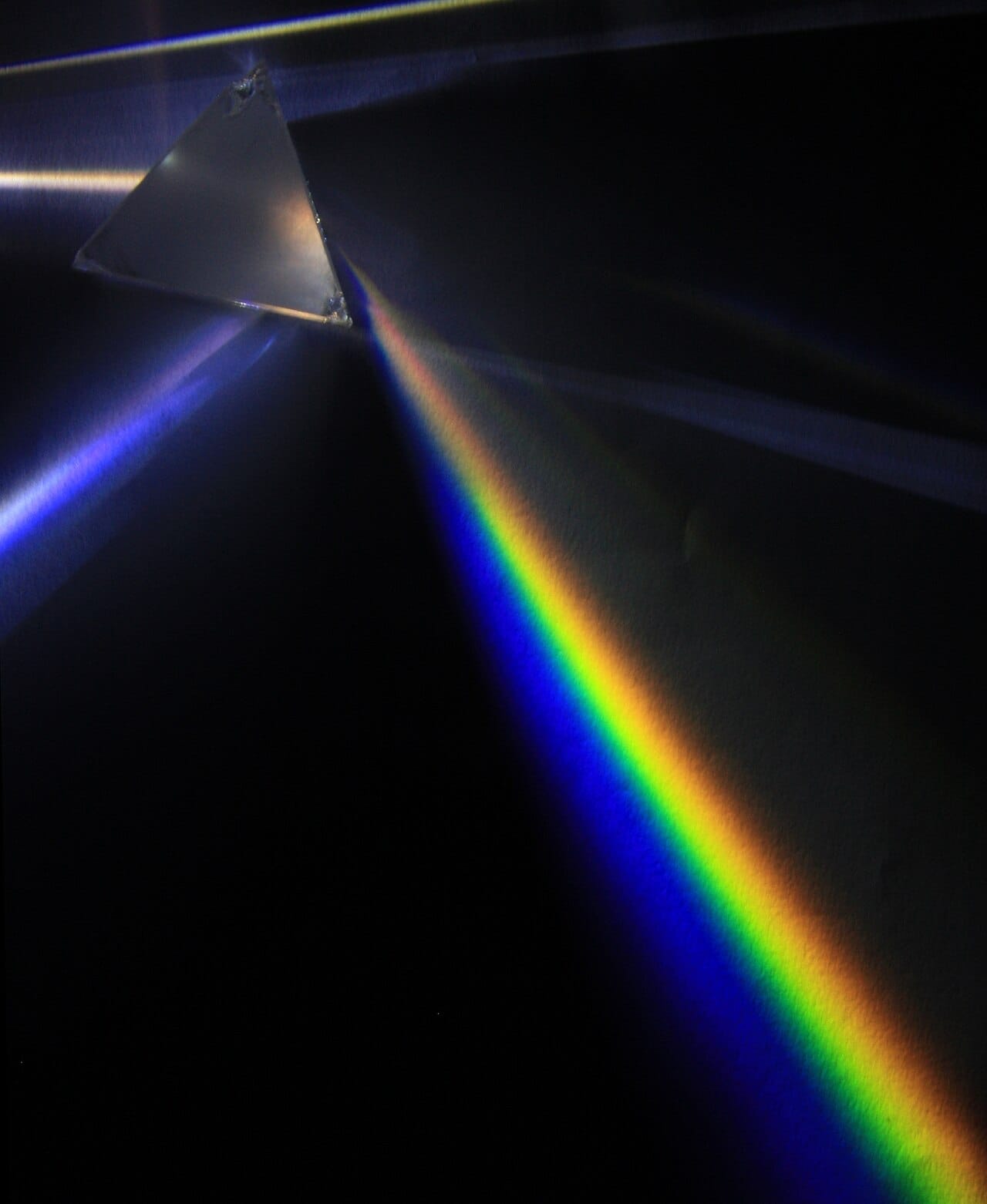
Optics is the branch of physics that studies light: how it travels, how it interacts with matter, and how it can be controlled with lenses and…
Quantum mechanics is the branch of physics that describes the behaviour of matter and energy at the smallest scales, those of atoms and subatomic…
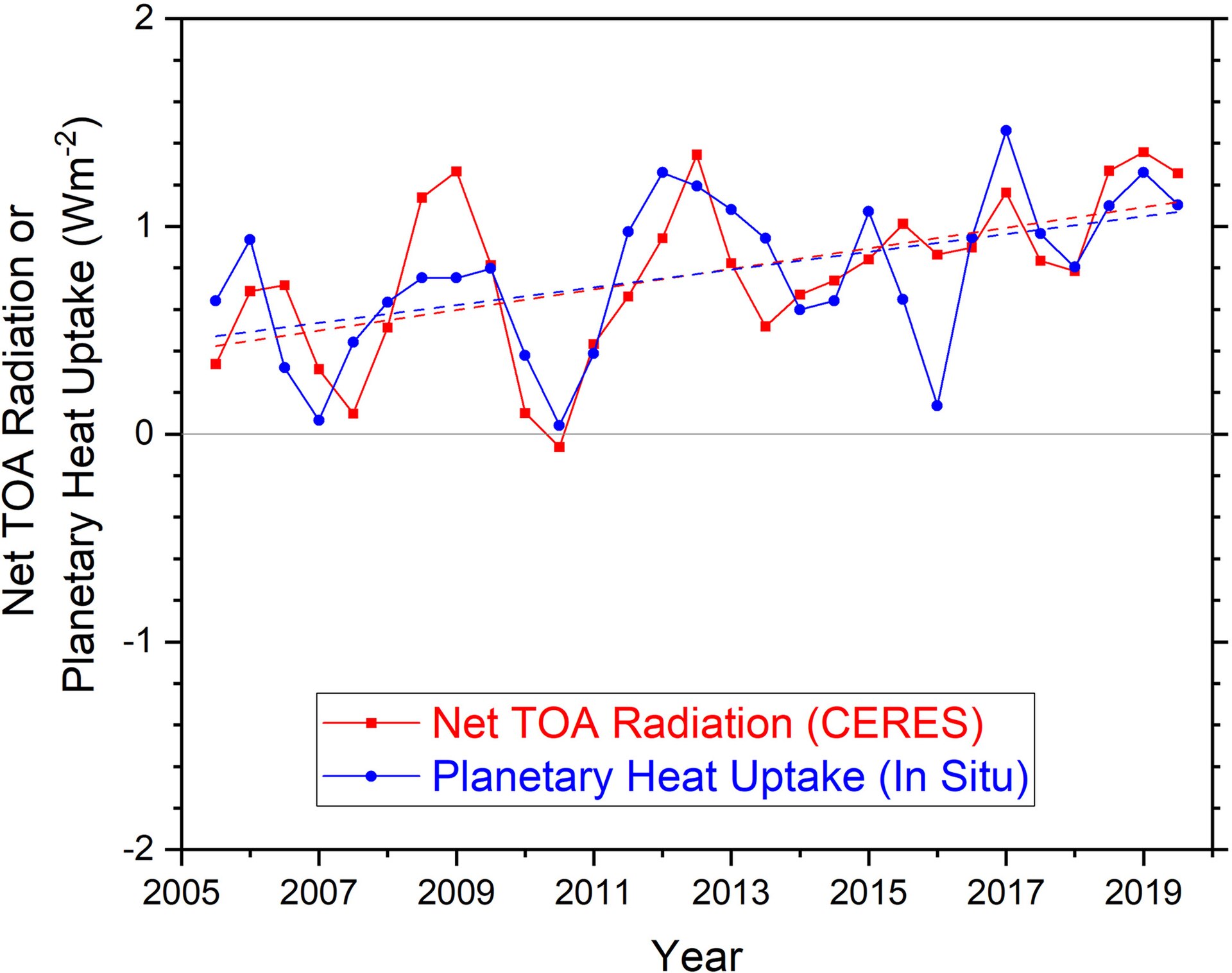
The greenhouse effect is the process by which certain gases in a planet's atmosphere trap heat, keeping the surface warmer than it would otherwise…