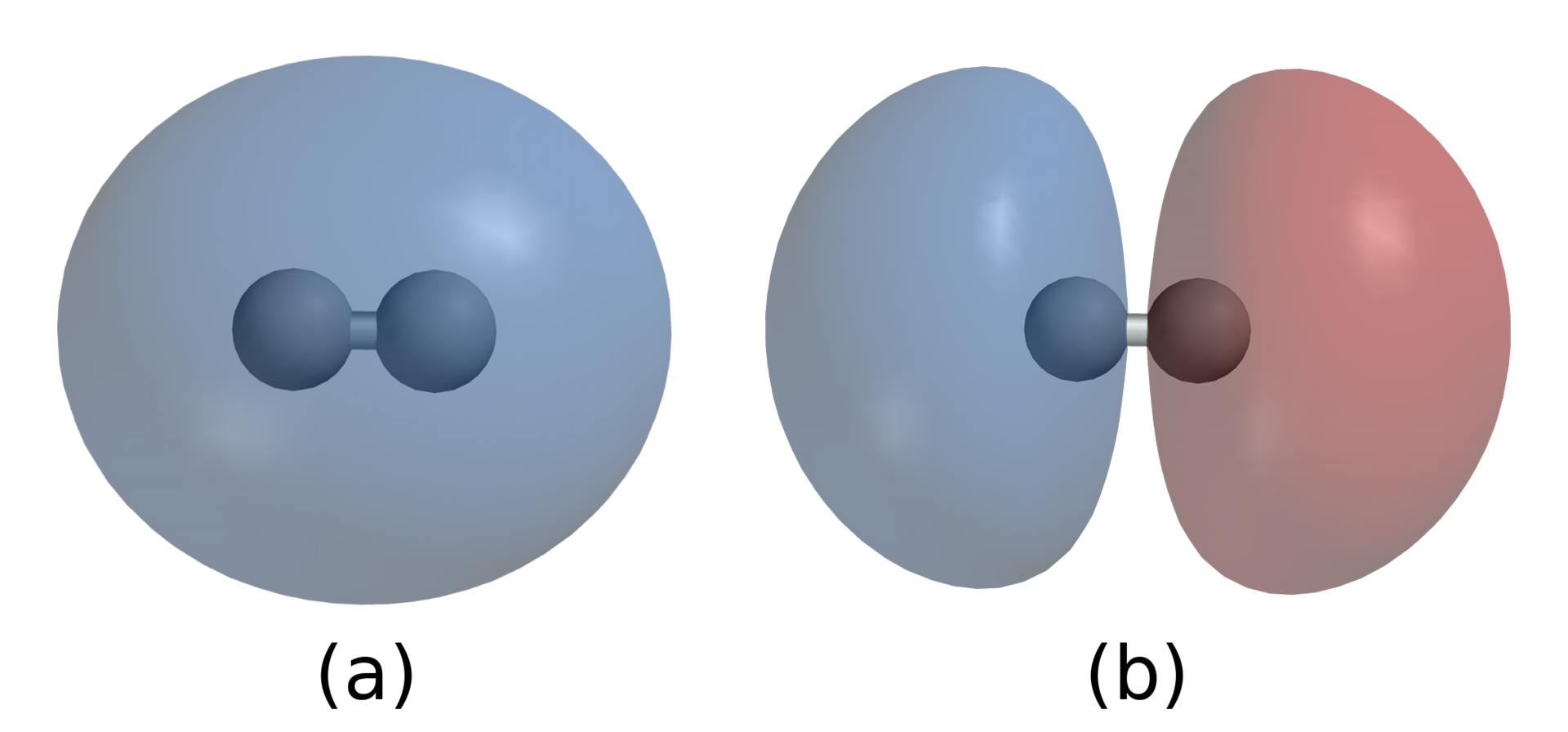
Chemical bonding is the theory of how atoms join together to form the molecules and materials that make up the world. The forces that hold atoms together, and the rules that govern them, explain why substances have the structures and properties they do. The understanding of bonding, built up over the past century and grounded in quantum physics, is one of the central achievements of chemistry.
The key to bonding lies in the electrons that surround each atom. Atoms tend toward arrangements in which their outer electrons form stable configurations, and they achieve this by sharing or transferring electrons with other atoms. The resulting attractions bind the atoms together. The particular way they do so determines whether a substance is a gas, a brittle crystal, a flexible plastic, or a gleaming metal.
Chemists recognise a few main types of bond. In an ionic bond, one atom transfers electrons to another, and the resulting oppositely charged ions attract, as in common salt. In a covalent bond, atoms share electrons, as in water or the gases of the air. In a metallic bond, atoms pool their outer electrons into a shared sea that lets metals conduct electricity and bend without breaking. These types grade into one another and explain a vast range of materials.
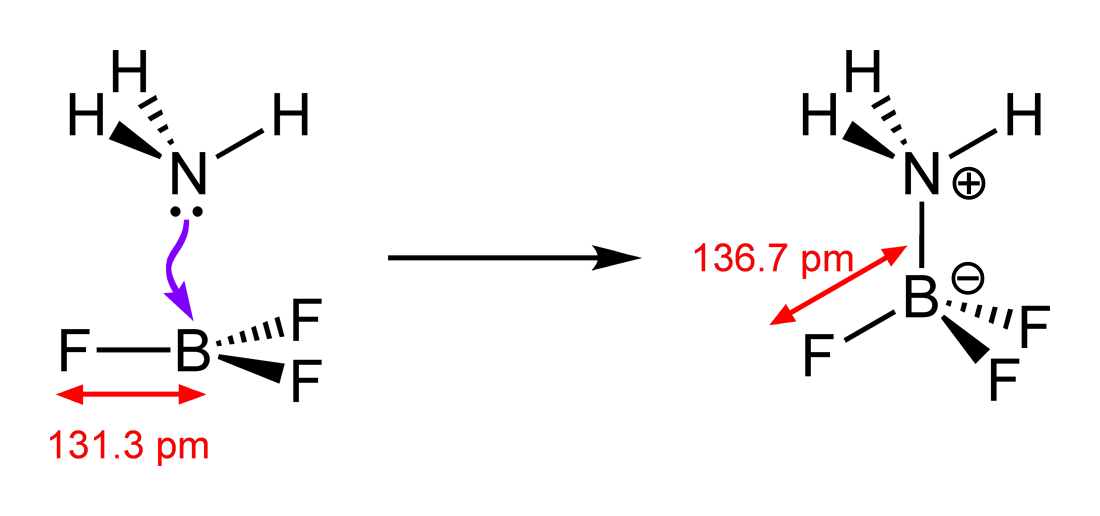
The understanding of bonding has deepened over time. An early and still useful picture represented shared and transferred electrons as dots around atoms, capturing many patterns with simple rules. The deeper explanation came from quantum physics, which describes electrons as occupying regions of space called orbitals and shows precisely how those orbitals combine when atoms bond. These quantum models predict the shapes, strengths, and behaviour of molecules with great accuracy.
Every chemical reaction is, at heart, the making and breaking of bonds, and the properties of every material flow from how its atoms are joined. The theory of chemical bonding is therefore the thread that ties together the whole of chemistry, from the design of drugs and plastics to the workings of life itself, explaining the structure of matter from the simplest molecule to the most complex.
