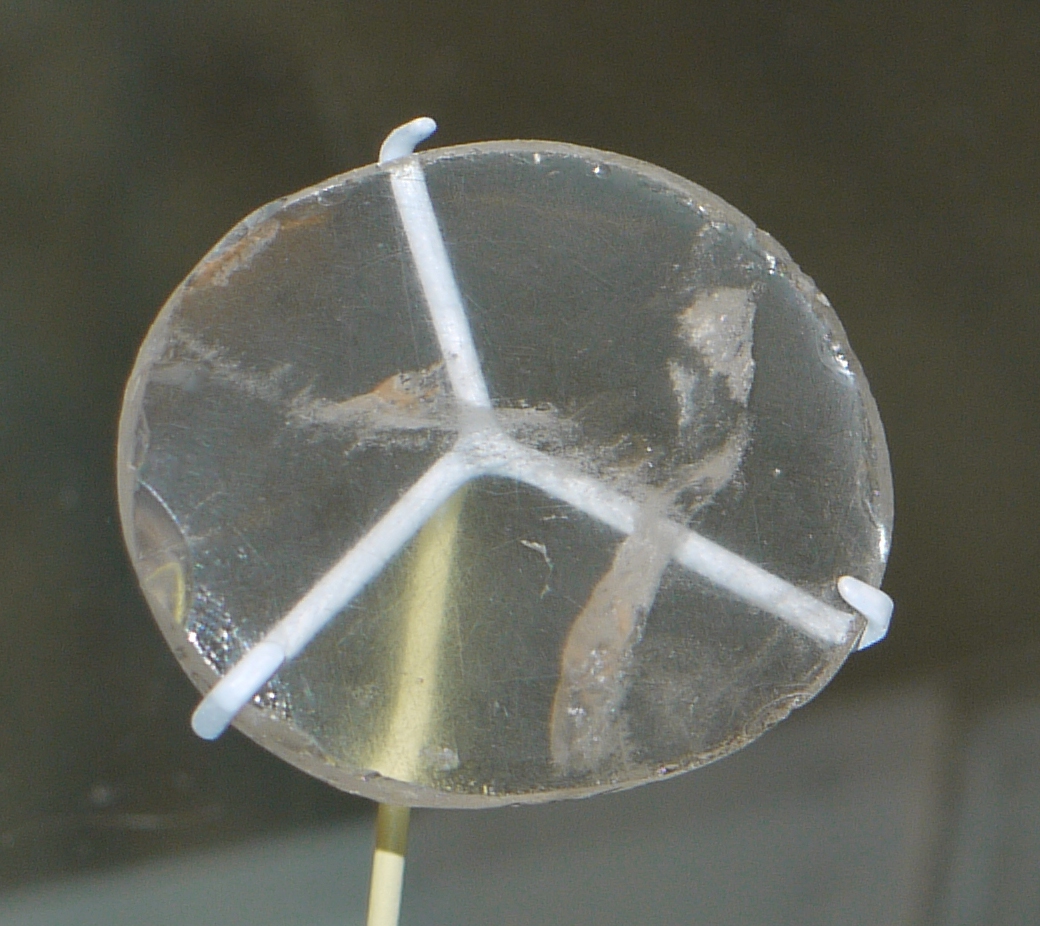
Optics is the branch of physics that studies light: how it travels, how it interacts with matter, and how it can be controlled with lenses and mirrors. It is both an ancient field of study and the foundation of much modern technology.
Light is a form of energy that travels as a wave, and also, in the quantum view, as a stream of particles called photons. It moves at the fastest speed in the universe, almost 300,000 kilometres per second, and carries the colours we see, each corresponding to a different wavelength.
When light meets a surface it can bounce off, a process called reflection. A smooth mirror reflects light in an orderly way, forming clear images, while a rough surface scatters it. The simple rule that the angle of incoming light equals the angle of reflection underlies every mirror and many optical instruments.
When light passes from one material into another, such as from air into water or glass, it bends, a process called refraction. This is why a straw looks broken in a glass of water, and why lenses can focus light. The bending happens because light travels at different speeds in different materials.
White light is a mixture of all colours, as Newton showed by splitting sunlight with a prism into a rainbow band. Each colour bends by a slightly different amount, which is how a prism, or a raindrop, spreads light into a spectrum. Colour, in the end, is the eye's response to different wavelengths.
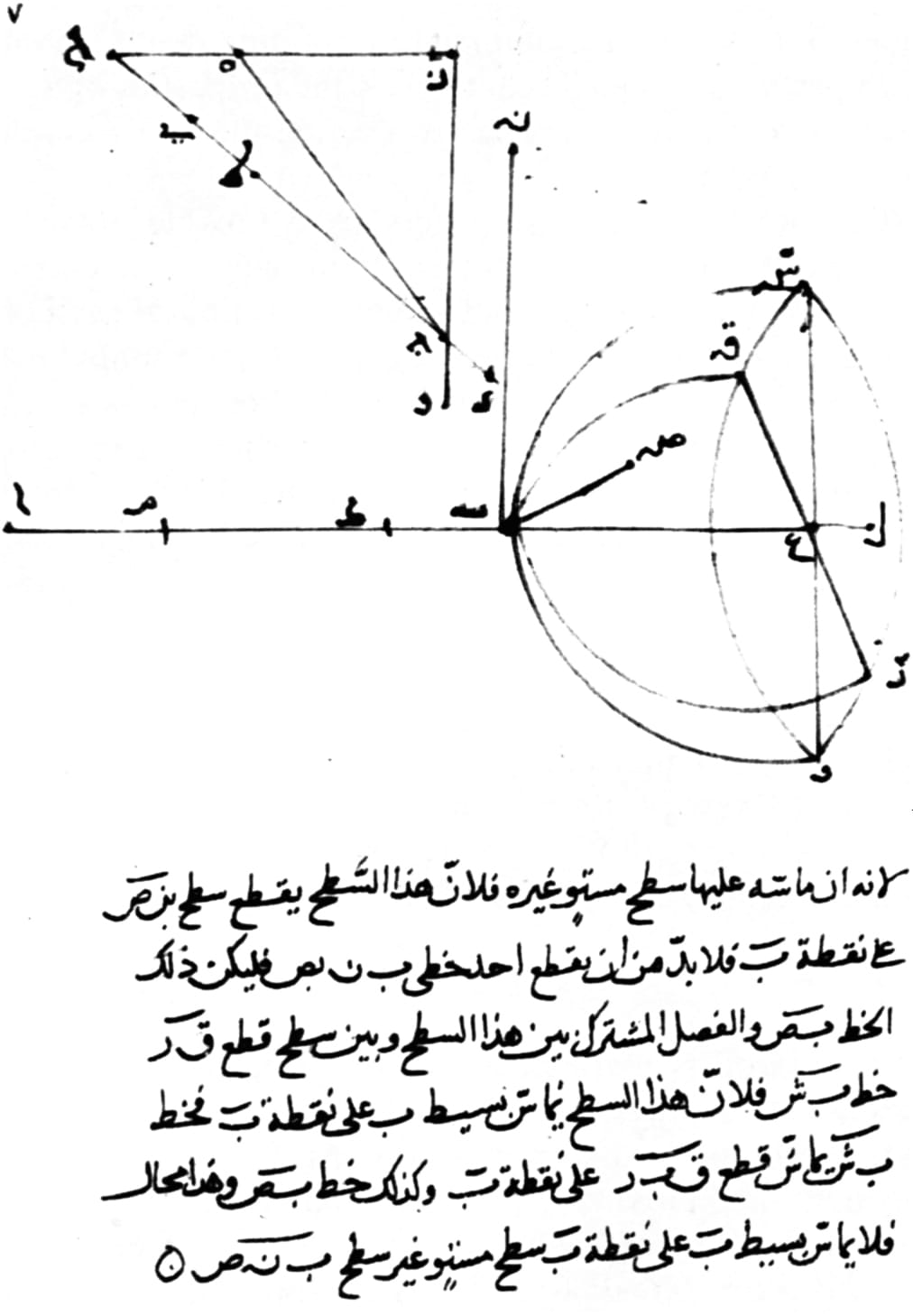
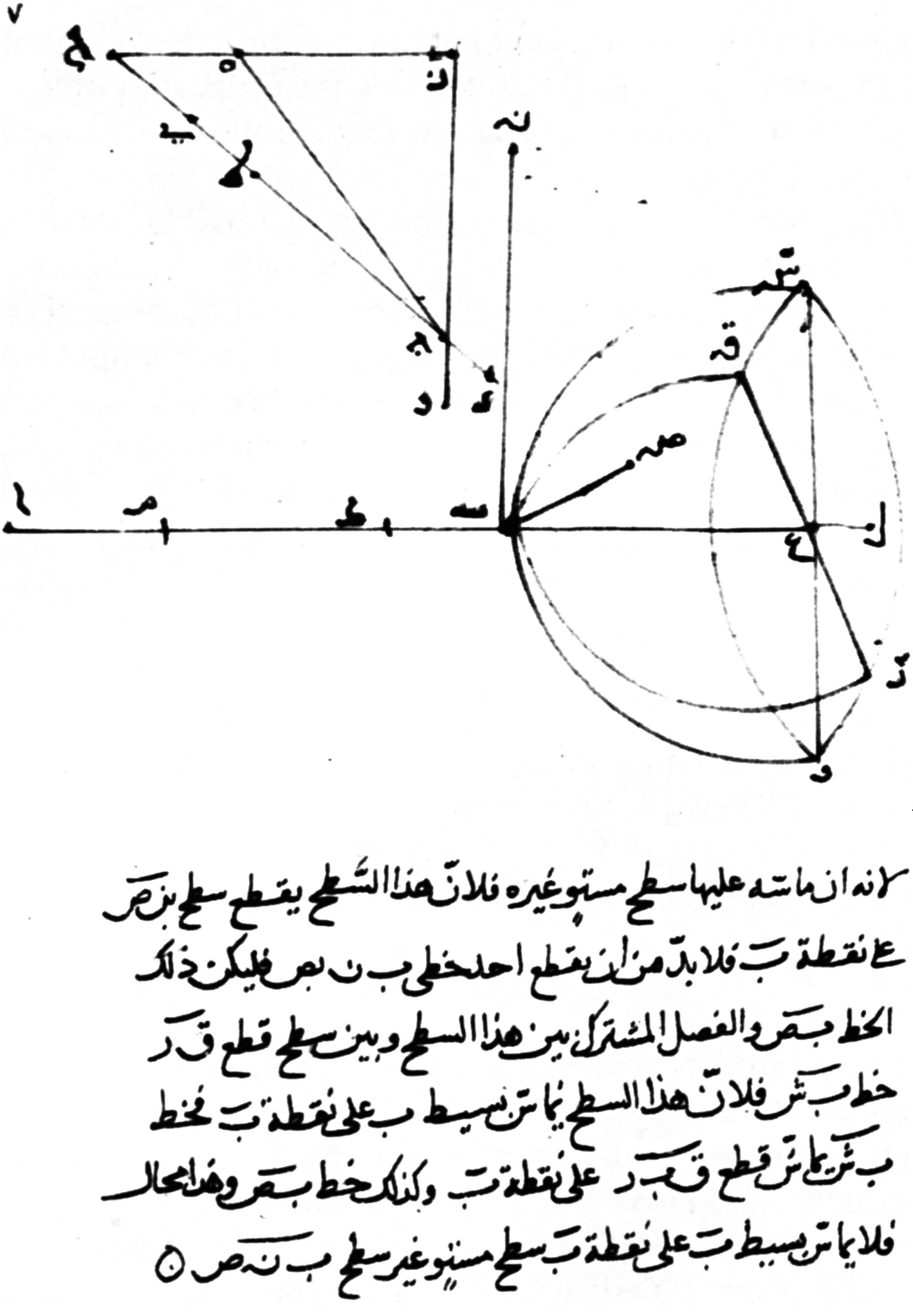
People have used lenses and studied light for thousands of years. Scholars of the medieval Islamic world, above all Ibn al-Haytham, transformed optics into an experimental science, correctly explaining that we see because light enters the eye, overturning the old idea that the eye sent out rays.
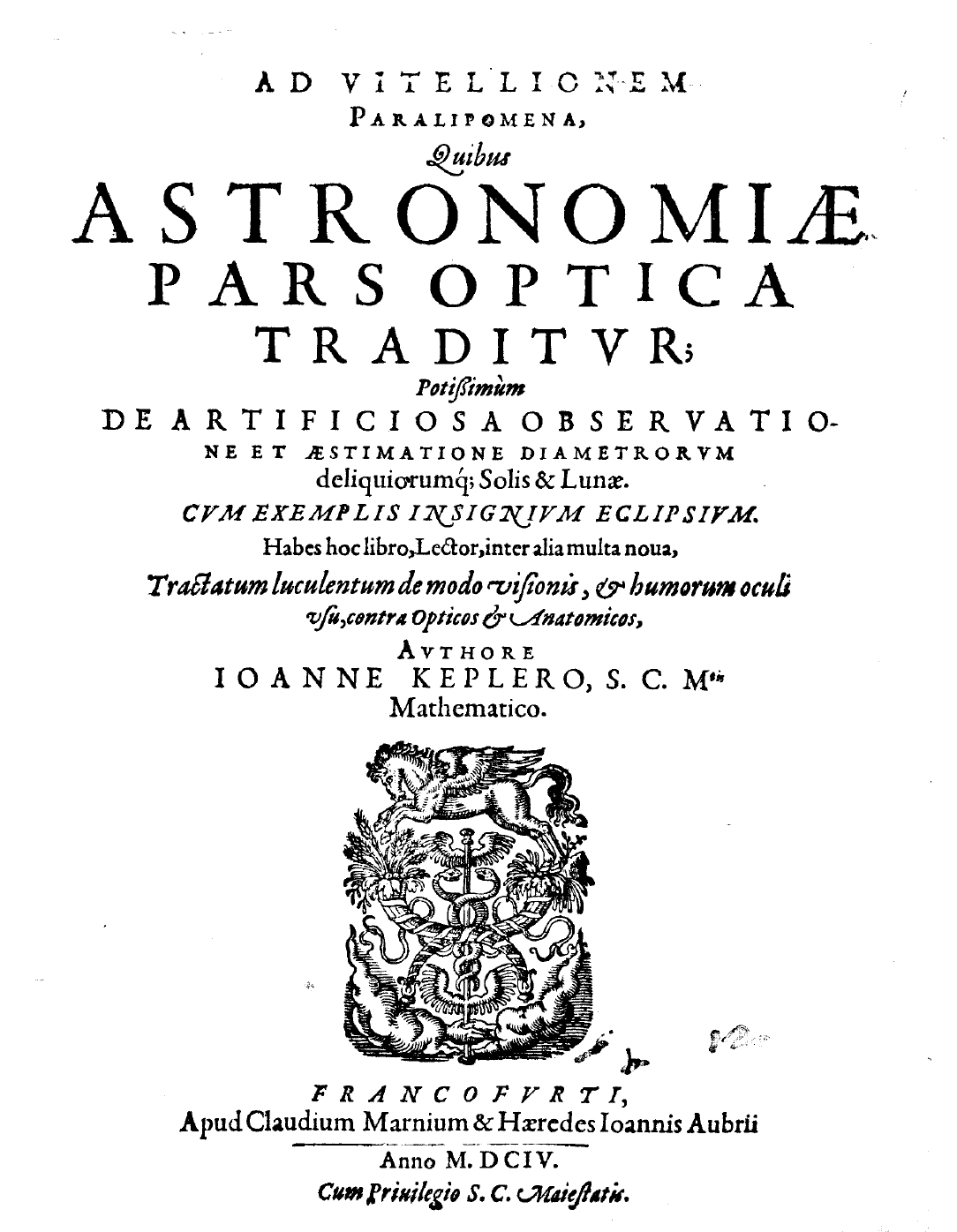
Later thinkers such as Kepler, Newton, and Huygens deepened the understanding of lenses, colour, and the nature of light itself. They argued fiercely over whether light was a wave or a stream of particles. The puzzle was only resolved in the twentieth century, when quantum physics showed it is, astonishingly, both.
The science of optics makes possible an enormous range of tools. Eyeglasses and contact lenses correct vision, cameras capture images, microscopes reveal the tiny, and telescopes bring the distant near. All of them work by carefully bending and focusing light using lenses and mirrors.
Modern optics extends far beyond images. Fibre optic cables, thin threads of glass, carry the Internet's data as pulses of light across the world. Lasers, beams of pure, focused light, are used in surgery, manufacturing, and barcode scanners. By understanding and shaping light, optics has expanded both our vision and our technology.