Maslow's hierarchy of needs is a theory in psychology proposing that human motivations are arranged in levels, with basic needs that must be largely met before higher ones become pressing. Usually drawn as a pyramid, it has become one of the most widely known ideas in psychology, taught in business, education, and healthcare alike, even as researchers debate how well it stands up to evidence.
The theory holds that people are driven by a ladder of needs, from the most basic upward. At the bottom are physiological needs such as food, water, and sleep; above them safety and security; then love and belonging; then esteem and recognition; and at the top what its author called self-actualisation, the desire to fulfil one's potential. The idea is that lower needs generally take priority, and that attention turns to higher ones as the lower are satisfied.
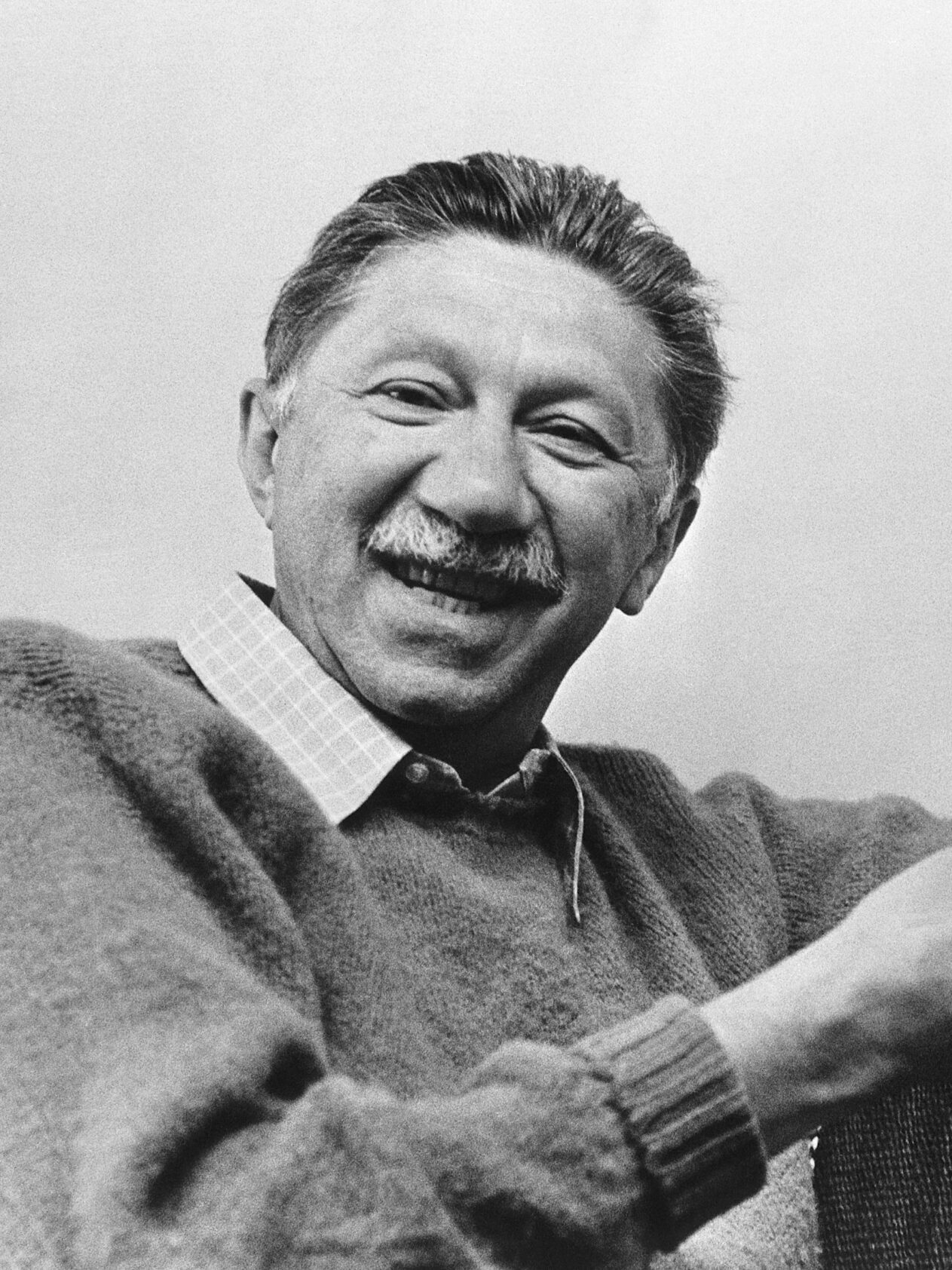
The theory was developed by the American psychologist Abraham Maslow in the 1940s. Unlike many psychologists of his day, who focused on mental illness, Maslow was interested in what makes people flourish, and he built his hierarchy from studies of what he saw as healthy, high-functioning individuals. The familiar pyramid diagram, it is worth noting, was not drawn by Maslow himself but added by later writers popularising his work.
For all its fame, the hierarchy is contested as science. Critics point out that there is little firm evidence that needs must be satisfied in a strict order: people often pursue meaning or connection while basic needs go unmet, and the ranking of needs varies across cultures. Maslow himself was more cautious and flexible than the rigid pyramid suggests. Many psychologists regard it as a useful rough framework rather than a precisely validated theory.
Whatever its scientific limits, Maslow's hierarchy has had an enormous influence on how people think about motivation, shaping management, marketing, education, and self-help for decades. Its core insight, that human needs are layered and that the pressing concerns of a person depend on which needs are already met, remains a memorable and broadly useful way of thinking about what drives human beings.