Burundi is a small, landlocked country in the Great Lakes region of East Africa, lying just south of the equator between the Democratic Republic of the Congo, Rwanda, and Tanzania, on the shores of Lake Tanganyika. Densely populated, mountainous, and overwhelmingly rural, it is one of the poorest nations in the world. Like its northern neighbour Rwanda, with which it shares much, Burundi has been scarred by deep tensions between its Hutu and Tutsi communities, which erupted into cycles of violence and a long civil war, even as its people preserve rich traditions, including a famous heritage of sacred royal drumming.
Burundi's history is often assumed to be a copy of Rwanda's, and it is not. The two countries share a language, a landscape, and the same three social categories, but the sequence of events ran differently, and in Burundi the violence began earlier and the Tutsi minority held the state for far longer.
For several centuries Burundi was a kingdom under a mwami, ruling through a princely class, the ganwa, and a court whose regalia centred on sacred drums that were themselves treated as royal objects rather than instruments. Hutu, Tutsi, and Twa existed as social categories within that structure, distinguished largely by occupation and status, cattle-keeping and cultivation, and were not the rigid, oppositional groupings they later became. The kingdom's cohesion was strong enough that it survived colonisation as an institution.
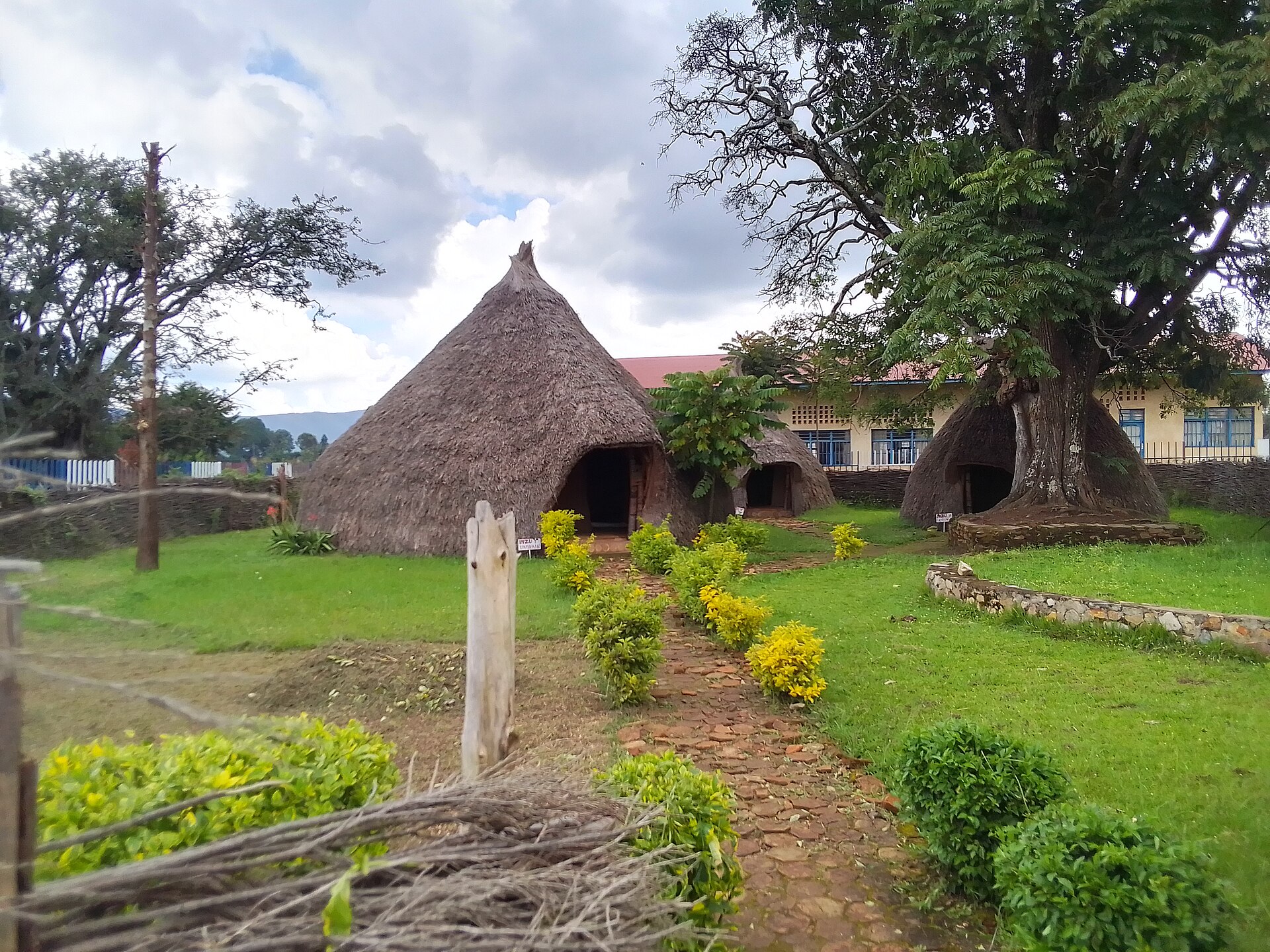
Germany claimed the territory in the 1890s and ruled through the existing monarchy. Belgium took it after the First World War and administered it with Rwanda as Ruanda-Urundi under League of Nations and then United Nations mandate. Belgian administration, together with the Catholic missions, treated Hutu and Tutsi as distinct races on the basis of theories now wholly discredited, favoured Tutsi for education and administrative posts, and issued identity documents recording the category, which turned a fluid social distinction into a fixed and inheritable one. That change, more than anything from before it, set up what followed.
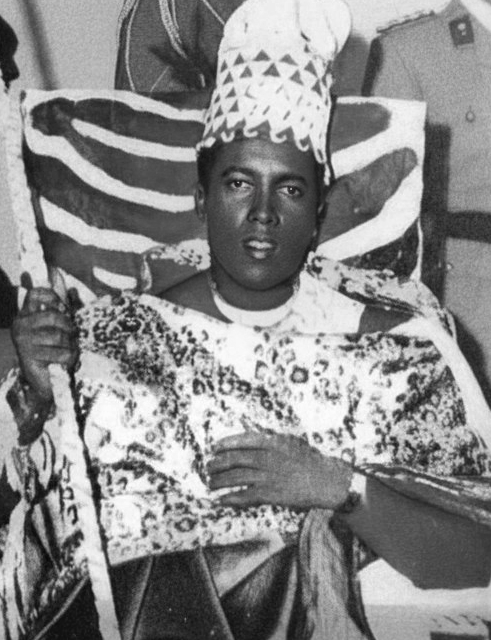
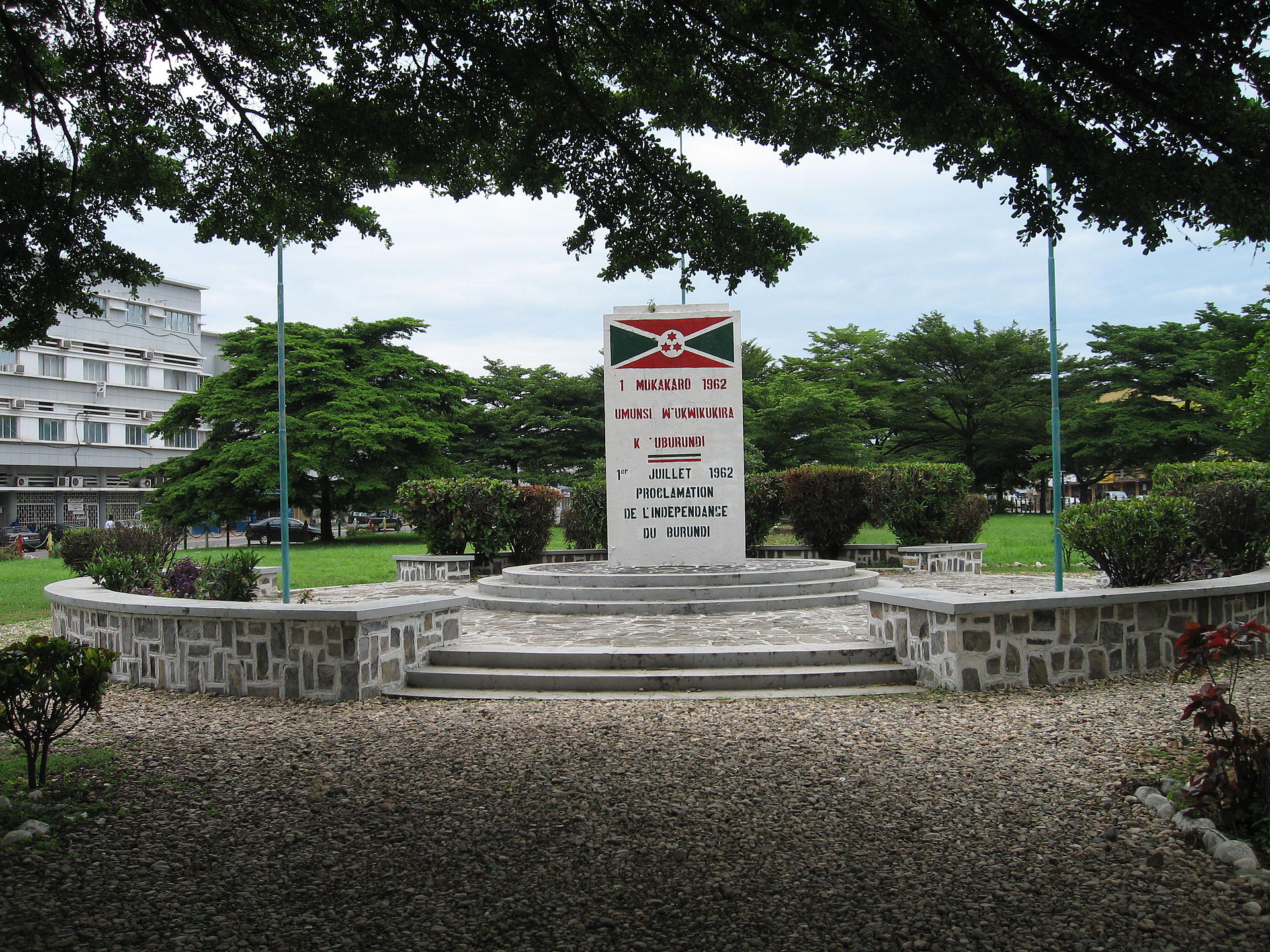
Burundi became independent in 1962 as a kingdom under Mwami Mwambutsa the Fourth. Prince Louis Rwagasore, his son and the leader of a nationalist party that had won overwhelming cross-community support, had been assassinated the year before, removing the one figure who might have held the country together. The monarchy was overthrown in 1966, and the young Ntare the Fifth was deposed within months by his prime minister, Michel Micombero, who declared a republic.
In 1972 a Hutu-led uprising in the south, in which thousands of Tutsi were killed, was answered by the Tutsi-dominated army with a campaign of killing directed particularly at educated Hutu, teachers, civil servants, students, and clergy. Estimates of the dead run from around 100,000 to 200,000, and hundreds of thousands fled to Tanzania and elsewhere. Many scholars characterise it as a genocide against Hutu, and it received very little international attention at the time. Ntare the Fifth, who had returned under a guarantee of safety, was killed.
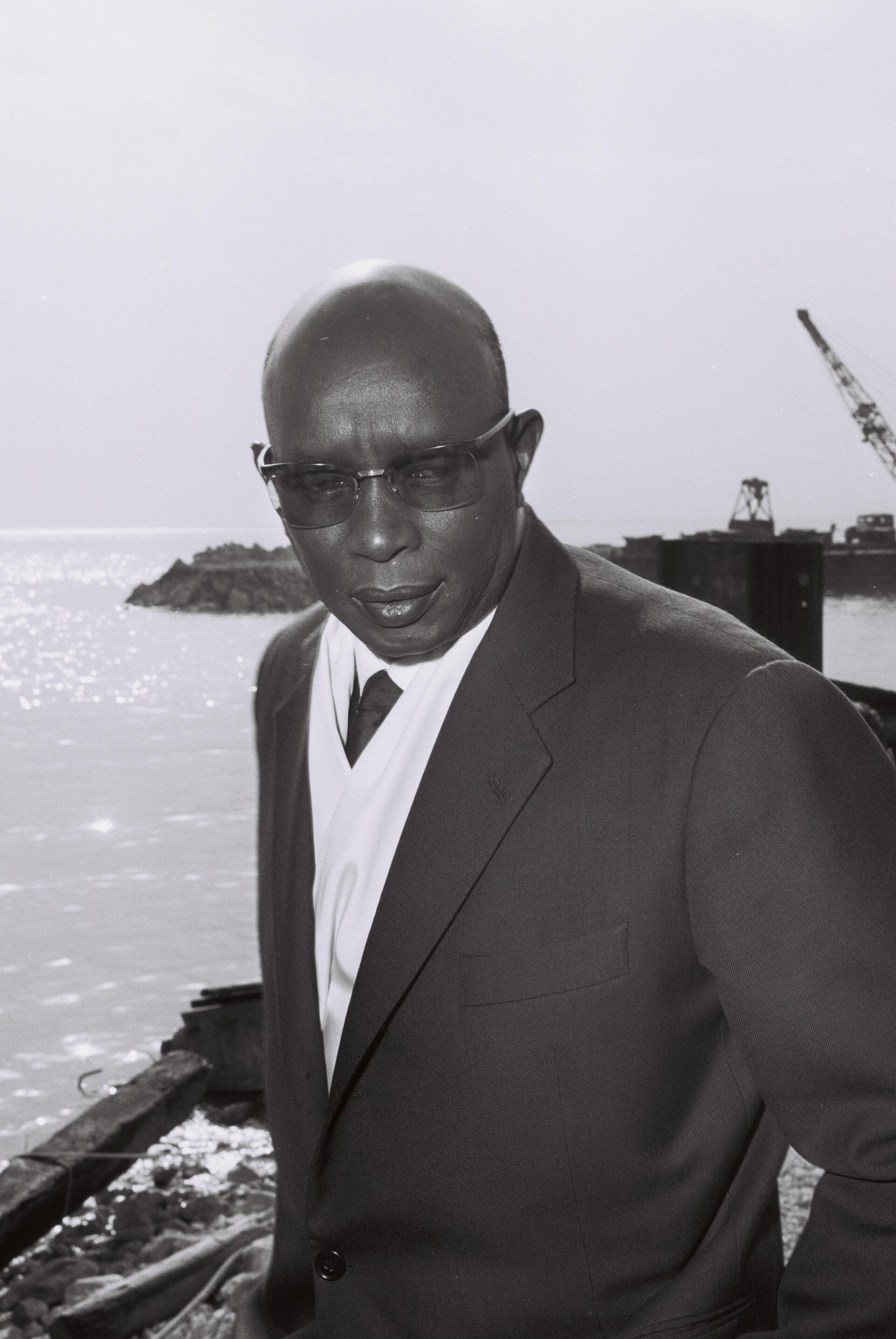
Military rule by a Tutsi-dominated establishment continued into the 1990s. In 1993 Burundi held its first genuinely competitive elections, and Melchior Ndadaye, a Hutu, won. He was assassinated by soldiers within months, and the country fell into a civil war that lasted roughly twelve years and killed some three hundred thousand people. It ran alongside, and became entangled with, the Rwandan genocide next door and the wars in Congo.
The war was ended not by victory but by negotiation, principally at Arusha under the mediation of Julius Nyerere and then Nelson Mandela. The settlement that emerged is genuinely unusual and is Burundi's most significant contribution to the politics of divided societies: fixed ethnic quotas written into the constitution, with the government and parliament sixty per cent Hutu and forty per cent Tutsi, the army split evenly between them, and rules requiring cross-community majorities. Whatever else has gone wrong since, that architecture has held, and the country's subsequent crises have not run along Hutu and Tutsi lines.
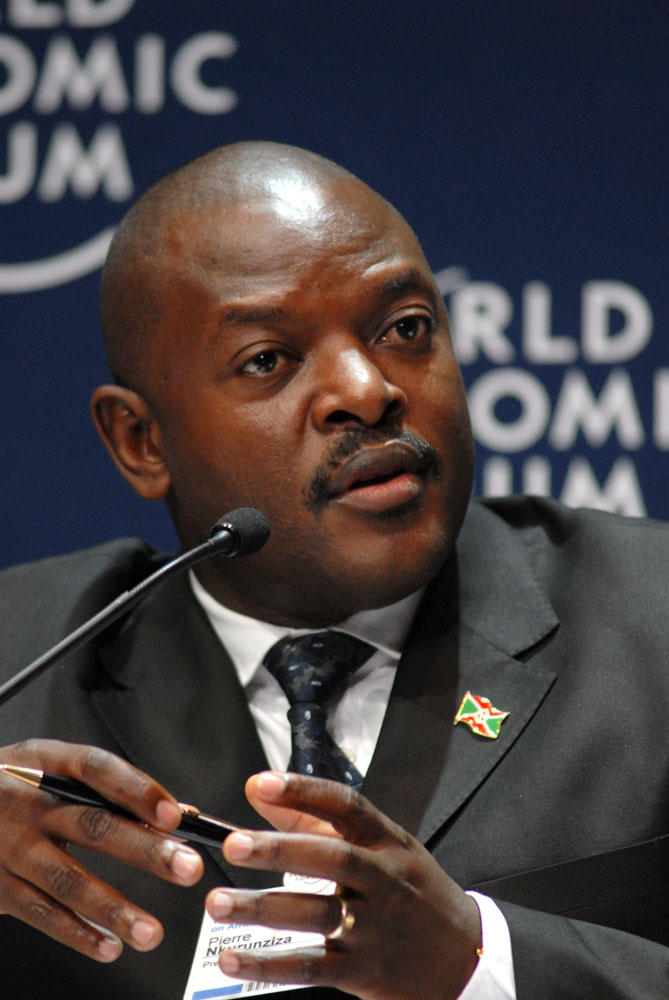
Pierre Nkurunziza, a former rebel leader, became president in 2005 and governed for fifteen years. In 2015 he sought a third term, arguing that his first had not counted because parliament rather than the electorate had chosen him. The claim was contested as a breach of the Arusha agreement, protests broke out, a coup attempt failed, and the crackdown that followed killed over a thousand people and drove hundreds of thousands into exile. Burundi withdrew from the International Criminal Court in 2017, the first state to do so, as that court opened an investigation. Notably, the crisis divided the political class rather than the communities, with Hutu and Tutsi on both sides of it.
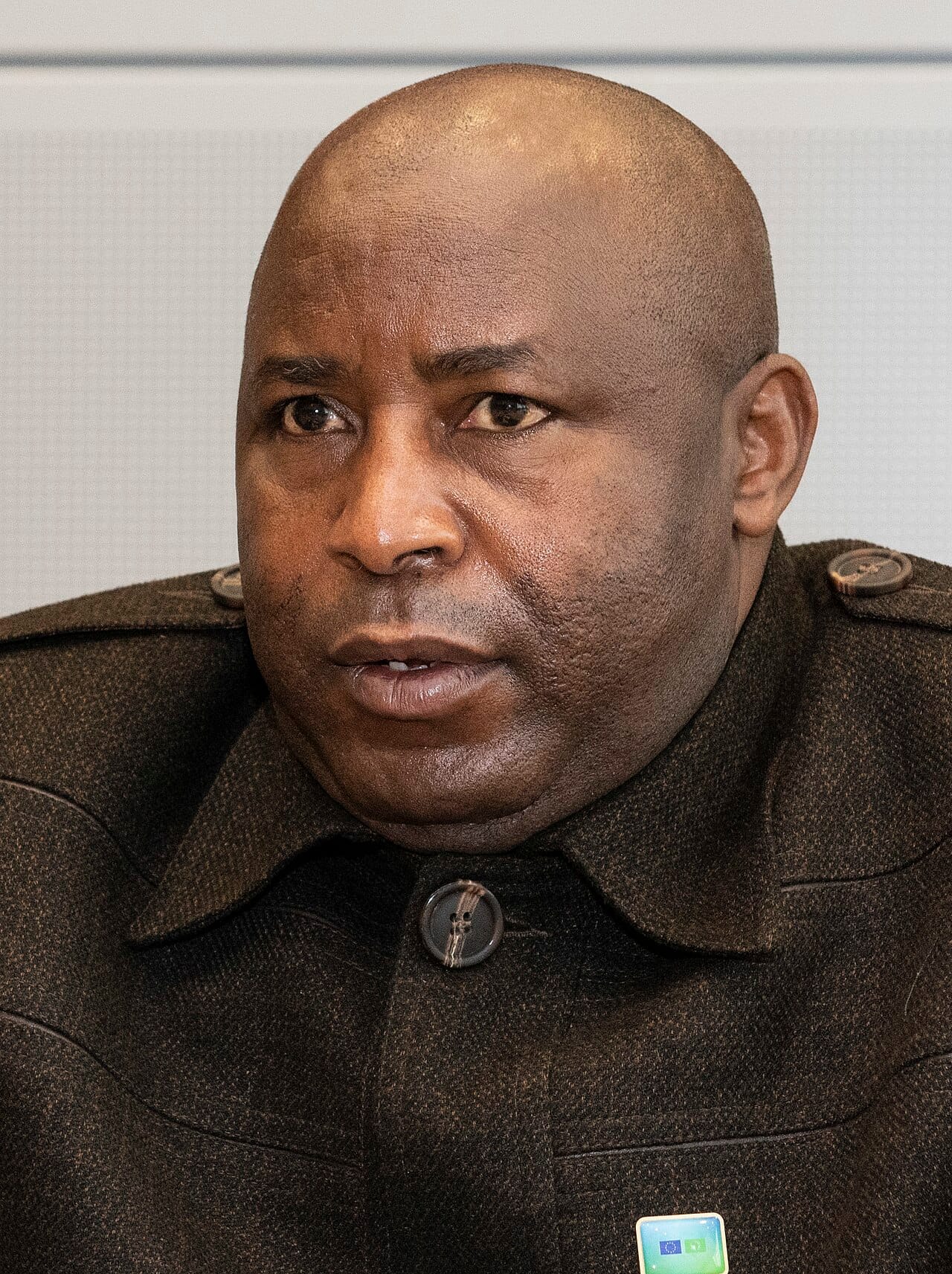
Nkurunziza died suddenly in 2020, weeks after an election had chosen his successor. Evariste Ndayishimiye, a general from the same ruling party, took office and has pursued a partial reopening: relations with the European Union and neighbours were repaired, some detained journalists released, and sanctions eased. The ruling CNDD-FDD nonetheless remains overwhelmingly dominant, opposition space is narrow, and independent media and civil society operate under heavy constraint. Burundi has also been drawn back into eastern Congo, deploying troops there against armed groups.
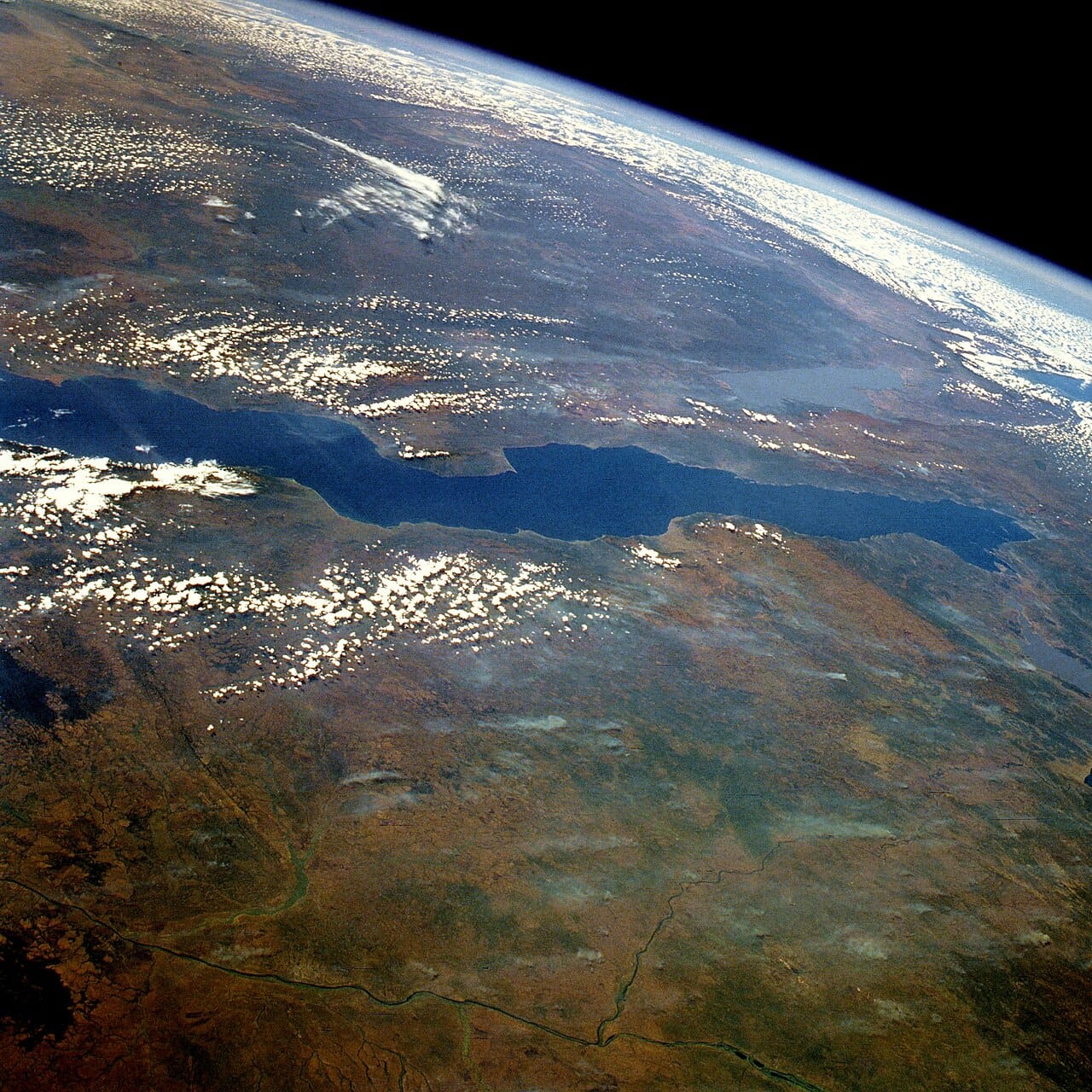
Burundi is small, landlocked, and almost entirely hills. A high plateau runs down the centre, reaching over two thousand metres along the Congo-Nile divide, and drops steeply in the west into the Great Rift Valley and the Ruzizi plain to Lake Tanganyika. The lake is the second deepest and second oldest in the world and holds an extraordinary radiation of endemic cichlid fish; it also supplies much of the country's protein. Altitude moderates what would otherwise be an equatorial climate, giving the highlands a temperate feel.
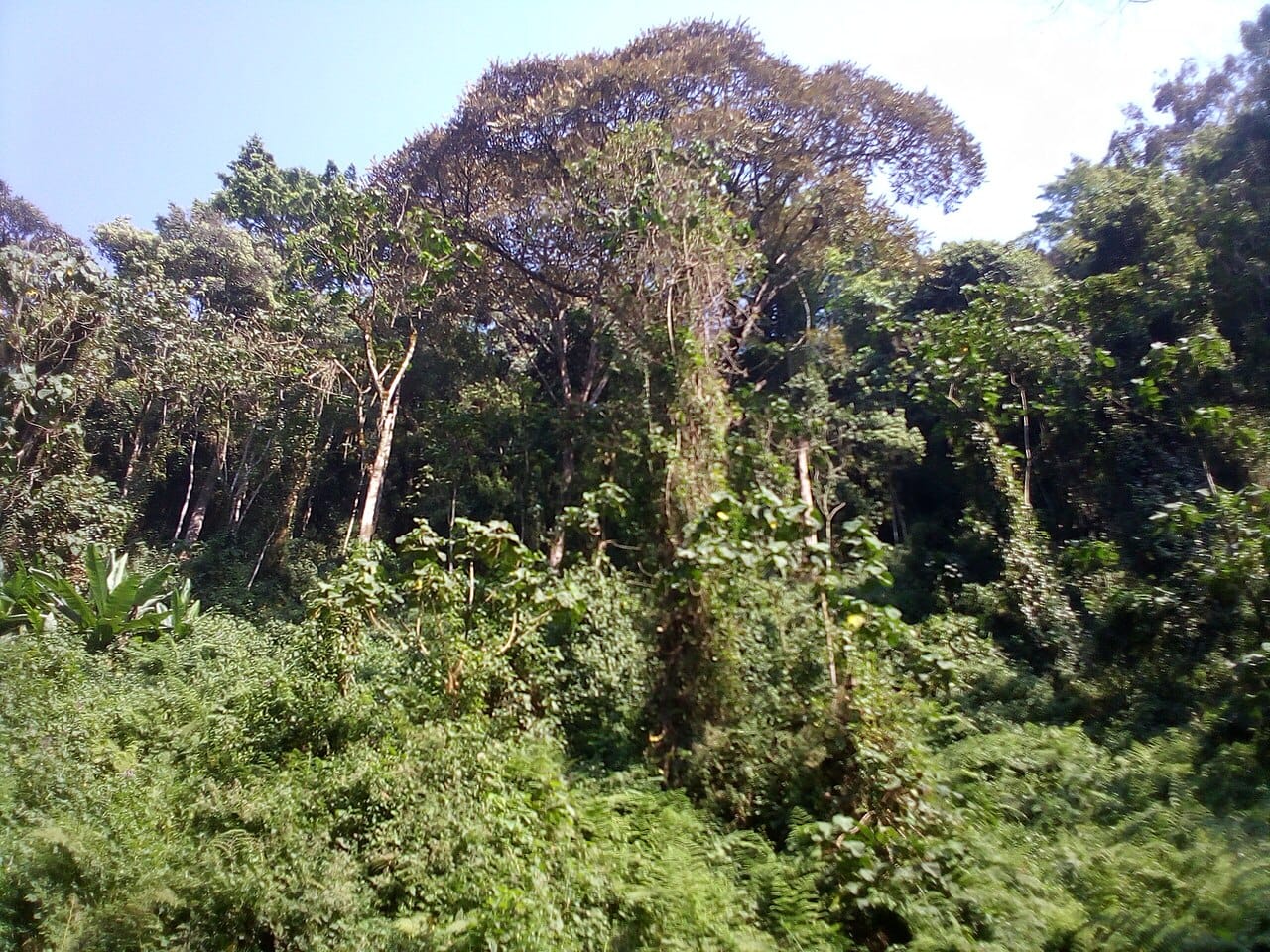
One of the Nile's most distant sources rises in the Burundian highlands at Rutovu, marked by a small pyramid, a fact the country makes rather more of than the trickle itself would suggest. The Kibira forest in the northwest is the largest remaining montane rainforest in the country and one of the last refuges of its chimpanzees, though pressure from an intensely farmed and very dense rural population has left little woodland elsewhere. Erosion on the steep, continuously cultivated hillsides is among Burundi's most serious long-term environmental problems.
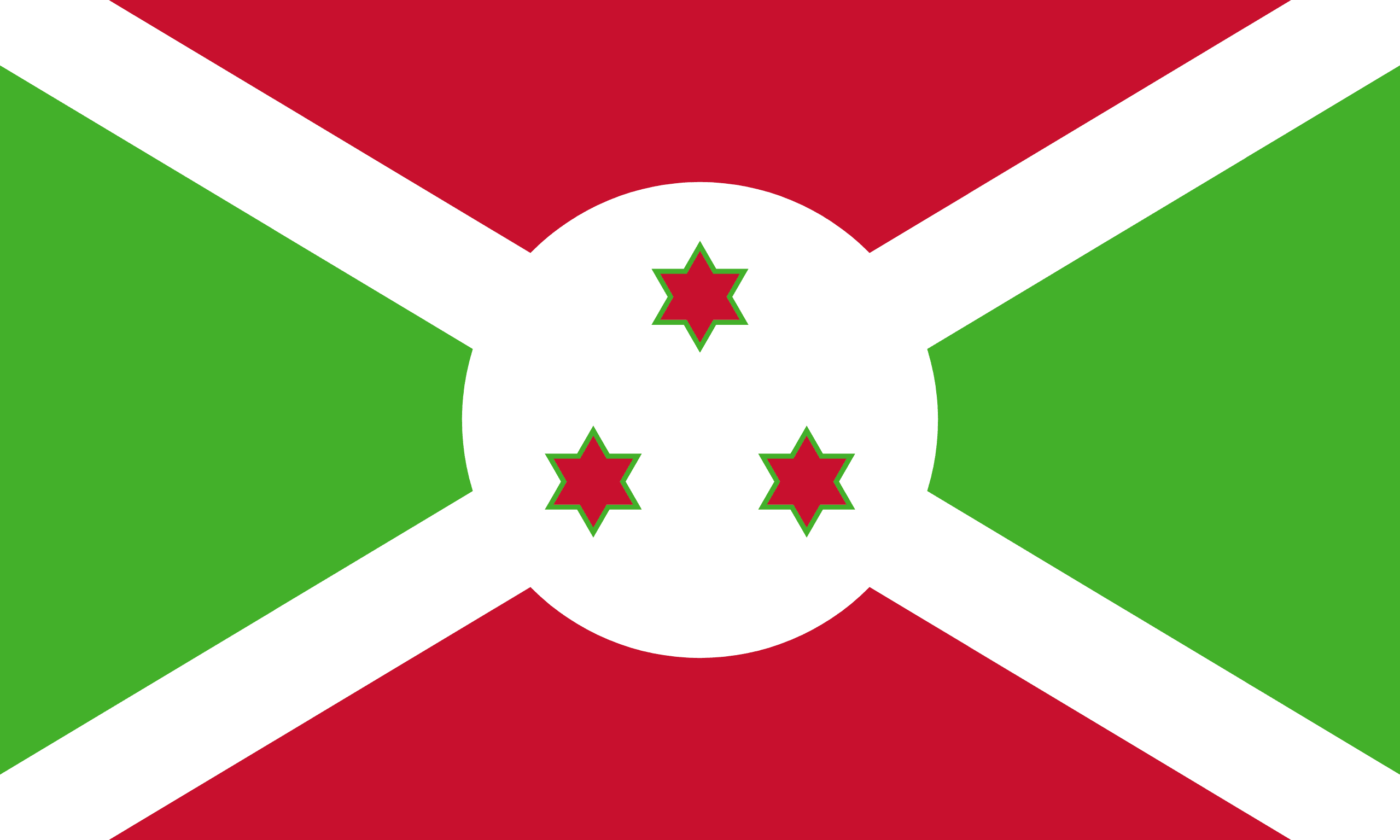
The flag of Burundi is divided by a white diagonal cross into red and green fields, with a white disc in the centre bearing three red, green-bordered six-pointed stars. The red represents the suffering and the struggle for independence, the green hope and the future, and the white peace. The three stars stand for the nation's three words of its motto, unity, work, and progress, and are also taken to represent the three main ethnic groups of the country, the Hutu, Tutsi, and Twa, reflecting an aspiration to national unity.
Burundi is a predominantly Christian country, the result of missionary activity in the colonial era, with the majority belonging to the Roman Catholic Church, a legacy of Belgian rule, alongside significant Protestant communities and a smaller number of Muslims. Religion plays an important role in the life of the nation, and churches are central to many communities. Traditional beliefs and customs also persist, often alongside Christianity, and the faith of the people has been a source of solace and community through the hardships of the country's turbulent recent history.
Burundian cuisine is simple and based on the staple crops of the densely farmed hills. The everyday diet centres on beans, which are eaten almost daily, along with plantains and bananas, cassava, sweet potatoes, maize, and other starchy foods, often accompanied by vegetables and, when available, a little meat or fish from Lake Tanganyika. A paste of cooked starch is a common staple. Bananas are also brewed into a traditional beer that holds an important social and ceremonial place. The cuisine reflects a poor, rural society that lives largely on what it grows.
Agriculture is the backbone of Burundi's economy and the livelihood of the great majority of its people, most of whom are subsistence farmers working small plots on the crowded hillsides, growing beans, bananas, cassava, maize, and sweet potatoes for food. The principal export crops are coffee, which dominates the country's foreign earnings, and tea, both grown in the highlands. Fishing on Lake Tanganyika is also important. With little industry and one of the highest rural population densities in Africa, the country remains overwhelmingly agricultural and deeply poor.
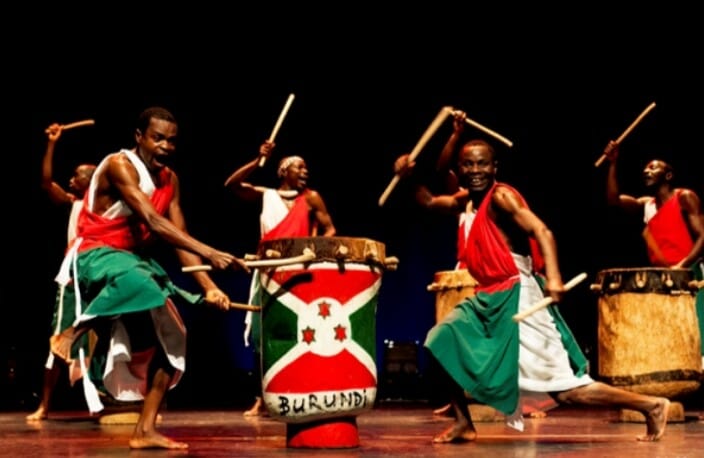
Burundi's most famous cultural institution is its drumming. The royal drums, the ingoma, were sacred objects of the monarchy rather than instruments, kept in sanctuaries, tended by hereditary custodians, and beaten only at the accession of a king or the great occasions of the kingdom. The performance that grew from that tradition, in which drummers carry heavy hollowed-log drums on their heads in procession, set them in a semicircle, and rotate through the centre in turn while leaping and striking, is one of the most recognisable performing arts to come out of Africa, and UNESCO inscribed it in 2014. That inscription came with a condition Burundi has struggled with: the ritual drum dance is meant to be protected from commercialisation, and a 2017 decree restricted who may perform it and where.
Beyond the drums, Kirundi oral literature is rich in proverb, riddle, and the praise poetry composed for cattle, and basketry, particularly the tightly woven agaseke baskets given as gifts of peace, is a widespread craft. Burundi is among the world's poorest countries by income, and daily life for most people is agricultural, communal, and lived on a hillside; banana beer is the social lubricant of it, drunk collectively through long straws from a shared pot.
Burundi has a population of around 13 to 14 million in a territory smaller than Belgium, making it one of the most densely populated countries in Africa and, unusually, one that is dense without being urban: the great majority live in scattered homesteads across the farmed hills rather than in villages or towns. Roughly eighty-five per cent are Hutu, fourteen per cent Tutsi, and about one per cent Twa, the forest-origin minority that has been marginalised by everyone and appears in none of the political settlements as a significant party.
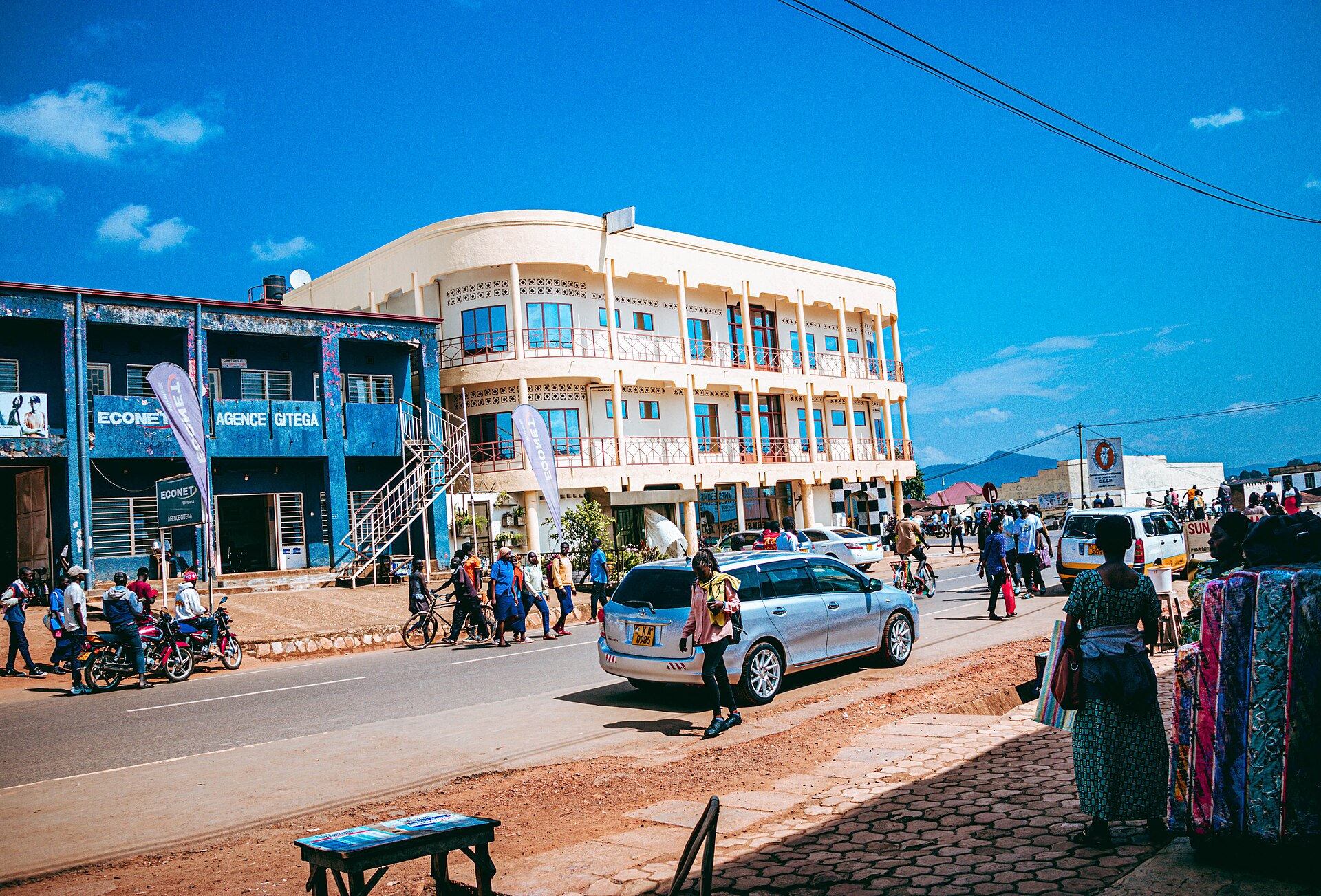
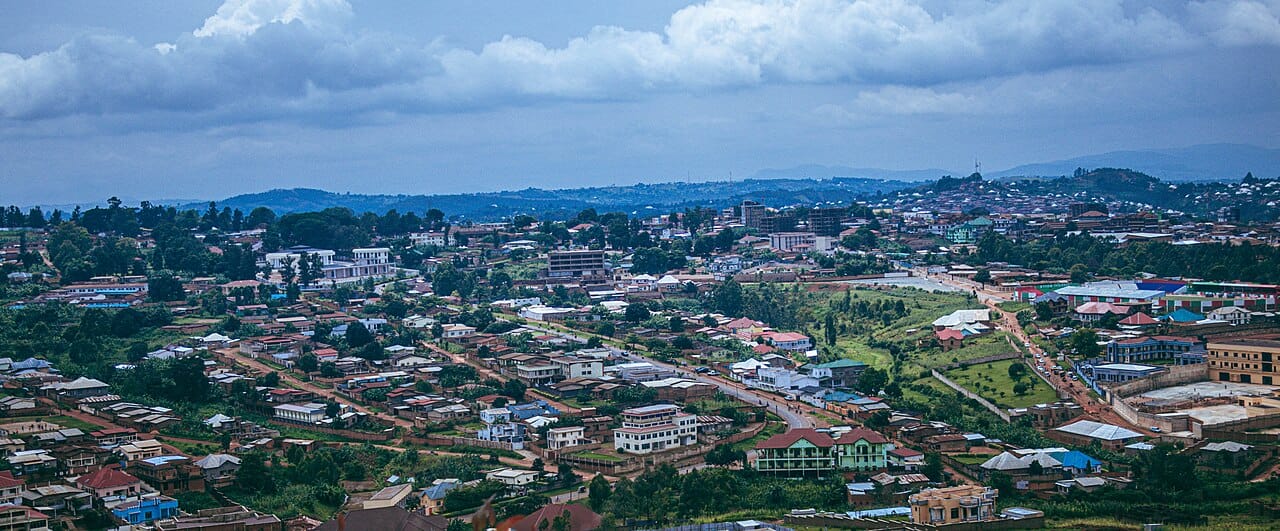
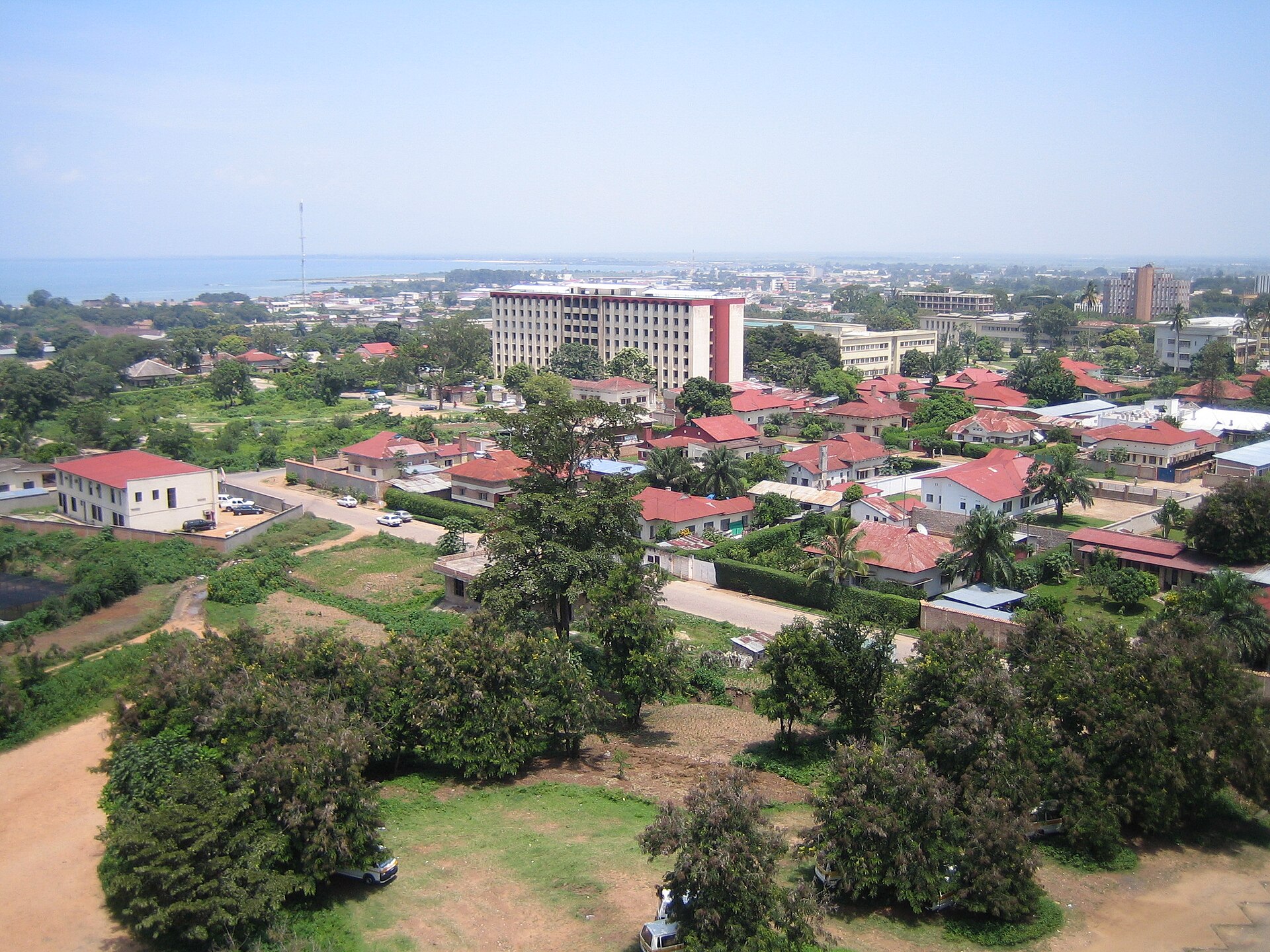
What sets Burundi apart from most divided societies is that it has no language problem: virtually the entire population speaks Kirundi as a mother tongue, alongside French, English, and Swahili in official and commercial use. Gitega, in the highlands, became the political capital in 2019, taking the seat of government inland from Bujumbura, which remains the largest city, the economic centre, and the country's port on Lake Tanganyika. Population growth is rapid and land is exhausted, and the resulting pressure on plots that are already too small to feed a family is widely regarded as the country's most serious structural problem.