Taiwan, officially the Republic of China, is a self-governing island state in East Asia, lying off the southeastern coast of mainland China across the Taiwan Strait. A prosperous, democratic, and technologically advanced society of some 23 million people, it is one of the world's most important economies, above all as the centre of the global semiconductor industry. Its political status is among the most sensitive and disputed in the world: Taiwan functions in practice as an independent country, while the People's Republic of China claims the island as part of its territory.
Taiwan has been ruled from somewhere else for most of the last four hundred years, by the Dutch, a Ming loyalist, the Qing, the Japanese, and a Chinese government in exile, and it has been a democracy for roughly thirty. Almost everything contested about the island today follows from that sequence.
Taiwan's original peoples are Austronesian, and they have been there for thousands of years. This is not a minor detail: linguists and geneticists broadly place the origin of the entire Austronesian expansion here, meaning the ancestors of peoples now spread from Madagascar to Hawaii and New Zealand set out from this island. Sixteen indigenous peoples are officially recognised today, speaking languages that preserve the deepest branches of the family, and they made up the whole population before Han Chinese settlement began in earnest in the seventeenth century.
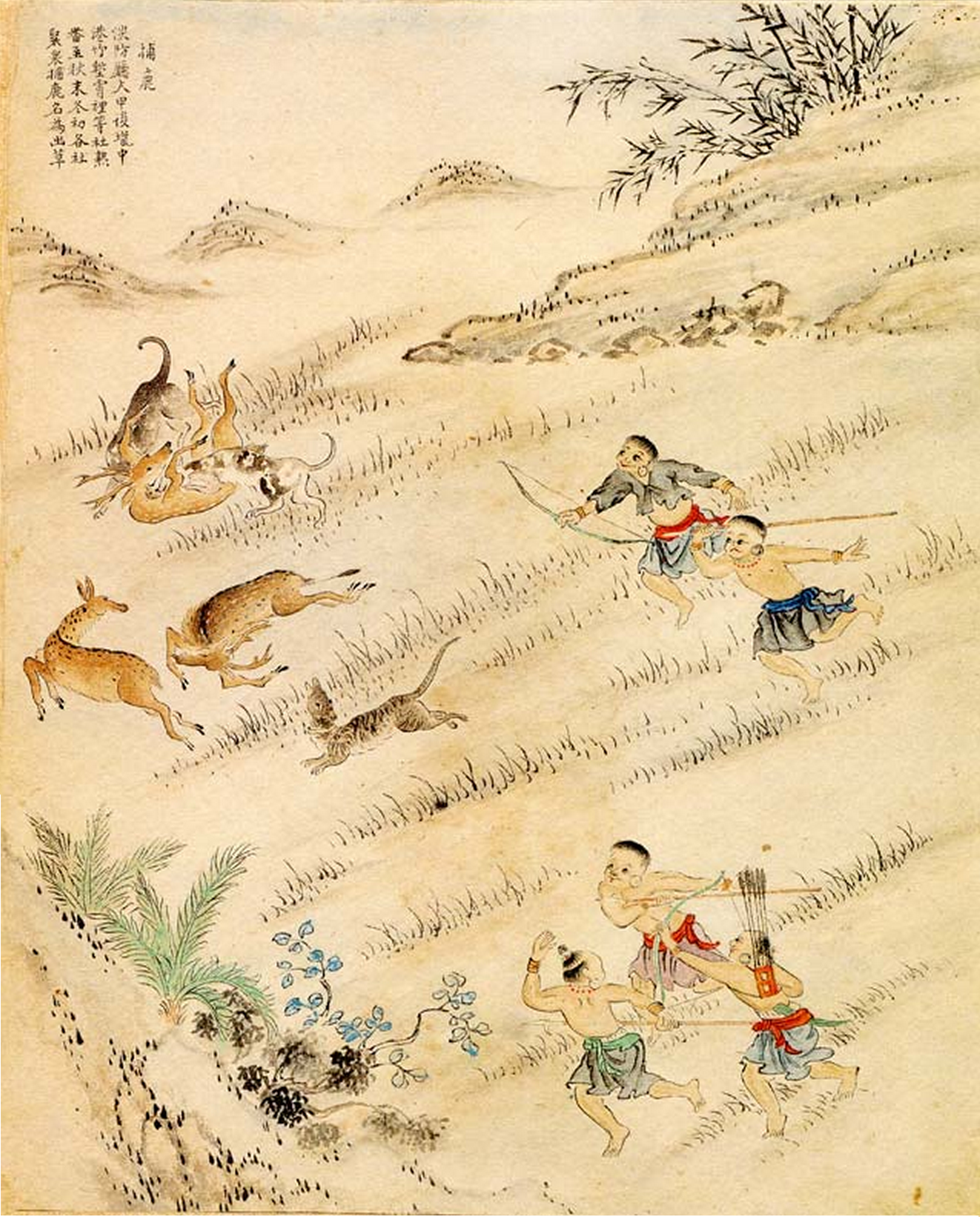
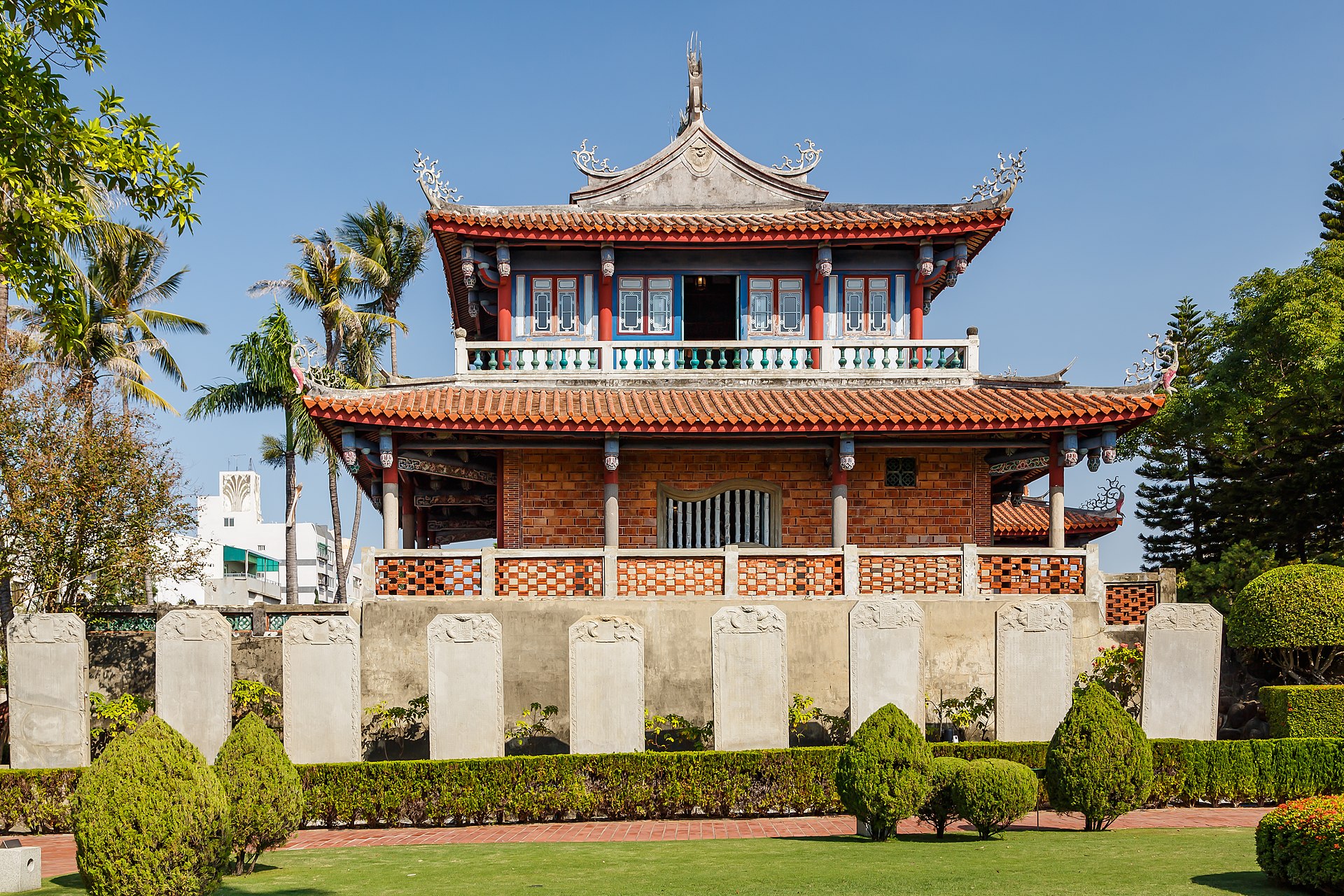
The Dutch East India Company established a base at Fort Zeelandia in 1624 and governed the southwest for four decades, importing Chinese labour from Fujian and trading deerskin and sugar; Spain held a foothold in the north until the Dutch expelled them. In 1662 Zheng Chenggong, known as Koxinga, a Ming loyalist driven from the mainland by the conquering Qing, besieged and took Fort Zeelandia and founded a kingdom on the island. The Qing annexed it in 1683 and administered it as a prefecture of Fujian for two centuries, during which Han settlement from the mainland grew steadily and the indigenous peoples were pushed into the mountains and the eastern coast.
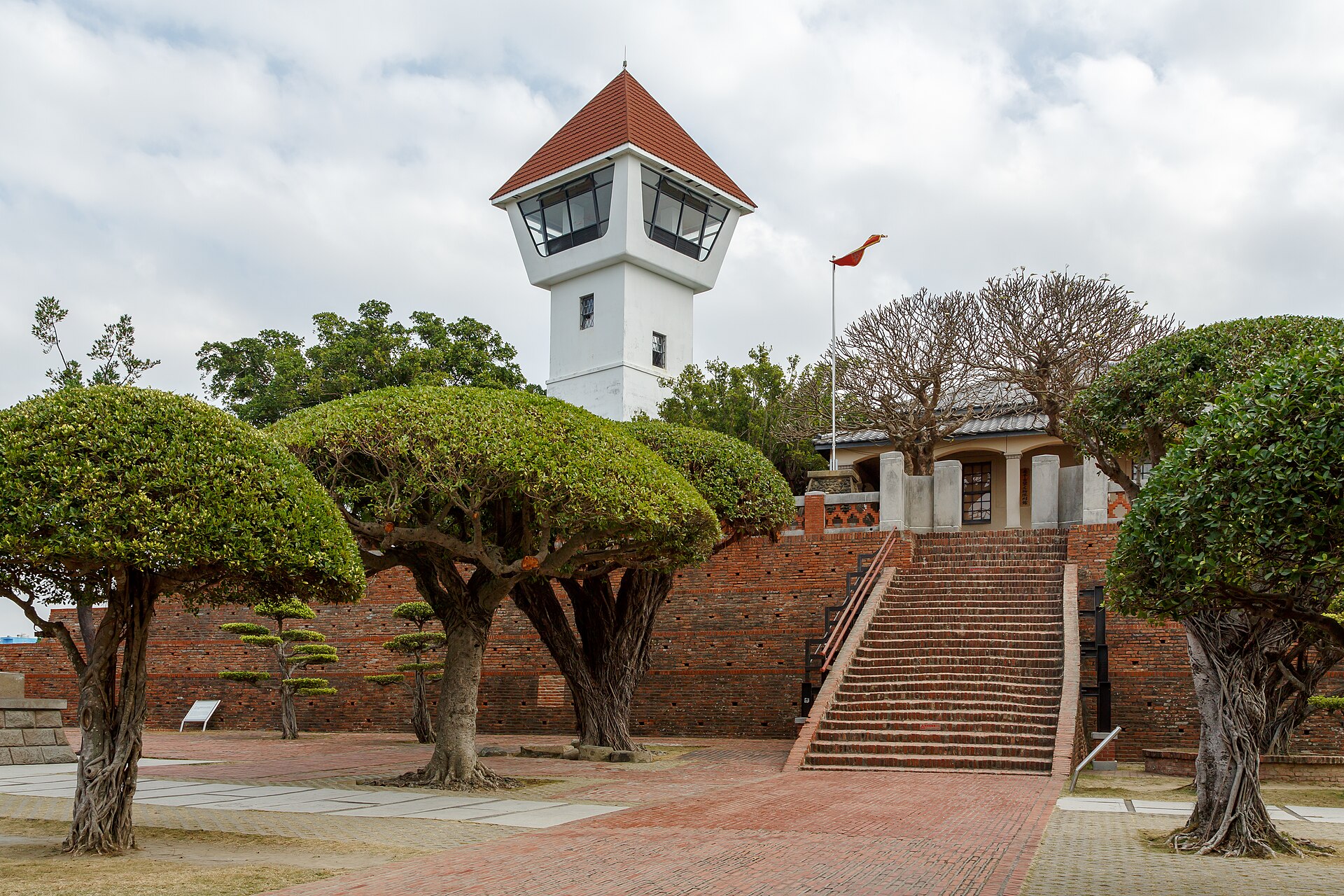
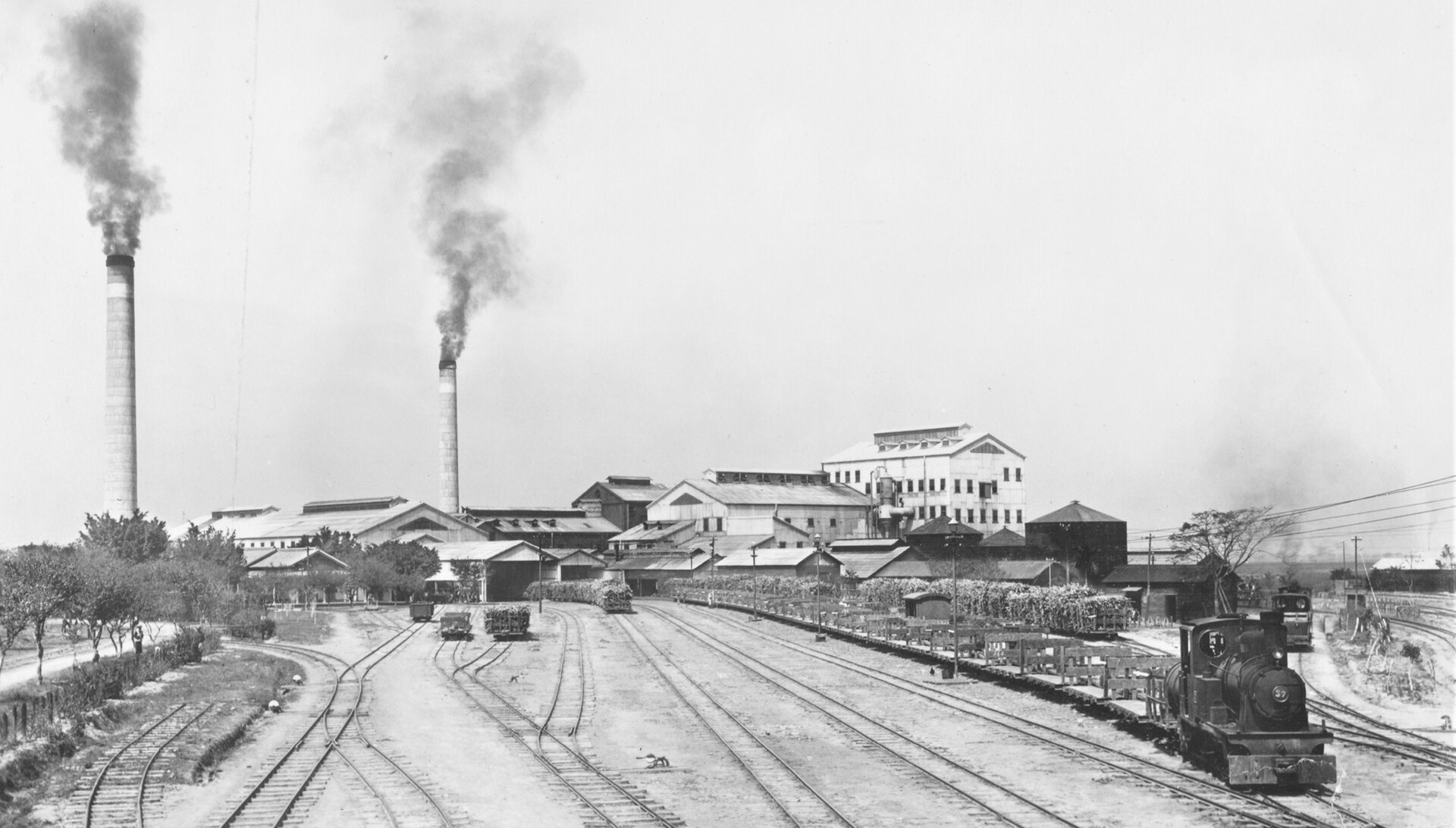
Defeated in the first Sino-Japanese War, the Qing ceded Taiwan to Japan in perpetuity by the Treaty of Shimonoseki in 1895. Japanese rule lasted fifty years and left deep marks. It was colonial rule, with the political subordination and the later assimilation campaigns that implies, and it was met with armed resistance for its first two decades. It also built railways, roads, ports, hospitals, schools, and a sugar industry, raised literacy sharply, and left an administrative and industrial base that would matter enormously later. Taiwanese were conscripted into the Japanese armed forces in the Second World War. The memory of the period is genuinely mixed on the island in a way it is not in Korea or China, and that difference is itself politically significant.
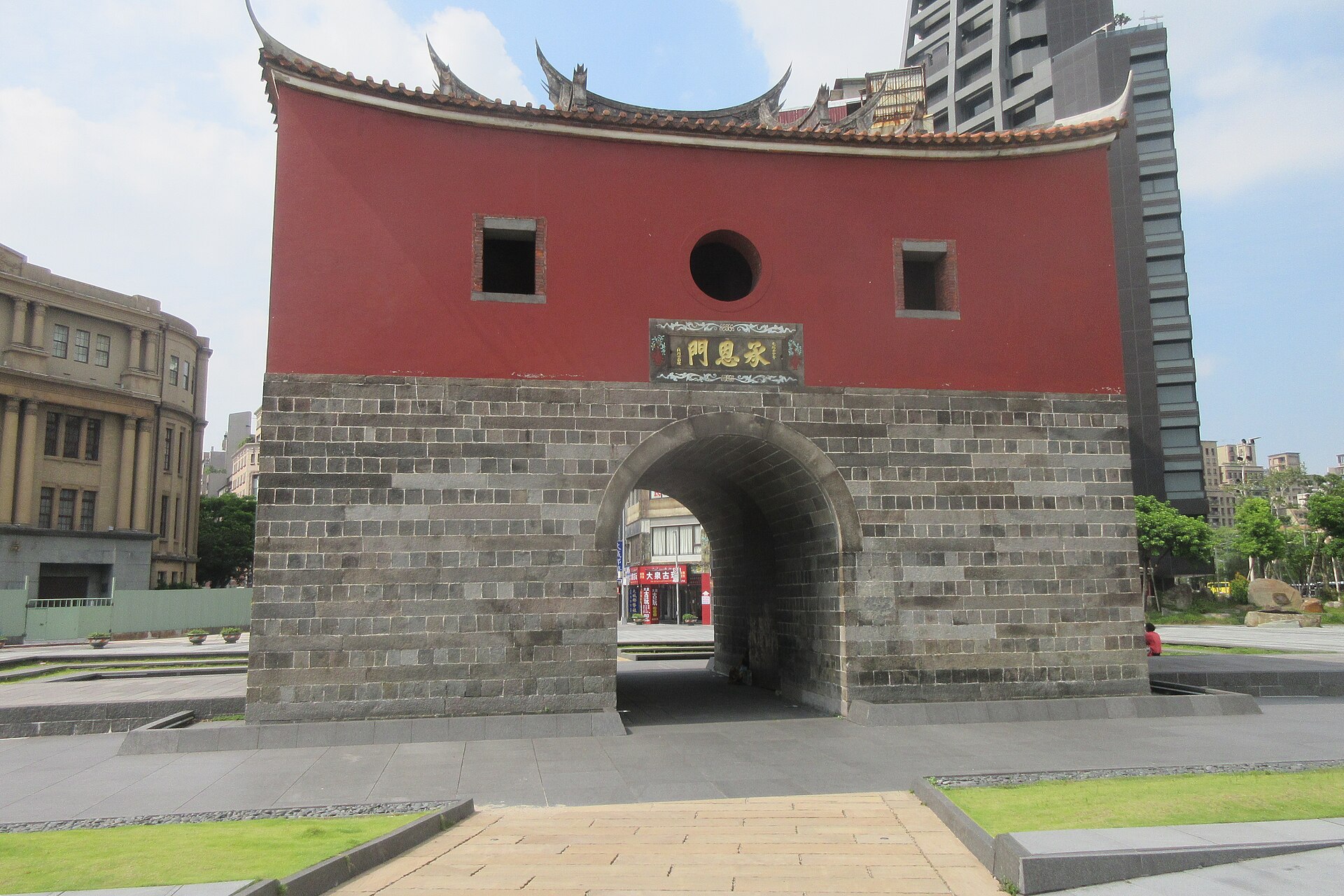
Japan surrendered in 1945 and the Republic of China took control of the island. The relationship soured almost immediately: the incoming administration was widely seen as corrupt and contemptuous of a population it regarded as Japanised, and the economy deteriorated. On 28 February 1947, a dispute over a woman selling untaxed cigarettes in Taipei set off an island-wide uprising, which was suppressed by troops from the mainland with mass killings; estimates of the dead run from several thousand to tens of thousands, and much of the island's existing Taiwanese elite was destroyed.
In 1949 the Communists won the Chinese Civil War and Chiang Kai-shek's government, along with well over a million soldiers, officials, and refugees, withdrew to Taiwan, bringing the gold reserves and the treasures of the Palace Museum. The Republic of China continued to claim all of China, held China's seat at the United Nations until 1971, and governed Taiwan under martial law for thirty-eight years, from 1949 to 1987, the period known as the White Terror, during which tens of thousands were imprisoned and many executed for suspected Communist sympathies or opposition. The events of 1947 could not be publicly discussed until the 1990s; a president formally apologised in 1995, and the date is now a national day of remembrance.
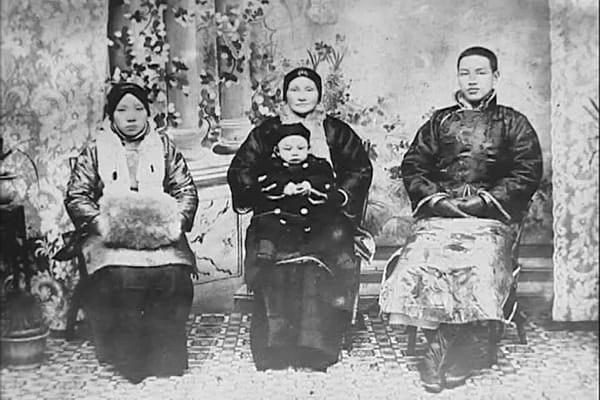
Taiwan's transformation happened twice over. Land reform, American aid, and export-led industry turned a poor agricultural island into one of the four Asian Tigers within a generation, and then into a semiconductor superpower. Politically, Chiang Ching-kuo, Chiang Kai-shek's son, lifted martial law in 1987 and permitted opposition parties. Lee Teng-hui, the first Taiwan-born president, oversaw full democratisation, and in 1996 Taiwan held its first direct presidential election, which China greeted by firing missiles into the waters nearby. In 2000 power passed for the first time to the opposition Democratic Progressive Party, and it has alternated since. Taiwan legalised same-sex marriage in 2019, the first place in Asia to do so, and it ranks at the top of Asian and near the top of global indices of political and civil freedom.
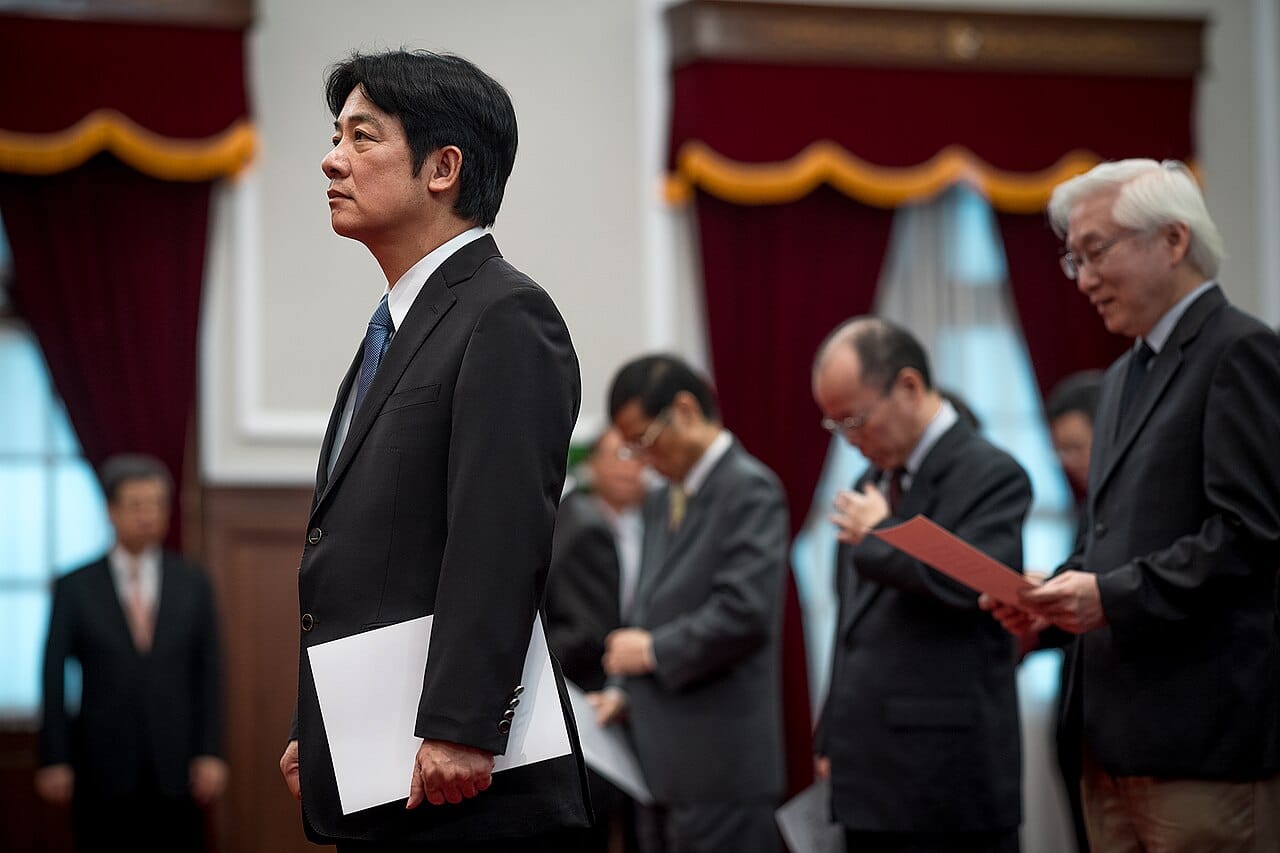
Taiwan is a semi-presidential republic under the constitution of the Republic of China, with a directly elected president serving four-year terms and a unicameral legislature, the Legislative Yuan. The president since May 2024 is Lai Ching-te of the Democratic Progressive Party, who won a three-way race with about forty per cent of the vote, giving his party an unprecedented third consecutive presidential term. In the same election the DPP lost its legislative majority, and the Kuomintang together with the smaller Taiwan People's Party have controlled the chamber since, producing a period of unusually sharp institutional conflict over the legislature's oversight powers, the constitutional court, and the budget, fought out through parliamentary votes, constitutional challenges, and recall campaigns.
The party system maps onto the island's central question. The DPP holds that Taiwan is already a sovereign state that need not declare anything, and emphasises a distinct Taiwanese identity; the Kuomintang favours closer economic and political engagement with the mainland under a formula that leaves sovereignty deliberately ambiguous, while also not advocating unification on Beijing's terms. Only a small minority of Taiwanese in consistent polling support either immediate independence or unification; the large majority prefer to maintain the present arrangement, which satisfies no one in theory and has held for decades in practice. Formal diplomatic recognition has dwindled to about a dozen states, since governments must choose between Taipei and Beijing, but Taiwan maintains substantial unofficial relations, trade offices, and security ties, above all with the United States, whose policy of deliberate ambiguity about whether it would intervene is itself a long-standing instrument.
Taiwan is a high-income advanced economy, and its position in the world rests on one industry above all. Taiwan Semiconductor Manufacturing Company, founded in 1987 on the then-novel idea of manufacturing chips designed by other firms, produces the large majority of the world's most advanced semiconductors, the components without which almost no modern device functions. Nothing comparable exists anywhere else, and the concentration is so extreme that it is routinely described as a silicon shield, on the theory that no one can afford a war that destroys it, and equally as a strategic vulnerability for everyone who depends on it. Taiwan has been under pressure from allies to move some production abroad, and TSMC has been building plants in the United States, Japan, and Germany, which is contentious at home.
Around this sits a dense ecosystem of electronics, precision machinery, petrochemicals, and contract manufacturing, much of it small and medium-sized family firms, and a set of household-name companies including Foxconn, MediaTek, and Acer. The economy is deeply entangled with the mainland, which remains its largest trading partner and the site of enormous Taiwanese investment, a dependence that cuts both ways in the political argument. Persistent domestic problems are the ones common to rich East Asia: among the lowest birth rates in the world, expensive housing, stagnant wages outside the technology sector, and a heavy reliance on imported energy.
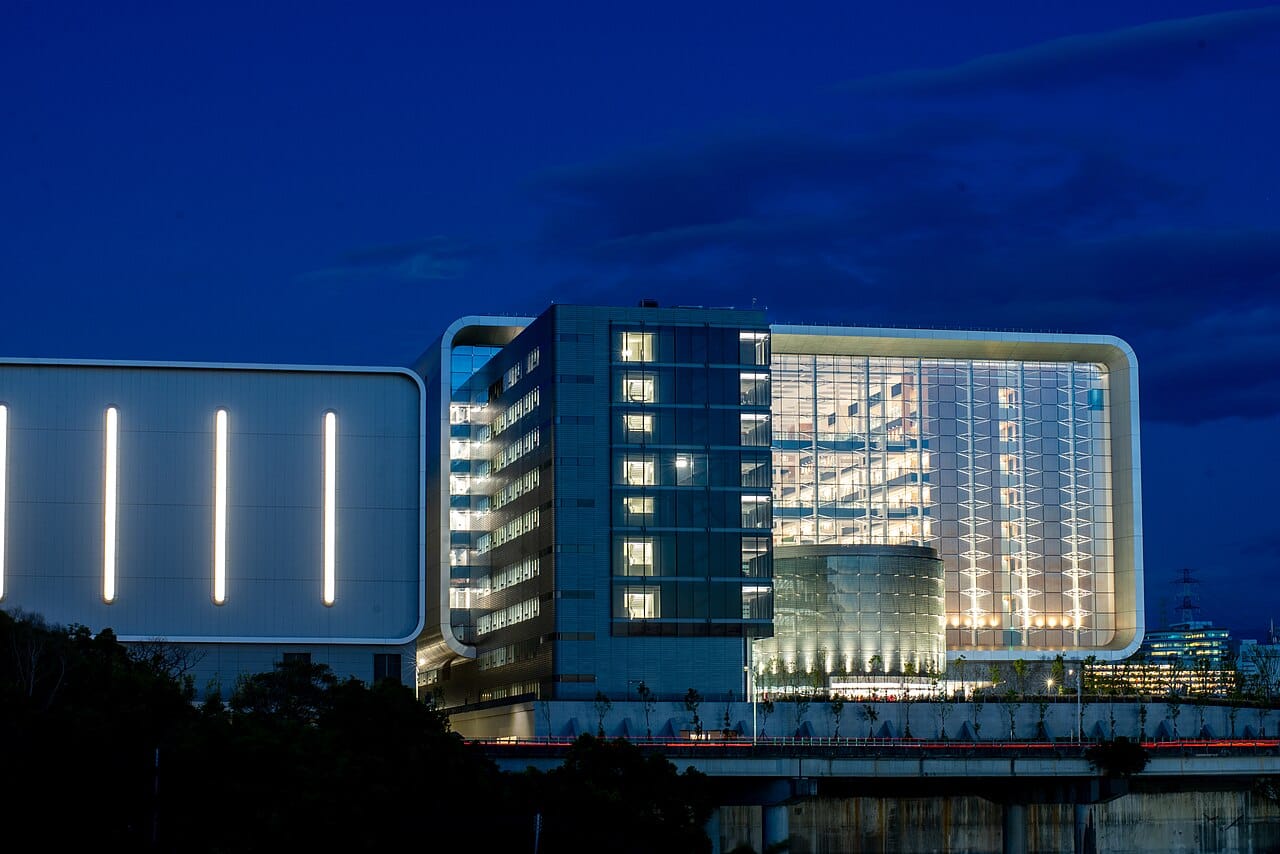
Taiwan's status is among the most disputed questions in international affairs, and it is genuinely unresolved rather than merely awkward. The dispute is not really about the facts on the ground, which are not in serious doubt, but about what legal conclusion follows from them.
By every practical measure Taiwan functions as a state. It governs its territory completely, holds free elections, maintains its own military, currency, passport, courts, and foreign trade, and no authority in Beijing has administered any part of it for a single day since the People's Republic was founded in 1949. On this basis its government holds that Taiwan is already a sovereign state, that no declaration of independence is needed for something that already exists, and that its twenty-three million people are entitled to determine their own future.
The People's Republic of China holds that there is one China, that Taiwan is a province of it, and that the island's separation is an unfinished consequence of civil war and foreign intervention rather than a settled fact. It points to the Cairo and Potsdam declarations of the 1940s, under which Taiwan was to be returned to China after Japanese rule, and to United Nations General Assembly Resolution 2758 of 1971, which transferred China's seat from the Republic of China to the People's Republic. Beijing has not renounced the use of force and has legislated for it in the event of a formal declaration of independence, while offering unification under a version of the one country, two systems formula.
Most other governments occupy a deliberately ambiguous middle. Many acknowledge or take note of Beijing's position without endorsing it, maintain unofficial relations with Taipei, and decline to say what they would do in a crisis. About a dozen states recognise the Republic of China formally, a number that has fallen steadily as Beijing's economic weight has grown. Taiwan is excluded from the United Nations and most international organisations, including, contentiously, the World Health Organization.
The Taiwanese public itself is not divided the way the framing suggests. Consistent polling over decades shows only small minorities favouring either immediate independence or unification, with the large majority preferring to maintain the current situation indefinitely, a position that is coherent as a preference and unsatisfying as a legal answer. What has shifted markedly is identity: the proportion identifying as Taiwanese rather than Chinese, or as both, has risen sharply since the 1990s, particularly among the young. Beijing's handling of Hong Kong after 2019 is widely reported to have made one country, two systems substantially less attractive on the island than it had been.
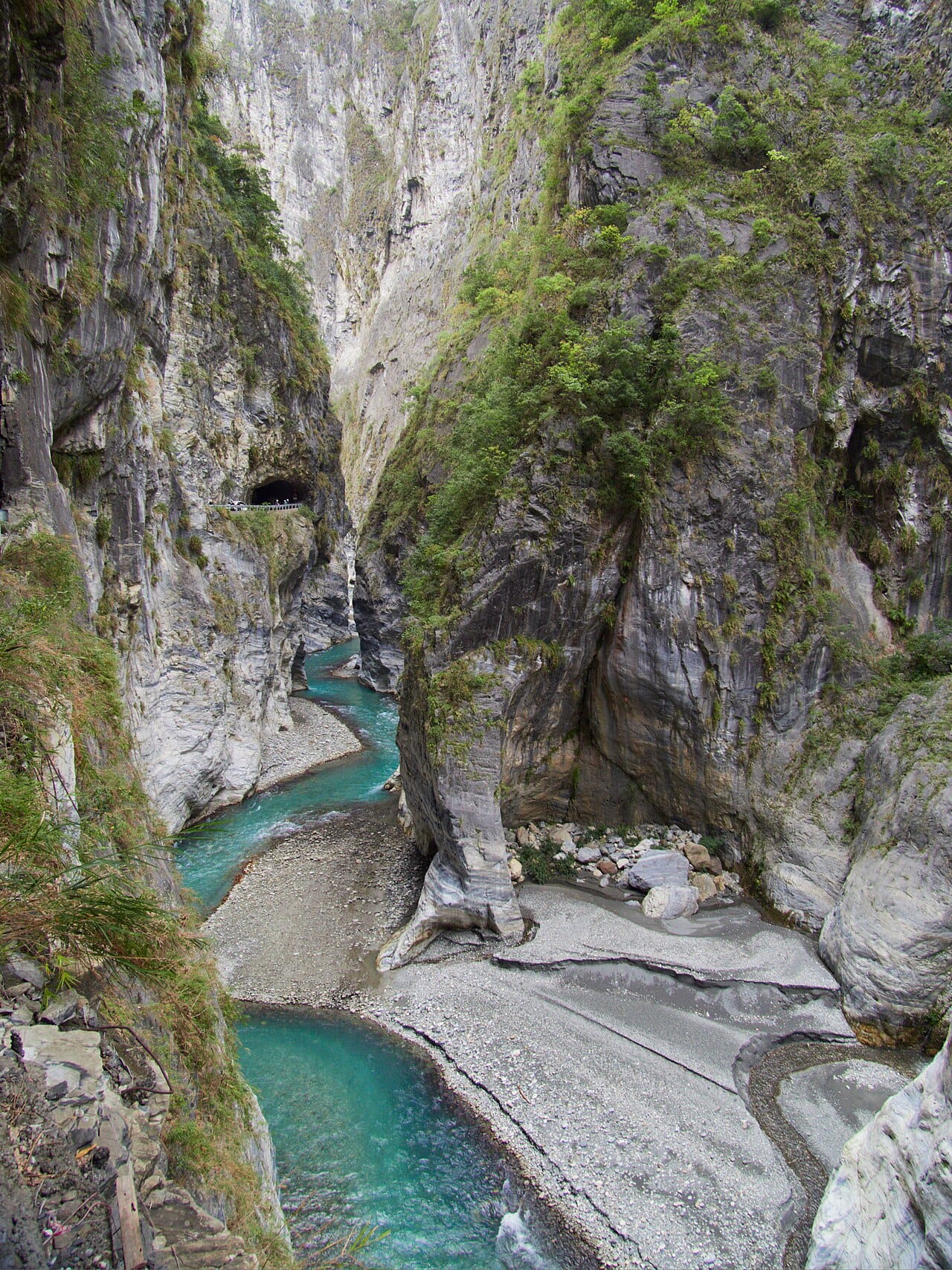
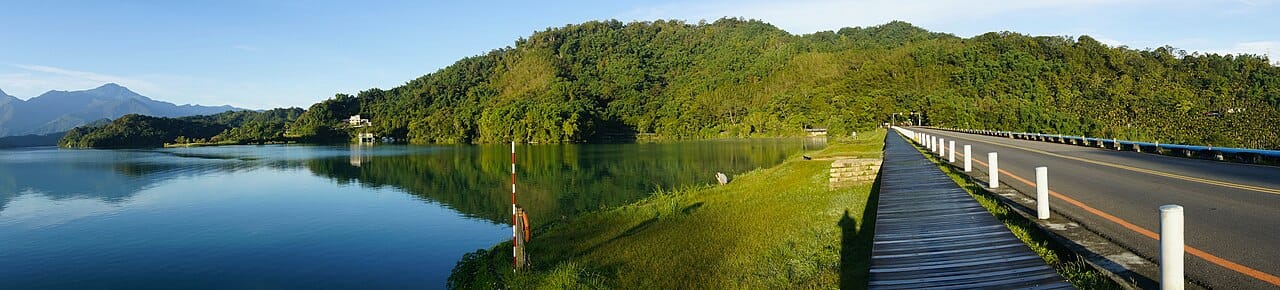
Taiwan is a mountainous island, with a long spine of high forested ranges running down its length, rising to more than two hundred peaks above three thousand metres, of which Yushan at 3,952 metres is the highest in northeast Asia. The mountains drop westward to fertile alluvial plains, where the great majority of the population lives, and eastward plunge almost directly into the Pacific, producing some of the most dramatic coastline anywhere, most famously the marble gorge at Taroko. The Tropic of Cancer crosses the island, making the south tropical and the north subtropical.
Taiwan sits where the Philippine Sea Plate meets the Eurasian Plate, which is why the mountains are there and why the island is among the most seismically active places on Earth; the earthquake of September 1999 killed more than two thousand people, and the country has since built some of the most rigorous seismic engineering standards anywhere. Several typhoons cross it each year, bringing both destruction and the water the island depends on. Forest covers well over half the land, and the range of altitude packs an unusual amount of biodiversity into a small area, including the Formosan black bear and the endemic Mikado pheasant.
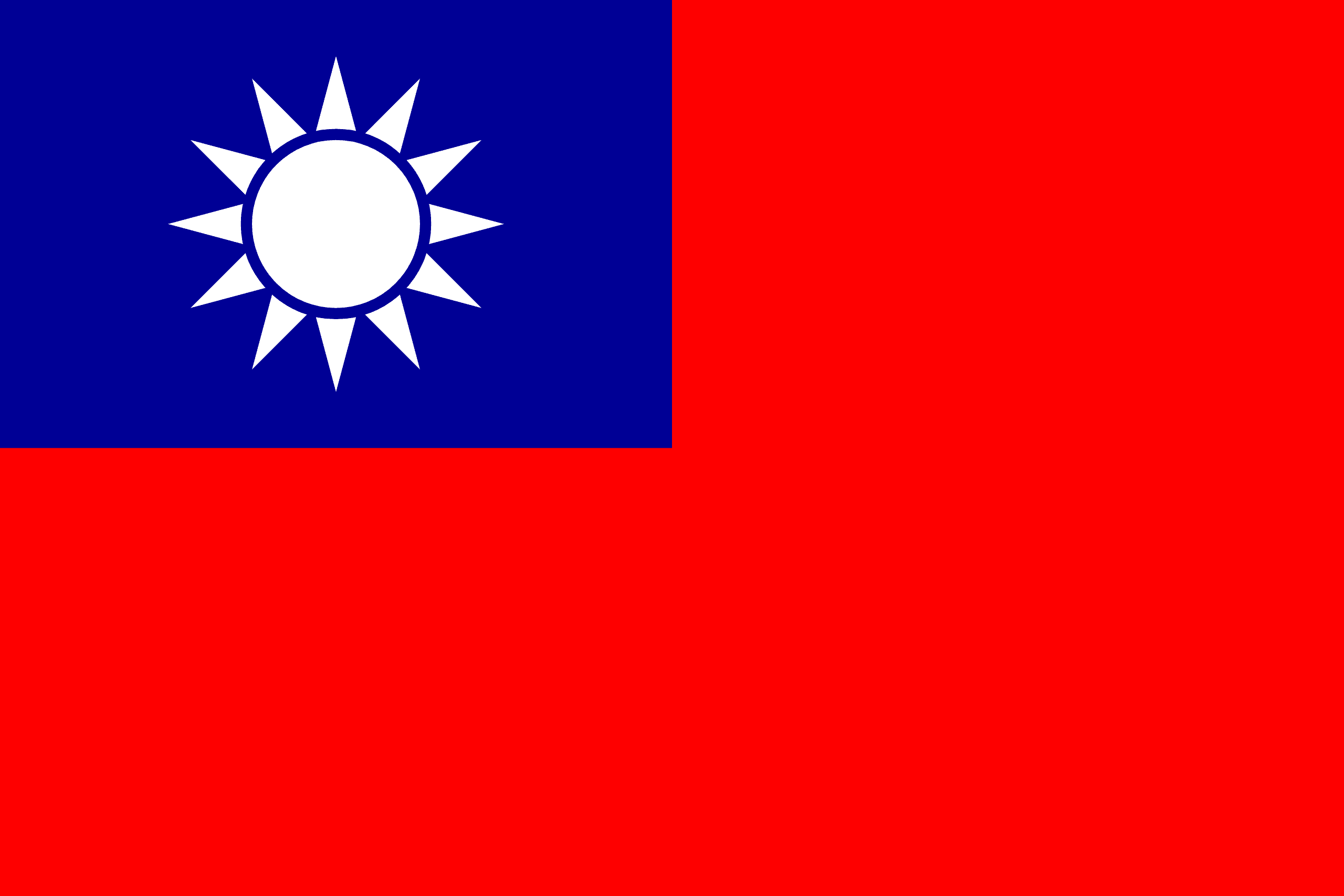
The flag of Taiwan, as the Republic of China, has a red field with a blue canton in the upper hoist bearing a white sun with twelve rays. The red represents the land and the spirit of the people, the blue liberty and the nation, and the white fraternity and equality. The white sun with its twelve rays, also the emblem of the founding political party of the Republic of China, symbolises the spirit of progress and the twelve two-hour periods of the traditional day. The flag dates from the early twentieth-century Chinese republic.
Taiwan is known for its religious diversity and freedom, with a rich blend of traditions. The majority of people follow a mixture of Buddhism, Taoism, and Chinese folk religion, often together and without regarding them as separate memberships, with temples, festivals, ancestor veneration, and a very large pantheon of deities central to community life. Taiwan has one of the highest densities of places of worship in the world. The sea goddess Mazu, brought by settlers crossing the strait from Fujian, is the most beloved figure of all, and the annual pilgrimage of her image from Dajia, a procession of hundreds of thousands of people walking for days, is among the largest religious events on Earth. Guan Gong, the deified general, and the Earth God are similarly ubiquitous.
Christianity is a small minority overall but is strong among the indigenous peoples, most of whom were converted in the twentieth century, and Confucian ethics run through public life and education more as a moral inheritance than as a religion. Taiwan also became, in 2019, the first place in Asia to legalise same-sex marriage, a change that religious conservatives opposed and that a referendum had rejected before the constitutional court and the legislature settled it, and the country has since become an unusually visible centre of civil liberties in the region.
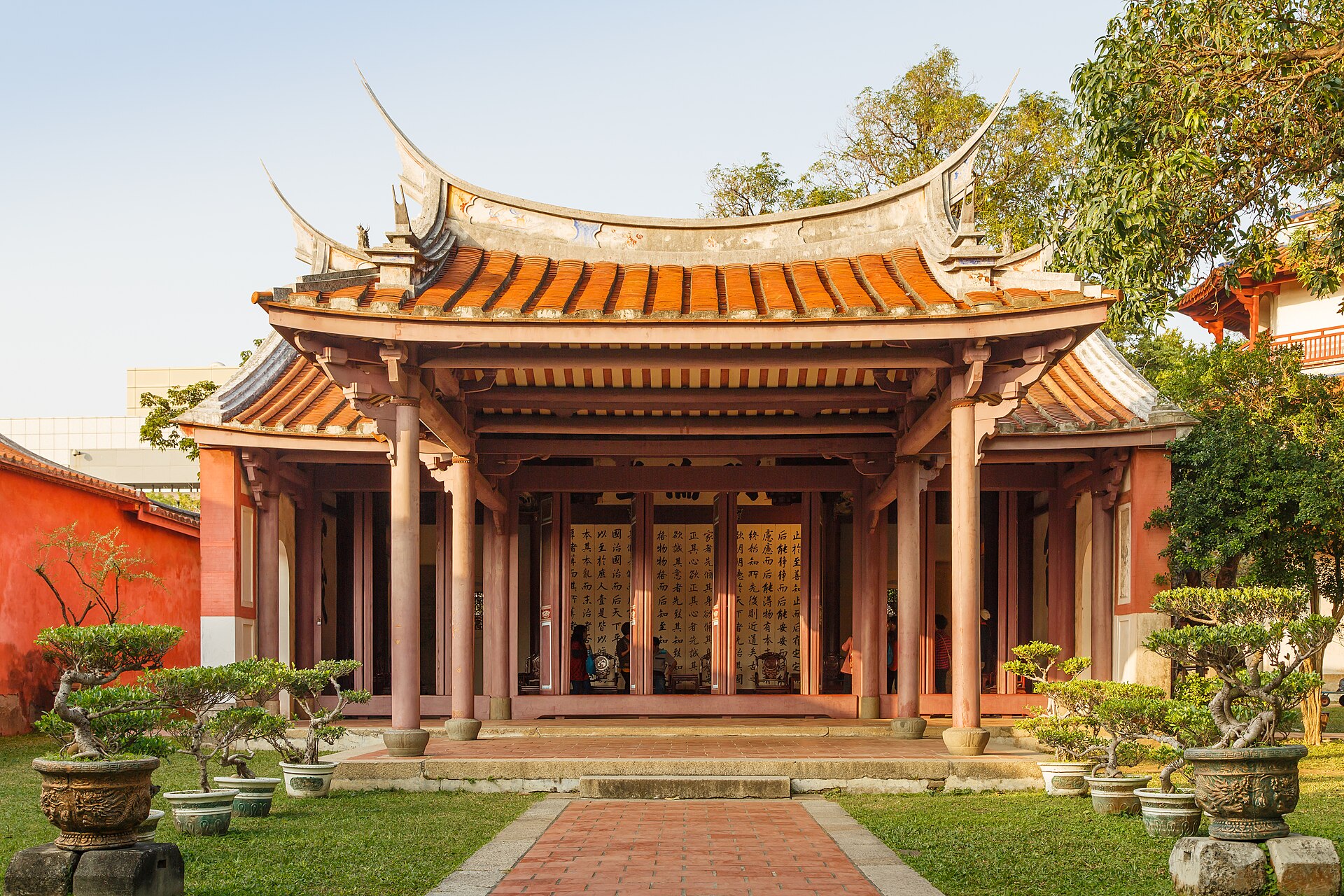
Taiwanese cuisine is celebrated across the world, a blend of Fujianese and Hakka cooking, the regional Chinese traditions that arrived with the 1949 migration, Japanese influences from the colonial period, indigenous ingredients, and the island's own inventions. Its natural setting is the night market, where dozens of stalls sell small dishes to be eaten standing up and moving on, and which functions as much as a social institution as a place to eat. Iconic foods include beef noodle soup, widely treated as the national dish and the subject of an annual competition in Taipei, braised pork rice, gua bao steamed buns, oyster omelettes, pepper buns, and the notorious stinky tofu, whose smell is a running joke and whose taste is defended vigorously. Taiwan is the birthplace of bubble tea, invented in Taichung in the 1980s and now sold on every continent, and its high-mountain oolong teas are among the most prized in the world.
Agriculture, though now a small part of Taiwan's high-tech economy, remains productive on the fertile western plains and terraced hillsides. The island grows rice, its traditional staple, along with a wide variety of fruits for which it is famous, including mangoes, pineapples, and guavas, as well as tea, notably the prized high-mountain oolong teas grown on the misty slopes, and vegetables. Aquaculture and fishing are also significant. Modern Taiwanese farming is intensive and increasingly specialised, supplying both the domestic market and exports of premium produce.
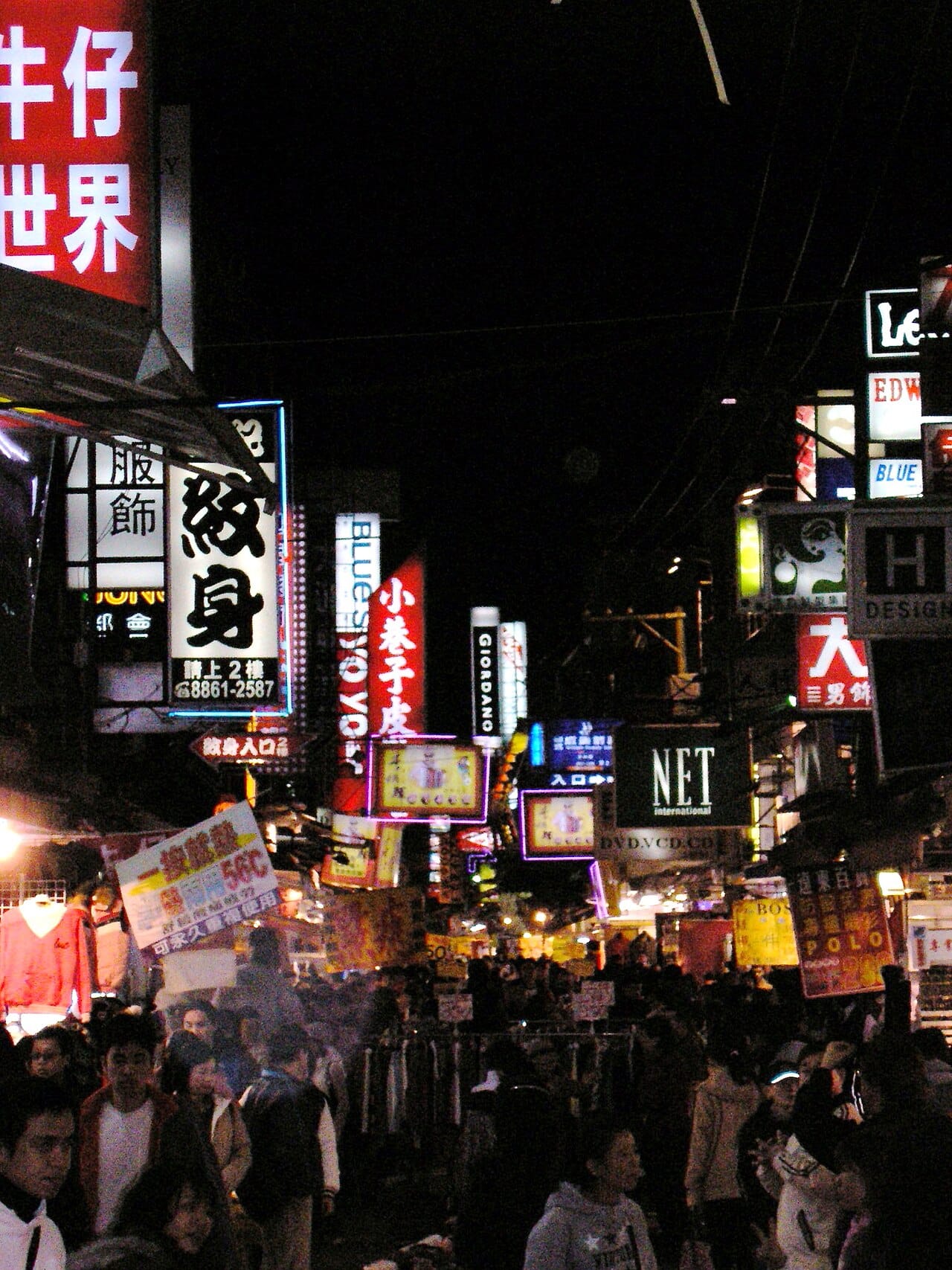
Taiwanese culture is Chinese in its foundations, marked by fifty years of Japan, shaped by the island's indigenous inheritance, and increasingly conscious of being its own thing. The National Palace Museum in Taipei holds the imperial collection brought from the mainland in 1949, one of the greatest collections of Chinese art anywhere, and the traditional characters Taiwan retained, where the mainland simplified them, are a point of some pride. Temple festivals, lion and dragon dances, and the puppet theatre known as budaixi are living traditions rather than heritage displays, and the Lantern Festival and the Dragon Boat races are national events.
Taiwan has also become an unusually influential cultural exporter for its size. Its cinema, through directors including Hou Hsiao-hsien, Edward Yang, and Ang Lee, was central to the art film of the past forty years; Mandopop from Taipei set the terms for Mandarin-language popular music across Asia; and the island's writers and its lively publishing industry benefit from press freedom that ranks among the highest in Asia. Civil society is dense and demonstrative, as the Sunflower student occupation of the legislature in 2014 showed, and the same energy has driven environmental campaigns, indigenous rights, and marriage equality.
Taiwan has a population of around 23 million, the great majority of Han Chinese descent. That majority divides into groups that still carry political meaning: the Hoklo, descended from Fujianese settlers of the Qing period and the largest by far, the Hakka, who arrived in the same centuries and retain their own language, and the waishengren, the mainlanders who came around 1949 and their descendants. Alongside them are the sixteen recognised indigenous peoples, about two per cent of the population, and a growing number of residents from Southeast Asia, including migrant workers and spouses whose children now form a visible part of the school-age population.
Mandarin is the official language and the medium of education, and Taiwanese Hokkien is very widely spoken, particularly in the south, alongside Hakka and the indigenous languages, all of which were suppressed in schools under martial law and are now the object of revival programmes. More than three quarters of the population lives in the cities of the western plain, above all in the Taipei area in the north and around Kaohsiung and Taichung. Taiwan is highly educated, has universal health insurance that is frequently cited as a model, and faces the same demographic problem as its neighbours in an acute form: one of the lowest fertility rates in the world and a population that has begun to shrink.