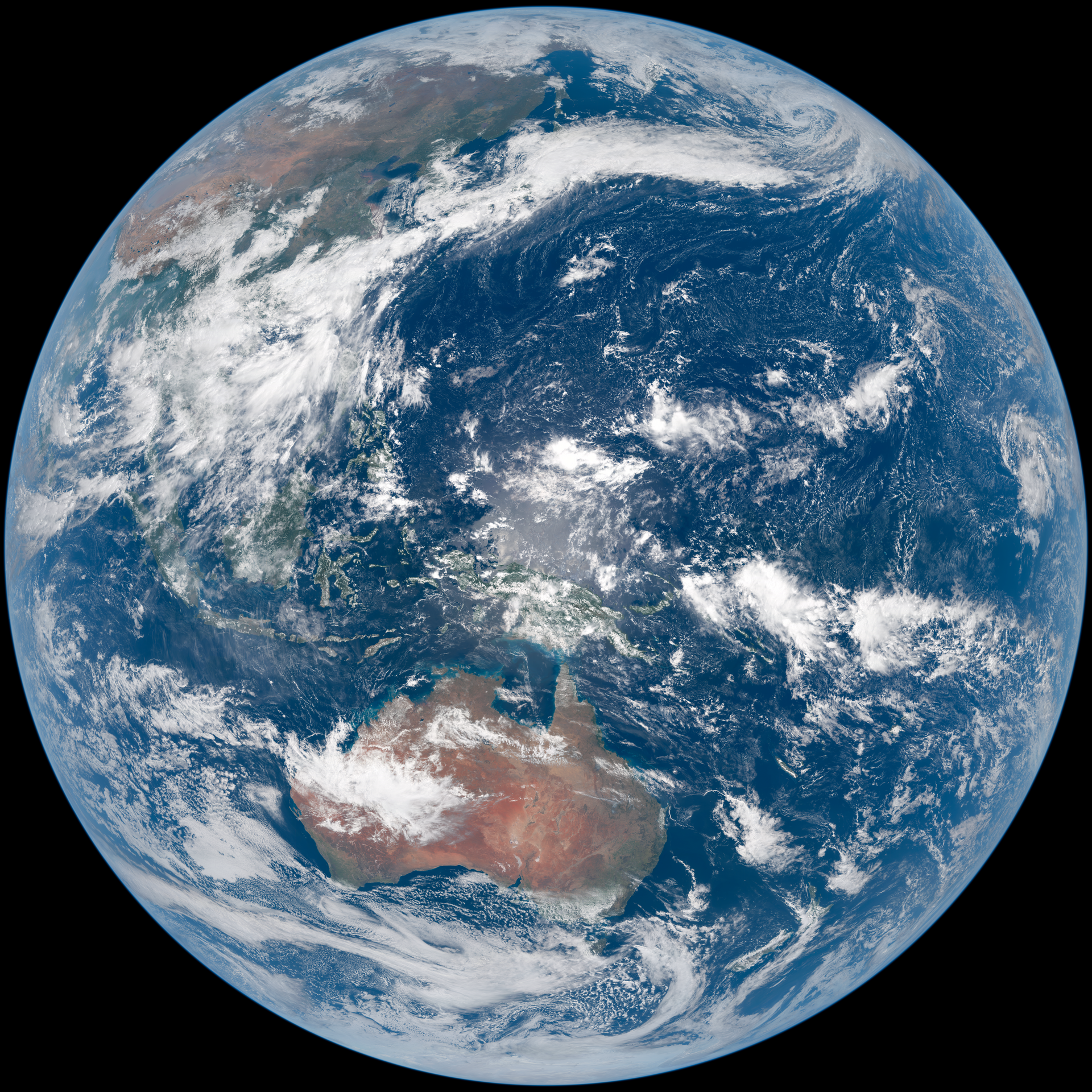
That the Earth is a sphere, very slightly flattened at the poles, is one of the most thoroughly established facts in all of science. It has been known with confidence for well over two thousand years, confirmed by countless independent observations, and in the modern age photographed directly from space. The shape of our planet is not a matter of opinion or belief but a settled, measurable fact.
The roundness of the Earth is supported by so many separate lines of evidence, drawn from astronomy, navigation, physics, and direct photography, that it ranks among the most secure conclusions humanity has ever reached. No single observation stands alone: ships, shadows, stars, satellites, and spaceflight all point to the same answer, and they agree with one another to remarkable precision.
By around 500 BC, Greek thinkers had concluded the Earth was a sphere, partly from the way its round shadow falls on the Moon during a lunar eclipse, and partly because the visible set of stars changes as one travels north or south. In the third century BC, the scholar Eratosthenes went further and measured the planet's circumference, comparing the length of shadows cast at noon in two distant cities. His estimate was astonishingly close to the true value.
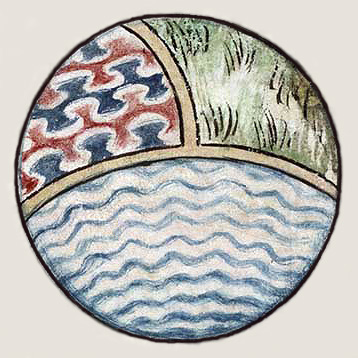
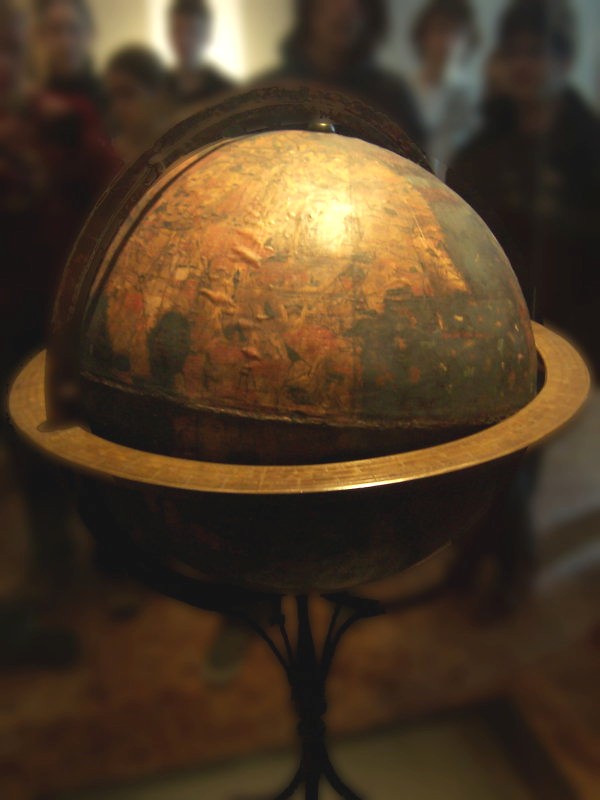
The popular notion that medieval people believed in a flat Earth, and that Columbus risked sailing off the edge, is itself a falsehood, largely invented in the nineteenth century. Educated people across the ancient and medieval world knew perfectly well that the Earth was round. The globe made by Martin Behaim in 1492, the oldest that survives, shows the spherical Earth was simply taken for granted by the navigators of Columbus's own era.
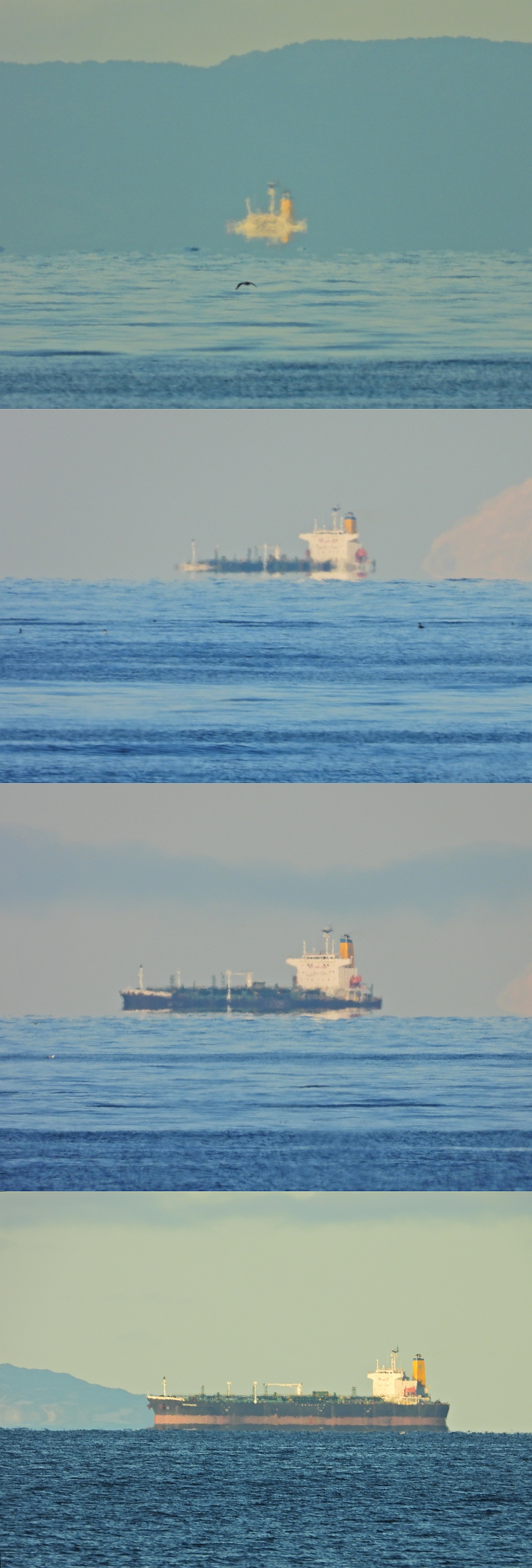
The curvature is easy to confirm without any special equipment. A ship sailing away disappears from the bottom up, its hull vanishing over the horizon while its mast is still visible. Travellers heading south see new constellations rise that were hidden in the north. The slightly different times of sunrise across a continent, the round shadow in every lunar eclipse, and the simple fact that the horizon always forms a circle all tell the same story, long before one ever looks at a photograph taken from orbit.
From the measurements of the ancient Greeks to the photographs returned by spacecraft, every advance has confirmed the same conclusion with ever greater precision. The Earth is a sphere, bulging very slightly at the equator because of its spin. It is one of those rare questions that science has answered completely and finally.