Quantum mechanics is the branch of physics that describes the behaviour of matter and energy at the smallest scales, those of atoms and subatomic particles. Strange and counterintuitive, it is also the most precisely tested and successful theory in all of science.
In the quantum world, particles do not behave like tiny solid balls. The familiar rules of everyday physics break down, replaced by laws that seem bizarre: particles can be in several states at once, behave as both particles and waves, and influence one another across distances. Yet these strange rules are exactly what nature follows.
Quantum mechanics gets its name from the discovery that energy comes in discrete packets, or quanta, rather than flowing smoothly. Light, for instance, arrives in tiny bundles called photons. This graininess of energy, invisible at everyday scales, is fundamental to how the subatomic world works.
One of the deepest quantum ideas is that particles are also waves and waves are also particles. An electron can spread out like a wave, producing interference patterns, yet arrive at a detector as a single point. Whether it behaves more like one or the other depends on how it is observed.
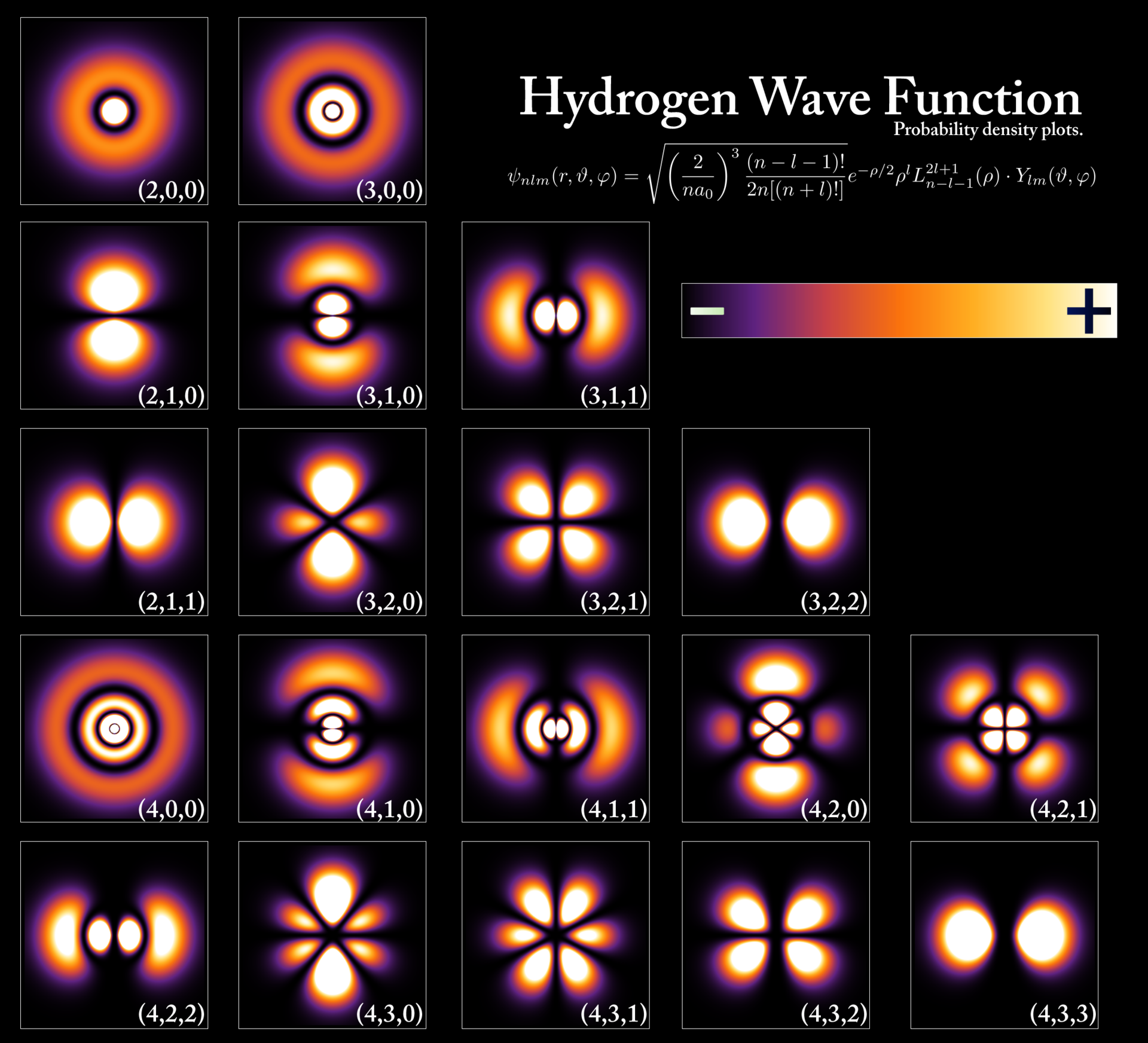
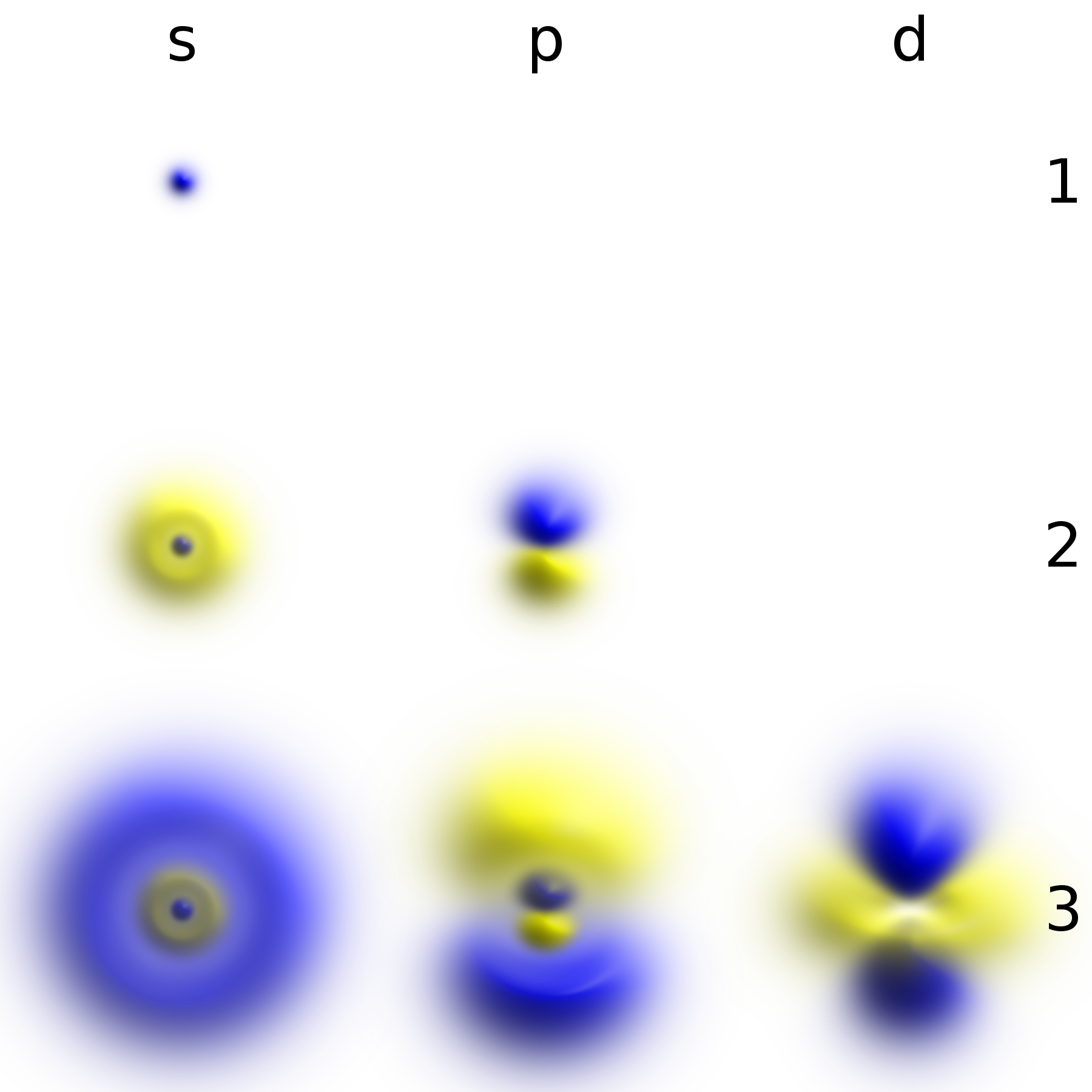
In the quantum world we cannot say exactly what a particle will do, only the probability of each possible outcome. A particle's properties are described by a mathematical object called a wave function, which spreads over many possibilities until a measurement forces it to settle on one definite result.
Werner Heisenberg's famous uncertainty principle says we cannot know both a particle's position and its motion with perfect precision at the same time. The more sharply we pin down one, the fuzzier the other becomes. This is not a limit of our instruments but a fundamental feature of reality.
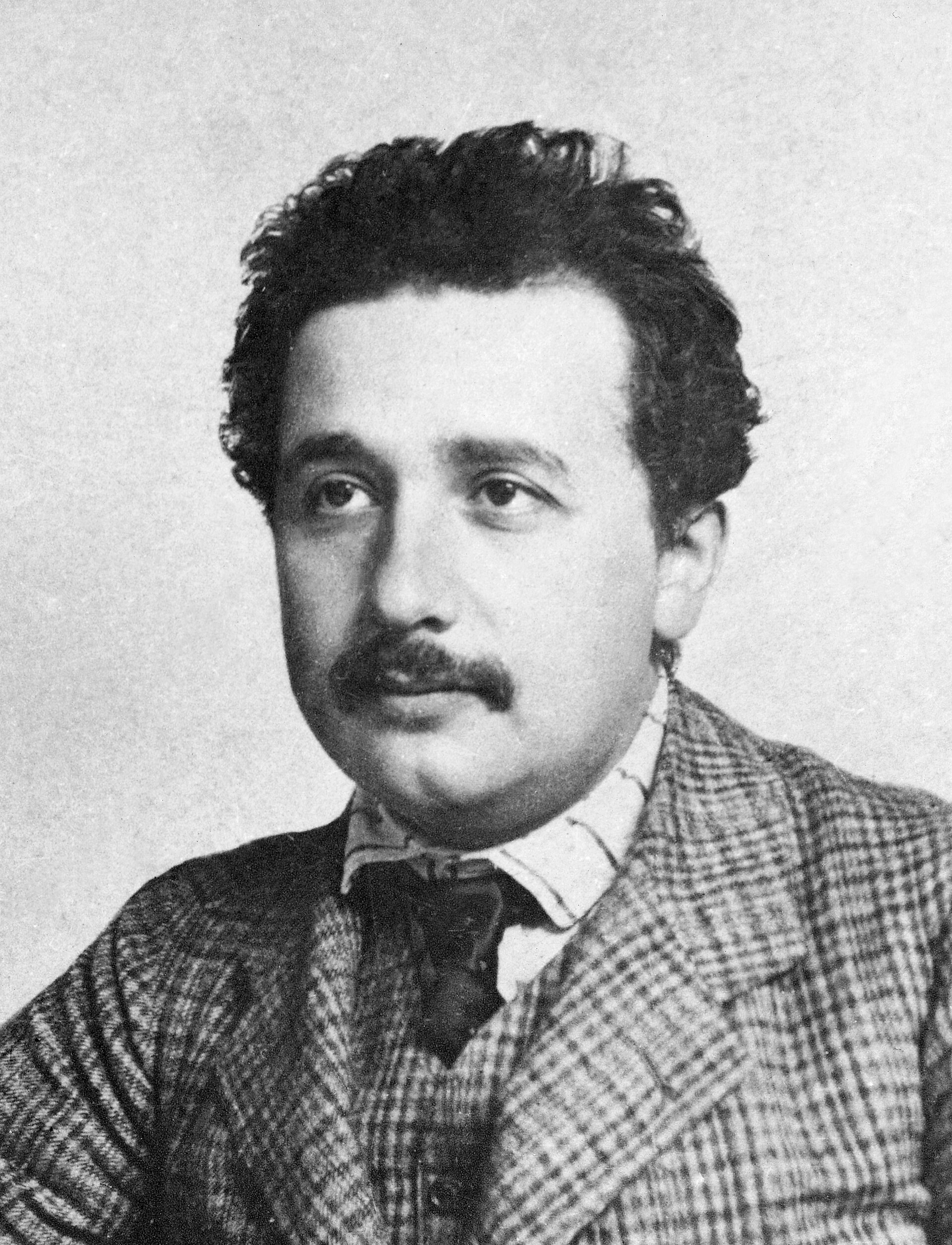
Quantum mechanics emerged in the early twentieth century, when experiments on light and atoms refused to fit older physics. Pioneers including Max Planck, Albert Einstein, Niels Bohr, Werner Heisenberg, and Erwin Schrödinger built the new framework piece by piece, often startled by where it led.
Though deeply strange, quantum mechanics makes predictions that match experiment with astonishing precision, in some cases to more than ten decimal places. No experiment has ever contradicted it. It is, by this measure, the most accurate scientific theory humanity has ever devised.
Far from mere abstraction, quantum mechanics underlies much of modern technology. It explains how electrons move in materials, making possible transistors, computer chips, and lasers, and it governs the chemistry of every substance. Newer fields now aim to harness quantum effects directly, in quantum computers and ultra secure communication.
For all its success, quantum mechanics remains philosophically puzzling. Physicists still debate what it really means for a particle to be in many states at once, or what happens during a measurement. The mathematics works flawlessly, yet its deeper meaning is among the great open questions of science.