The greenhouse effect is the process by which certain gases in a planet's atmosphere trap heat, keeping the surface warmer than it would otherwise be. It is well understood physics and the reason Earth is warm enough to support life, as well as the mechanism behind modern climate change.
Sunlight passes through the atmosphere and warms the surface of the Earth, which then radiates that energy back outward as invisible infrared heat. Certain gases absorb this outgoing heat and re radiate it in all directions, including back down toward the surface, so warmth that would have escaped to space is partly kept in.
Only some gases trap heat in this way. The main ones are carbon dioxide, water vapour, and methane. Together they make up a tiny fraction of the atmosphere, yet they have an outsized effect, because the most abundant gases, nitrogen and oxygen, let the heat pass straight through.
The name is a little misleading. A glass greenhouse stays warm mainly by trapping warm air, stopping it from drifting away, whereas the atmospheric greenhouse effect works by absorbing and re radiating heat. The everyday image is helpful, but the underlying physics is subtler than a simple glass box.
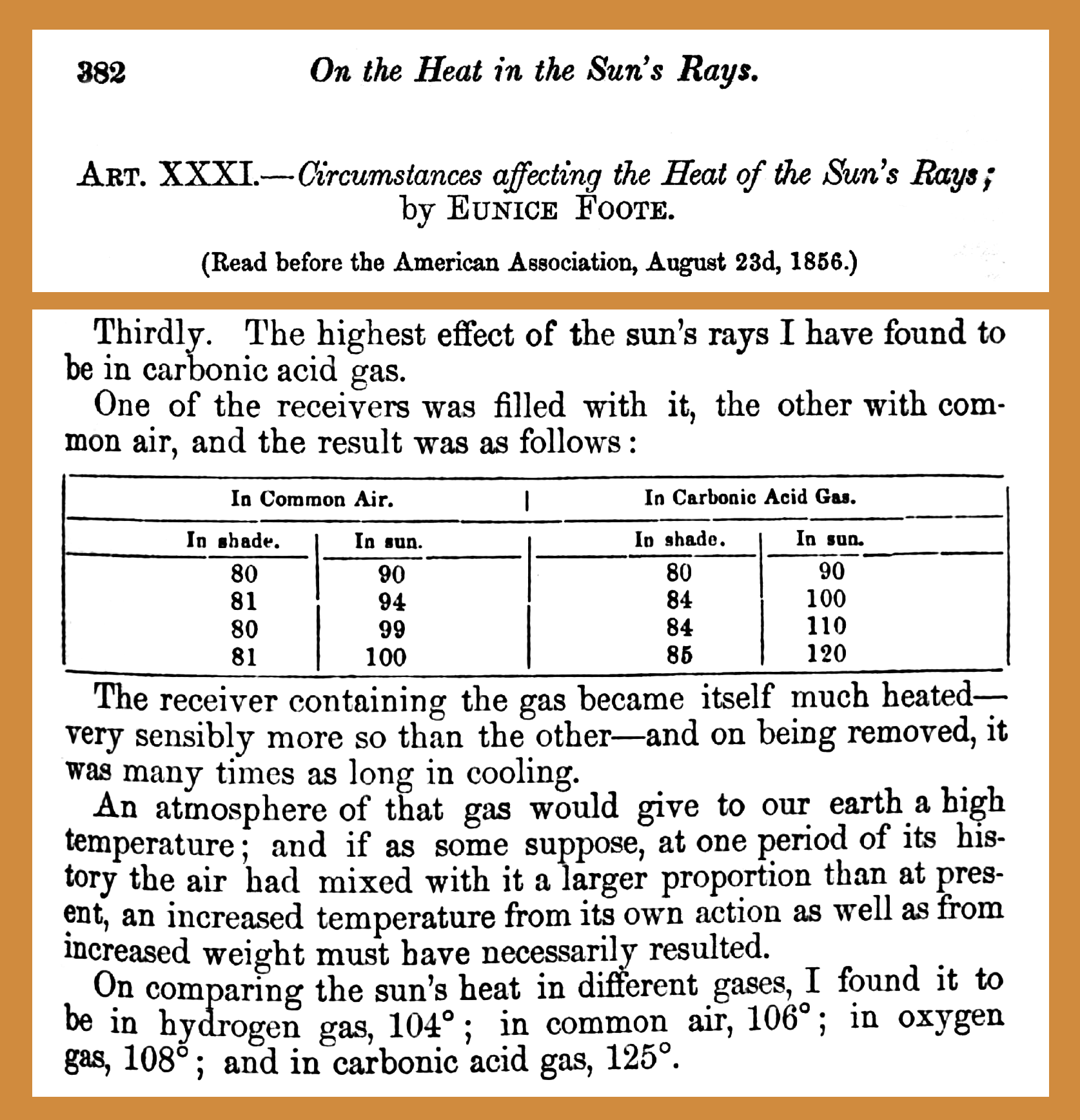
The science is old and solid. In the nineteenth century, researchers including Eunice Newton Foote and John Tyndall showed in the laboratory that gases like carbon dioxide absorb heat. Later, Svante Arrhenius even calculated how rising carbon dioxide would warm the planet, more than a century ago.
The greenhouse effect itself is not controversial. It is confirmed by laboratory measurements of how gases absorb heat, by detailed observations of Earth's atmosphere, and by the climates of other planets. Venus, wrapped in thick carbon dioxide, is scorching, while Mars, with a thin atmosphere, is frigid, just as the theory predicts.
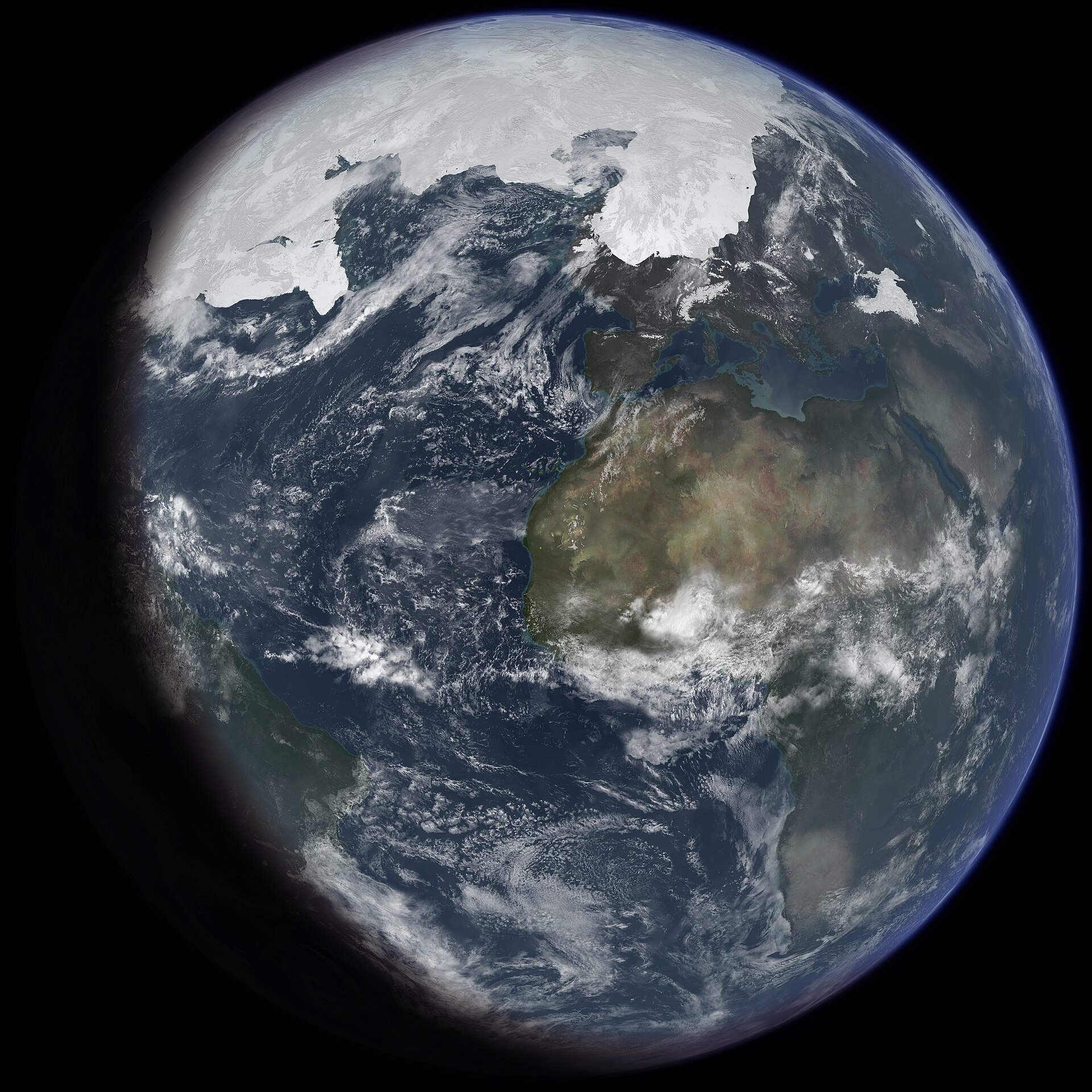
A natural greenhouse effect is essential to life. Without it, Earth's average temperature would be well below freezing, and the planet would be a frozen ball. The gases in our air keep the surface at a comfortable average of around fifteen degrees, a delicate warmth that has allowed life to flourish.
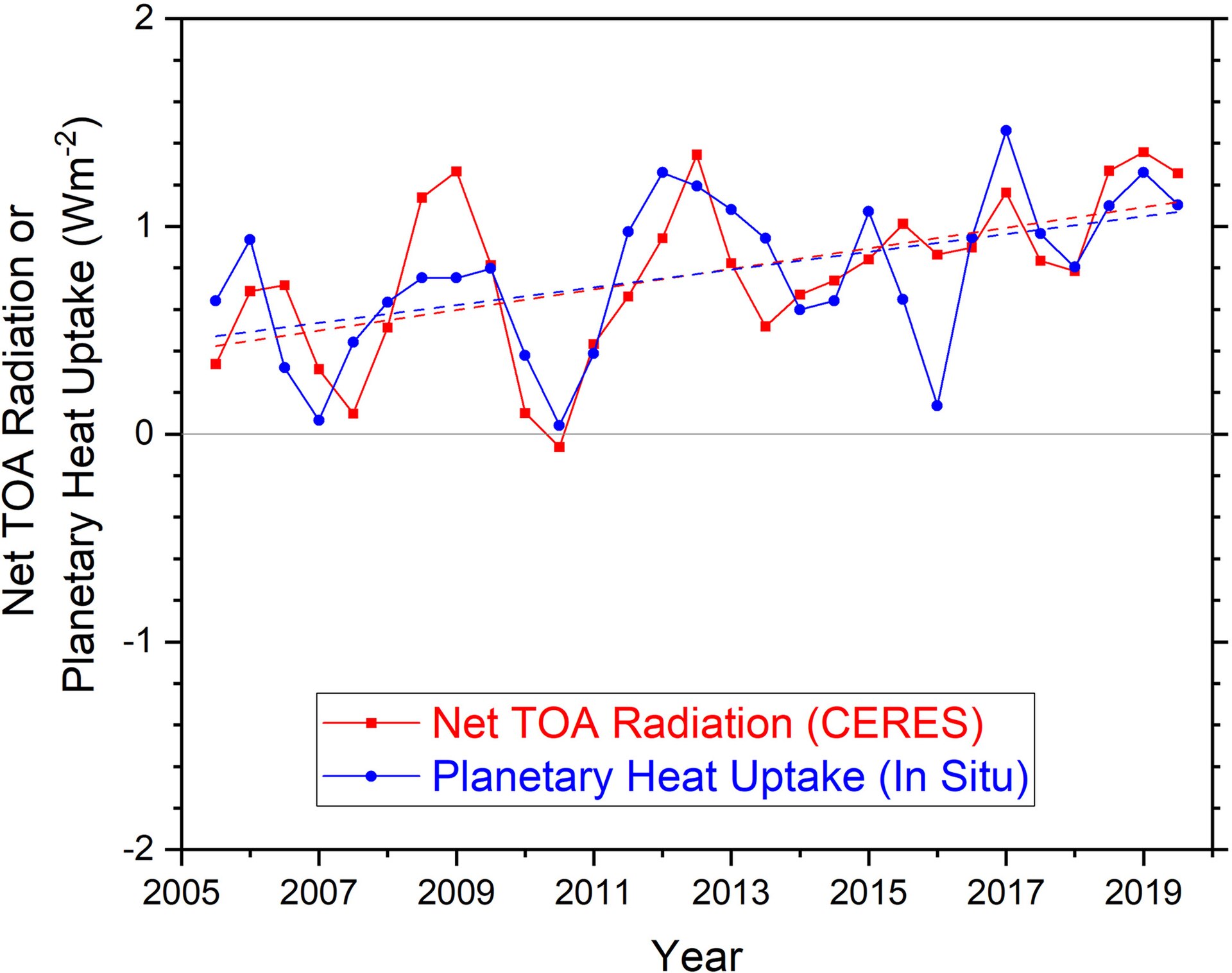
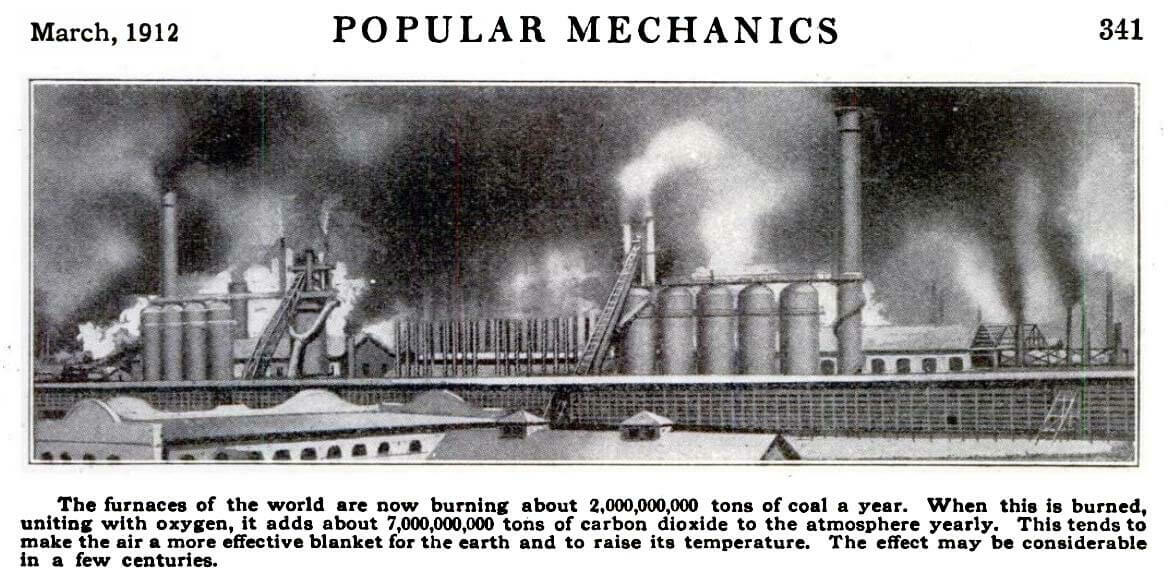
The concern today is that human activity, chiefly burning coal, oil, and gas, has sharply raised the level of carbon dioxide in the air, strengthening the natural greenhouse effect. The extra trapped heat is warming the climate, the central driver of the changes scientists observe around the world.
Understanding the greenhouse effect is central both to appreciating why life is possible on Earth and to confronting global warming. The same physics that makes our planet habitable also means that adding heat trapping gases must warm it. It is among the most thoroughly established ideas in all of climate science.