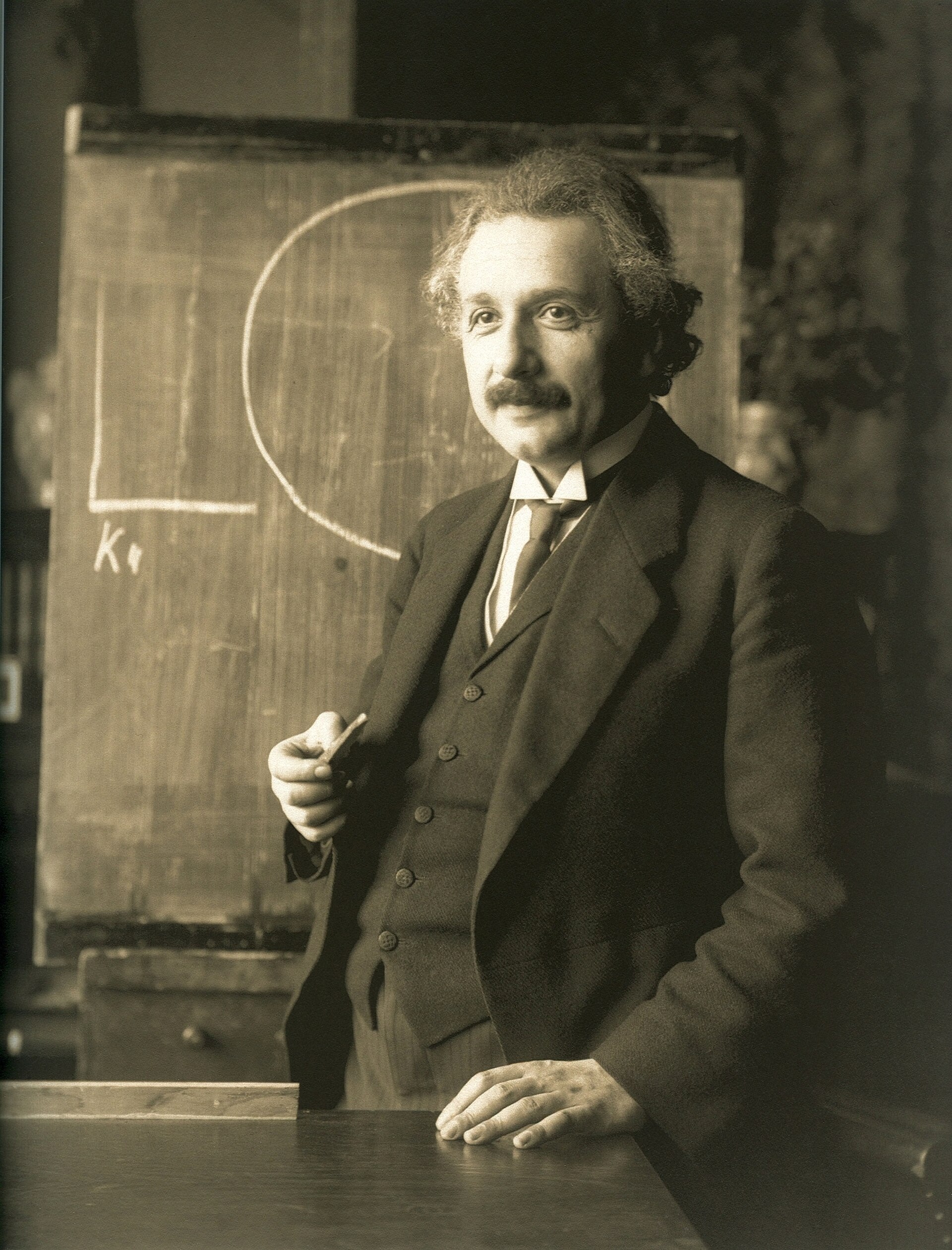
Mass and energy are two forms of the same thing. This is the meaning of the most famous equation in science, which states that the energy contained in a body equals its mass multiplied by the speed of light squared. Because the speed of light is enormous, a tiny amount of mass holds an immense amount of energy. First set out by Albert Einstein in 1905, the relationship is confirmed every day in laboratories, power stations, and the stars.
Einstein arrived at the equation as a consequence of his special theory of relativity. He realised that when an object gives off energy, it loses a corresponding amount of mass, and concluded that mass and energy are not separate quantities but interchangeable measures of the same underlying thing. The idea was startling, because mass had always been thought of as fixed and indestructible.
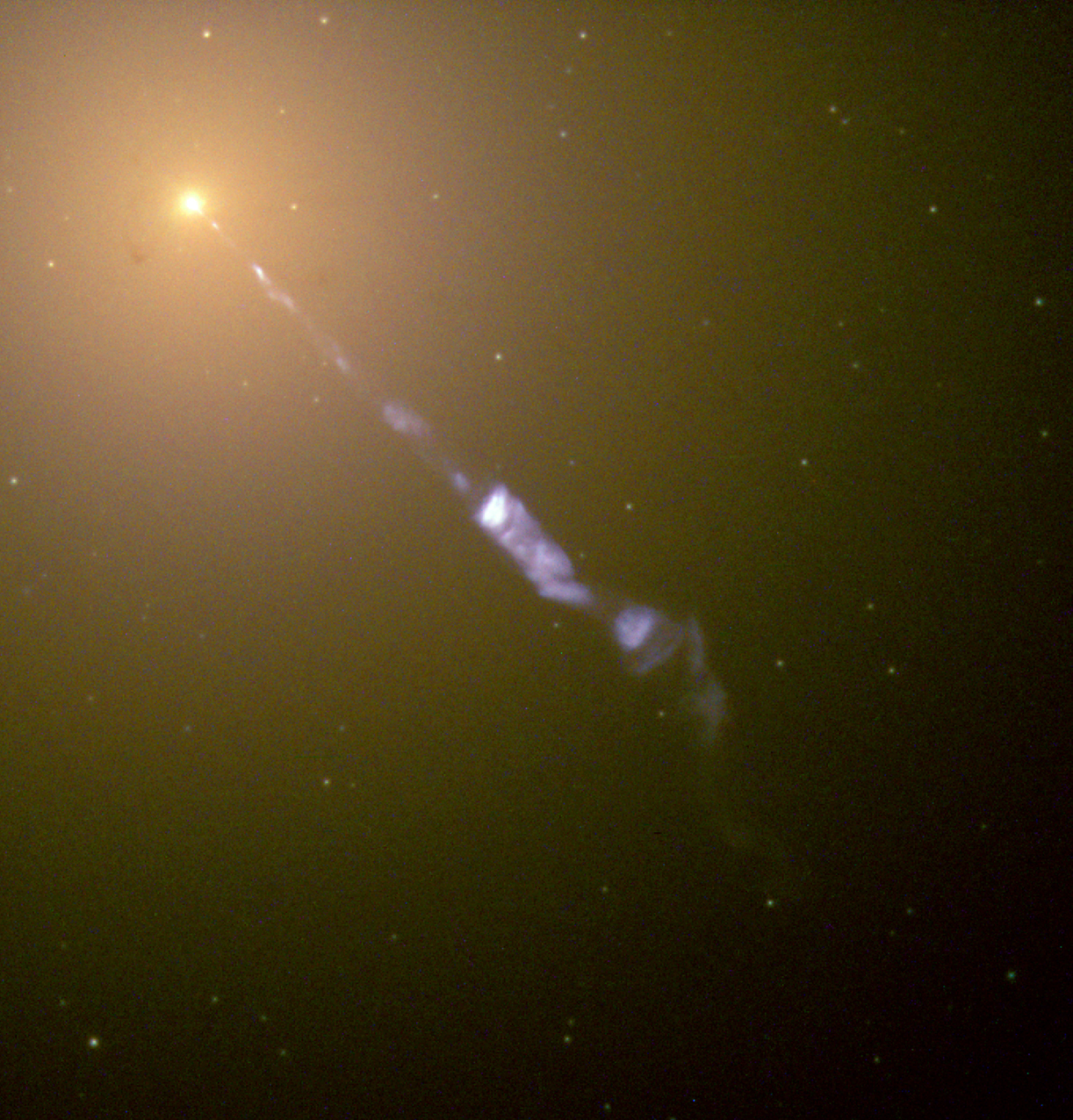
The equation says that energy equals mass times the speed of light multiplied by itself. The practical message is that mass is an extraordinarily concentrated store of energy. Converting even a gram of matter entirely into energy would release as much as is contained in thousands of tonnes of conventional explosive. In ordinary life this hidden energy stays locked away, but certain nuclear processes can release a fraction of it.
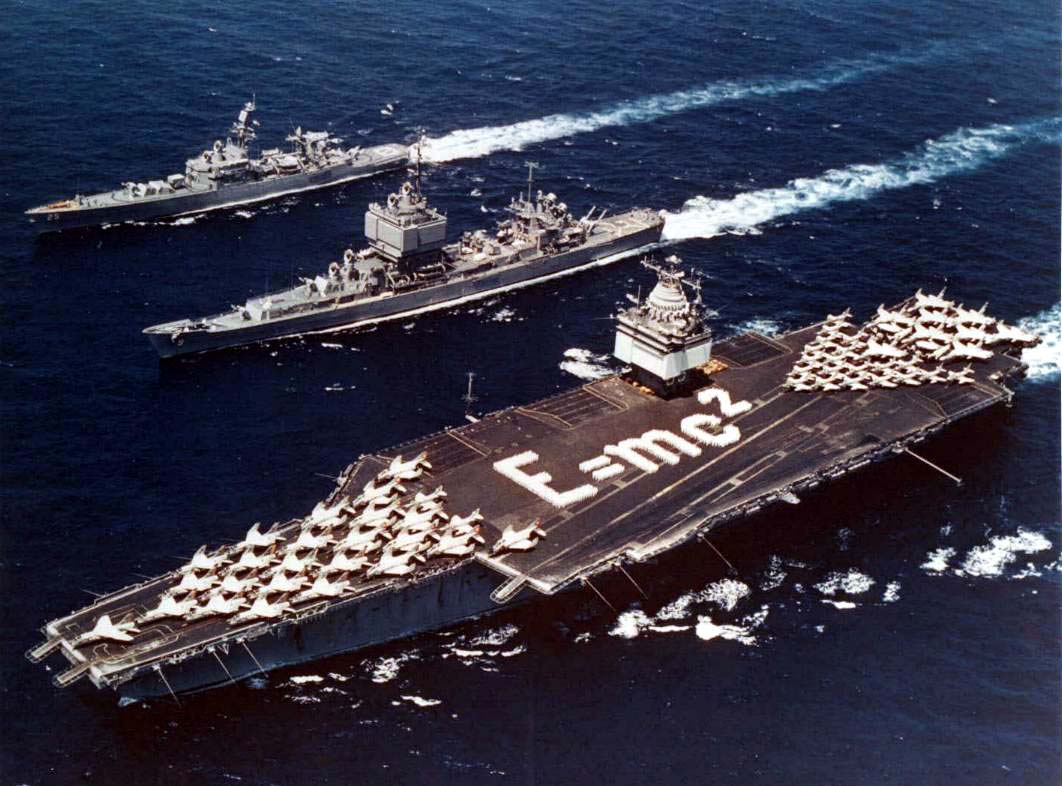
The relationship is not a matter of theory alone but is measured constantly. In nuclear reactions, the products weigh very slightly less than the starting materials, and the missing mass appears precisely as the energy released, in exact agreement with the equation. Particle accelerators routinely turn energy into new particles with mass, and the reverse, matter and antimatter annihilating into pure energy, is observed every day. The numbers match the prediction to extraordinary precision.
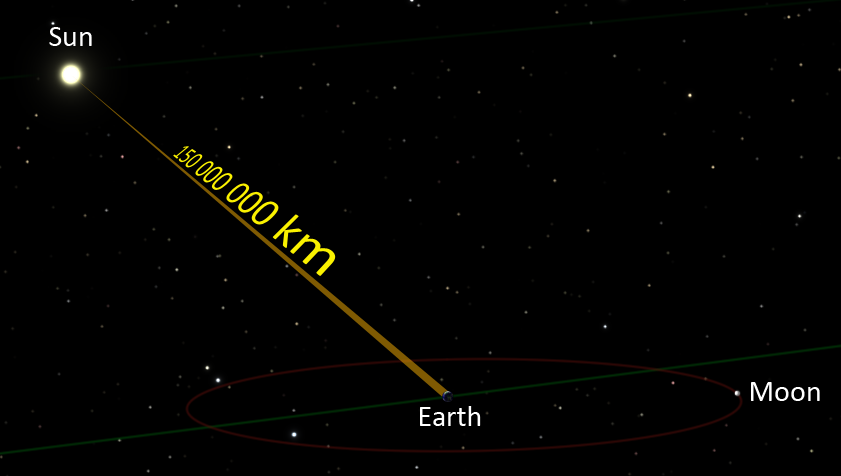
The same principle explains why the Sun shines. Deep in its core, hydrogen fuses into helium, and the helium weighs a little less than the hydrogen that made it. That small loss of mass, multiplied by the huge factor in the equation, pours out as the sunlight that warms the Earth. Across its lifetime the Sun converts millions of tonnes of mass into energy every second, and will go on doing so for billions of years.
From nuclear power and medicine to the energy of the stars and the workings of particle physics, the equivalence of mass and energy is woven through modern science. What began as a line of reasoning on paper has become one of the most thoroughly tested and far reaching facts about the physical world.