Crystallography
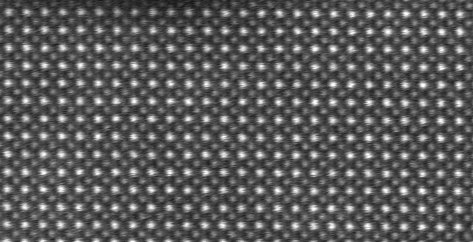
Crystallography is the science of crystals: how their atoms are arranged in orderly, repeating patterns, and how that hidden order gives crystals…
Matching your filter
Crystallography is the science of crystals: how their atoms are arranged in orderly, repeating patterns, and how that hidden order gives crystals…
Topology is the branch of mathematics that studies the properties of shapes that survive stretching, bending, and twisting, but not tearing or…
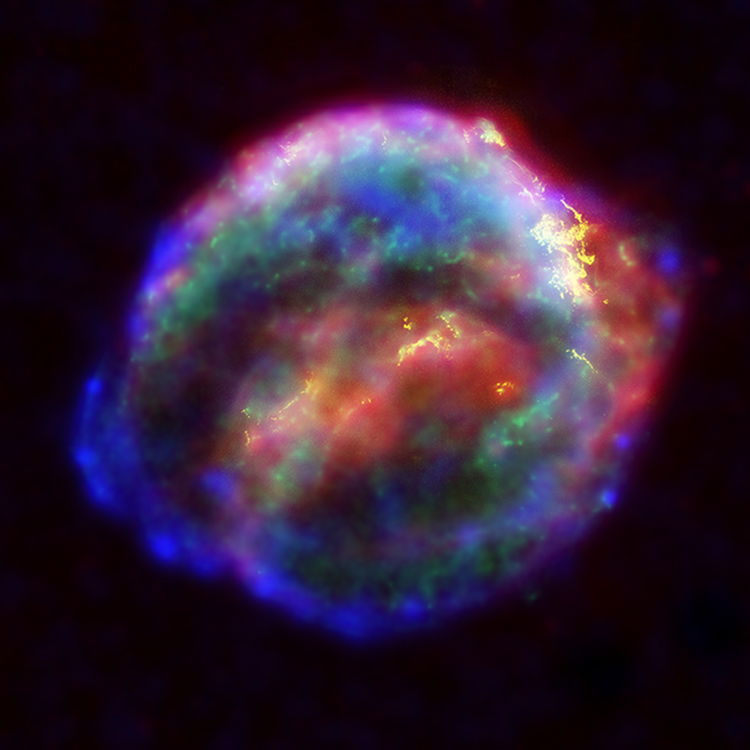
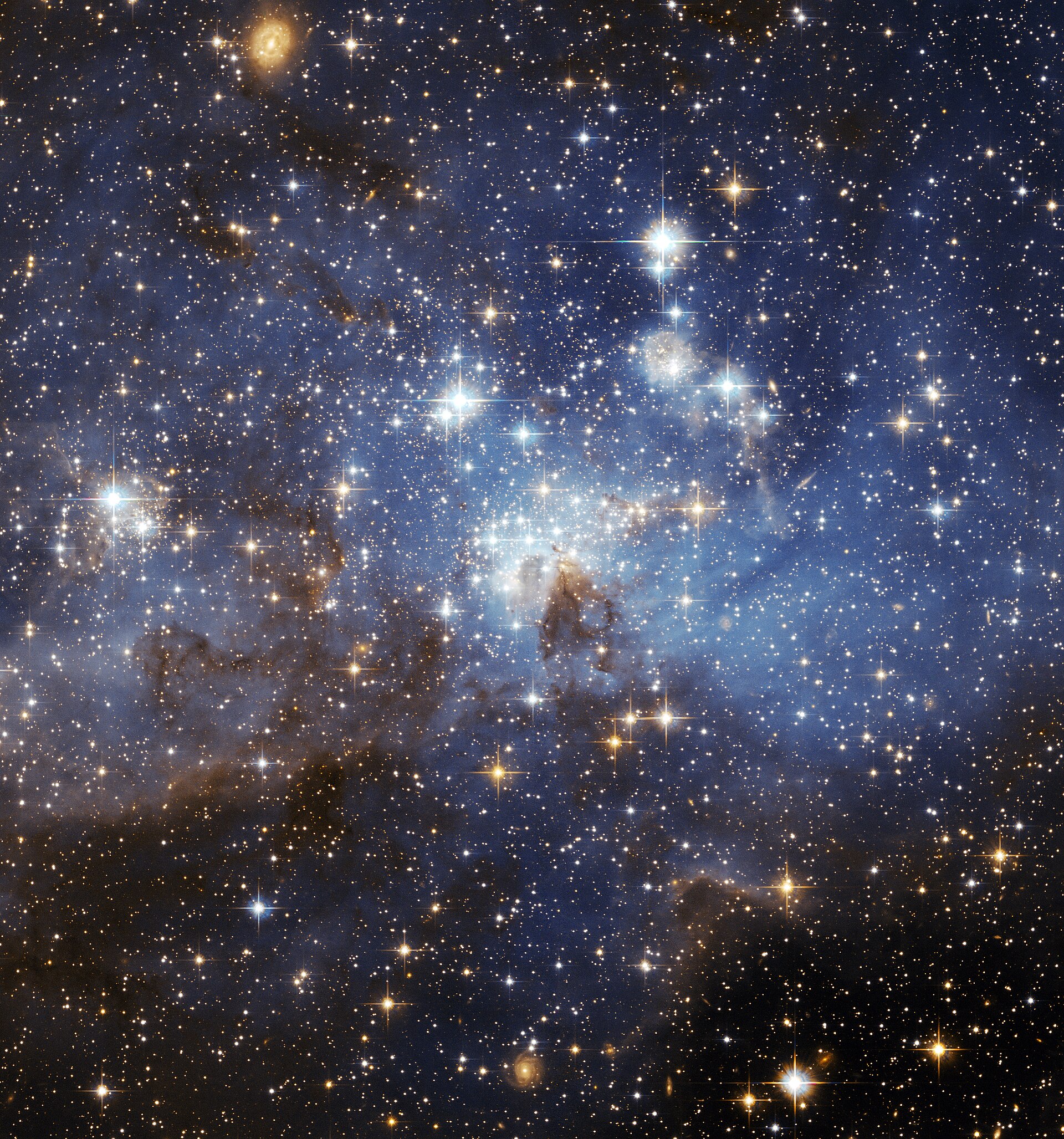
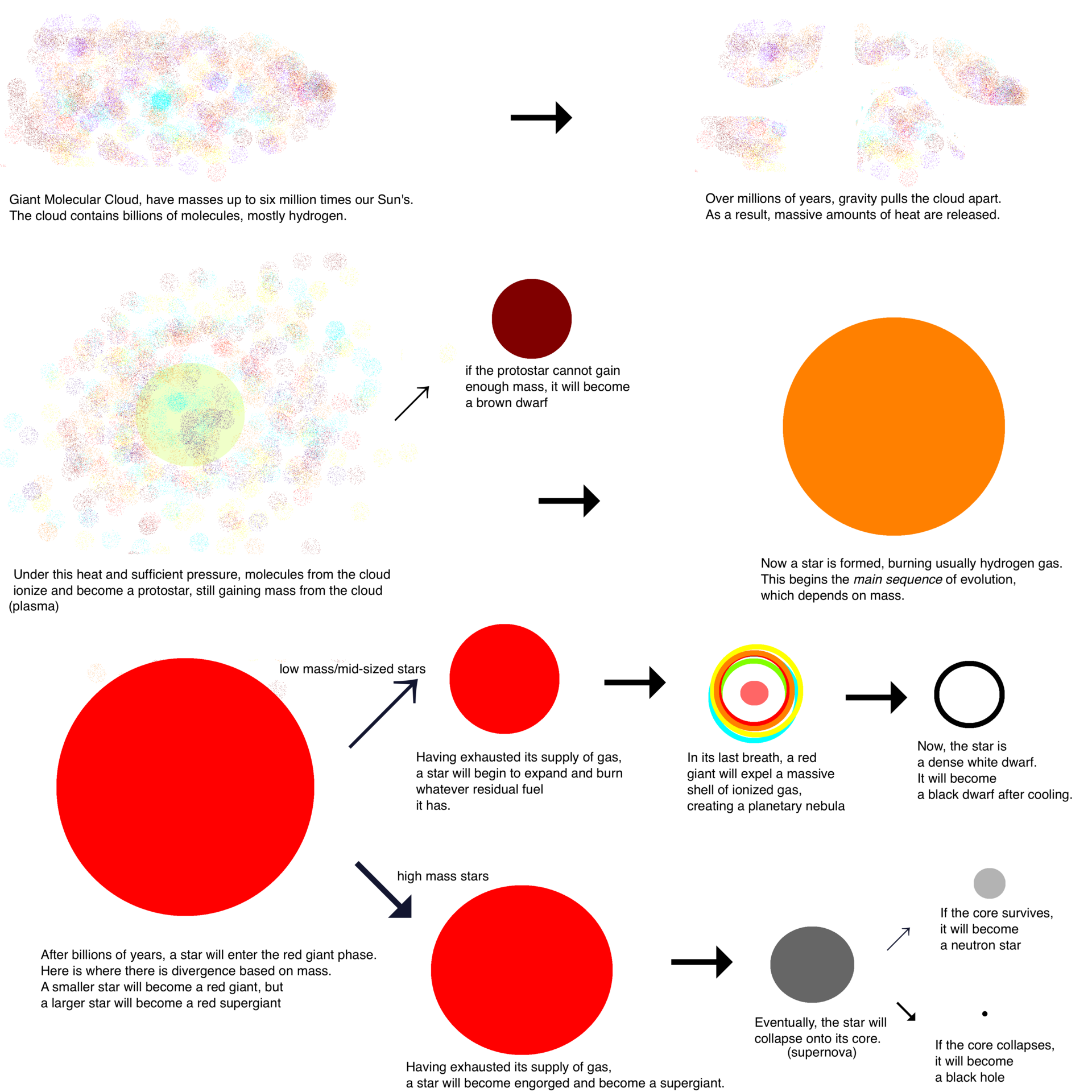
Stellar evolution is the scientific account of how stars are born, live, and die over millions or billions of years. Though no one can watch a single…
The kinetic theory of gases explains the behaviour of gases as the result of countless tiny particles, atoms and molecules, in constant, rapid,…
Set theory is the branch of mathematics that studies collections of objects, called sets. Though it begins with an idea as simple as grouping things…
Graph theory is the branch of mathematics that studies networks of connected objects. A graph is simply a collection of points, called vertices,…
The theory of computation is the branch of mathematics and computer science that asks what problems can be solved by computation, and how…
Uniformitarianism is the foundational principle of geology: that the same natural processes we observe today, such as erosion, sedimentation, and…
Acoustics is the branch of physics that studies sound: how it is produced, how it travels as waves, and how it is heard. It bridges science and art,…
Aerodynamics is the study of how air flows around objects and the forces this creates. It is the science that explains how aircraft fly, how cars and…
Endosymbiotic theory explains the origin of the complex cells that make up plants, animals, fungi, and other higher organisms. It proposes that key…
Optics is the branch of physics that studies light: how it travels, how it interacts with matter, and how it can be controlled with lenses and…
Quantum mechanics is the branch of physics that describes the behaviour of matter and energy at the smallest scales, those of atoms and subatomic…
The greenhouse effect is the process by which certain gases in a planet's atmosphere trap heat, keeping the surface warmer than it would otherwise…
Mendelian inheritance is the set of principles describing how traits are passed from parents to offspring through discrete units we now call genes.…
Thermodynamics is the branch of physics concerned with heat, energy, and work, and how they transform from one form to another. Its laws are among…
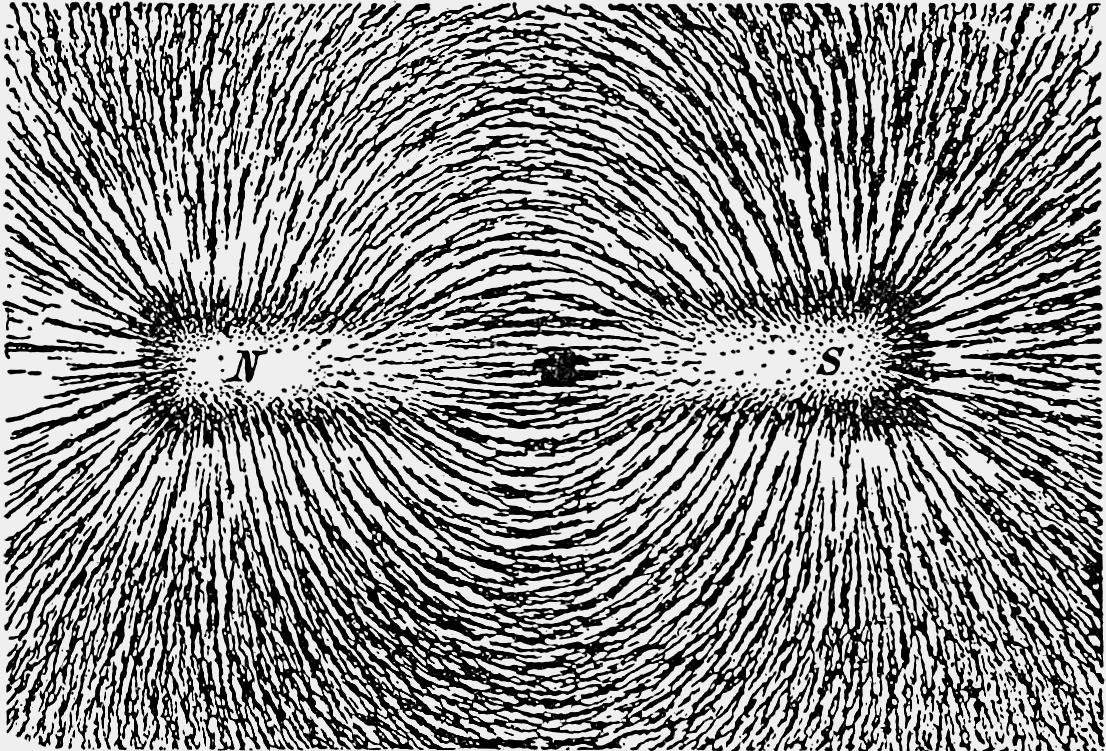
Electromagnetism is the branch of physics that describes the forces between electric charges and the deep connection between electricity and…
Atomic theory is the idea that all matter is made up of tiny particles called atoms. It is one of the most important and successful ideas in all of…
Cell theory is one of the foundational ideas of biology. It holds that all living things are made of cells, that the cell is the basic unit of life,…
Plate tectonics is the scientific theory that Earth's outer shell is broken into a set of large, rigid plates that drift slowly over the hotter,…