Roland Barthes argued in 1967 that a text's meaning is not fixed by what its writer intended, and that criticism organised around the author's biography and intentions is a limit on reading rather than a route to it. The essay is among the most cited in literary studies and among the most consistently misread.
Barthes's essay, published in English in 1967 and in French the following year, makes a narrow claim. A text is made of language, and language carries meanings its user does not control. Once written, a work enters a system of other writing, and readers bring the associations that produce its sense.
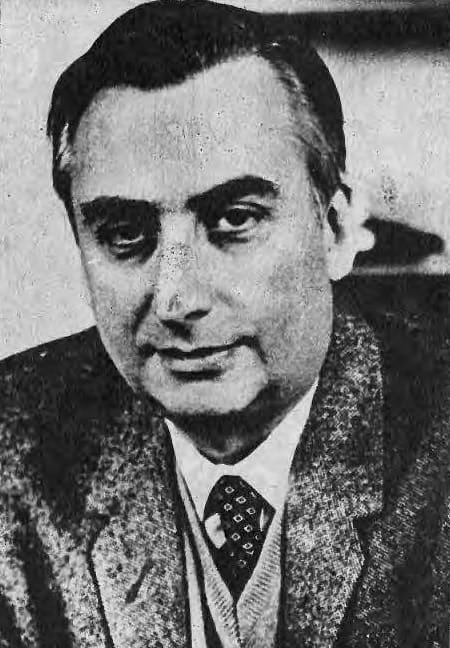
Treating the author as the source of meaning, Barthes wrote, assigns the text a final signified and closes it. His last line is that the birth of the reader must be at the cost of the death of the author, which is a claim about where meaning is produced, not a claim that writers are irrelevant or that all readings are equal.
The target was a specific critical practice. French academic criticism of the period explained works largely through the biography, psychology and stated intentions of their writers, so the question of what a poem meant became a question about the poet's life. Anglo-American New Criticism had already attacked the same habit: W. K. Wimsatt and Monroe Beardsley called it the intentional fallacy in 1946, arguing that an author's intention is neither available nor decisive for judging a work.
Barthes went further than the New Critics. They kept the text as a self-contained object with a determinate meaning; he located meaning in the reader and treated it as plural.
Michel Foucault responded in 1969 with What Is an Author, which is often read as agreement and is closer to a correction.
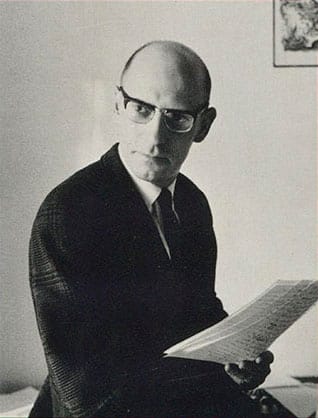
Foucault argued that the author is not a person to be dismissed but a function that discourse performs. Attaching a name to a text classifies it, groups it with others, gives it status, and determines how it may be used. The author function varies historically: medieval scientific texts needed an authoritative name to be credible while literary texts often circulated anonymously, and the arrangement later reversed. Legal and economic structures, copyright above all, produced the modern author.
Declaring the author dead, on this account, leaves the function intact and merely stops examining it.
Historical and biographical critics argue that context is often necessary rather than optional. A satire read without knowledge of its target is not liberated, it is misunderstood.
Feminist and postcolonial critics raised a sharper objection: the author was declared dead at the moment writers who had been excluded from authorship were finally claiming it. Nancy Miller and others argued that a subject position never granted to women cannot be renounced by them on the same terms.
Speech act theorists object that texts are utterances, and that understanding an utterance ordinarily involves inferring what was meant. E. D. Hirsch defended authorial intention as the only stable basis for distinguishing valid interpretation from invention.
The essay's influence is enormous and mostly indirect. Reader response criticism, reception studies and much of cultural studies proceed from the premise that meaning is produced in reading. The routine academic practice of reading a text against its author's stated intentions descends from it.

The popular use of the phrase, to mean that a work can be enjoyed while disregarding what its creator has said or done, is not what Barthes argued. He was making a claim about how meaning arises, not offering a procedure for separating art from artist. The argument he did make is now common ground; the slogan it produced has drifted a long way from it.