Attachment theory is the psychological theory that human beings are born with a deep need to form close emotional bonds with a few caregivers, and that the quality of these earliest bonds shapes how a person relates to others throughout life. Developed in the mid twentieth century, it is one of the most influential and well supported frameworks in developmental psychology, grounded in decades of careful observation.
The theory was founded by the British psychiatrist John Bowlby, who argued that the bond between an infant and its caregiver is not merely a by product of feeding but an evolved survival system, keeping the vulnerable young close to protection. His collaborator Mary Ainsworth then developed ways to study this bond directly, turning Bowlby's ideas into a testable science through detailed observation of infants and their mothers.

At the heart of the theory is the idea that a caregiver provides a secure base from which a child can explore the world and a safe haven to return to when frightened. When caregivers are reliably responsive, children learn that they can depend on others and feel free to explore. The patterns formed in these early relationships, the theory holds, become internal templates that influence relationships and emotional life far into adulthood.
Ainsworth devised a now classic experiment, the Strange Situation, in which a young child is observed as a caregiver briefly leaves and returns. From how children responded, researchers identified distinct attachment styles. Securely attached children were upset at separation but readily comforted on reunion, while insecurely attached children showed patterns of anxious clinging or avoidance. These categories have been replicated across thousands of studies.
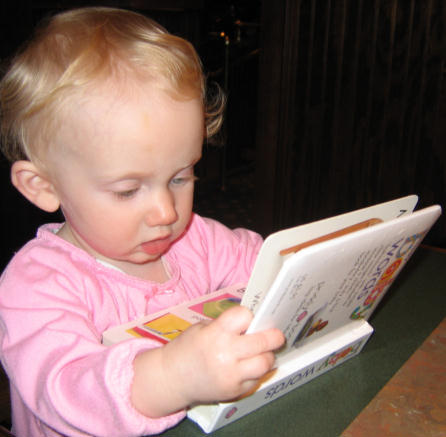
While the core findings are robust, the wider claims of attachment theory are debated. Researchers disagree about how strongly early attachment predicts adult relationships, how much later experiences can reshape these patterns, and how the categories apply across different cultures, since child rearing practices vary widely around the world. The extension of the theory to adult romantic relationships, though popular, is more contested than the original work with infants.
Attachment theory transformed the understanding of childhood, influencing parenting advice, child care, therapy, and social policy. Its central insight, that early emotional bonds matter profoundly for human development, is one of the most thoroughly supported and widely applied ideas in modern psychology, even as scholars continue to refine its limits.