The theory of island biogeography explains how many species an island will hold, and why. Developed in the 1960s, it proposes that the number of species on an island settles at a balance between two opposing processes: the arrival of new species from elsewhere, and the extinction of species already present. Elegant and predictive, it has become a cornerstone of ecology and a vital guide to conservation.
The central idea is that an island's roster of species is not fixed but dynamic. New species keep arriving by chance from the mainland or other islands, while existing species keep dying out, and the total number levels off where these two rates are equal. Crucially, the particular species present may keep changing even as their number stays roughly constant, an equilibrium of turnover rather than of stillness.
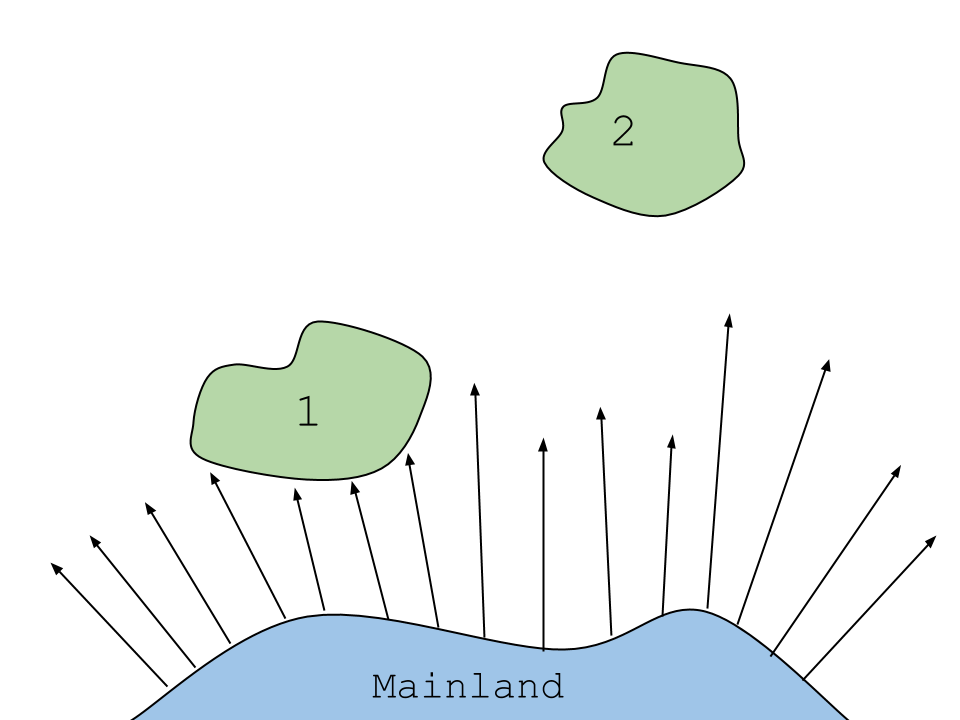
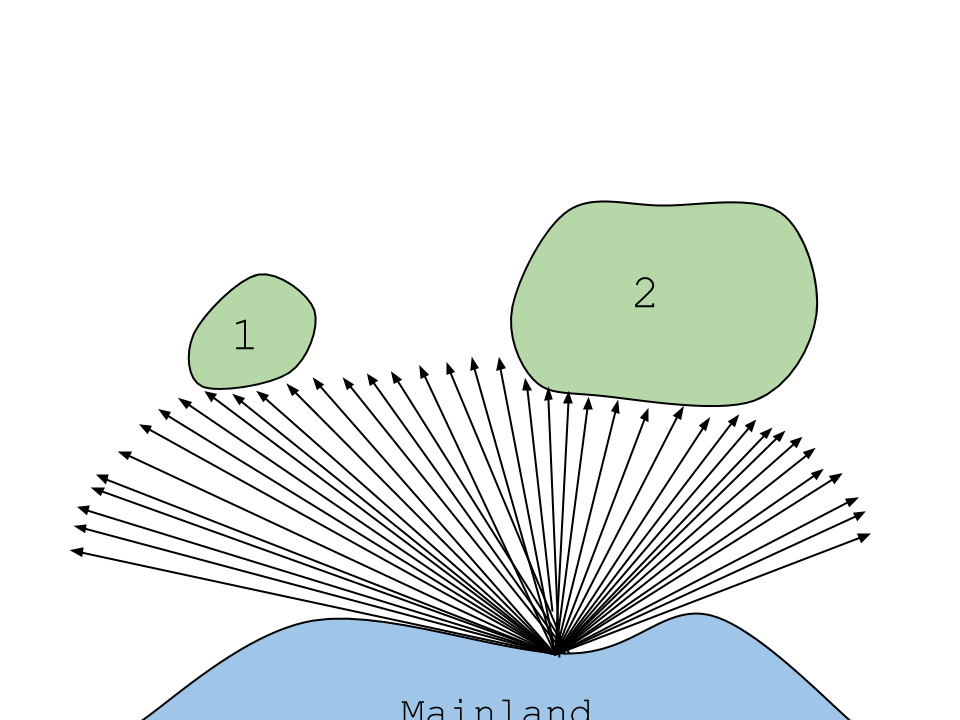
The theory makes two clear predictions, both well confirmed. Islands farther from a source of species receive fewer arrivals, so they hold fewer species than near ones. And larger islands, with more room and habitats, suffer fewer extinctions and so hold more species than small ones. The relationship between an island's size and its number of species is one of the most reliable patterns in all of ecology.
Remarkably for a theory about islands and time, it has been tested directly. In a classic experiment, small mangrove islets were cleared of their insect life and then watched as species recolonised them. The number of species climbed back to close to its original level, and did so in the way the theory predicted, with the particular species often different from before, a striking confirmation of the balance of arrival and extinction.
The theory's reach extends far past actual islands. Patches of forest in a cleared landscape, ponds, mountaintops, and nature reserves all behave like islands surrounded by inhospitable terrain. This insight has profoundly shaped conservation, informing how reserves are sized and connected to hold as many species as possible, and helping explain why habitat fragmentation drives species loss.
By turning the diversity of life on islands into a matter of measurable, predictable balance, the theory of island biogeography became one of the most influential ideas in modern ecology, as useful in the design of nature reserves as in the study of remote archipelagos.