The modern synthesis is the theory, developed in the first half of the twentieth century, that united Charles Darwin's idea of evolution by natural selection with the science of genetics. It explained evolution in terms of the changing frequencies of genes within populations, resolving a long standing conflict and providing the framework that has guided biology ever since. It is sometimes called the neo Darwinian synthesis.
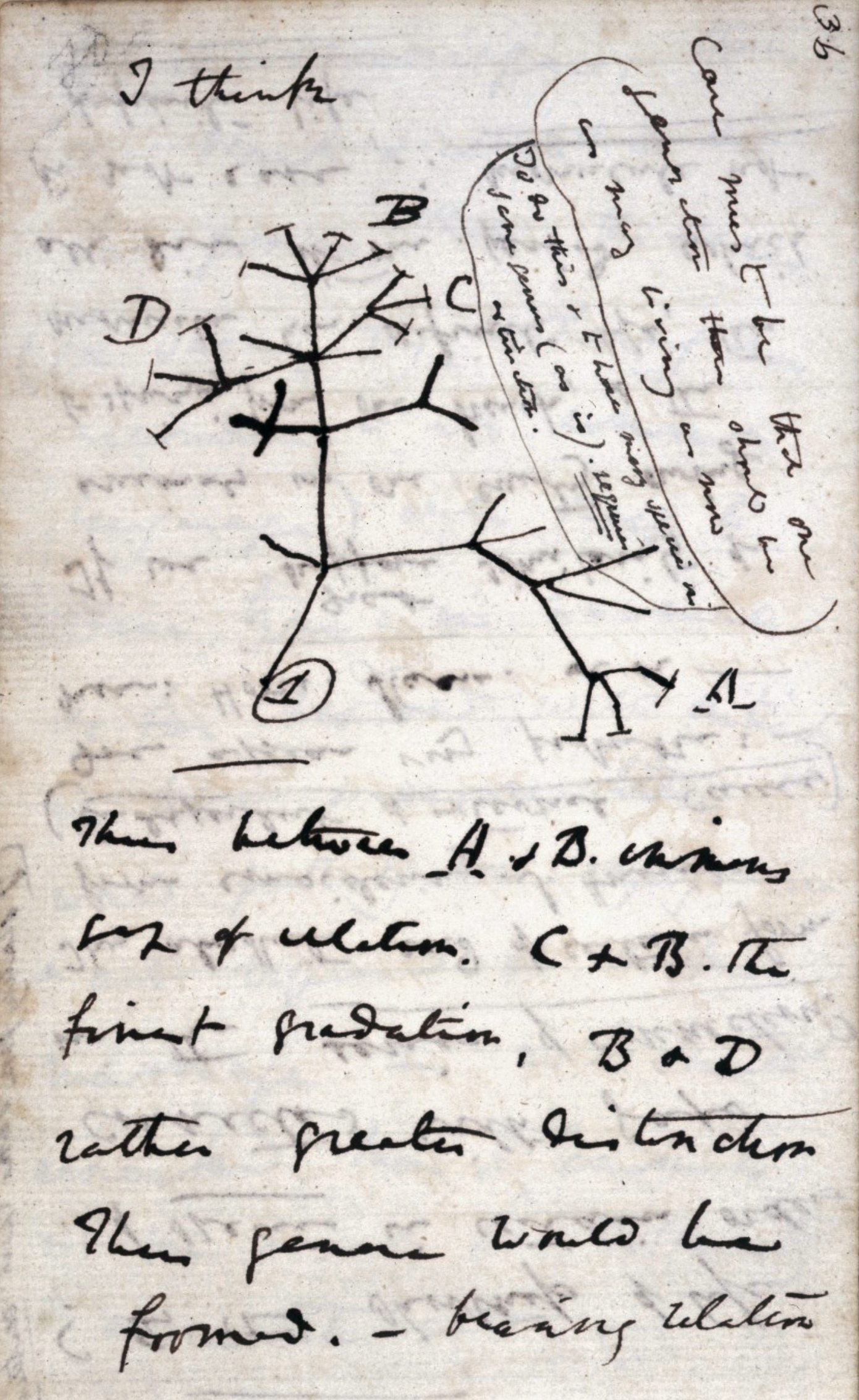
Darwin showed convincingly that species evolve and that natural selection drives the process, but he did not know how traits are inherited. Without a correct theory of heredity, it was unclear how favourable variations could be passed on rather than blended away over generations. For decades after Darwin, this gap left natural selection in doubt, even among scientists who accepted that evolution had occurred.
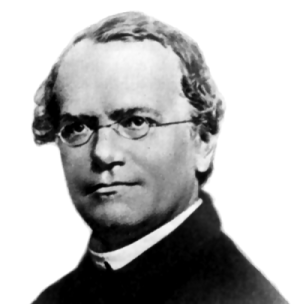
The answer came from the work of Gregor Mendel on inheritance, rediscovered around 1900, which showed that traits are carried by discrete units, now called genes, that do not blend but are passed on intact. In the 1920s and 1930s, mathematicians and biologists showed that natural selection acting on these genes, generation after generation, gradually shifts their frequencies in a population. Evolution, in this view, is the change over time in the genetic make up of populations.
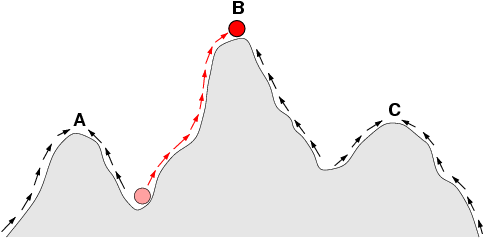
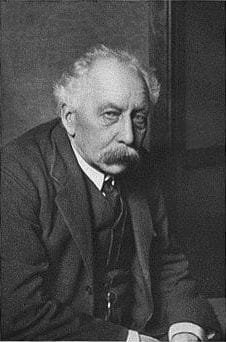
The synthesis was the work of many hands. Mathematically inclined biologists laid the theoretical foundations, showing that Mendelian genetics and natural selection were not in conflict but fit together perfectly. Others then wove in evidence from the study of wild populations, the formation of new species, palaeontology, and classification, producing by around 1950 a unified account of evolution embraced across the life sciences.
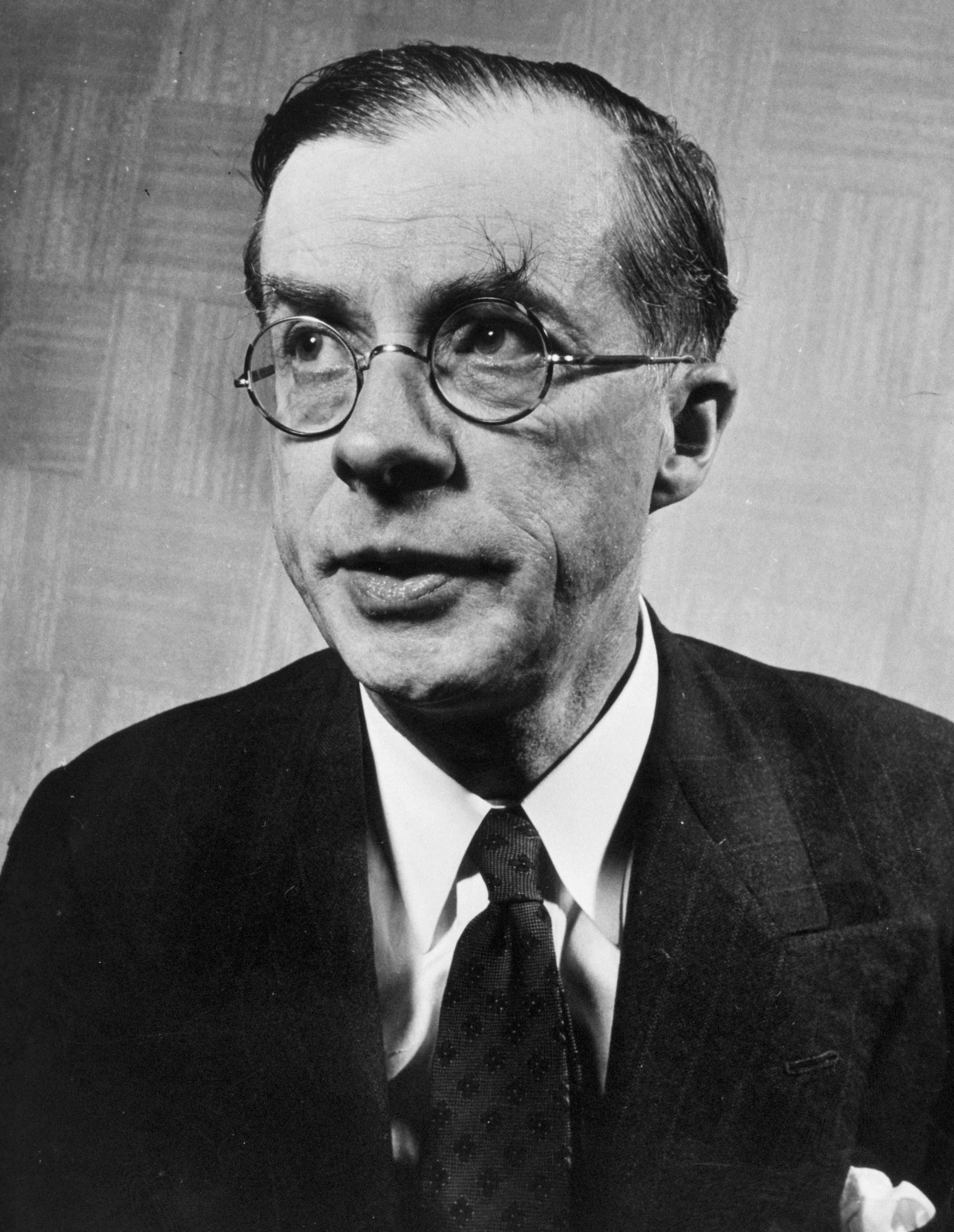
The modern synthesis remains the core of evolutionary biology, but it has continued to grow. Discoveries in molecular biology, the study of how genes shape development, and the role of factors beyond the genes themselves have all extended the picture, and biologists debate how much the original framework should be broadened. None of this overturns the synthesis; rather it enriches a theory that has proven remarkably durable.
By joining Darwin's great insight to the mechanism of heredity he lacked, the modern synthesis turned evolution into a precise, quantitative science. It is the foundation on which the whole of modern biology rests, and the reason evolution is understood not as a vague idea but as a measurable process at work in every living population.