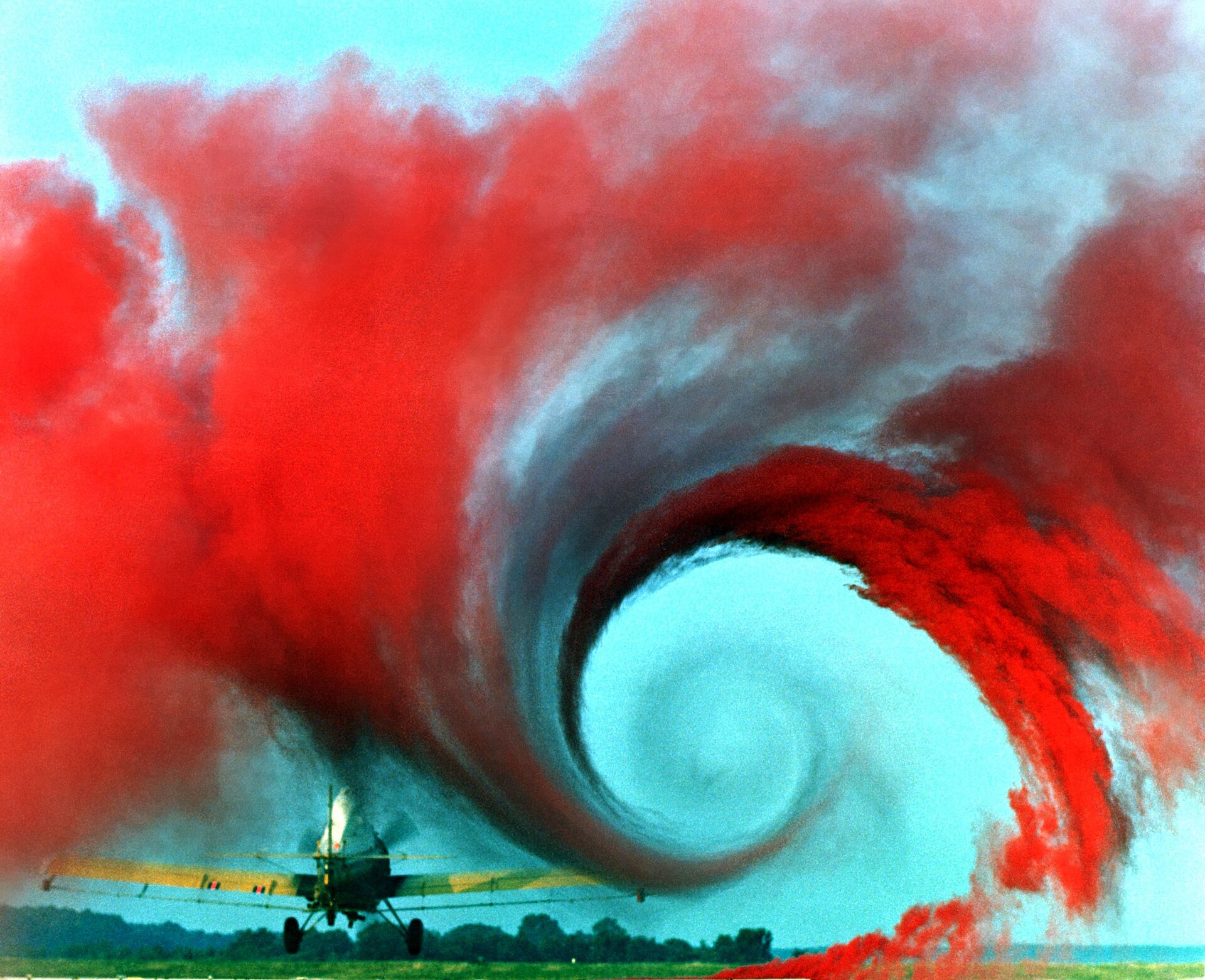
Aerodynamics is the study of how air flows around objects and the forces this creates. It is the science that explains how aircraft fly, how cars and buildings handle wind, and how a thrown ball curves through the air.
The key to aerodynamics is realizing that air, though invisible, is a real substance that flows like a fluid and pushes on anything moving through it. As an object moves, it must shove air aside, and the air pushes back. These pushes and pulls of moving air are the forces aerodynamics studies.
An aircraft in flight is governed by four forces. Thrust pushes it forward, drag resists its motion, weight pulls it down, and lift holds it up. Flight happens when lift overcomes weight and thrust overcomes drag. Balancing these four forces is the essence of how any aircraft stays aloft.
Lift is the upward force that holds an aircraft up, generated mainly by its wings as they move through the air. Without enough lift, nothing can fly. Understanding how wings produce lift, and how to make more of it, is at the heart of aircraft design.
A wing creates lift by deflecting air downward as it passes; by Newton's laws, pushing air down pushes the wing up. The wing's shape and its angle to the oncoming air both matter, and the speeding of air over the curved upper surface lowers the pressure there, adding to the upward force. The full explanation combines these effects.
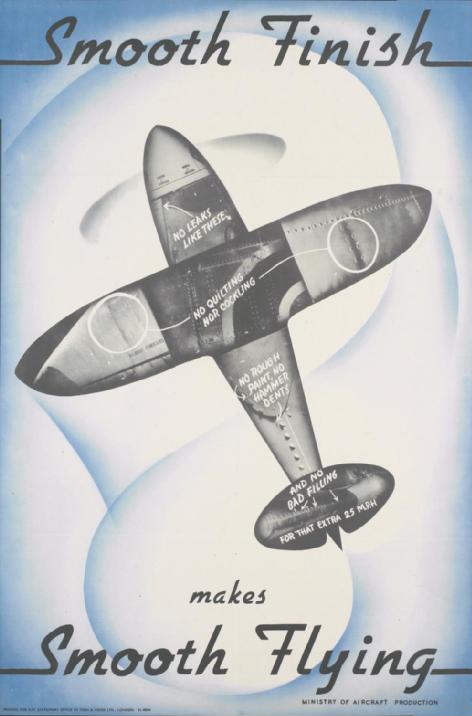
Drag is the resistance an object meets moving through air, and it always opposes motion. It comes both from friction with the air and from the disturbance an object leaves in its wake. Reducing drag, by making shapes smooth and streamlined, is central to designing efficient aircraft, cars, and trains.
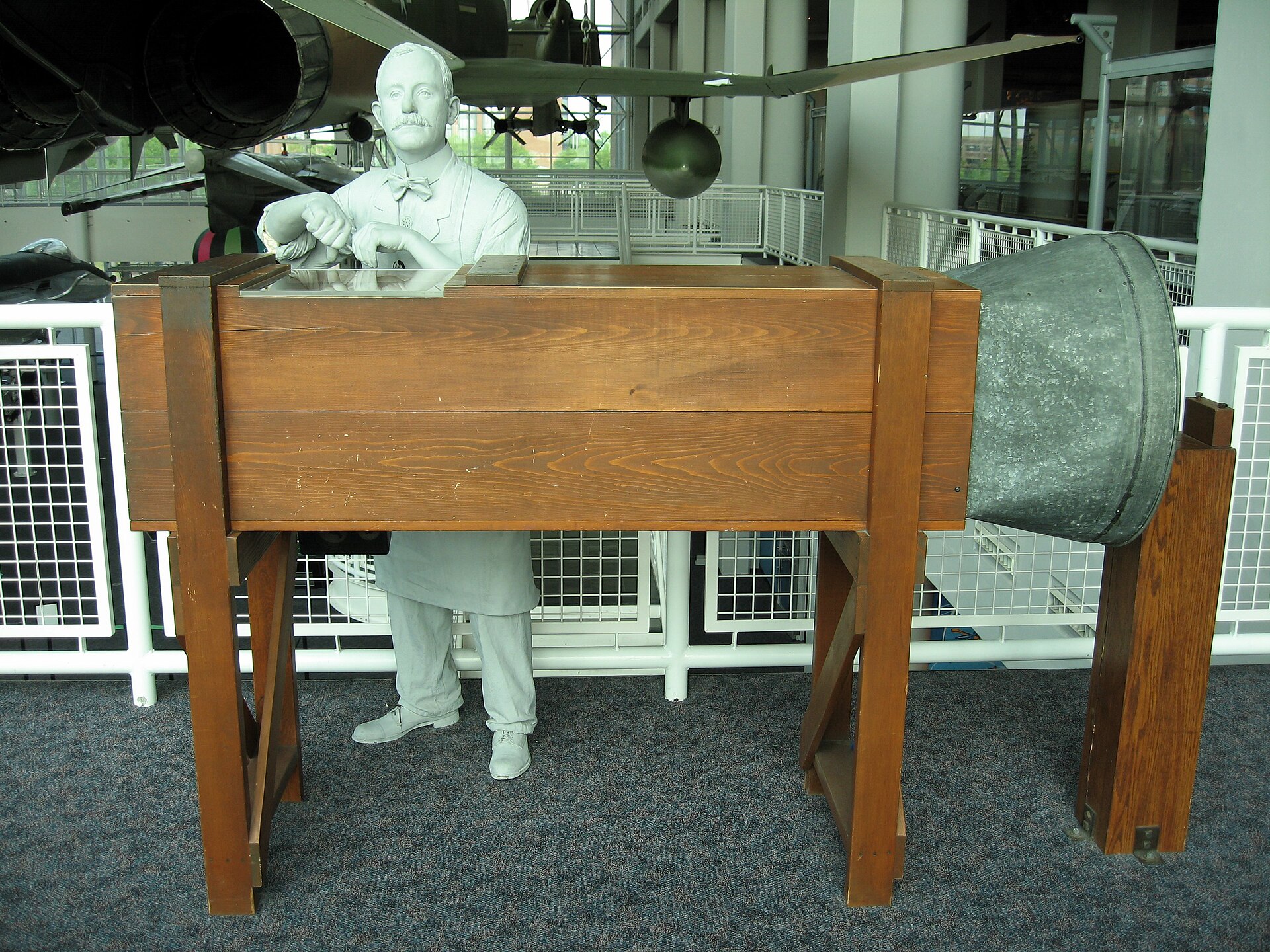
Engineers study these forces in wind tunnels, where air is blown over a model or a real object so its behaviour can be measured. The Wright brothers built one of the first to gather reliable data. Today, powerful computer simulations supplement wind tunnels, modelling the flow of air in extraordinary detail.
Aerodynamics shapes the world around us. The teardrop forms of fast cars, the smooth bodies of high speed trains, the swept wings of jets, and the blades of wind turbines all follow aerodynamic rules. Even buildings and bridges must be designed to withstand and shed the wind.
By turning the invisible behaviour of air into reliable design rules, aerodynamics underlies modern transport. It lets engineers predict how a new aircraft will fly before it is ever built, and it continues to push machines to move faster, higher, and more efficiently through the ocean of air in which we live.