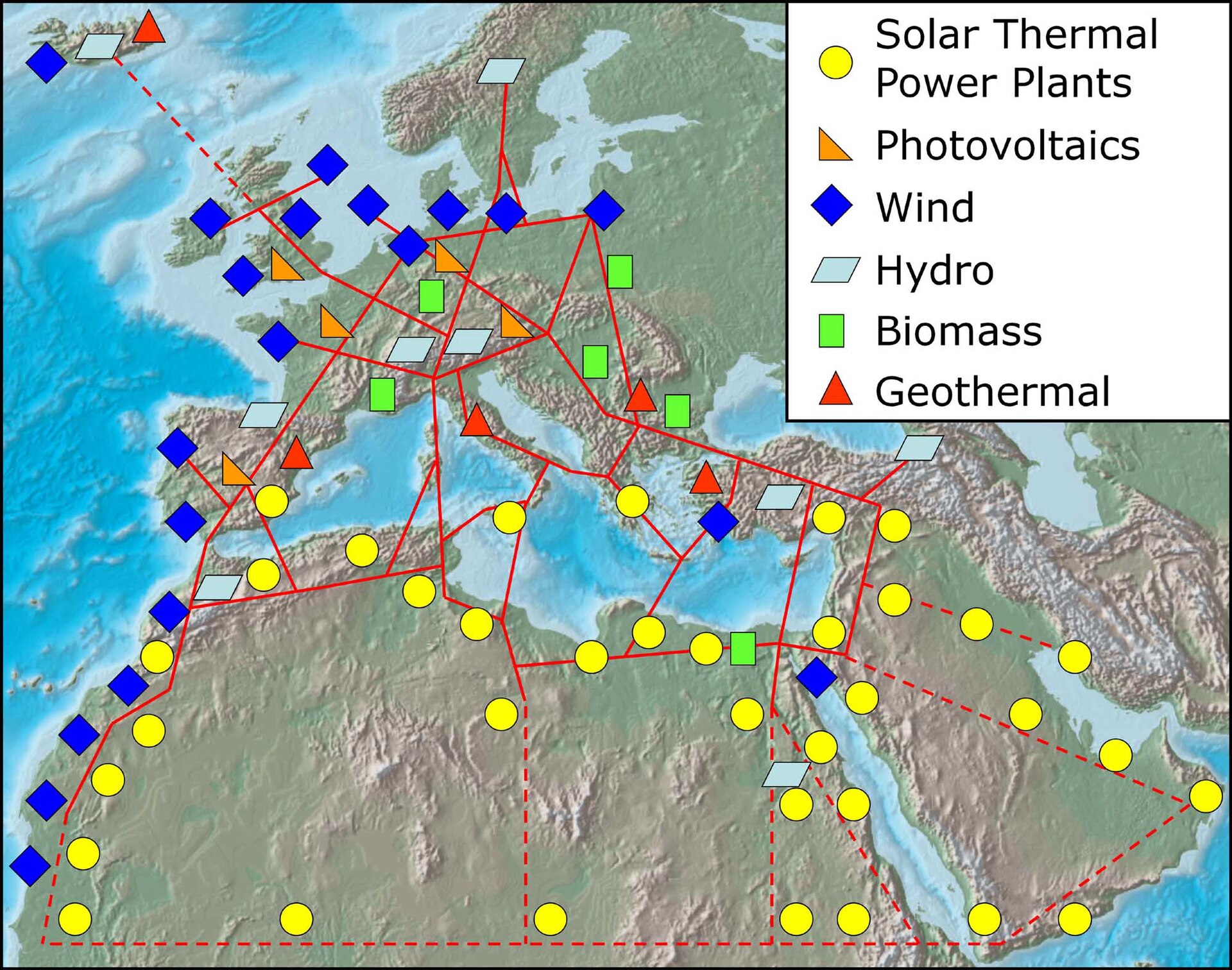
Wind and solar generation are non-dispatchable and produce zero rotational inertia, raising legitimate concerns about frequency regulation and ride-through capability as their share of the generation mix grows past roughly 30–40 percent. Engineers disagree on whether grid-forming inverters, synchronous condensers, and growing battery storage capacity can fully compensate, or whether nuclear and natural-gas firm capacity must remain a structural baseload component. Empirical evidence from Denmark, South Australia, and Texas's ERCOT shows both successful high-penetration operation and high-profile failures depending on grid design and weather conditions. The technical and economic question remains genuinely contested.