The James Webb Space Telescope
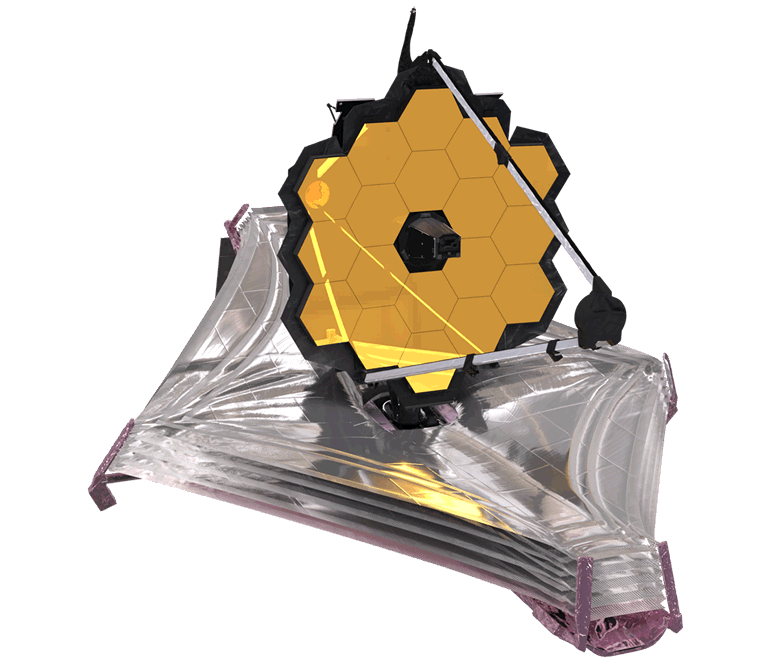
The James Webb Space Telescope is the most powerful space observatory ever built, launched in 2021 as the successor to the Hubble Space Telescope.…
Matching your filter
The James Webb Space Telescope is the most powerful space observatory ever built, launched in 2021 as the successor to the Hubble Space Telescope.…
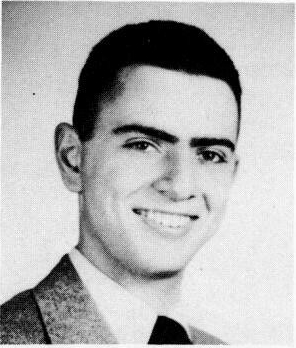
Carl Sagan (1934 to 1996) was an American astronomer and science communicator who did more than almost anyone to bring the wonder of the cosmos to…
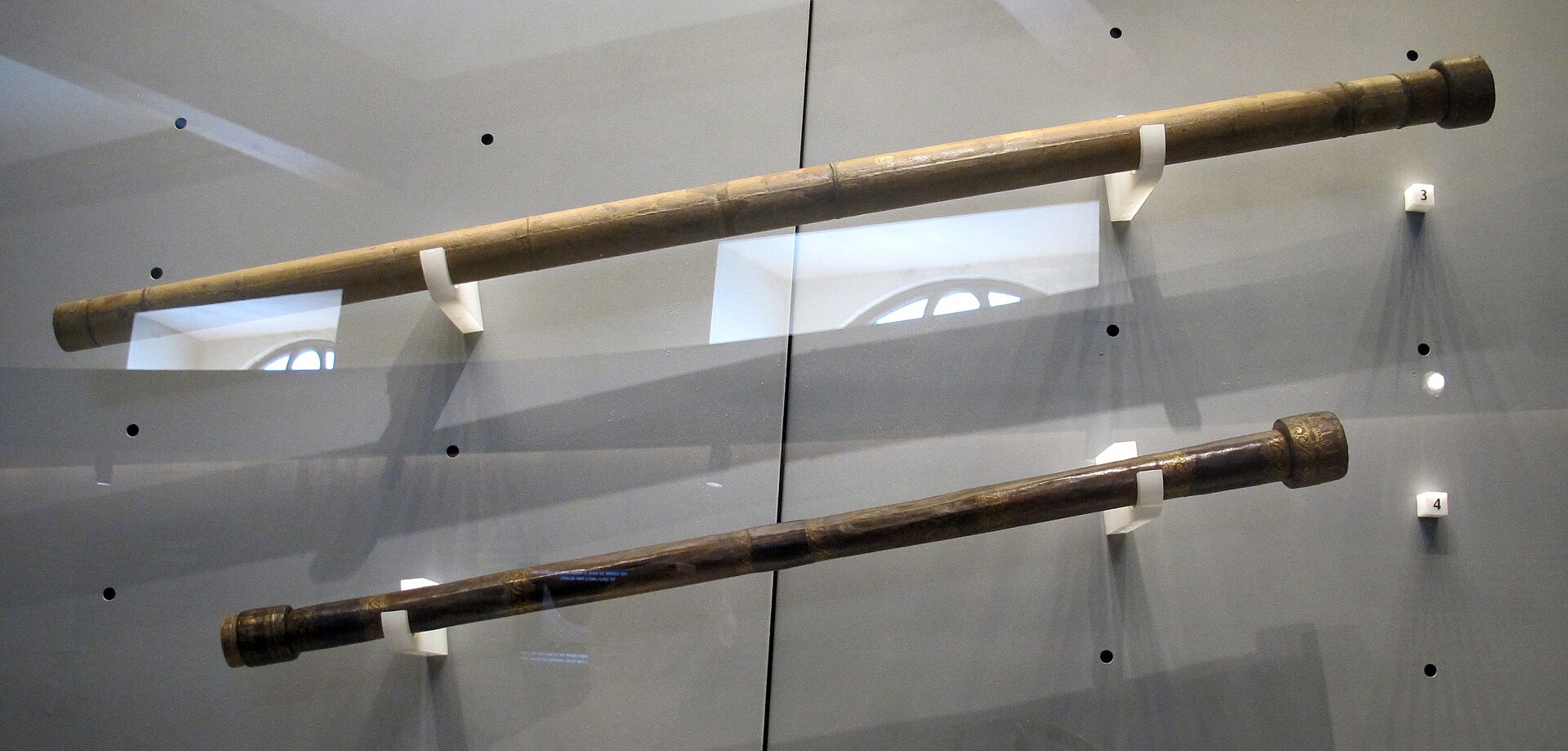
Galileo Galilei (1564 to 1642) was an Italian astronomer, physicist, and engineer, often called the father of modern science. By insisting on…
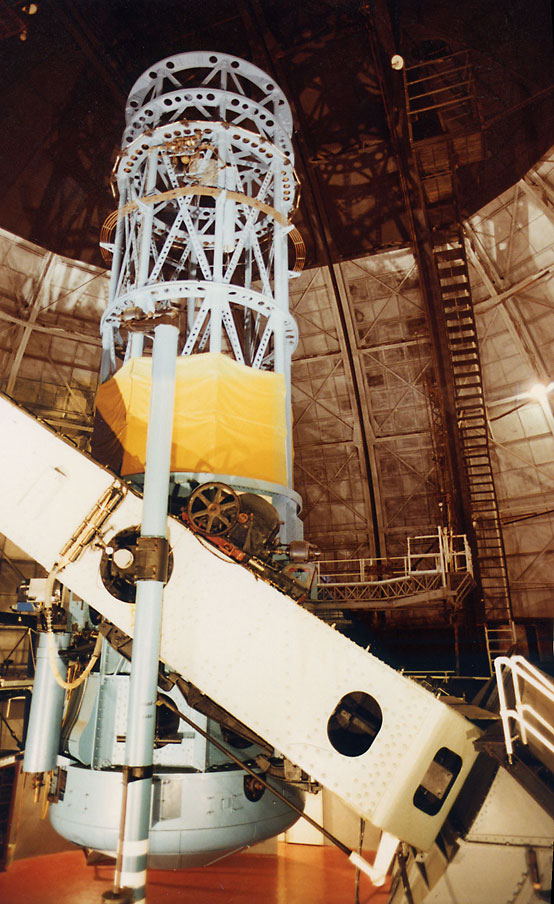
The telescope is an instrument that gathers and focuses light to make distant objects appear closer and clearer. Its invention transformed astronomy,…
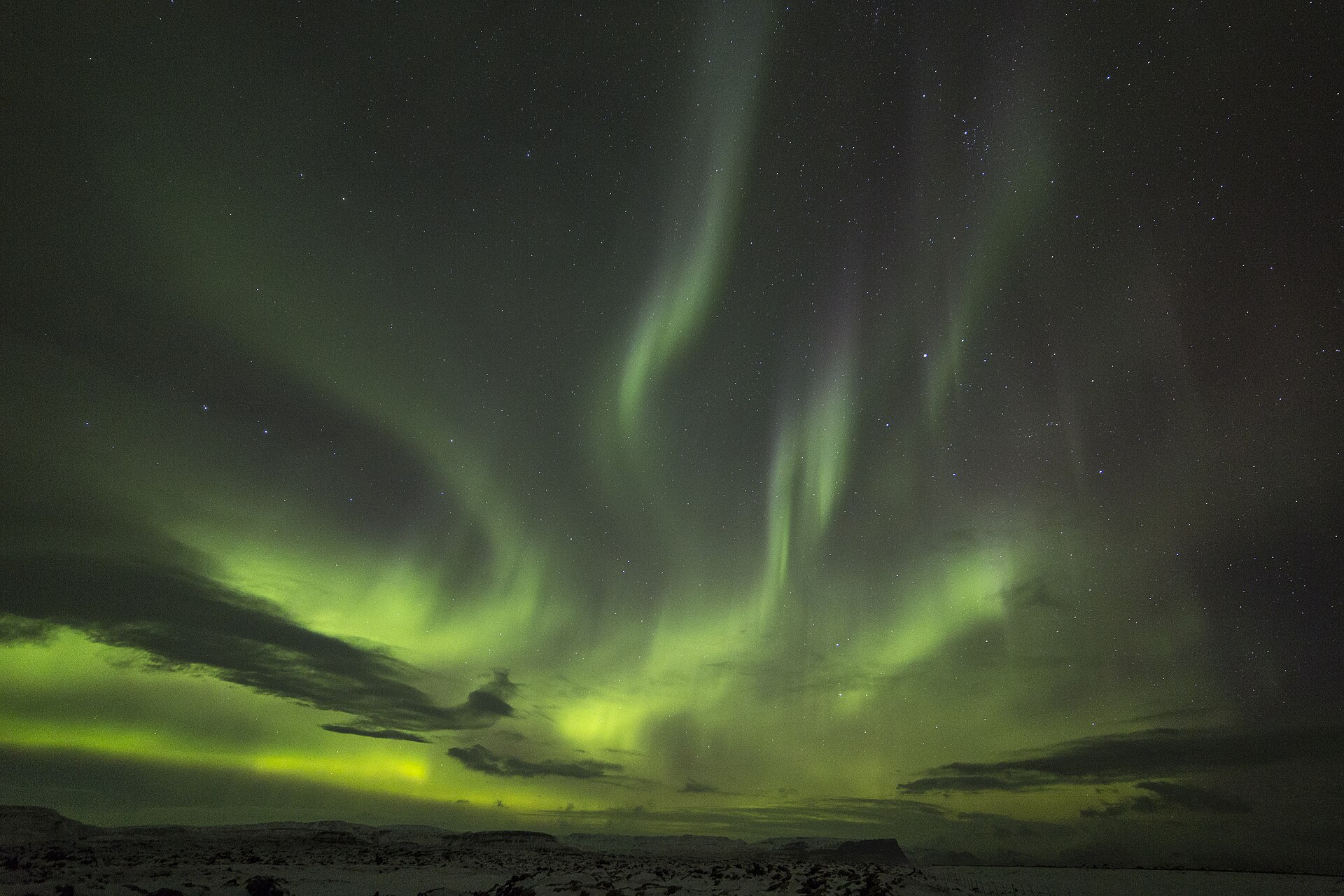
The northern lights, known scientifically as the aurora borealis, are one of nature's most spectacular displays. Shimmering curtains of green, pink,…
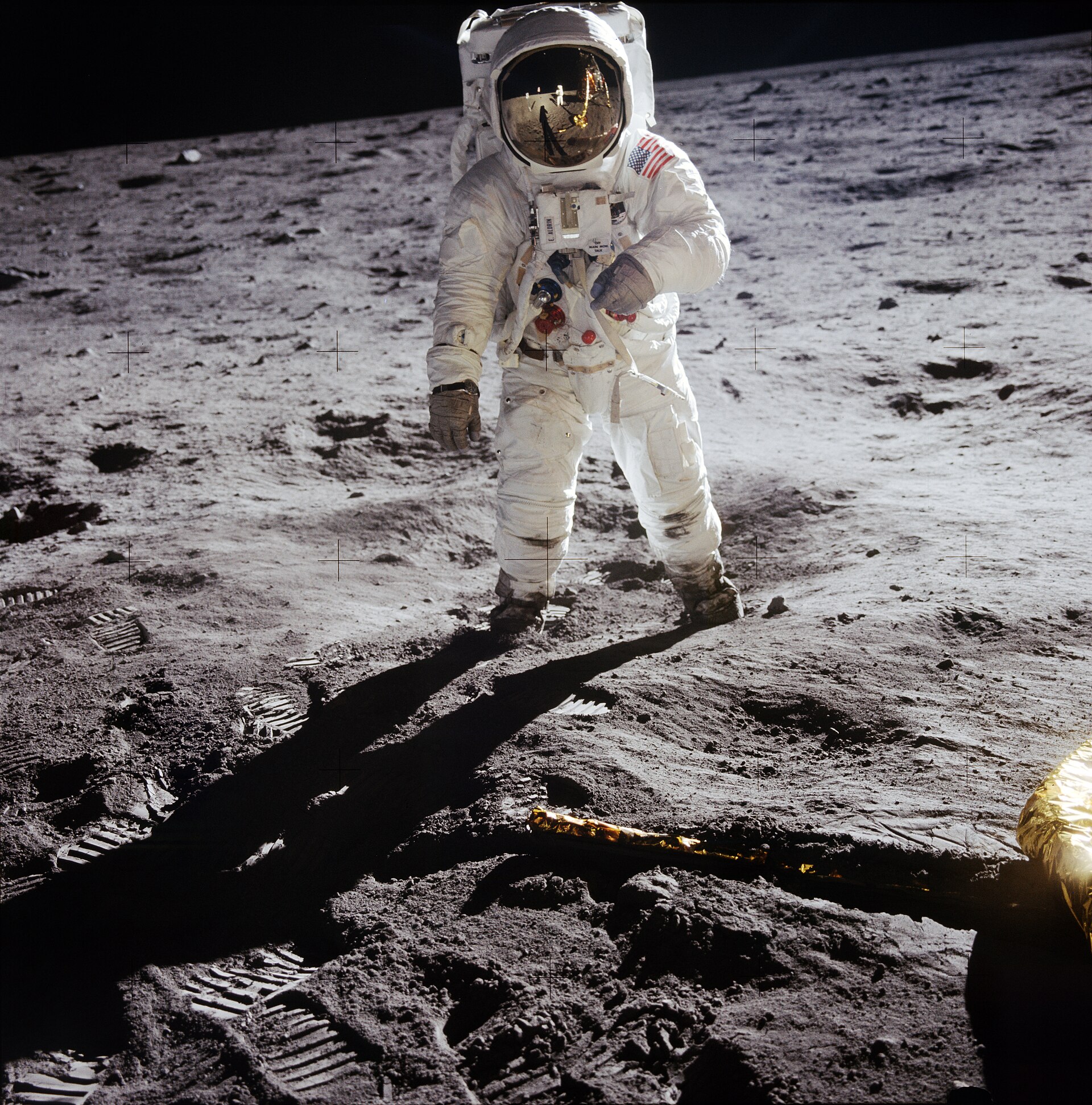
Apollo 11 was the spaceflight that first landed humans on the Moon. On July 20, 1969, the American astronauts Neil Armstrong and Buzz Aldrin walked…
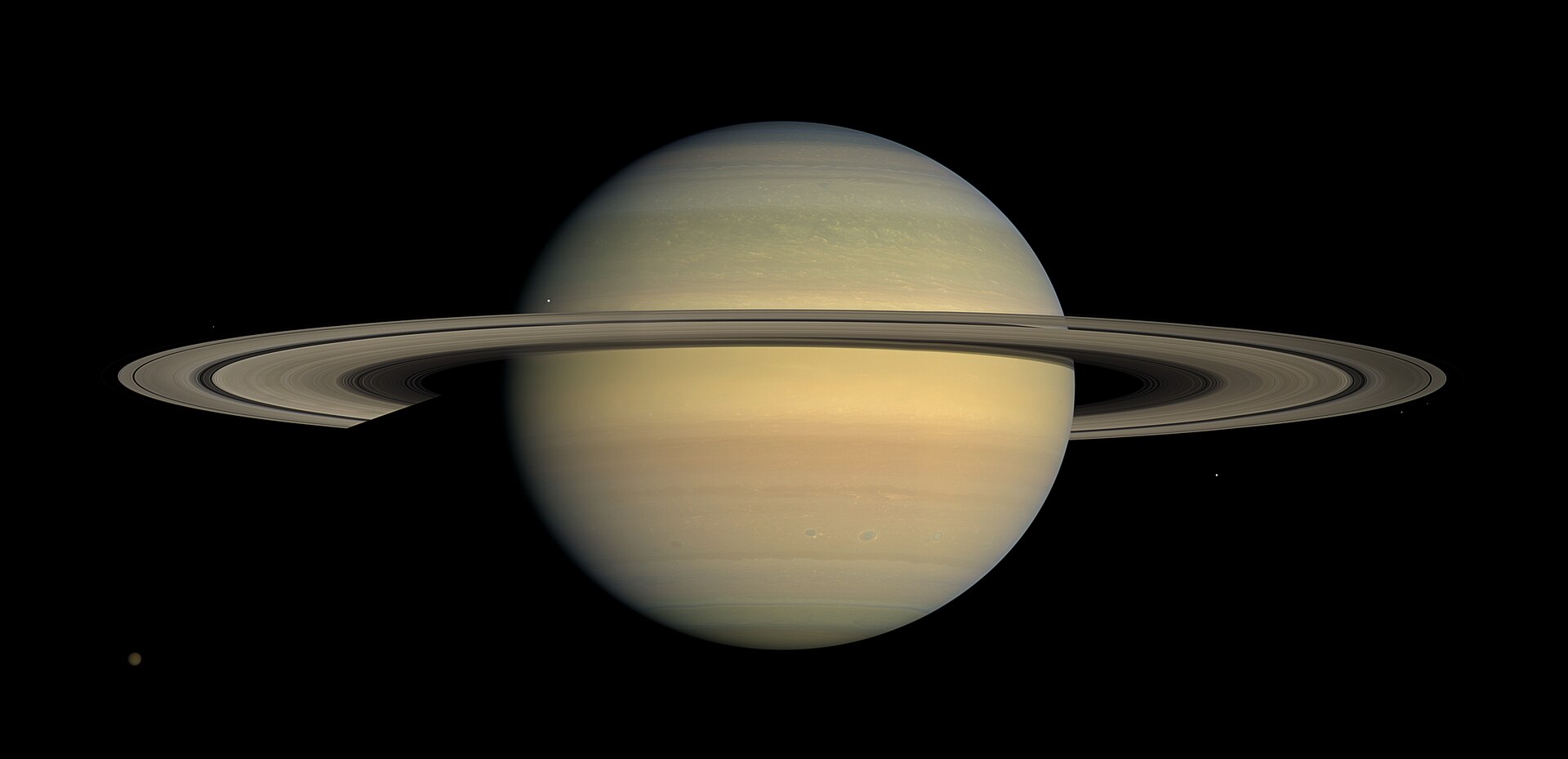
Saturn is the sixth planet from the Sun and the second largest in the Solar System, famous above all for its magnificent rings. A giant ball of gas…
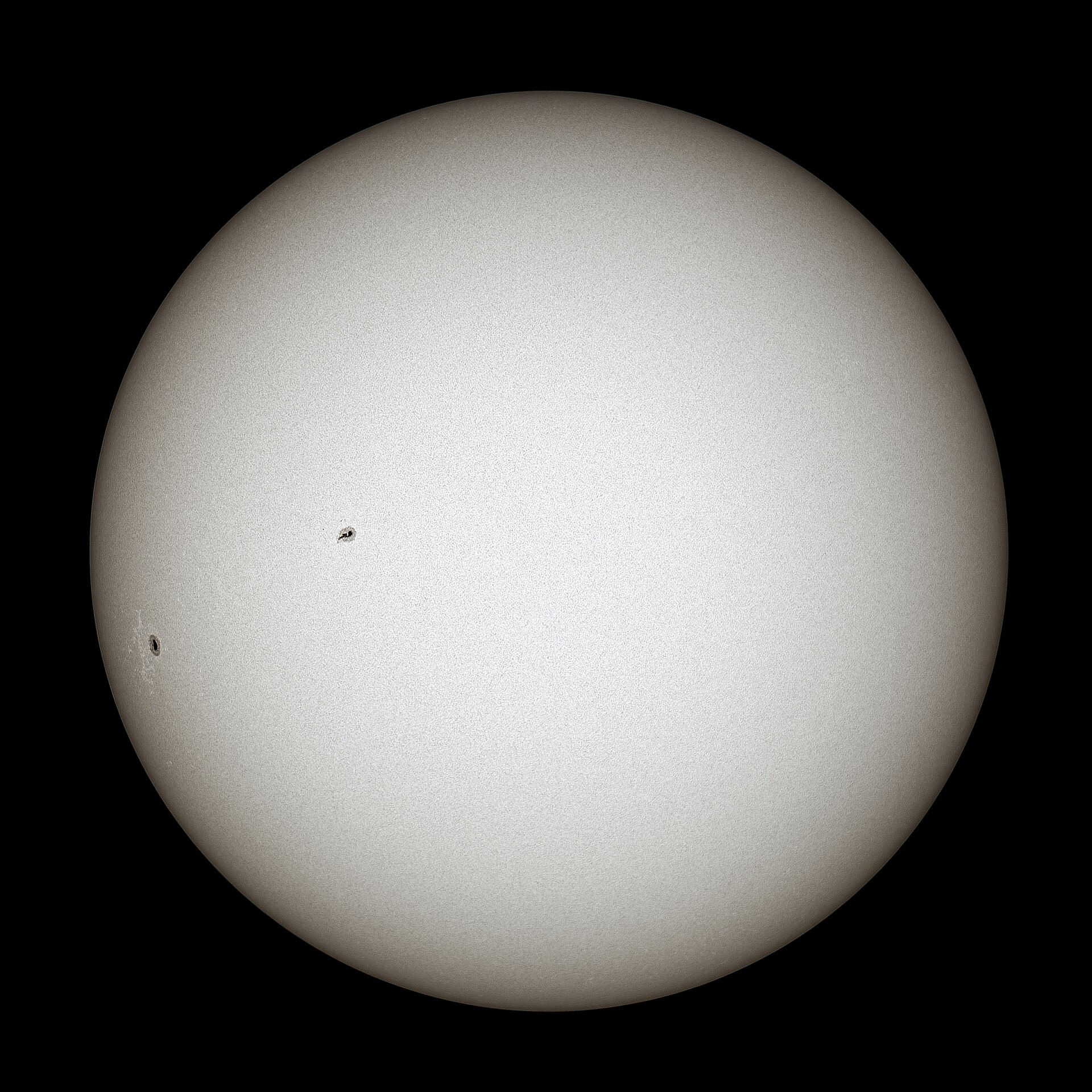
The Sun is the star at the centre of the Solar System, a vast sphere of hot plasma whose gravity holds the planets in their orbits and whose light…
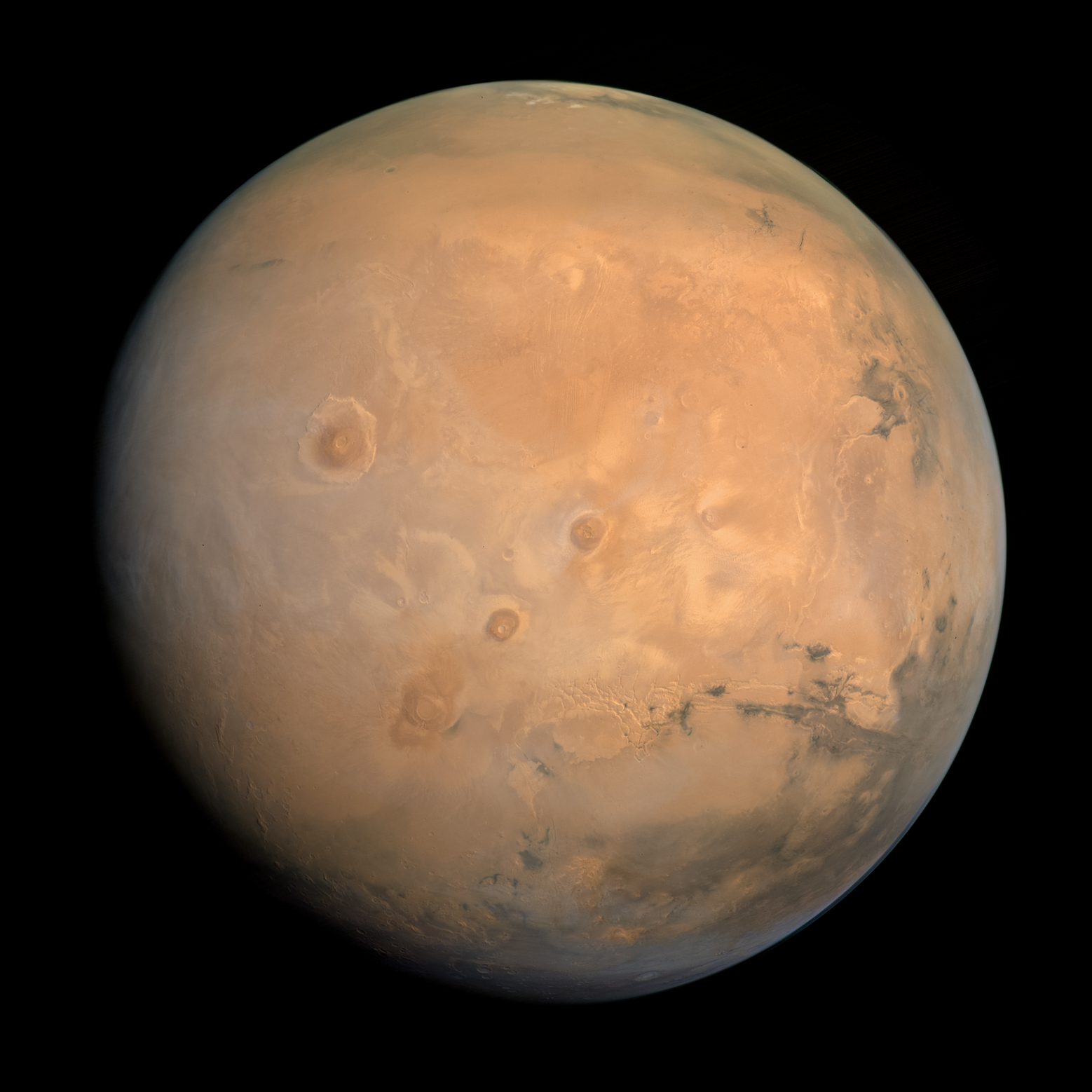
Mars is the fourth planet from the Sun and the most Earth-like of our neighbours, a cold, rusty-red desert world that has captivated humans for…
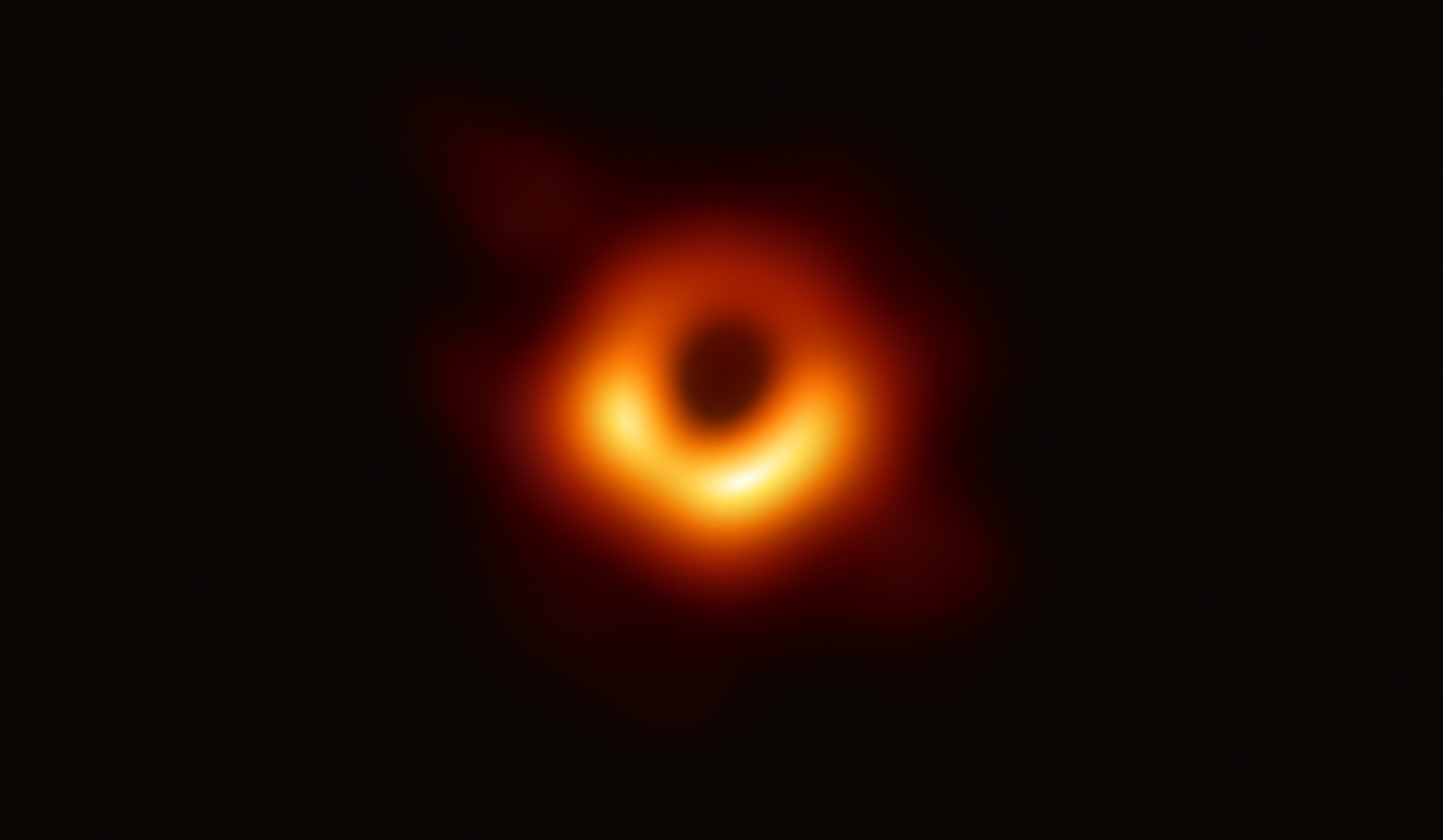
A black hole is a region of space where gravity is so intense that nothing, not even light, can escape once it passes a certain boundary. They are…
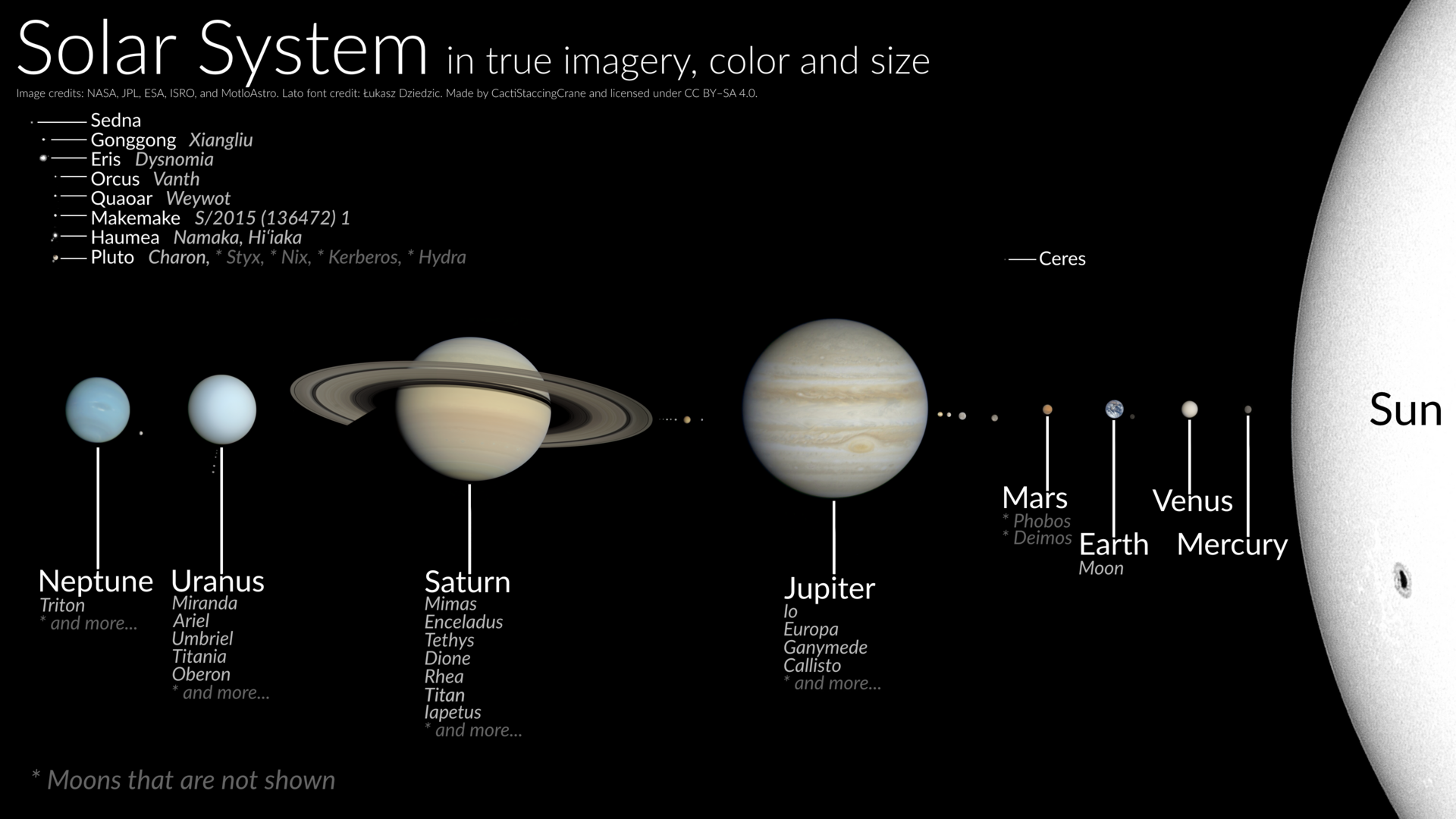
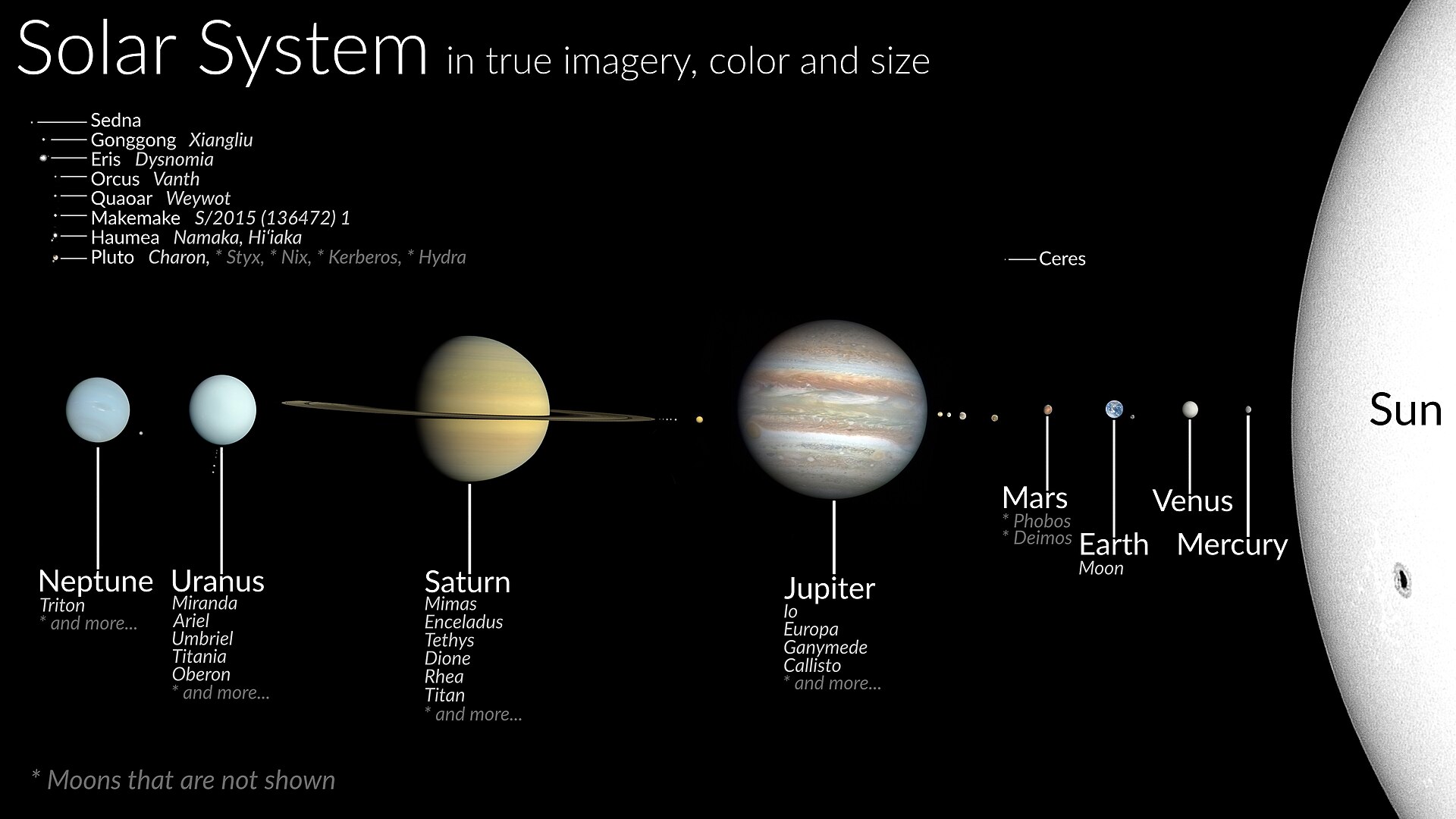
The Solar System is the Sun and everything bound to it by gravity: eight planets, several dwarf planets, scores of moons, and countless smaller…
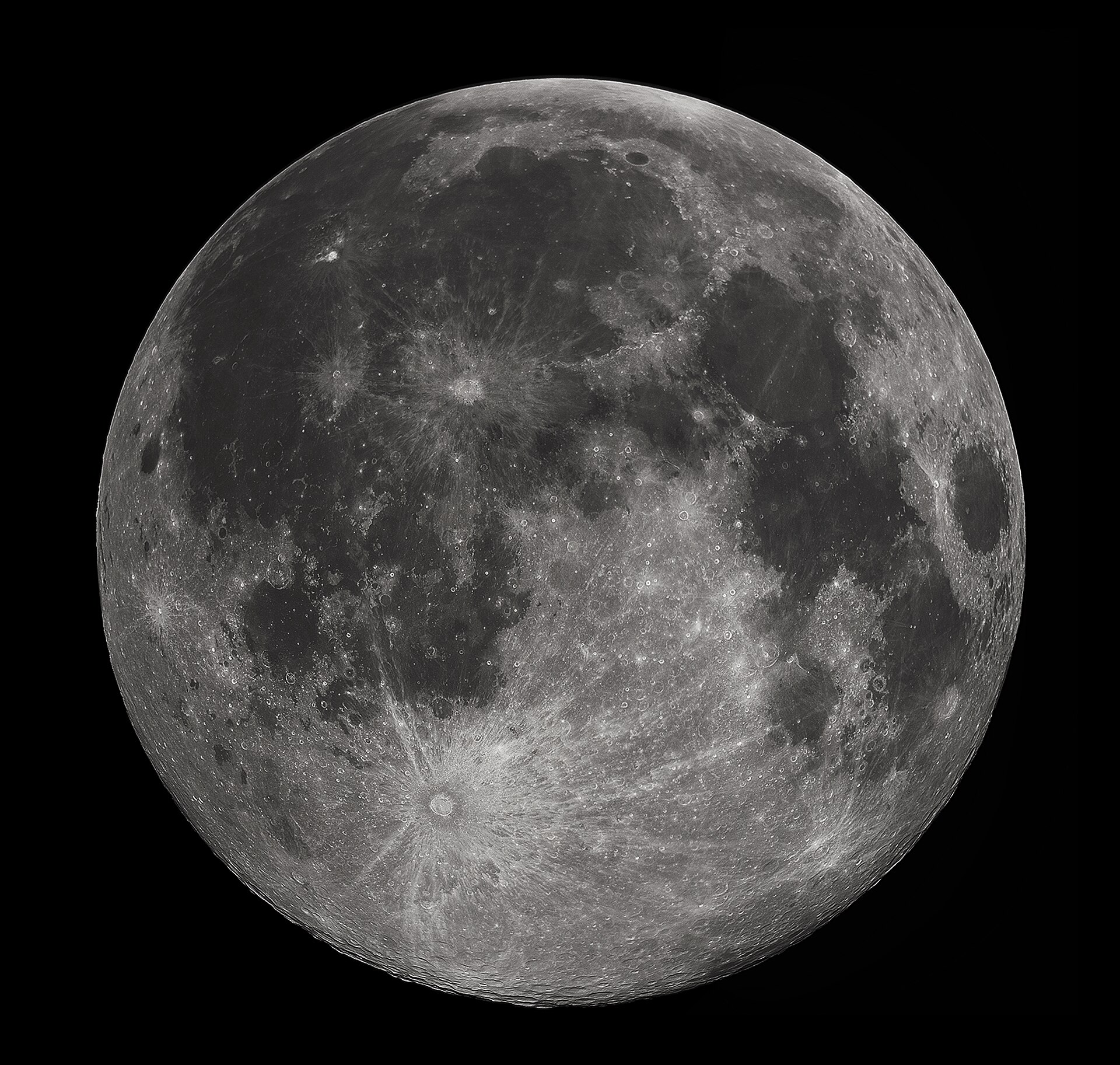
The Moon is Earth's only natural satellite and the brightest object in our night sky. Large in proportion to its planet and close enough to study…