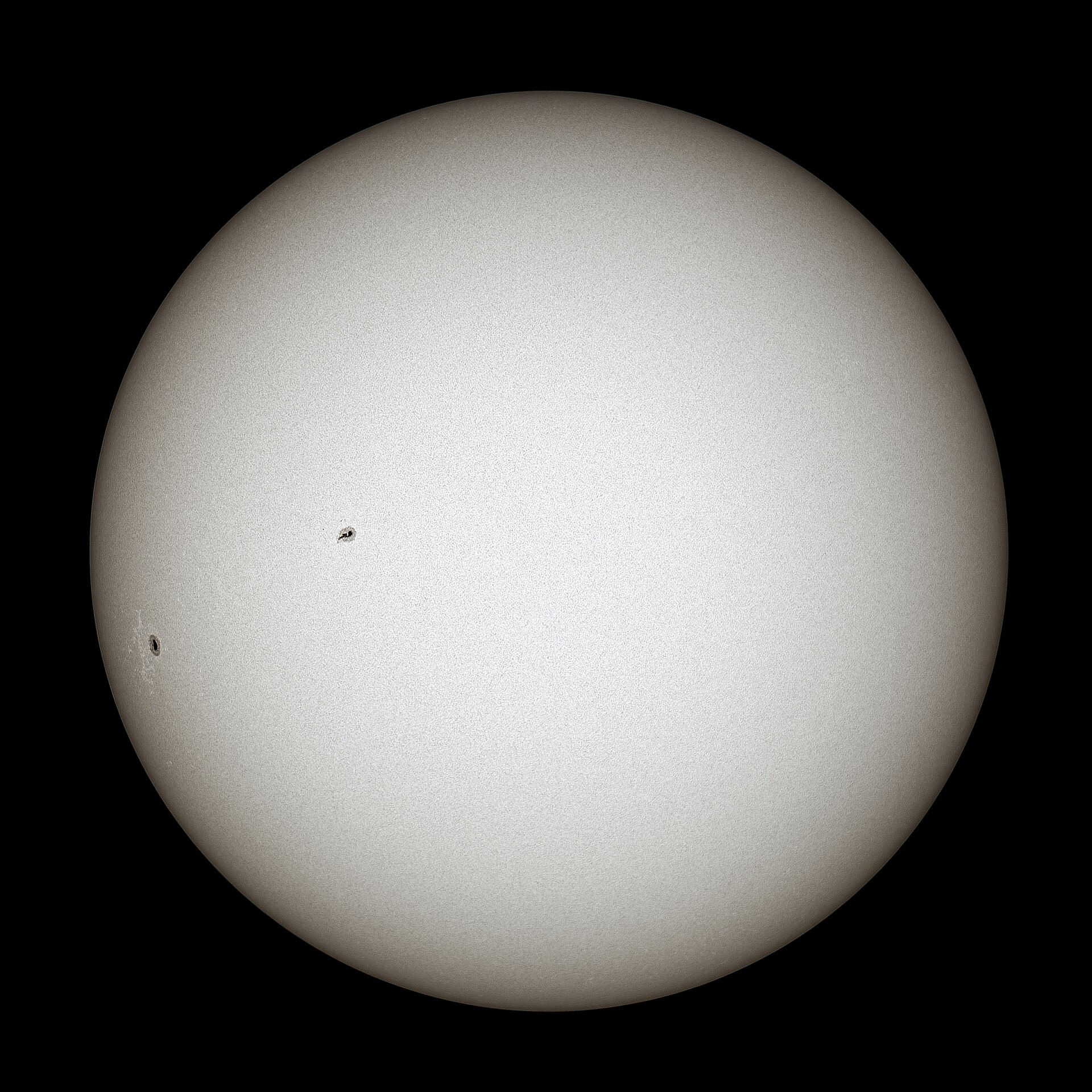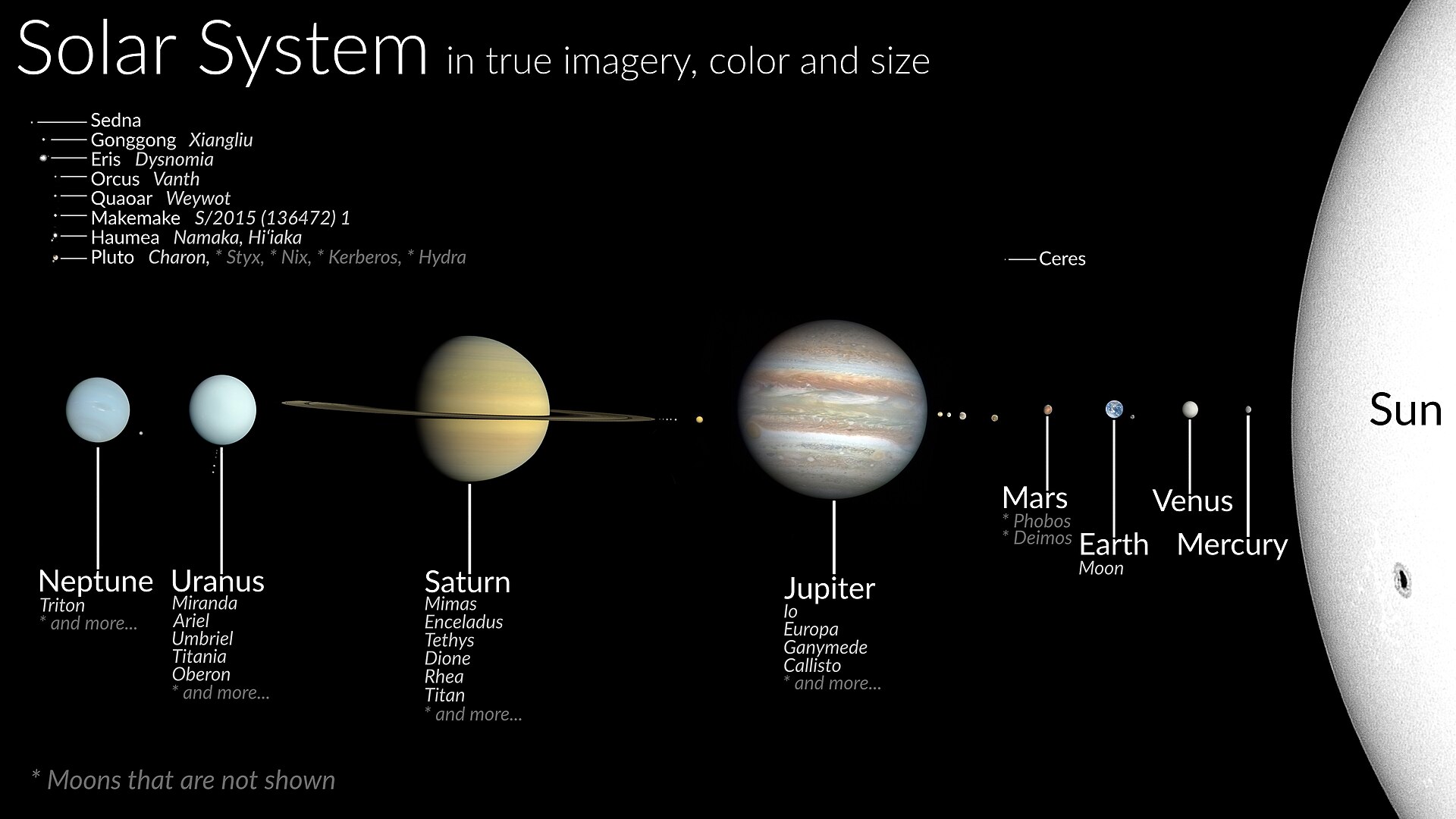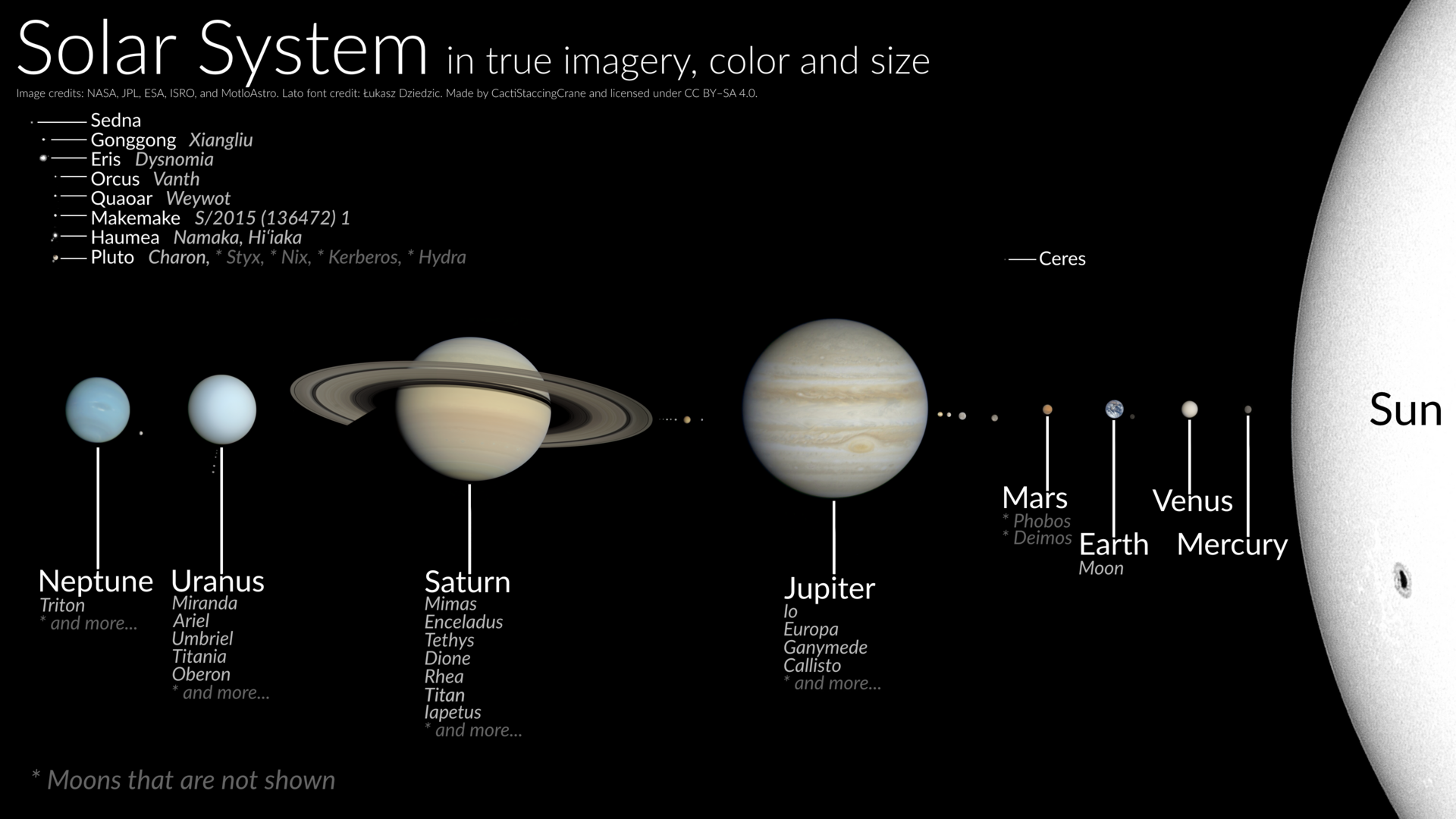
The Solar System is the Sun together with everything held in orbit around it by gravity: eight planets and their moons, several dwarf planets, and countless asteroids, comets, and smaller bodies. It formed about four and a half billion years ago from a collapsing cloud of gas and dust, and it stretches from the searing inner worlds close to the Sun out to the frozen edge of interstellar space. This capsule tours the eight planets, group by group, and ends with the smaller bodies and the ways we have come to know them.
The four inner planets, Mercury, Venus, Earth, and Mars, are small, dense, rocky worlds orbiting close to the Sun. They have solid surfaces, thin atmospheres or none at all, few or no moons, and no rings. Often called the terrestrial planets, they formed in the hot inner region of the young Solar System where only metals and rock could condense.
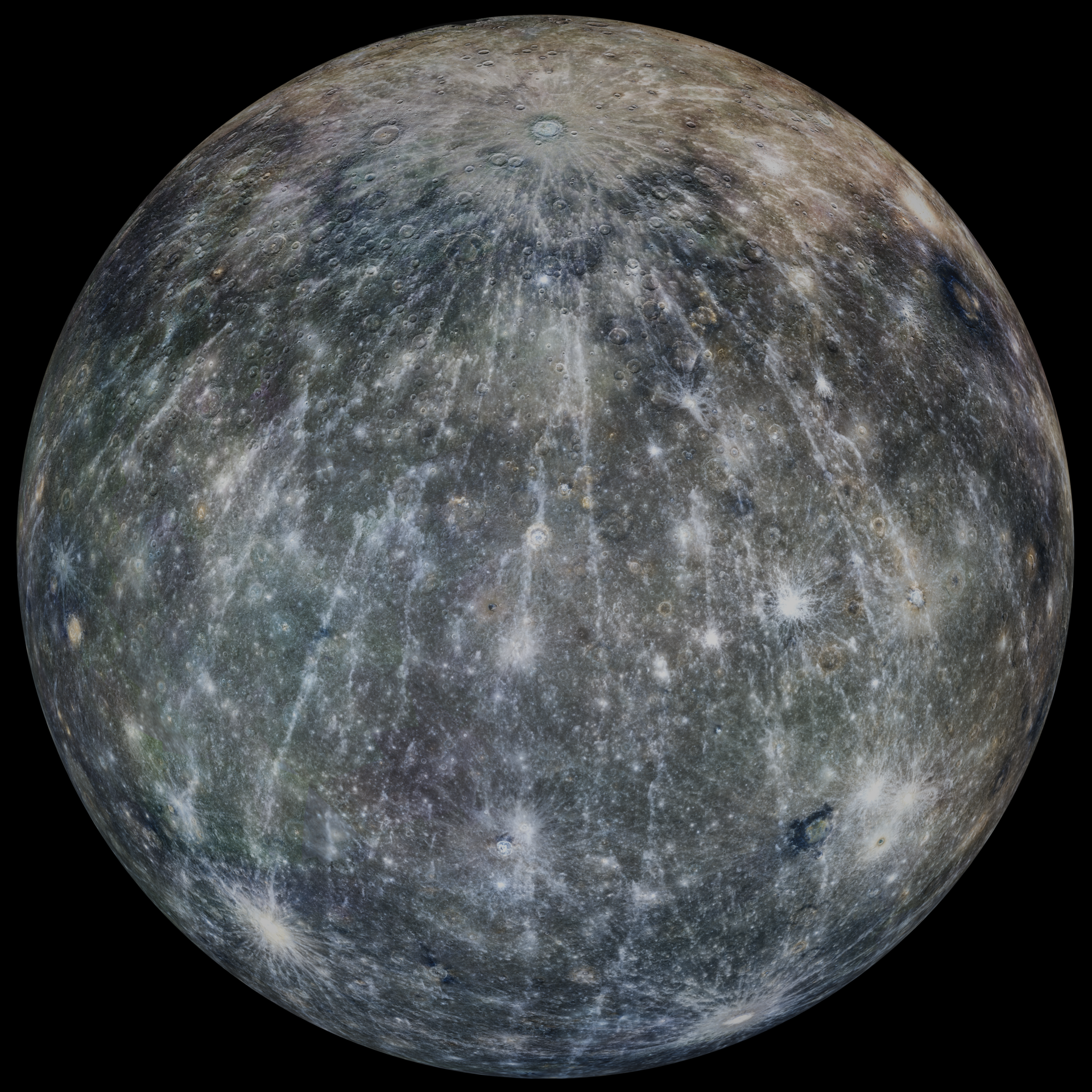
Mercury is the smallest planet and the closest to the Sun, a cratered ball of rock barely larger than the Moon. With almost no atmosphere to hold heat, its surface swings from scorching heat in the daytime to deep cold at night, the most extreme temperature range of any planet. A single Mercury year, one orbit of the Sun, lasts just 88 Earth days.
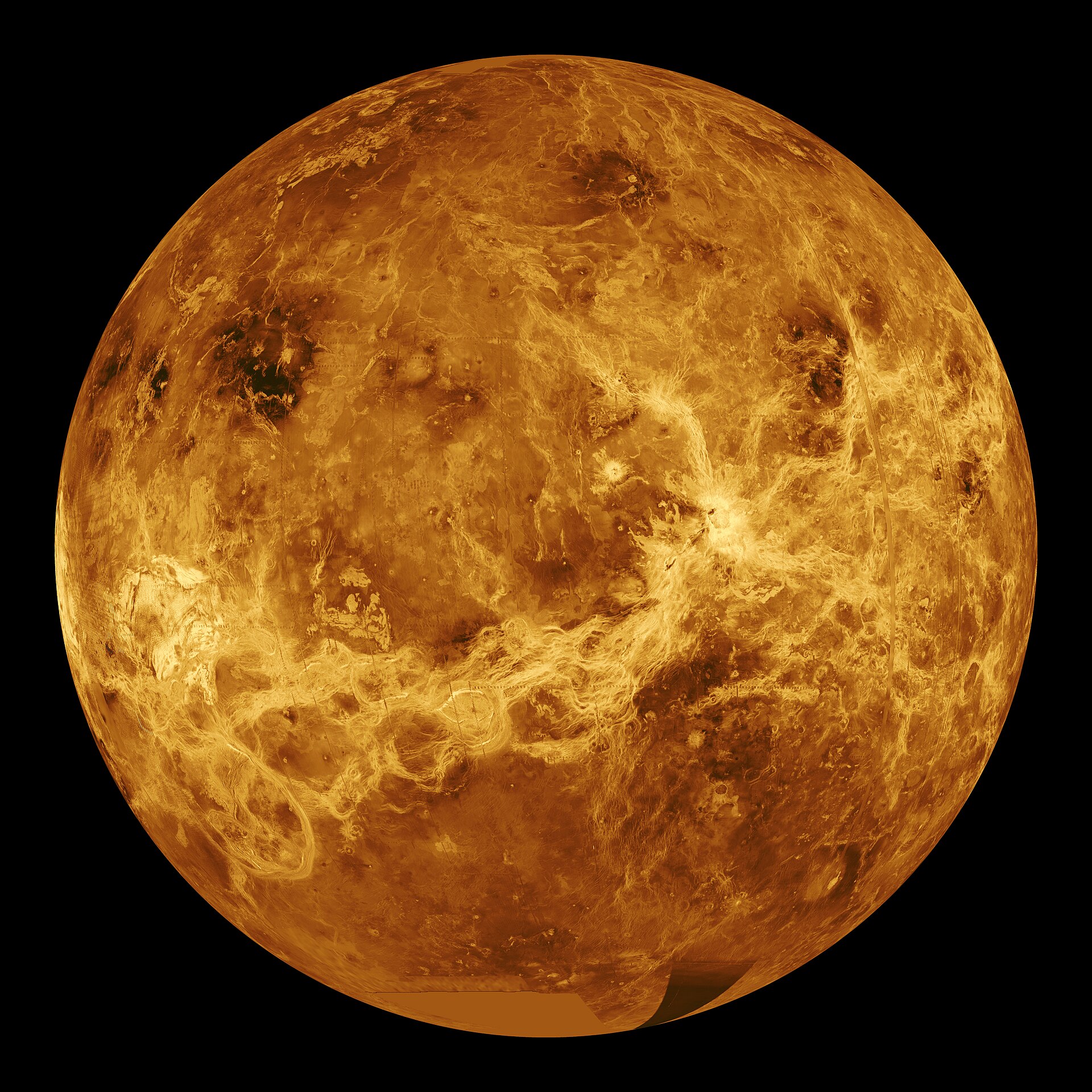
Venus is the second planet and the hottest in the Solar System, hotter even than Mercury despite being farther from the Sun. A thick atmosphere of carbon dioxide traps heat in a runaway greenhouse effect, raising surface temperatures high enough to melt lead, beneath crushing pressure and clouds of sulphuric acid. Similar in size to Earth, it is often called our planet's twin, though its conditions could hardly be more hostile.
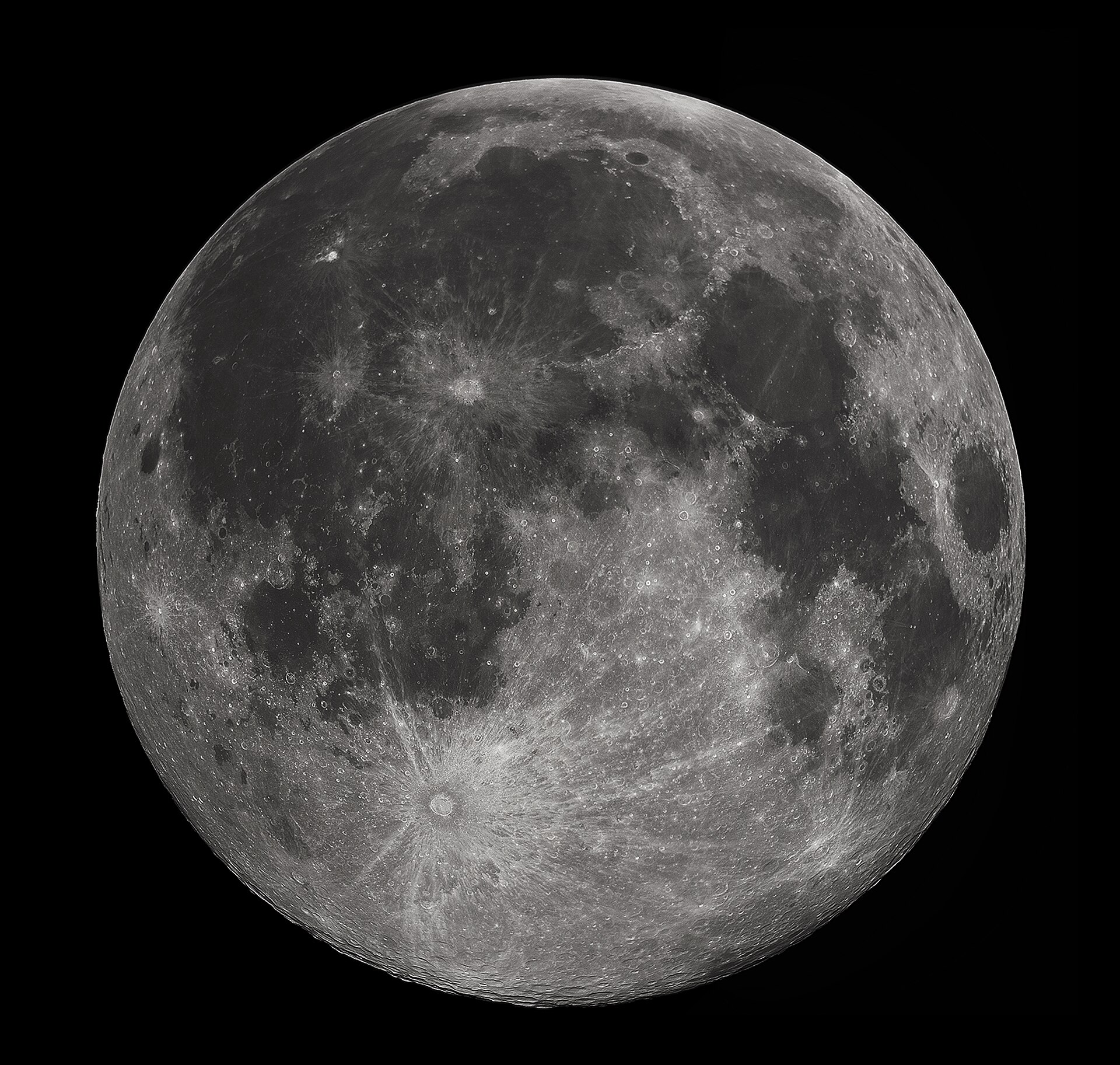
Earth is the third planet and the only world known to harbour life. Liquid water covers most of its surface, a breathable atmosphere shields it, and a strong magnetic field deflects harmful radiation from the Sun. Its single large Moon stabilises its tilt and drives the tides. Seen from space, it is a blue, white, and green oasis, unique among the worlds we know.
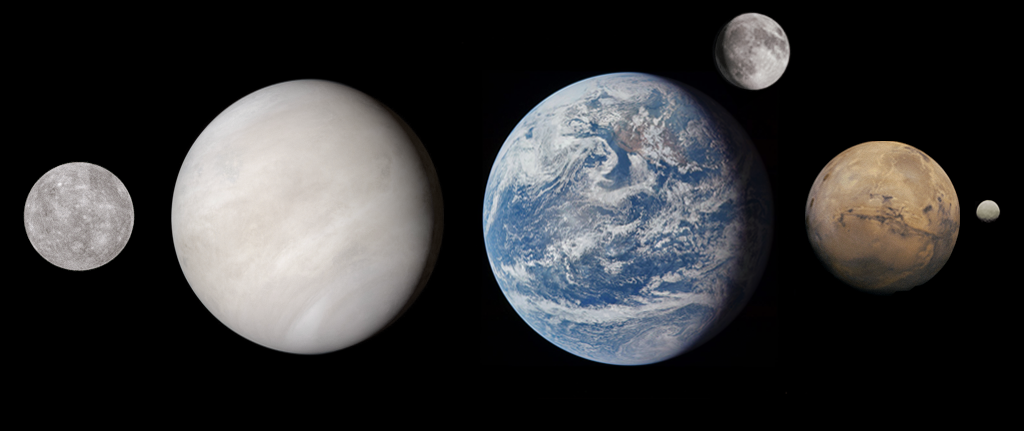
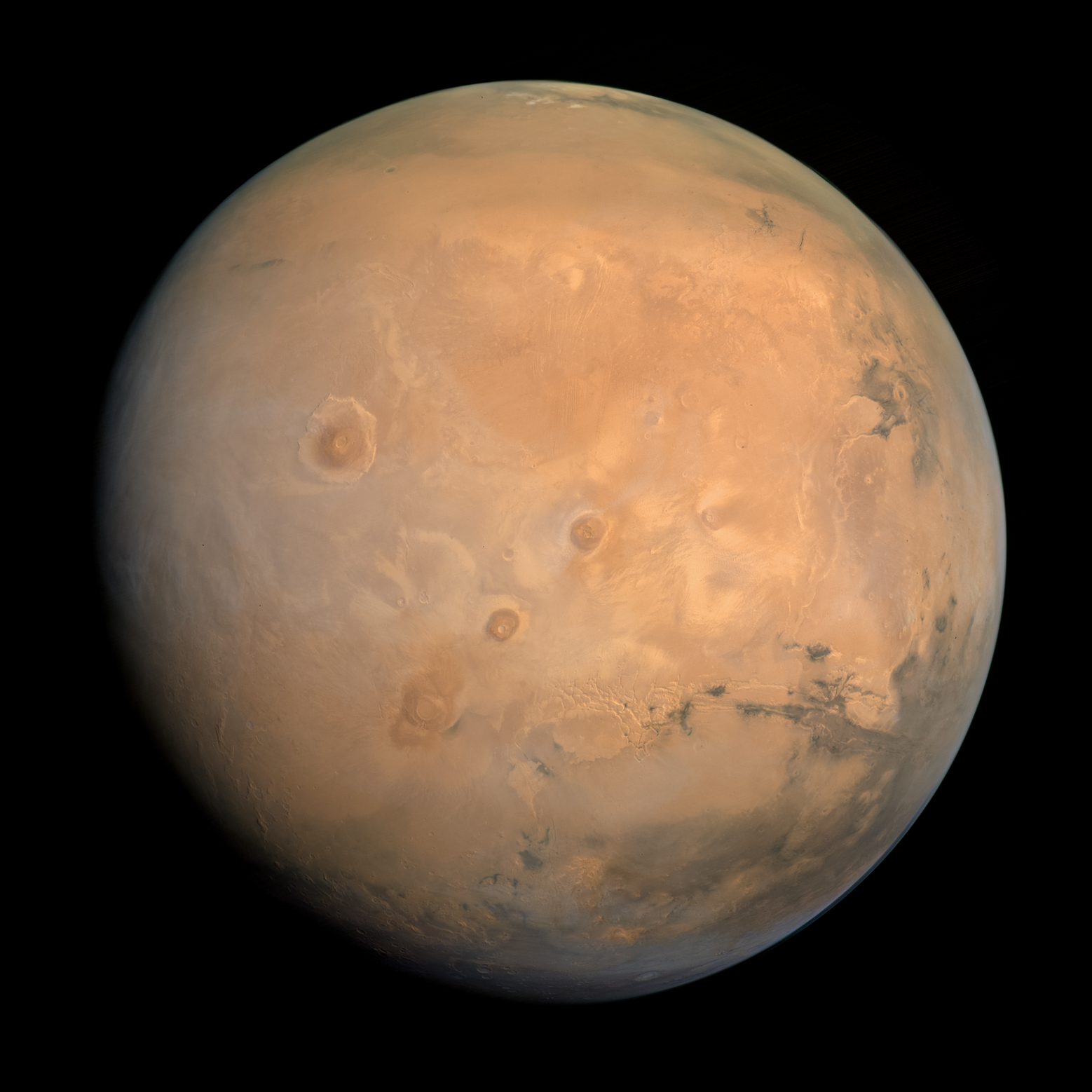
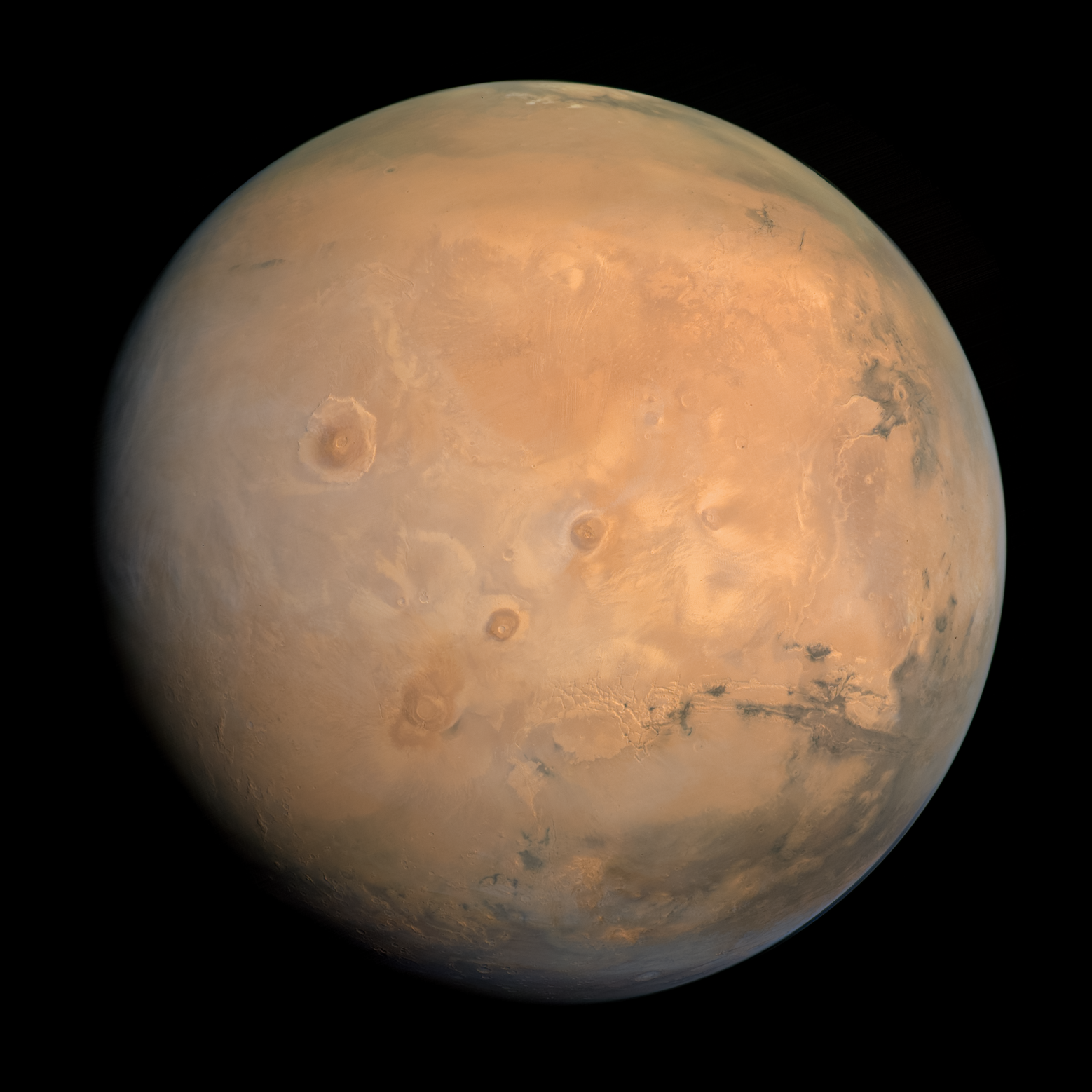
Mars, the red planet, is a cold desert world about half the size of Earth, its rusty colour coming from iron oxide in its soil. It holds the largest volcano and one of the deepest canyons in the Solar System, and clear evidence that rivers and lakes of water once flowed across its surface. Today it is dry and frozen, but it remains the most explored planet beyond Earth and the leading target in the search for past life.
Beyond the asteroid belt lie the four outer planets, Jupiter, Saturn, Uranus, and Neptune, giants far larger than Earth. They have no solid surface to stand on, being made mostly of gas and ice around small dense cores, and each is encircled by rings and a large family of moons. The first two are the gas giants; the colder, more distant pair are the ice giants.
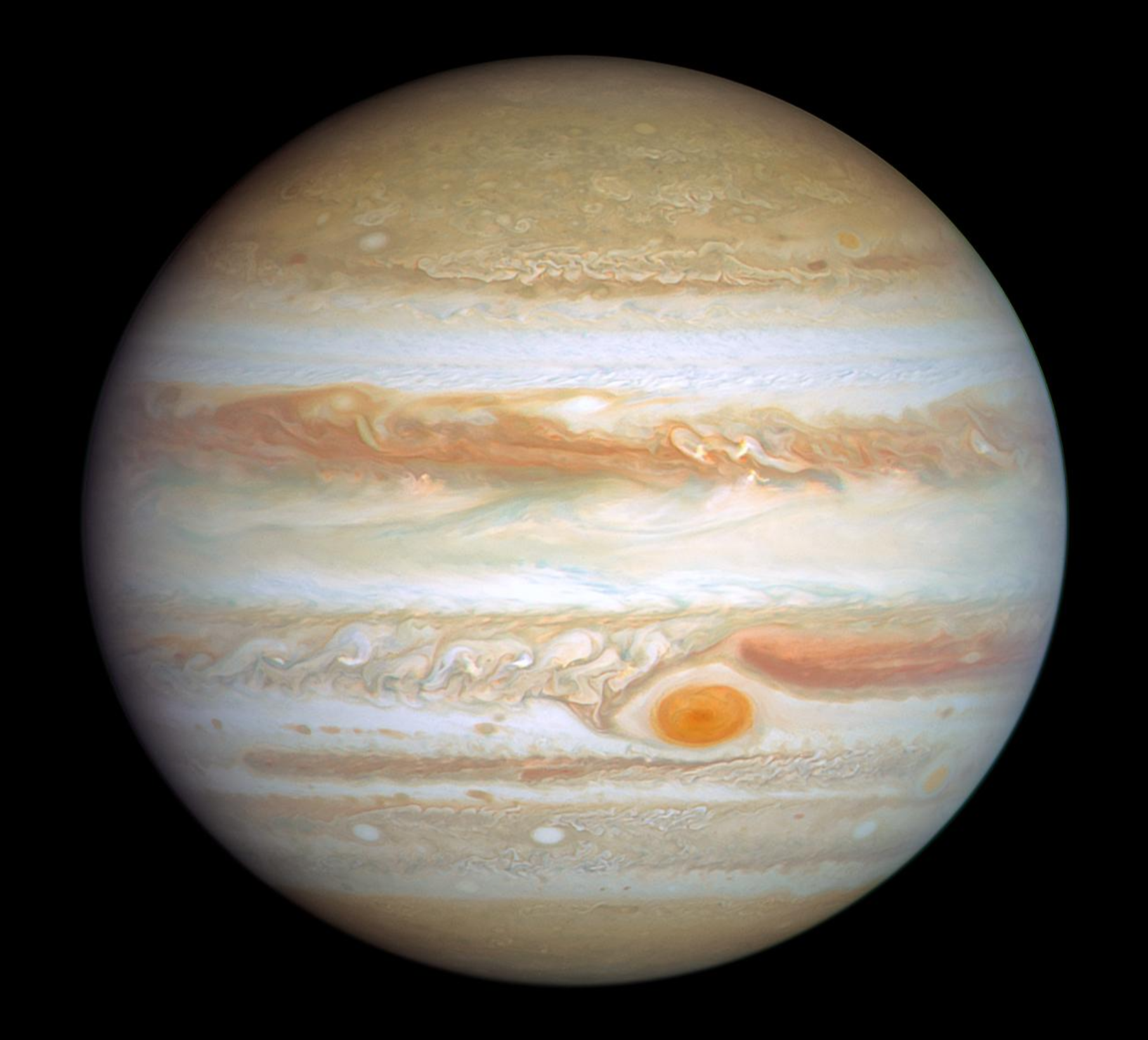
Jupiter is the largest planet by far, a gas giant more massive than all the other planets combined. Its banded clouds are stirred by ferocious storms, the greatest of which, the Great Red Spot, is a hurricane wider than the Earth that has raged for centuries. Jupiter has dozens of moons, including the four large Galilean moons first seen by Galileo, one of which, Europa, may hide an ocean beneath its icy crust.
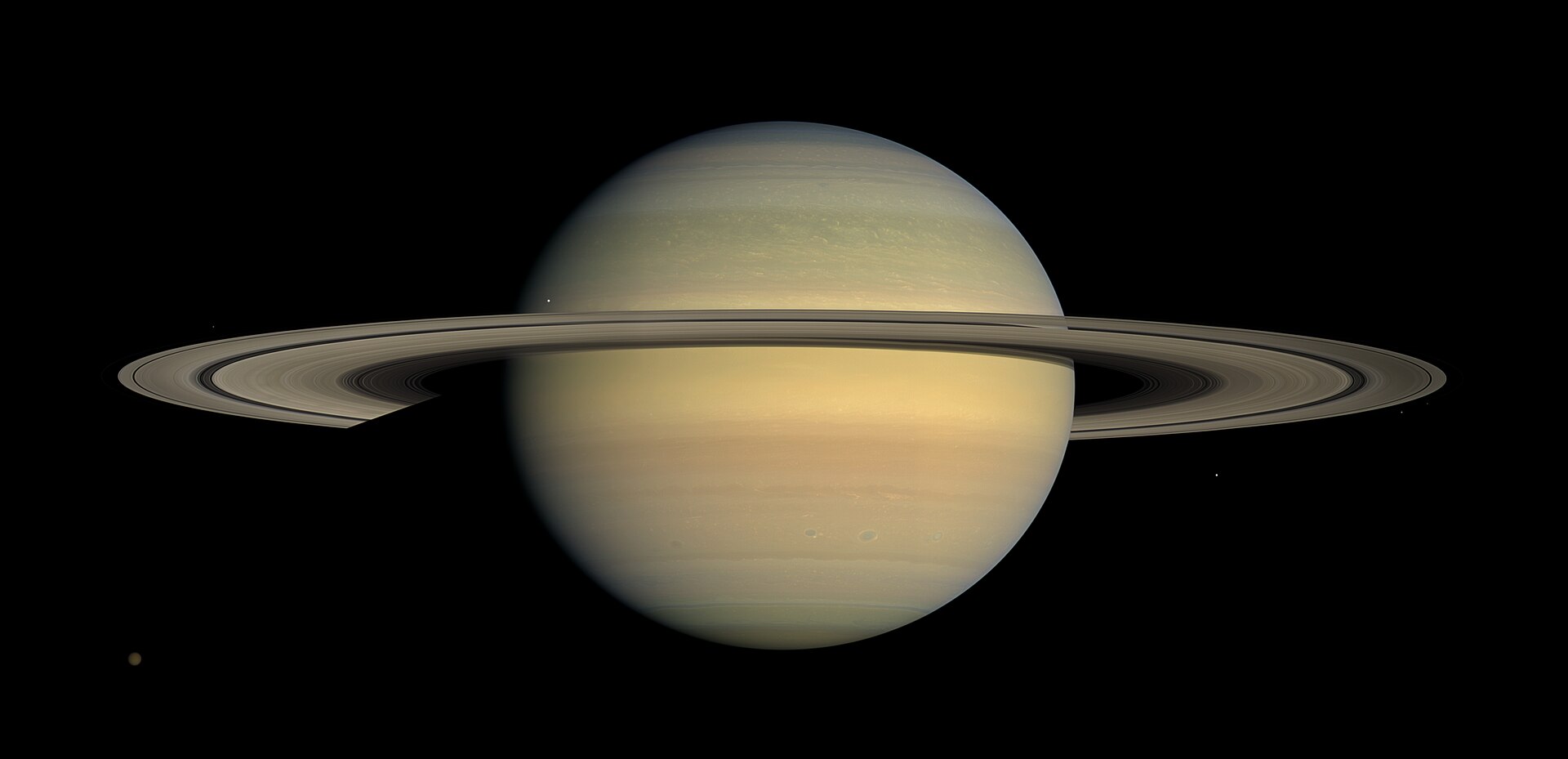
Saturn, the sixth planet, is famous for its magnificent rings, a vast, bright system of countless particles of ice and rock that make it the jewel of the Solar System. A gas giant only slightly smaller than Jupiter, it is the least dense planet, light enough in principle to float on water. Its many moons include Titan, larger than the planet Mercury and wrapped in a thick atmosphere with lakes of liquid methane.
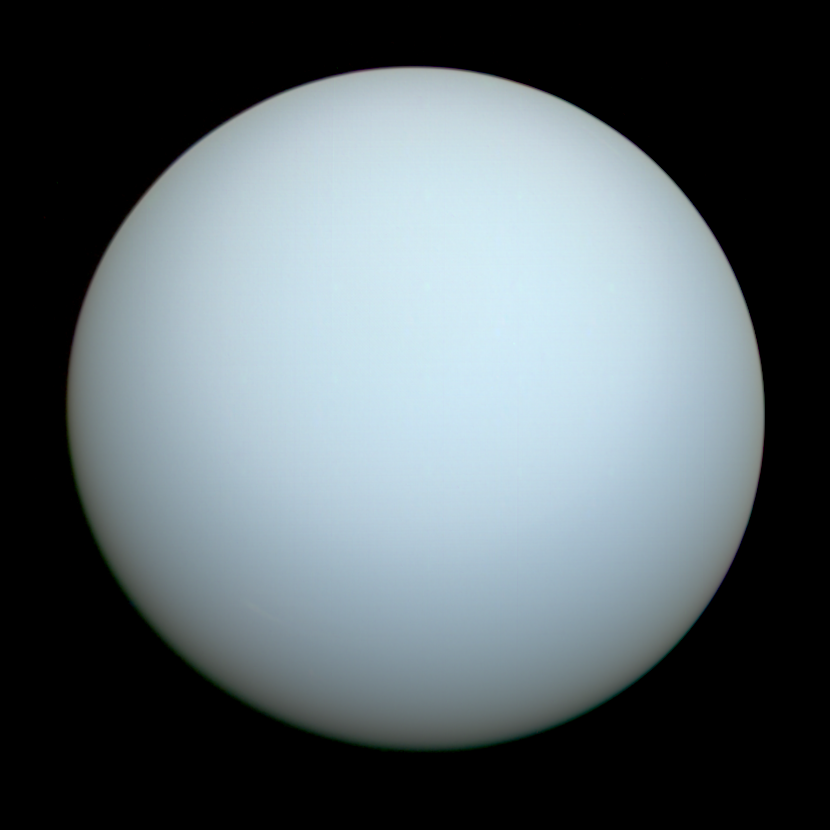
Uranus, the seventh planet, is an ice giant with a serene, pale blue-green hue from methane in its atmosphere. Its most peculiar feature is that it rotates almost completely on its side, so that each pole spends decades in sunlight and then decades in darkness through its long 84-year orbit. Discovered in 1781, it was the first planet found with a telescope, beyond those known since antiquity.
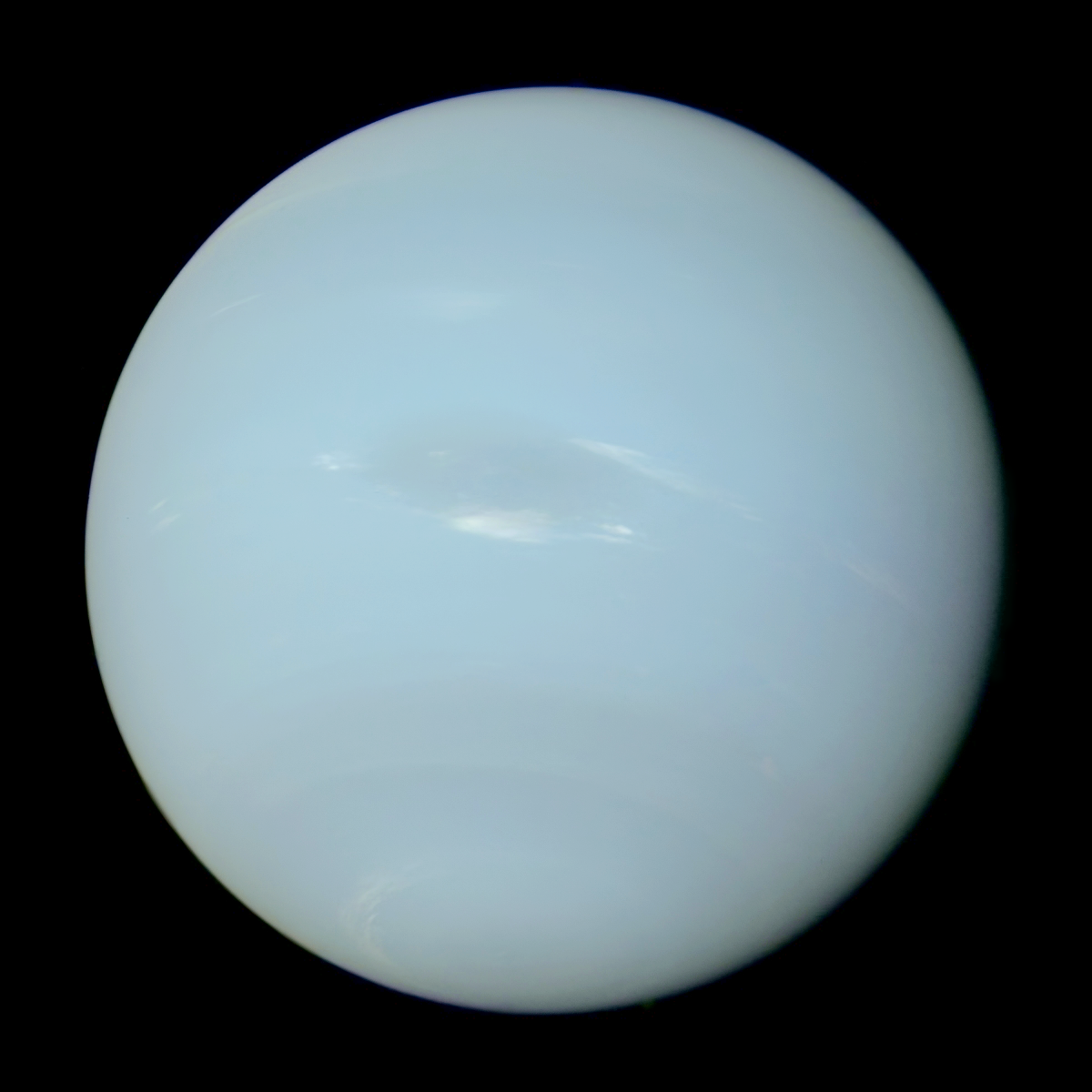
Neptune is the eighth and most distant planet, a deep blue ice giant far out in the cold. It is whipped by the fastest winds in the Solar System, racing faster than the speed of sound, and was the first planet discovered by mathematical prediction rather than by chance, its position calculated from the way its gravity tugged on Uranus before it was ever seen.
The Sun's family extends well beyond the eight planets, to a host of smaller worlds and debris left over from the Solar System's birth.
Dwarf planets are bodies large enough to be rounded by their own gravity but not dominant enough to have cleared their orbits of other objects. The best known is Pluto, counted as the ninth planet until it was reclassified in 2006, which lit a lasting public debate. Others include Ceres, in the asteroid belt, and the distant icy worlds Eris, Makemake, and Haumea.
Between Mars and Jupiter lies the asteroid belt, a region of rocky leftovers ranging from tiny stones to bodies hundreds of kilometres across. Far beyond the planets, in the cold outer reaches, lie the icy comets, which grow glowing tails of gas and dust when their orbits carry them close to the Sun. Both are remnants of the material from which the planets formed.
Almost everything in this capsule was learned in just the last few centuries, and most of the detail in only the last few decades, through two great approaches.
Telescopes, first turned to the sky by Galileo in 1609 and now ranging from giant observatories on mountaintops to great instruments in orbit, reveal the planets' atmospheres, weather, rings, and moons from across the Solar System, and have discovered thousands of planets around other stars.
Robotic spacecraft have transformed the planets from points of light into real places. Probes have flown past every planet, orbited many of them, landed on Venus, Mars, the Moon, and even a comet, and carried the Voyager craft beyond the planets into interstellar space, sending home the close-up images that fill these pages.