Capsule
DonateLog inCreate account
Menu

Navigation

  • Main page
  • Capsules
  • Learning
  • Mapping
  • Rankings
  • Organizations
  • Create
  • Forums
  • Research

Interaction

  • Messages
  • Verify
  • Help
  • About Capsule

Display

Appearance

Environment

EnvironmentsDefault
Capsule
Log in

Navigation

  • Main page
  • Capsules
  • Learning
  • Mapping
  • Rankings
  • Organizations
  • Create
  • Forums
  • Research

Interaction

  • Messages
  • Verify
  • Feedback
  • Help
  • About Capsule

Truth Classification

  • Fact
  • Theory
  • Hypothesis
  • Proven
  • Contested
  • Debunked
How classification works

Capsule of the Day

DebunkedThe PolygraphThe instrument popularly called a lie detector, which records breathing, blood pressure, pulse and skin conductance dur…

New in the Library

  • FactTardigrade
  • FactMonarch Butterfly
  • FactSpider

Capsule

© 2026 Solis Holdings Group Inc. All rights reserved.

Built by Solis Dev, a technology studio operating under Solis Holdings Group Inc.

  • Policy
  • Terms of Use
  • Methodology
  • Corrections
  • Non-partisanship
  • Transparency
  • Developers
  • About
  • Discord
  • Sitemap

Capsule, the capsule-pill mark, and the clock logo are trademarks of Solis Holdings Group Inc. All content, source code, and design assets are the exclusive property of Solis Holdings Group Inc., unless otherwise noted. Unauthorized reproduction is prohibited.

The library

Capsules

1,028 capsules, each one classified by the strength of its evidence.

All1,028Fact599Proven130Theory89Hypothesis71Contested90Debunked48
geography236biology88physics67history54medicine45astronomy33psychology26mathematics26chemistry20engineering20astrophysics19neuroscience19anthropology18art18
Filtered bybiologybiologyClear all

Results

Showing 61 to 80 of 88
NewestMost votedA to Z
biology
Fact· Empirical

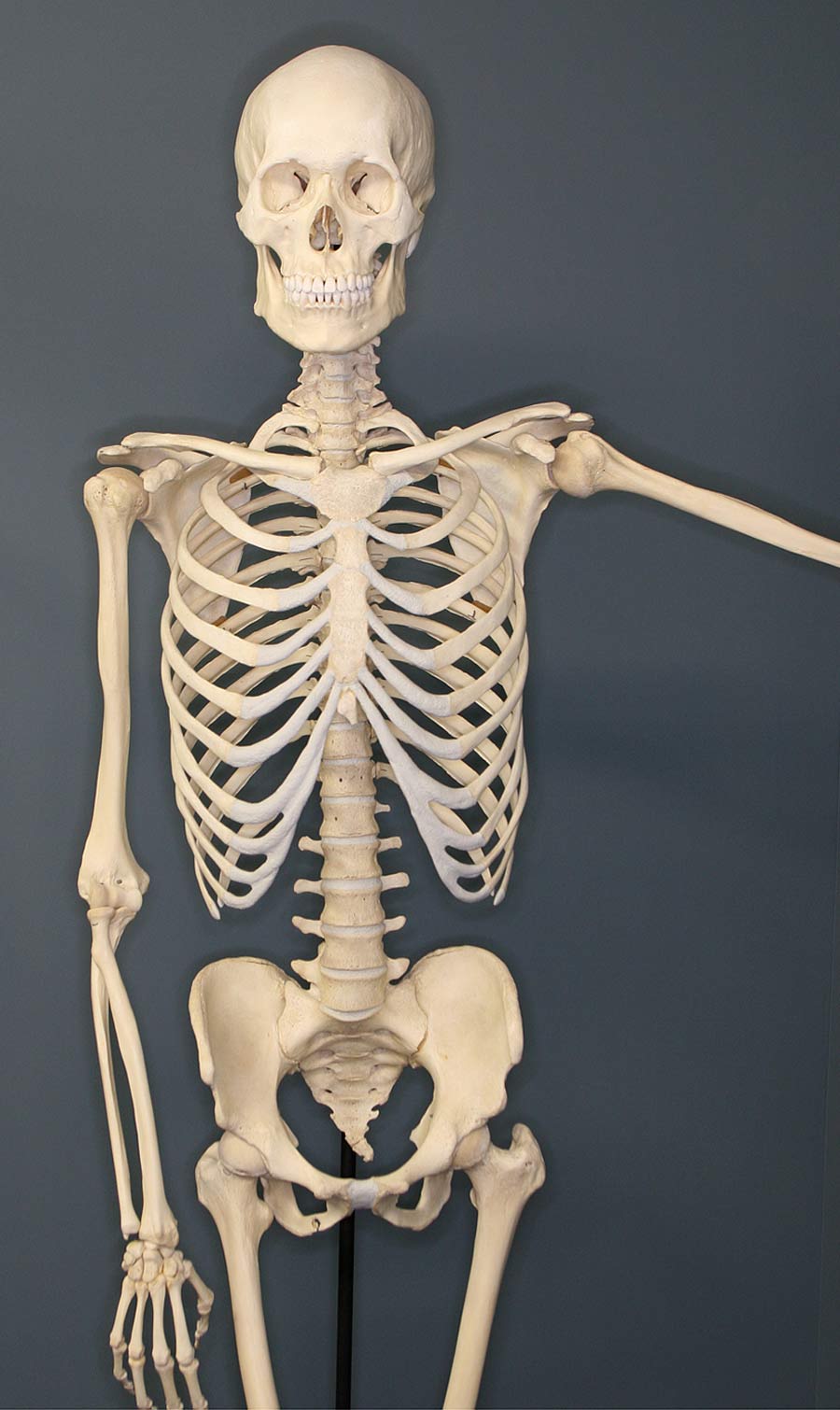
The Human Skeleton

The human skeleton is the internal framework of bones that supports the body, protects its organs, and allows it to move. An adult skeleton has 206…

byCapsule
0 votes0 reviews
biology
Theory

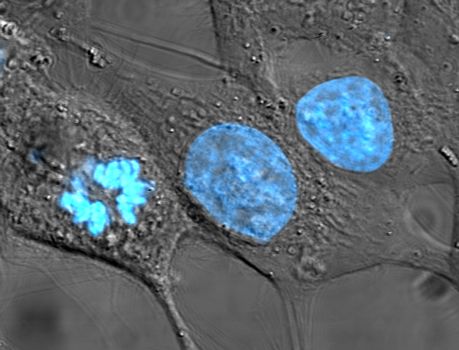
Cell Theory

Cell theory is one of the foundational ideas of biology. It holds that all living things are made of cells, that the cell is the basic unit of life,…

byCapsule0 votes0 reviews
biology
Fact· Empirical

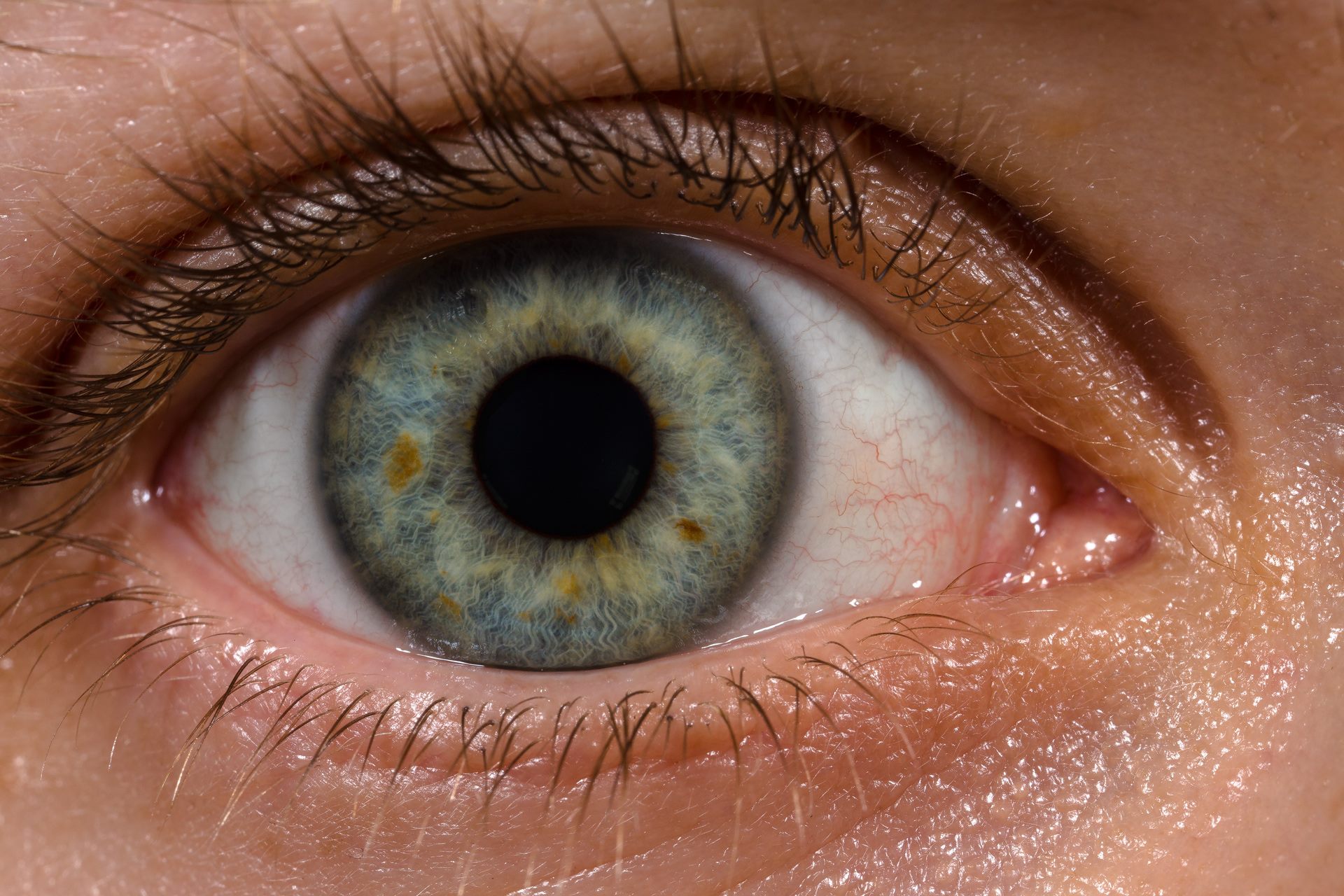
The Human Eye

The human eye is the organ of sight, a remarkable structure that turns light into the images we see. Roughly the size of a ping pong ball, it…

byCapsule0 votes0 reviews
biology
Proven· Replicated

Photosynthesis

Photosynthesis is the process by which plants, algae, and certain bacteria capture the energy of sunlight and use it to turn carbon dioxide and water…

byCapsule0 votes0 reviews
biology
Fact· Empirical

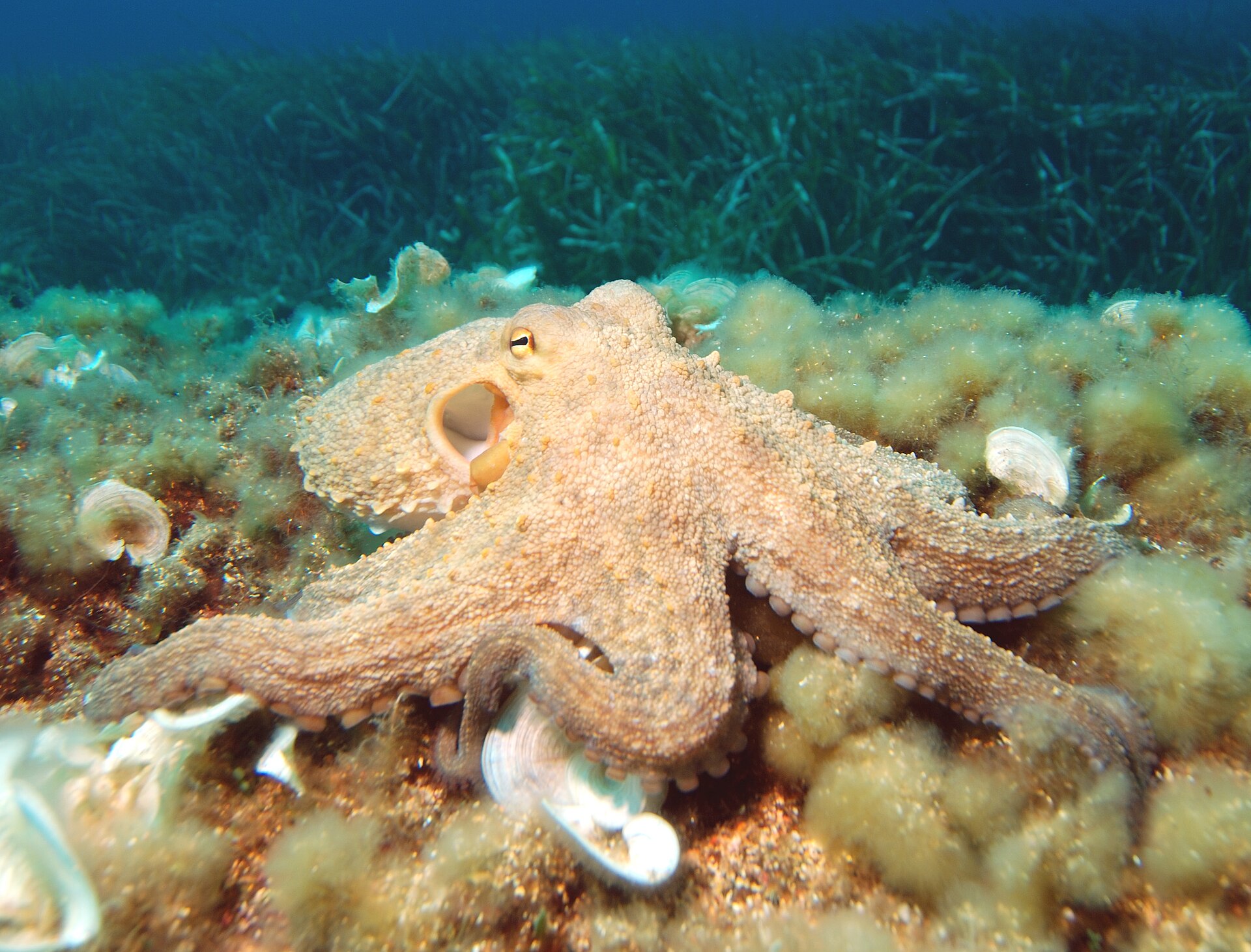
Octopus

Octopuses are eight-armed cephalopod molluscs, around three hundred species, found in every ocean. They have three hearts, blue blood, no skeleton,…

byCapsule0 votes0 reviews
biology
Fact· Empirical

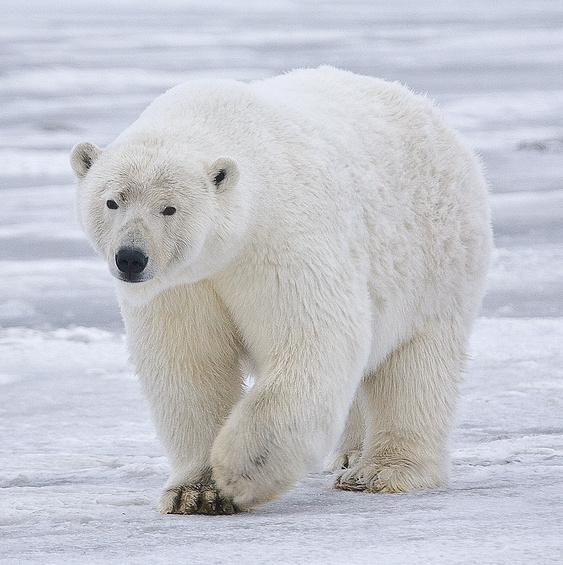
Polar Bear

The polar bear, Ursus maritimus, is the largest living land carnivore and the only bear classified as a marine mammal. It is a very recent species…

byCapsule0 votes0 reviews
biology
Hypothesis

Panspermia

Panspermia is the hypothesis that life exists throughout the universe and is spread between worlds by space dust, meteoroids, asteroids, and comets.…

byCapsule0 votes0 reviews
biology
Fact· Empirical

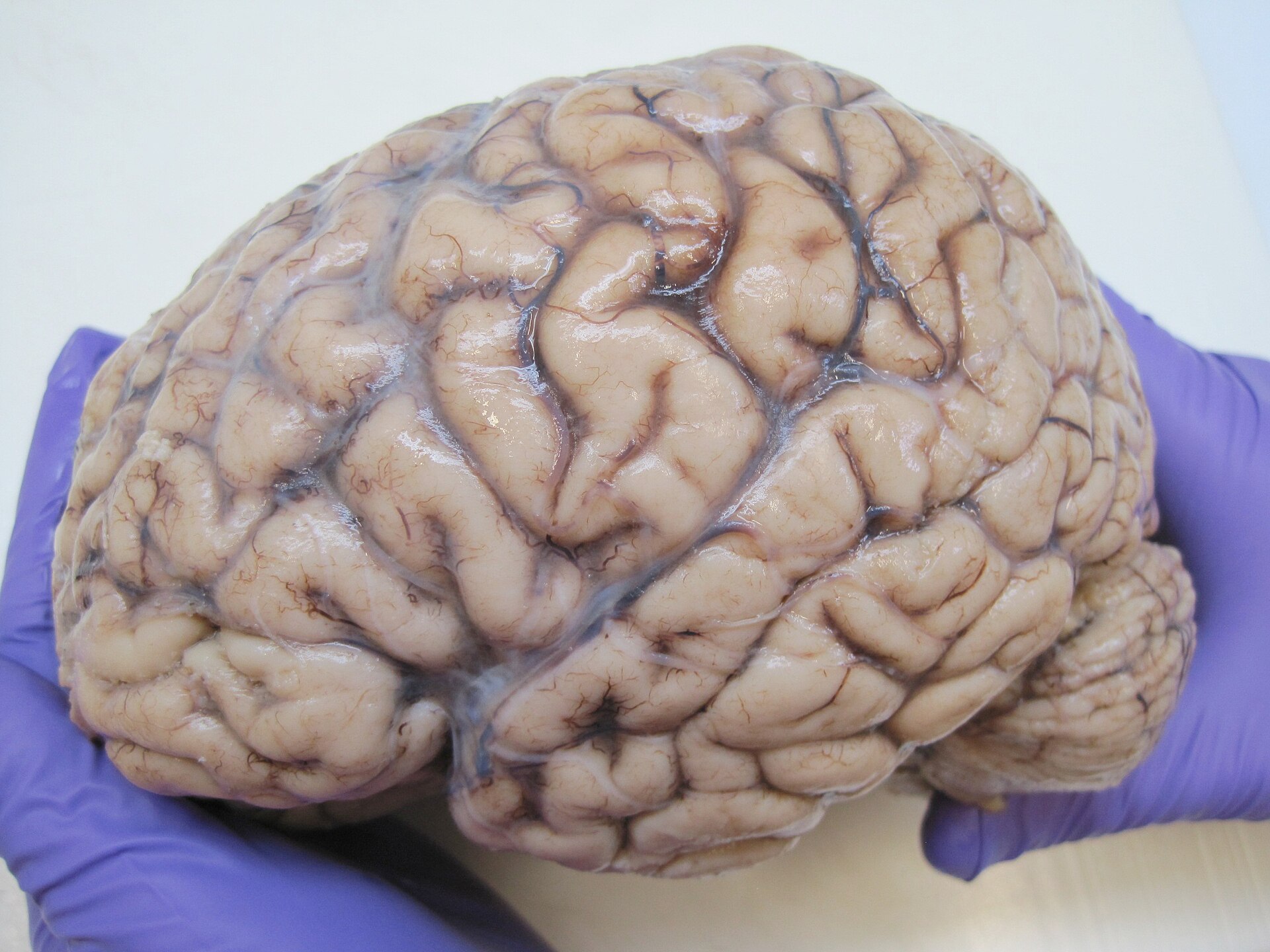
The Human Brain

The human brain is the command centre of the body and the most complex object known in the universe. Weighing only about 1.4 kilograms, it contains…

byCapsule0 votes0 reviews
biology
Fact· Empirical

Bald Eagle

The bald eagle, Haliaeetus leucocephalus, is a large fish-eating raptor of North America, the national bird of the United States, and the standard…

byCapsule0 votes0 reviews
biology
Fact· Empirical

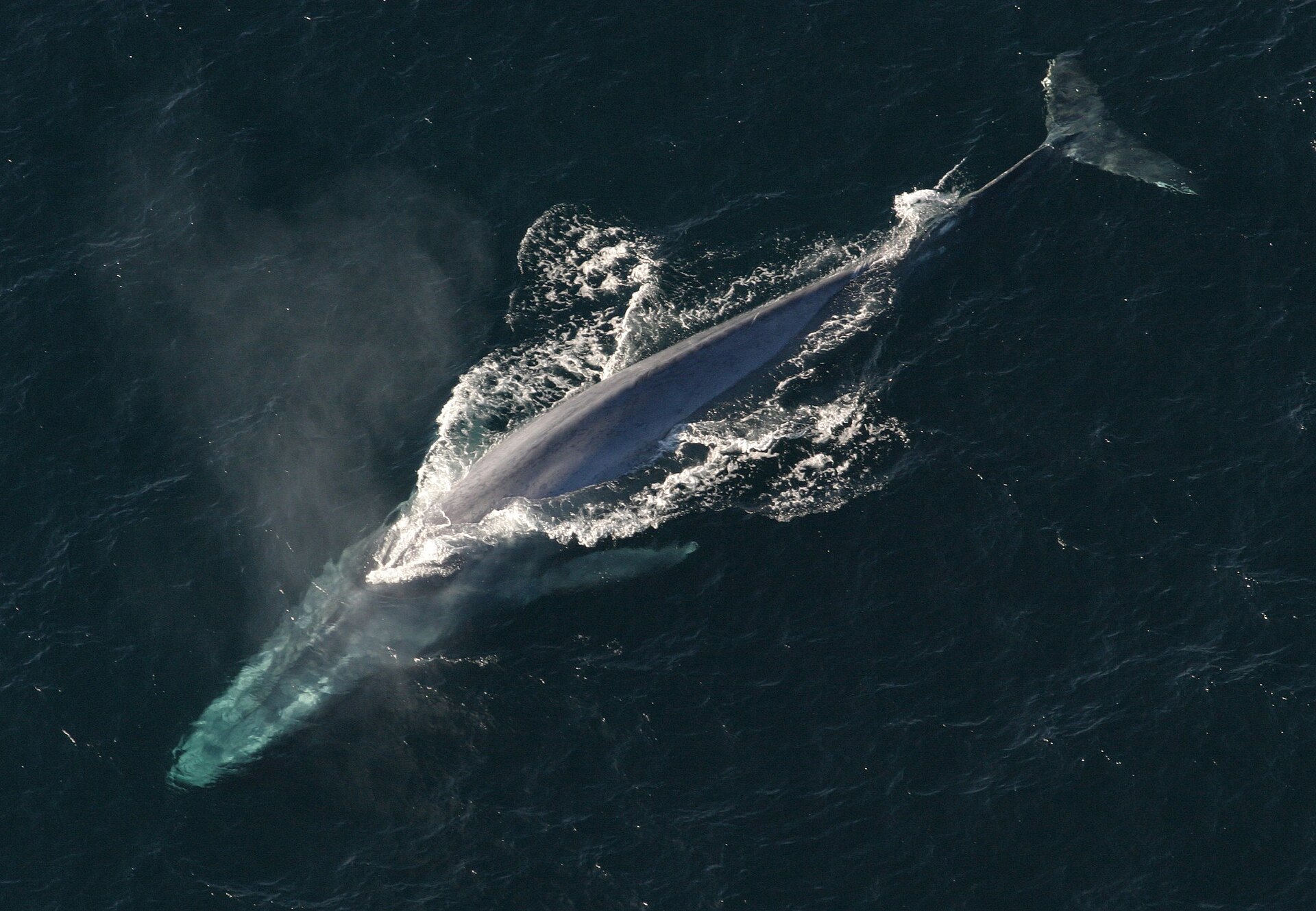
Blue Whale

The blue whale, Balaenoptera musculus, is the largest animal known to have lived, larger than any dinosaur yet described. It eats one of the smallest…

byCapsule0 votes0 reviews
biology
Fact· Empirical

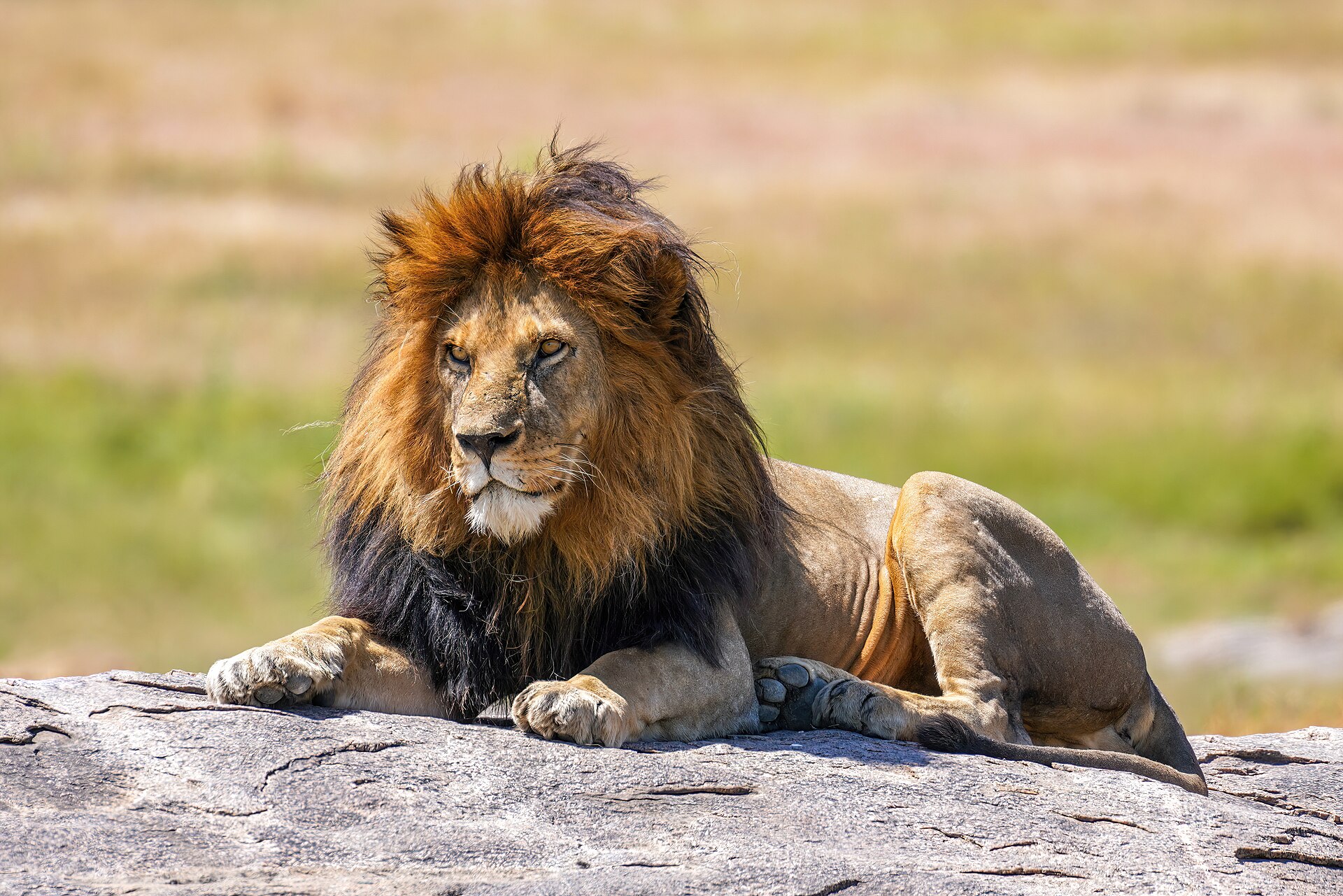
Lion

The lion, Panthera leo, is the only truly social cat and the second largest after the tiger. It once ranged from southern Africa through the Middle…

byCapsule0 votes0 reviews
biology
Fact· Empirical

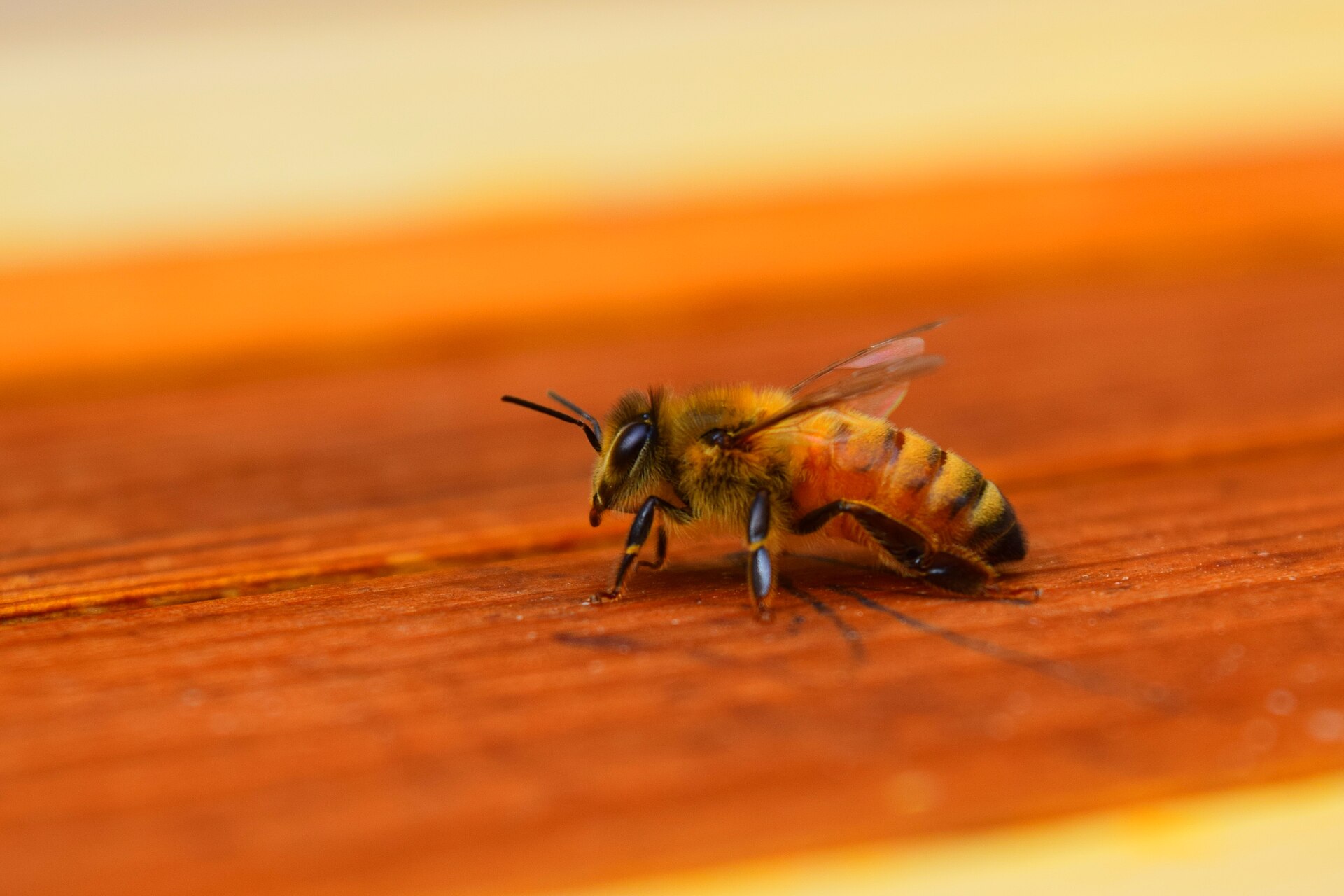
Honey Bee

Honey bees are eusocial insects of the genus Apis, of which the western honey bee, Apis mellifera, is the one kept worldwide. They communicate the…

byCapsule0 votes0 reviews
biology
Fact· Empirical

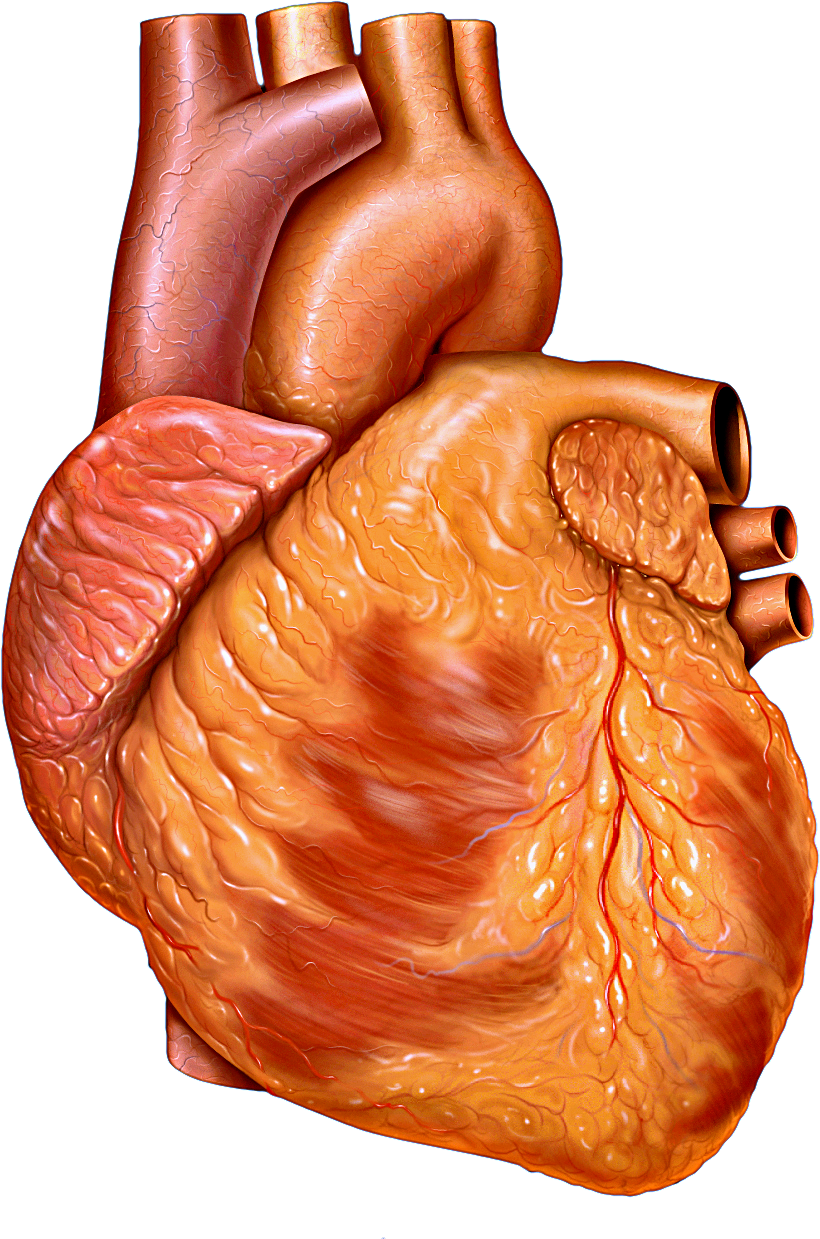
The Human Heart

The human heart is a muscular pump, roughly the size of a clenched fist, that drives blood through the body every moment of life. Beating around…

byCapsule0 votes0 reviews
biology
Fact· Empirical

Dolphin

Dolphins are toothed whales of the family Delphinidae and several river families, around forty species. They echolocate, they call each other by name…

byCapsule0 votes0 reviews
biology
Fact· Empirical

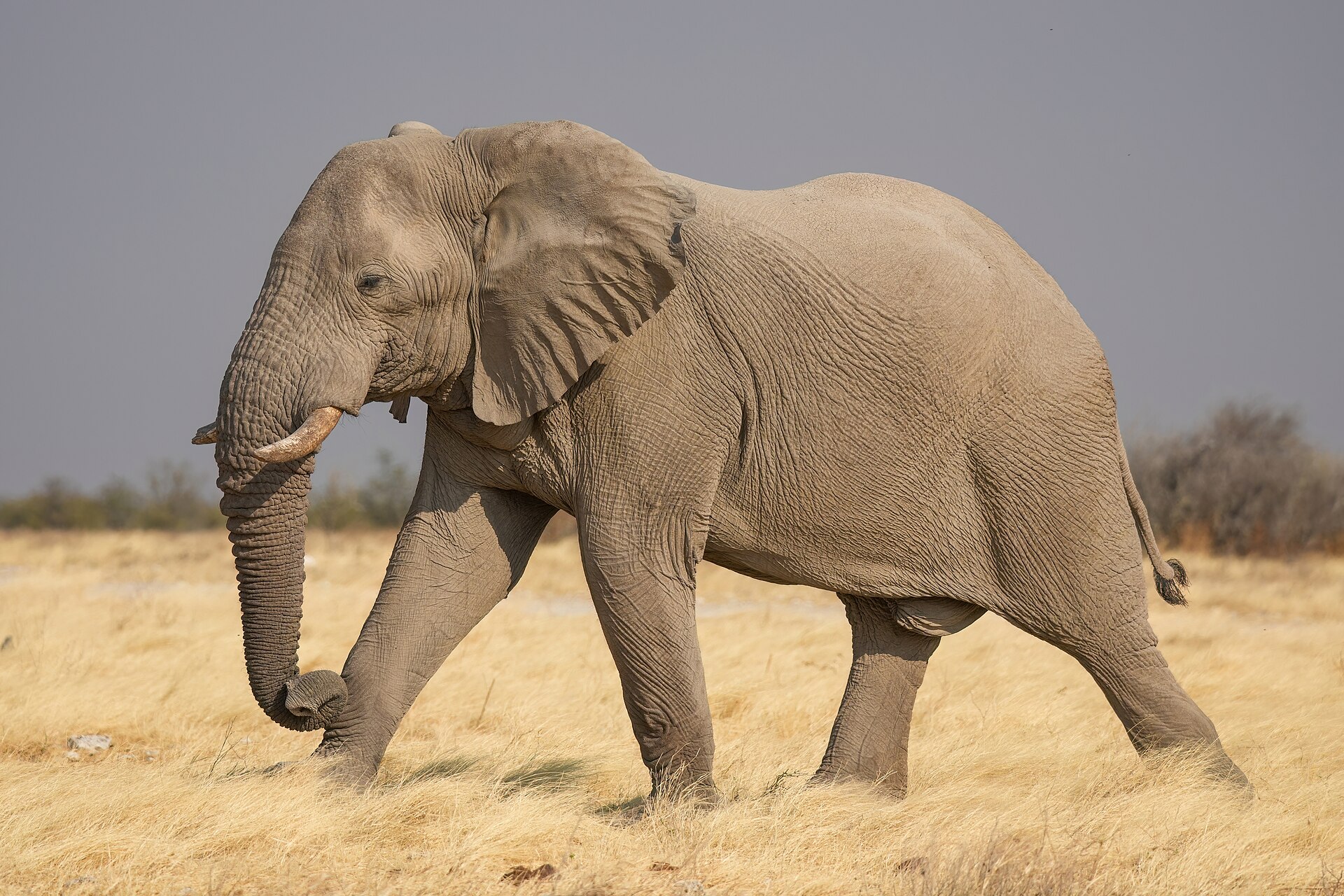
Elephant

Elephants are the largest living land animals, and there are three species rather than the two most references still give. They have the longest…

byCapsule0 votes0 reviews
biology
Fact

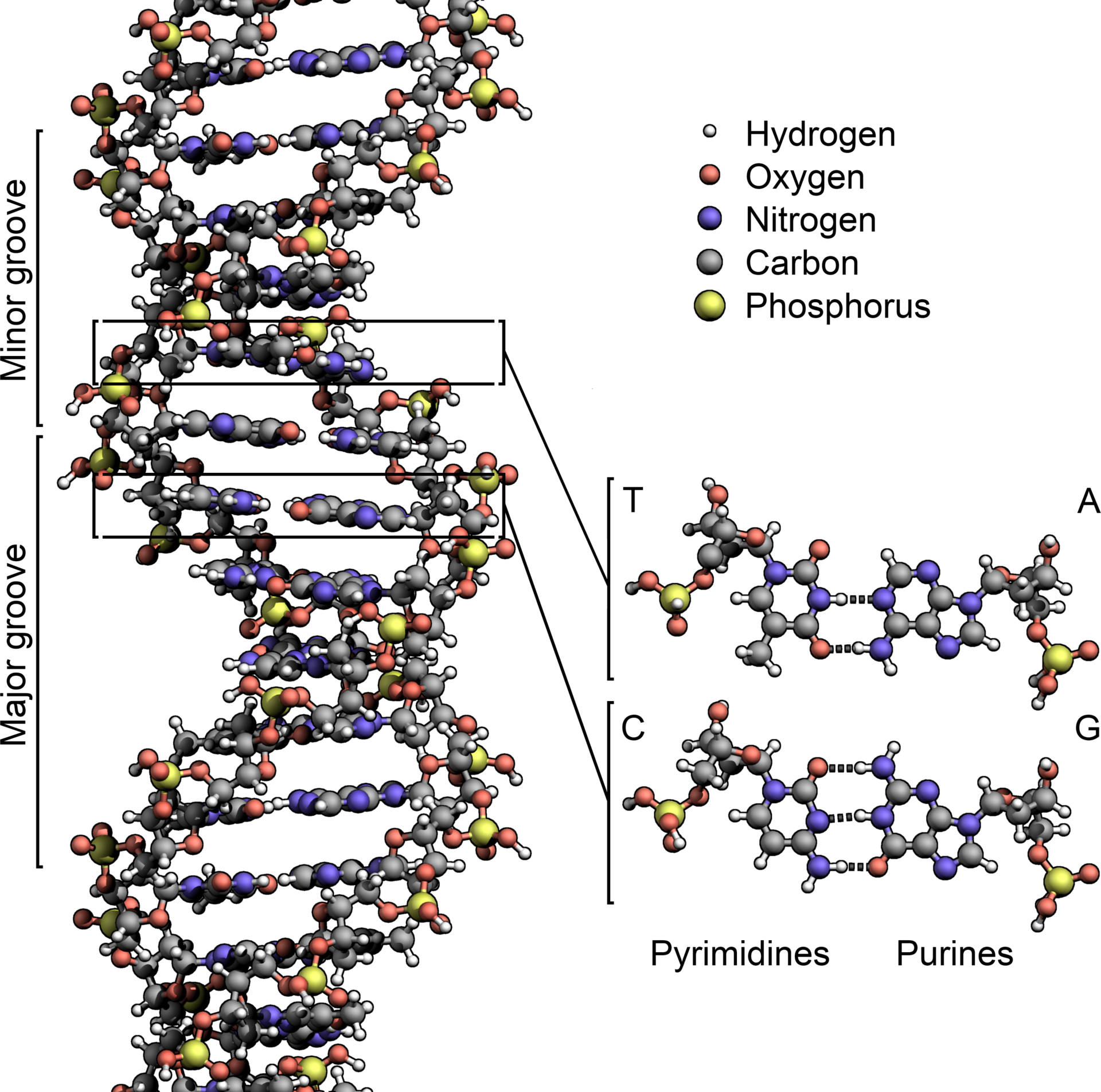
DNA (Deoxyribonucleic Acid)

Deoxyribonucleic acid (DNA) is the molecule that carries the genetic instructions used in the growth, development, functioning, and reproduction of…

byCapsule0 votes0 reviews
biology
Fact· Empirical

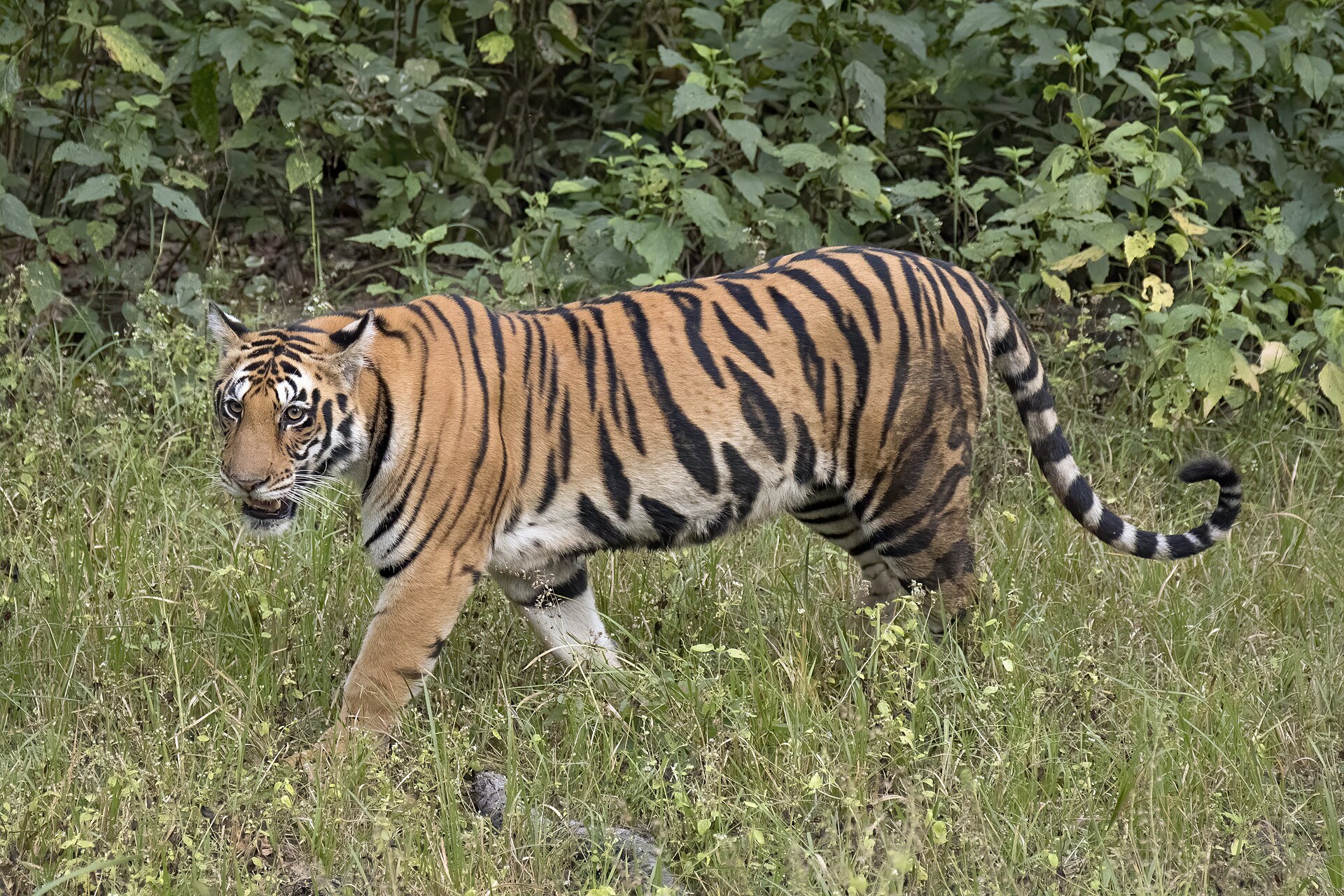
Tiger

The tiger, Panthera tigris, is the largest living cat, a solitary ambush predator of Asian forest, grassland and mangrove. It occupies something like…

byCapsule0 votes0 reviews
biology
Fact· Empirical

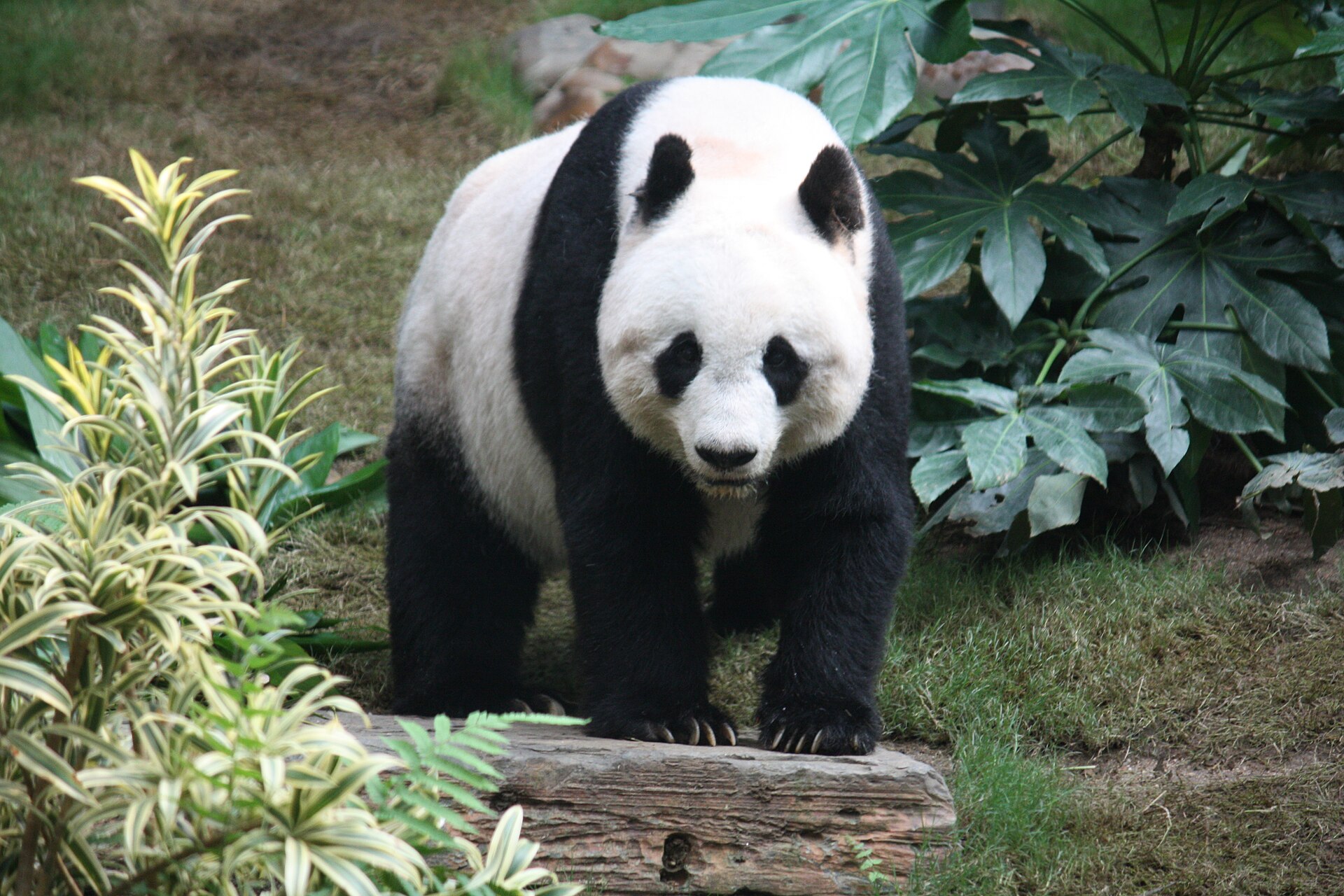
Giant Panda

The giant panda, Ailuropoda melanoleuca, is a bear that eats bamboo. That sentence contains the whole problem: it has the digestive system of a…

byCapsule0 votes0 reviews
biology
Debunked

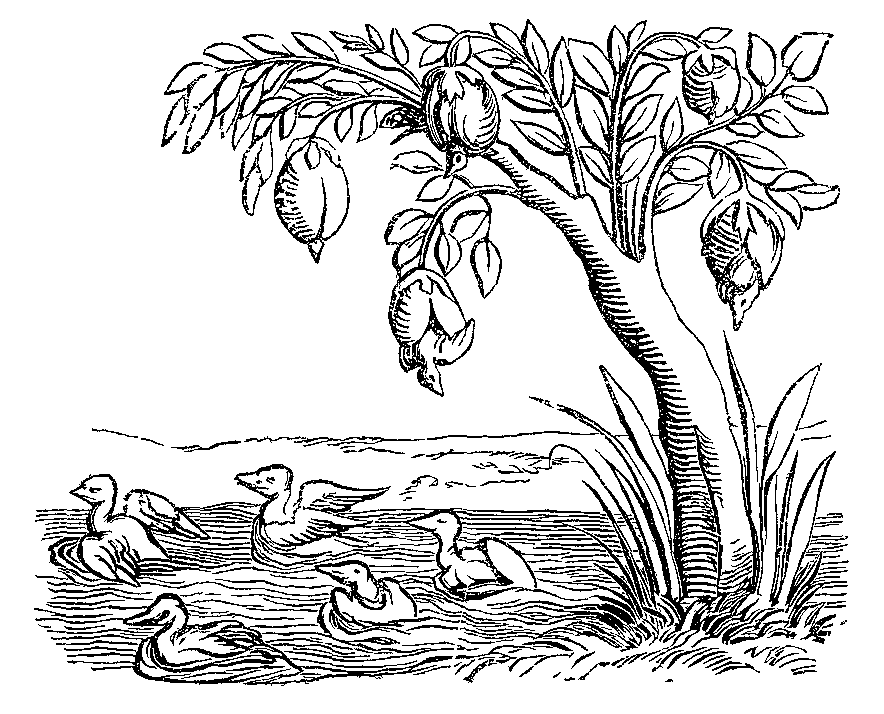
Spontaneous Generation

Spontaneous generation was the long held belief that living organisms could arise directly from non living matter. People thought maggots formed from…

byCapsule0 votes0 reviews
biology
Fact· Empirical

Domestic Cat

The domestic cat, Felis catus, is the most numerous small carnivore on Earth, with something over six hundred million individuals. It is also barely…

byCapsule0 votes0 reviews
Previous12345Next