The parts of plant food that human digestive enzymes cannot break down. It supplies no energy directly and is one of the more consistently supported components of diet, largely because of what it does on the way through.
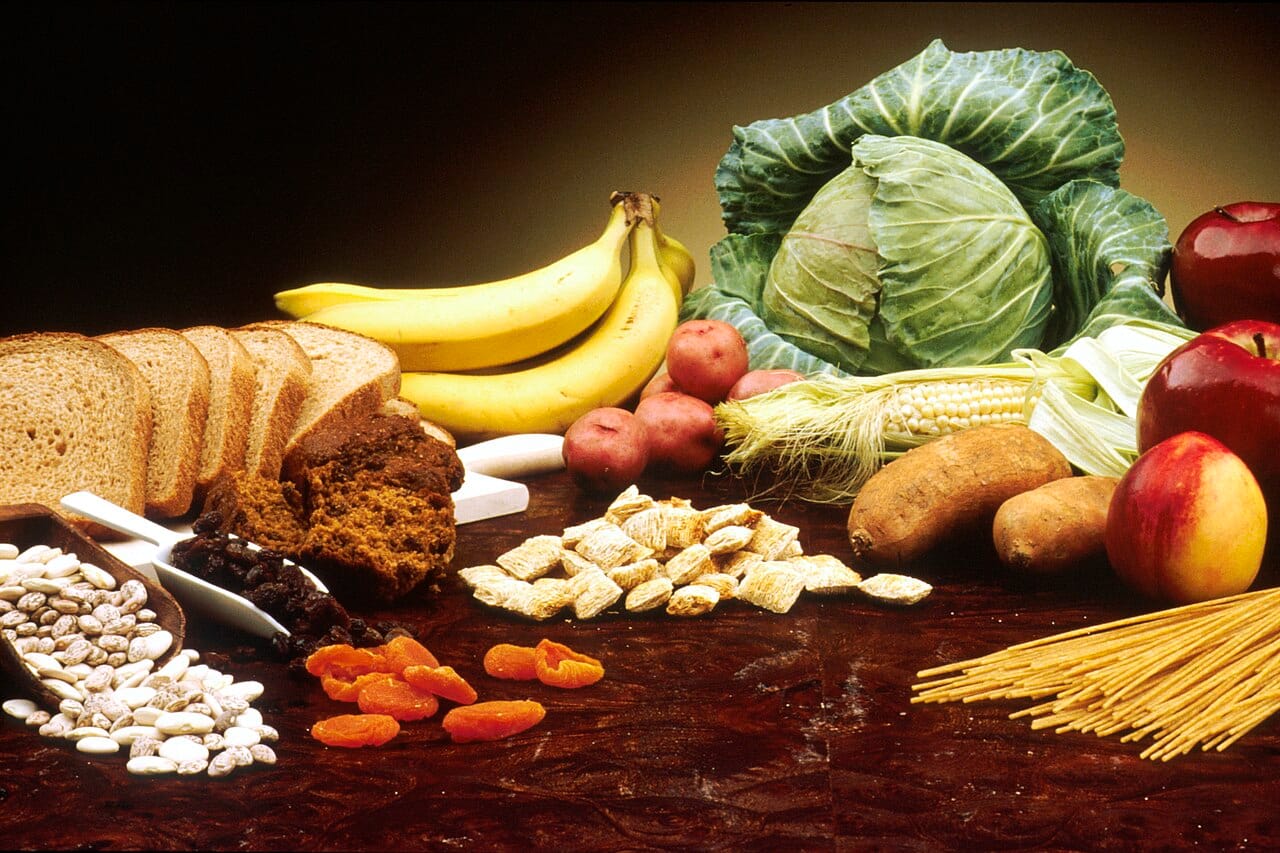
Fibre is a category defined by what happens to it rather than by chemistry. It comprises carbohydrates that resist digestion in the small intestine, plus lignin.
It occurs only in plant foods. Meat, fish, eggs and dairy contain none.
The conventional division is by solubility, which is imperfect and remains useful.
Soluble fibre dissolves in water and forms a gel. It slows gastric emptying and the absorption of glucose, and it binds bile acids, which the body replaces using cholesterol, lowering circulating levels. Oats, beans, apples and citrus are common sources.
Insoluble fibre does not dissolve. It adds bulk, holds water, and speeds transit through the colon. Wheat bran, whole grains, nuts and vegetable skins are the main sources.
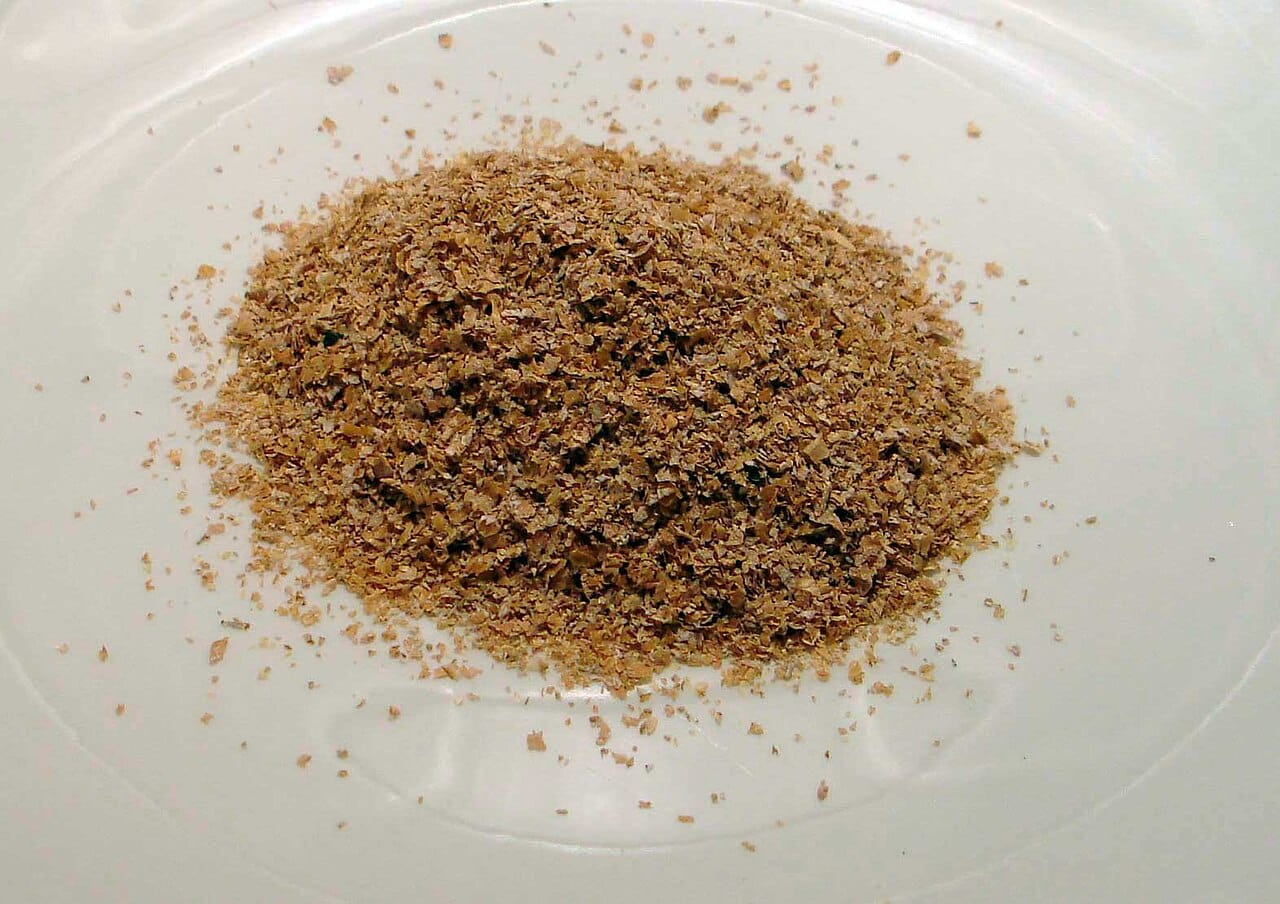
Most fibre-containing foods provide both, in varying proportions.
Fermentability is arguably the more important property. Some fibre is fermented by gut bacteria and some passes through largely unchanged, and the fermentable fraction is where much of the metabolic effect occurs.
Bulk and transit. Insoluble fibre increases stool mass and reduces transit time, which is the basis of its use for constipation. The mechanism is straightforward and the effect is reliable.
Fermentation. Colonic bacteria ferment soluble and resistant fibre, producing short-chain fatty acids including butyrate, which is the primary energy source for the cells lining the colon. This is the main route by which fibre affects the gut wall and, through absorbed metabolites, tissues elsewhere.
Glycaemic effect. Viscous fibre slows carbohydrate absorption, reducing the rise in blood glucose after a meal.
Cholesterol. Soluble fibre lowers LDL cholesterol modestly and consistently, through the bile acid mechanism.
Satiety. Fibre-rich foods take longer to eat, are bulkier for their energy content, and are associated with lower total energy intake.
Microbiome. Fibre is the principal food supply for gut bacteria, and dietary fibre intake is among the strongest determinants of the composition of that community.
The evidence for fibre is stronger and more consistent than for most single dietary components.
Large prospective studies and their meta-analyses find higher fibre intake associated with lower rates of cardiovascular disease, type 2 diabetes, colorectal cancer and all-cause mortality, with a dose-response relationship across the range of intake studied.
A substantial review commissioned by the World Health Organization and published in 2019 examined observational studies and trials together and found consistent benefit, with the greatest reduction in risk at intakes of roughly 25 to 29 grams per day and indications of further benefit above that.
Randomised trials support the mechanisms, including effects on cholesterol, glycaemic response and stool weight, which is important because it means the observational associations have a plausible physical basis rather than resting on correlation alone.
The usual caution applies. People who eat more fibre differ in other ways, and no observational study fully removes that. What raises confidence here is the combination of consistency across populations, a dose-response gradient, mechanistic trial evidence, and biological plausibility.
The colorectal cancer relationship has been argued about for decades. Early hypotheses, based on comparisons between populations, predicted a strong protective effect, and some large trials of fibre supplementation over a few years found none. The current position is that whole-food fibre intake over long periods is associated with lower risk while short-term supplementation is not, which suggests the food matters rather than the isolated component.
That distinction recurs. Supplements including isolated psyllium and inulin reproduce some effects, particularly on bowel function and cholesterol, and do not clearly reproduce the broader outcomes associated with fibre-rich diets. Whether the difference is due to the accompanying nutrients, to the food structure, or to what fibre-rich diets displace is not settled.

Recommendations generally fall around 25 to 30 grams per day for adults, with some bodies setting them by energy intake.
Actual consumption in most high-income countries averages well below this, commonly around half the recommended amount, which is among the more consistent findings in nutrition surveys.
Increasing intake abruptly causes bloating and discomfort, because the gut bacterial community adjusts over time, so gradual increase with adequate fluid is the standard advice.
Fibre is unusual among dietary components in that the evidence for it has strengthened rather than reversed over several decades, at a time when several other confident nutritional claims have not survived scrutiny.
It also illustrates that a substance the body cannot digest can matter a great deal, because its effects operate through transit, through the bacteria that can digest it, and through what it does to the absorption of everything else.