Techniques for preventing food from spoiling. All of them work by attacking the same small set of conditions that microorganisms and enzymes require, and the methods were discovered empirically long before those conditions were understood.
Food deteriorates through two processes.
Microbial growth, principally bacteria, yeasts and moulds, which consume the food and produce waste products, and in some cases toxins.
Enzymatic and chemical change, including enzymes within the food itself continuing to act after harvest or slaughter, and oxidation producing rancidity in fats.
Both require conditions that can be removed. Microorganisms need water, a suitable temperature, a tolerable pH, and generally oxygen. Enzymes need appropriate temperature and are denatured by heat.
Every preservation method removes at least one of these, and the effective ones remove several.
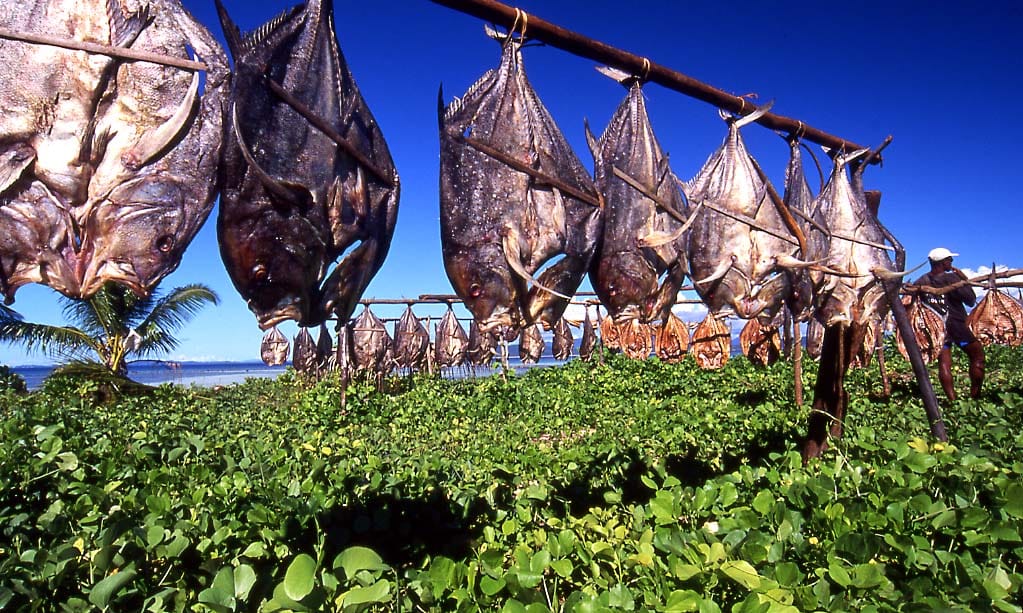
Drying removes water. It is the oldest method, requires no equipment beyond sun and air, and is used for grains, fruit, meat and fish. Water activity rather than total water content is what matters, since water bound to sugars or salts is unavailable to microorganisms, which is why honey and jam resist spoilage despite containing water.
Salting and sugaring bind water osmotically, drawing it out of microbial cells. Salt curing of meat and fish and sugar preserving of fruit both work this way.
Cooling and freezing slow microbial growth and enzyme activity. Freezing halts growth almost entirely, and does not sterilise, so food resumes deteriorating on thawing.
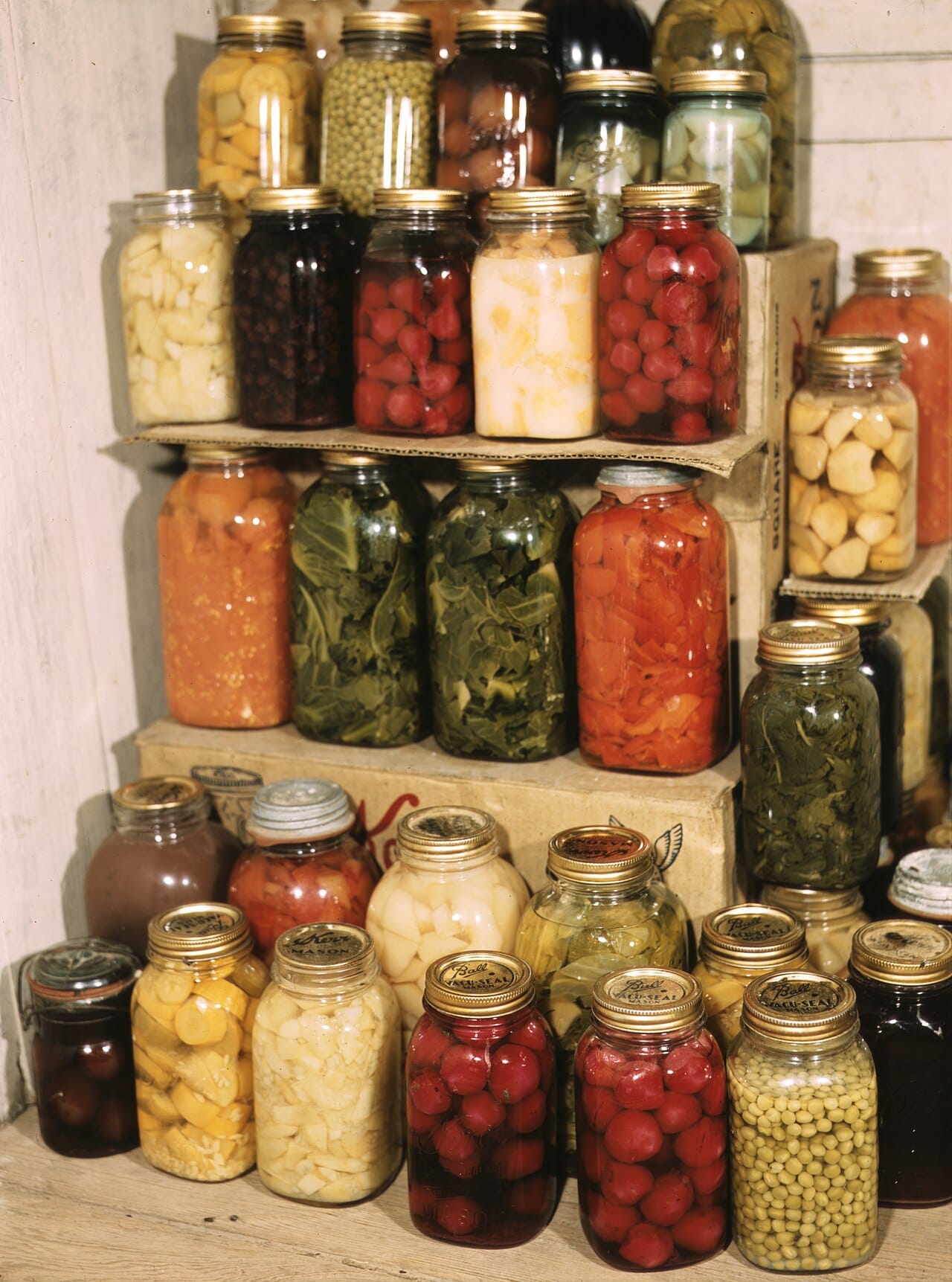
Heat treatment kills microorganisms. Pasteurisation uses moderate heat to kill pathogens and reduce spoilage organisms while preserving flavour; sterilisation uses higher temperatures to kill everything including spores, which is what canning requires.
Fermentation, treated in its own capsule, uses selected microorganisms to produce acid or alcohol that inhibits others, and it preserves while transforming.
Acidification by adding vinegar achieves the same by direct means, and pickling combines it with salt.
Smoking deposits antimicrobial compounds and dries the surface simultaneously.
Exclusion of oxygen, by vacuum packing or by replacing air with nitrogen or carbon dioxide, prevents growth of organisms requiring it and slows oxidation. It does not prevent anaerobic organisms, which is why it is combined with refrigeration.
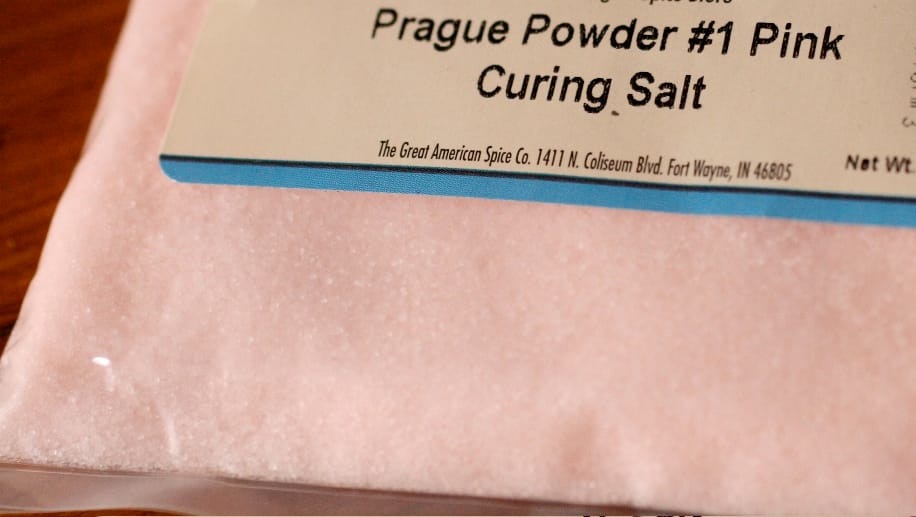
Chemical preservatives including nitrites, sulphites and benzoates inhibit specific organisms, and nitrite in cured meat serves the additional and important function of preventing botulism.
Irradiation kills organisms without heat and remains restricted or unpopular in several markets despite an extensive safety record.
The French government offered a prize in 1795 for a method of preserving food for the army. Nicolas Appert developed sealed heating of food in glass jars and won it in 1810, having established the technique empirically without any understanding of why it worked.
Pasteur's demonstration that spoilage is caused by microorganisms, described in the fermentation and spontaneous generation capsules, came half a century later and explained Appert's method retrospectively.
Canning had immediate military and exploratory significance and substantial early failure rates, and lead solder in early cans is suspected to have contributed to illness on some expeditions.
Botulism is the danger specific to canning. Clostridium botulinum forms heat-resistant spores, grows without oxygen, and produces one of the most potent toxins known. Low-acid foods must be processed at temperatures above boiling, which requires pressure, and home canning guidance is strict for precisely this reason.
Preservation decoupled eating from harvest. Before it, diet was determined by season and by locality, and the winter months in temperate regions depended entirely on what had been preserved.
It enabled long voyages, and scurvy, described in the vitamins capsule, was the direct consequence of preserving food in ways that destroyed vitamin C.
It enabled urbanisation by allowing food to be produced at distance from where it is eaten, which is a precondition for populations larger than their immediate hinterland can feed.
Refrigeration in particular restructured the food system. Refrigerated shipping from the 1870s made intercontinental trade in meat and fruit possible, and domestic refrigeration changed household shopping and cooking patterns within a generation.
Waste reduction is the current argument. A substantial share of food produced is lost between harvest and consumption, and in lower-income countries much of that loss occurs before it reaches market for want of cold chain and storage.
Food preservation is the technology that separates a society's diet from its immediate agricultural calendar, and every settlement pattern larger than a farming village depends on it.
It is also a clear case of practice preceding theory by millennia. Salting, drying and fermenting were refined over thousands of years by people with no concept of microorganisms, and the science arrived to explain methods that already worked.