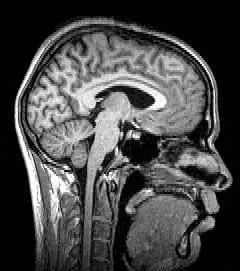
Neuroplasticity is the brain's capacity to change its structure and function in response to experience, injury, and learning. It overturned a long-standing assumption that the adult brain is fixed, and it has since been stretched in popular use to support claims the evidence does not carry.
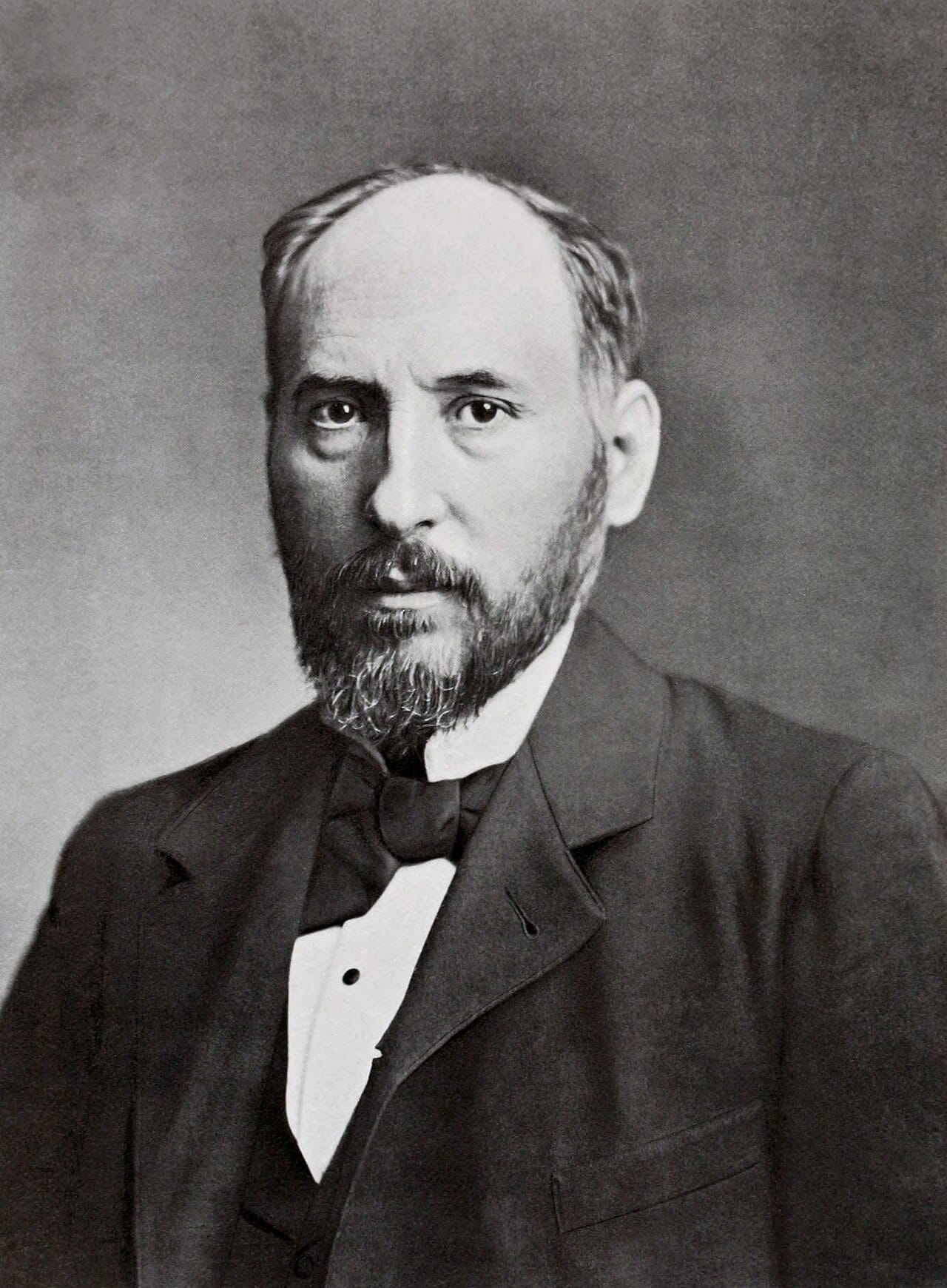
For most of the twentieth century the adult brain was held to be structurally fixed. Santiago Ramon y Cajal, who established that the nervous system is made of discrete cells and who won the Nobel Prize for it, wrote that in adult centres the nerve paths are fixed and immutable, and that everything may die and nothing may be regenerated. He added that it was for science of the future to change this decree if it could, which is a more open position than the quotation is usually given credit for.
Several forms of plasticity are well demonstrated.
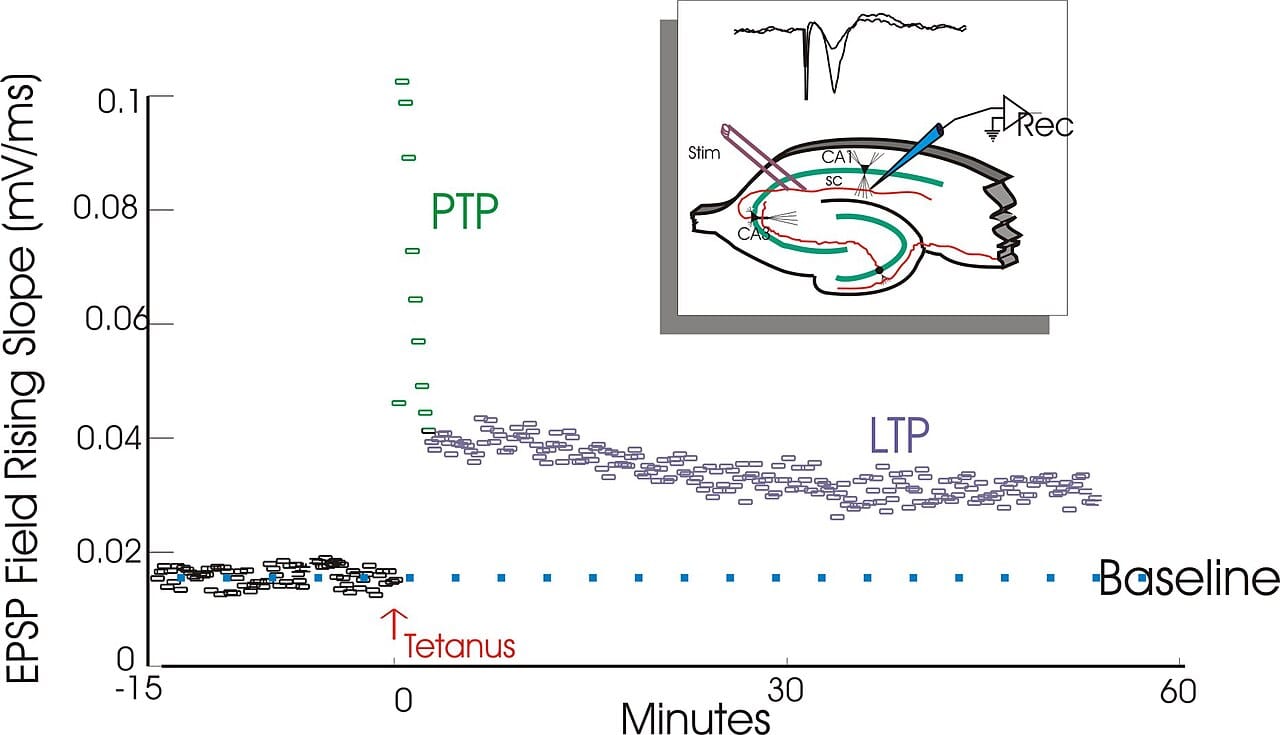
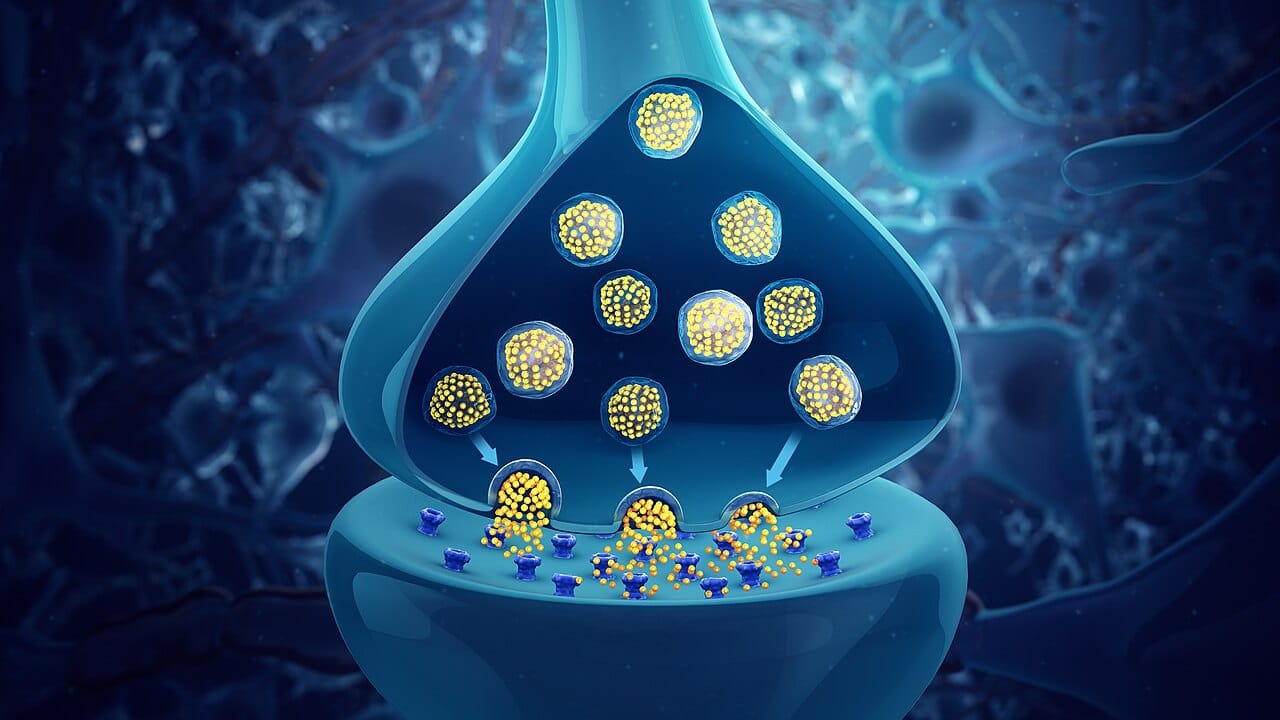
Synaptic plasticity is the foundation: connections strengthen or weaken with use, the mechanism known as long-term potentiation and depression, which is the leading account of how memory is stored physically.
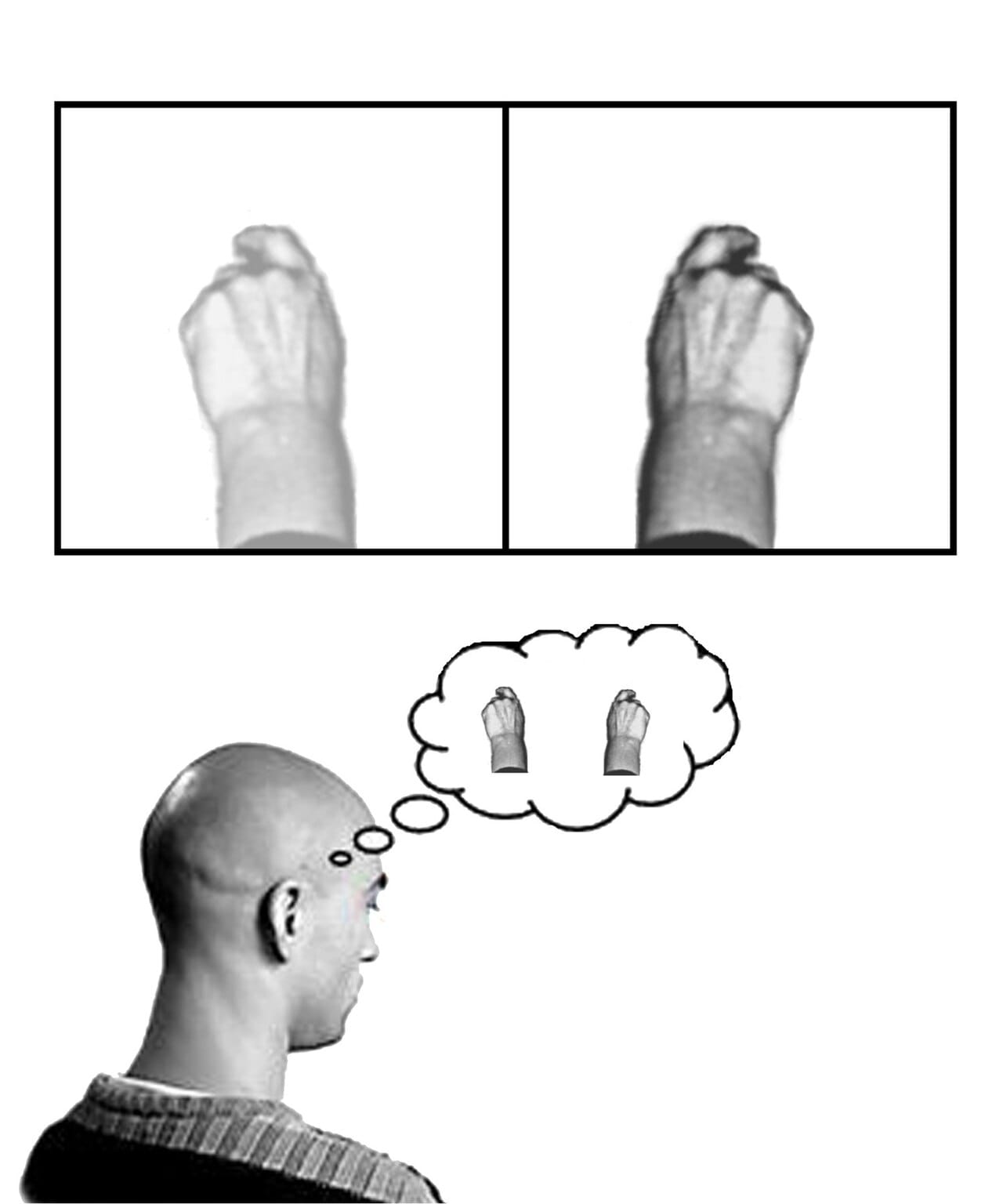
Cortical remapping is demonstrated in both animals and humans. Sensory and motor maps reorganise after amputation or after intensive training; the classic findings include enlarged cortical representation of the reading finger in Braille readers and of the left hand in string players. Phantom limb sensation is explained partly by such remapping, and mirror therapy exploits it.
Functional reorganisation after injury is why rehabilitation works: undamaged regions take on functions of damaged ones, particularly in children, whose recovery from hemispherectomy can be remarkable.
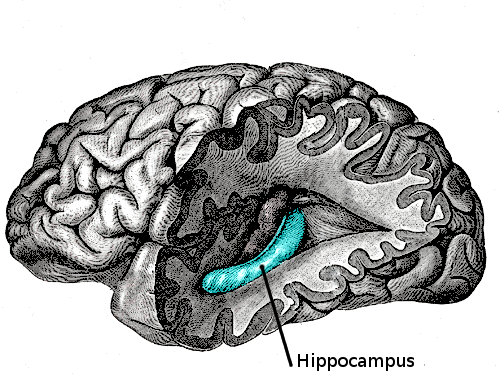
Adult neurogenesis, the growth of new neurons, is established in the rodent hippocampus. In adult humans it is genuinely disputed, with prominent studies in 2018 reaching opposite conclusions, and it remains an open question rather than a settled fact.
Plasticity has become a marketing term, and several claims outrun the evidence.
Commercial brain-training programmes produce improvement on the trained task and generally fail to transfer to untrained abilities or to everyday functioning, which is the finding of large trials and of a consensus statement signed by a substantial number of researchers.
Plasticity is also frequently presented as unambiguously good. It is not directional. Chronic pain, tinnitus, addiction, and post-traumatic stress all involve maladaptive plasticity, in which the same mechanisms entrench something harmful. A brain that changes with experience changes with bad experience too.
And plasticity is not unlimited. It declines with age, differs by system, and is greatest during developmental windows, which is the subject of the critical period debate. The claim that the adult brain can rewire itself without limit given sufficient effort is not supported, and where it is used to imply that recovery is a matter of trying hard enough it does real harm to patients.