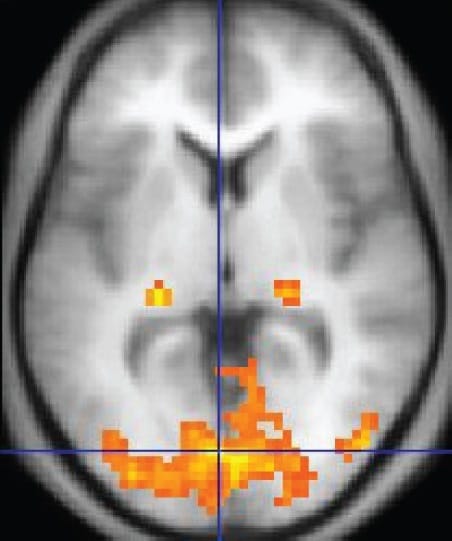
Mirror neurons are cells that fire both when an animal performs an action and when it observes the same action performed by another. They were discovered in macaques around 1990, and within a decade were being offered as the neural basis of empathy, language, culture, and autism. The discovery is real; almost everything built on it is disputed.
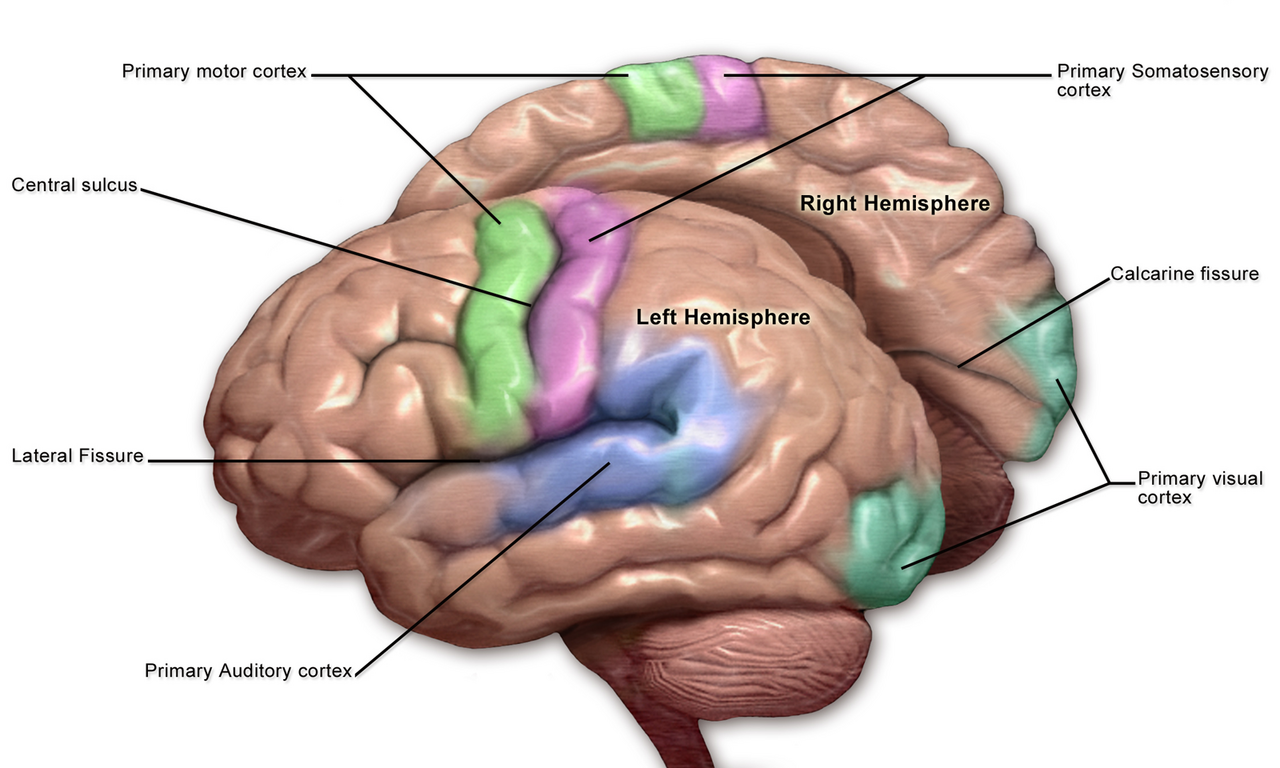
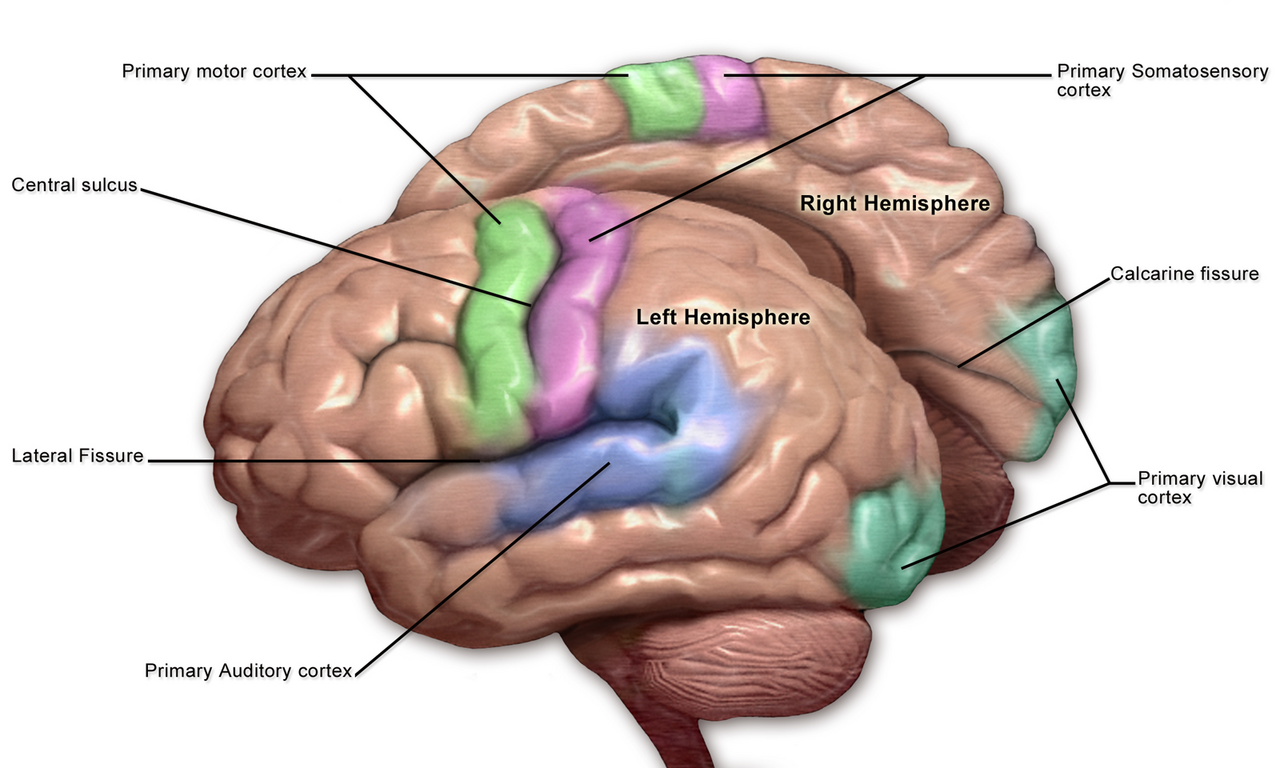
Giacomo Rizzolatti's group at Parma was recording from the premotor cortex of macaques, mapping cells that fired during specific hand movements. They found neurons that also fired when the monkey merely watched a researcher perform the same movement. The finding was unexpected, was replicated, and is not in question as a description of what those cells do.
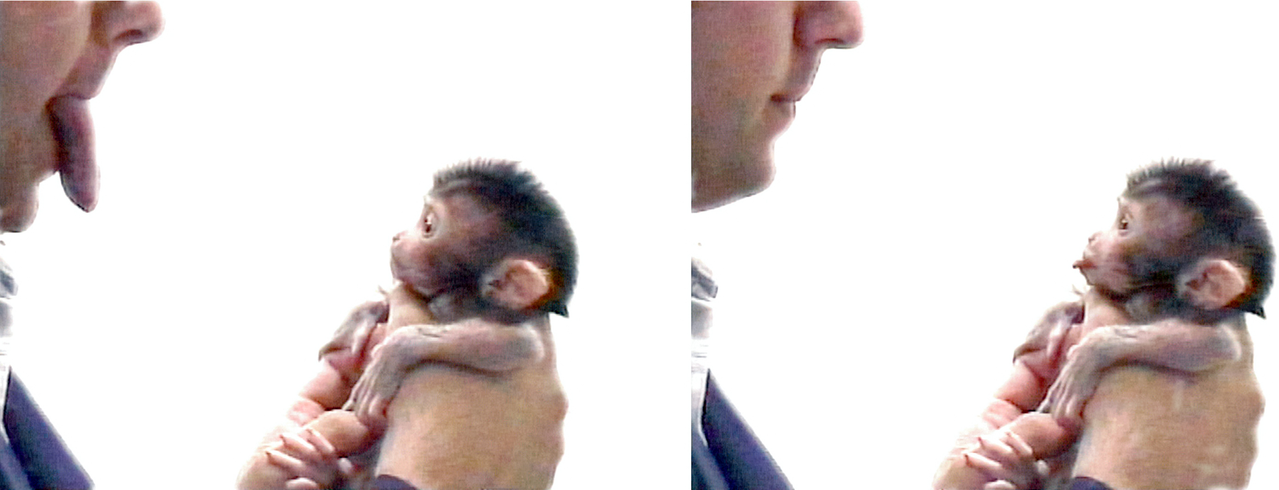
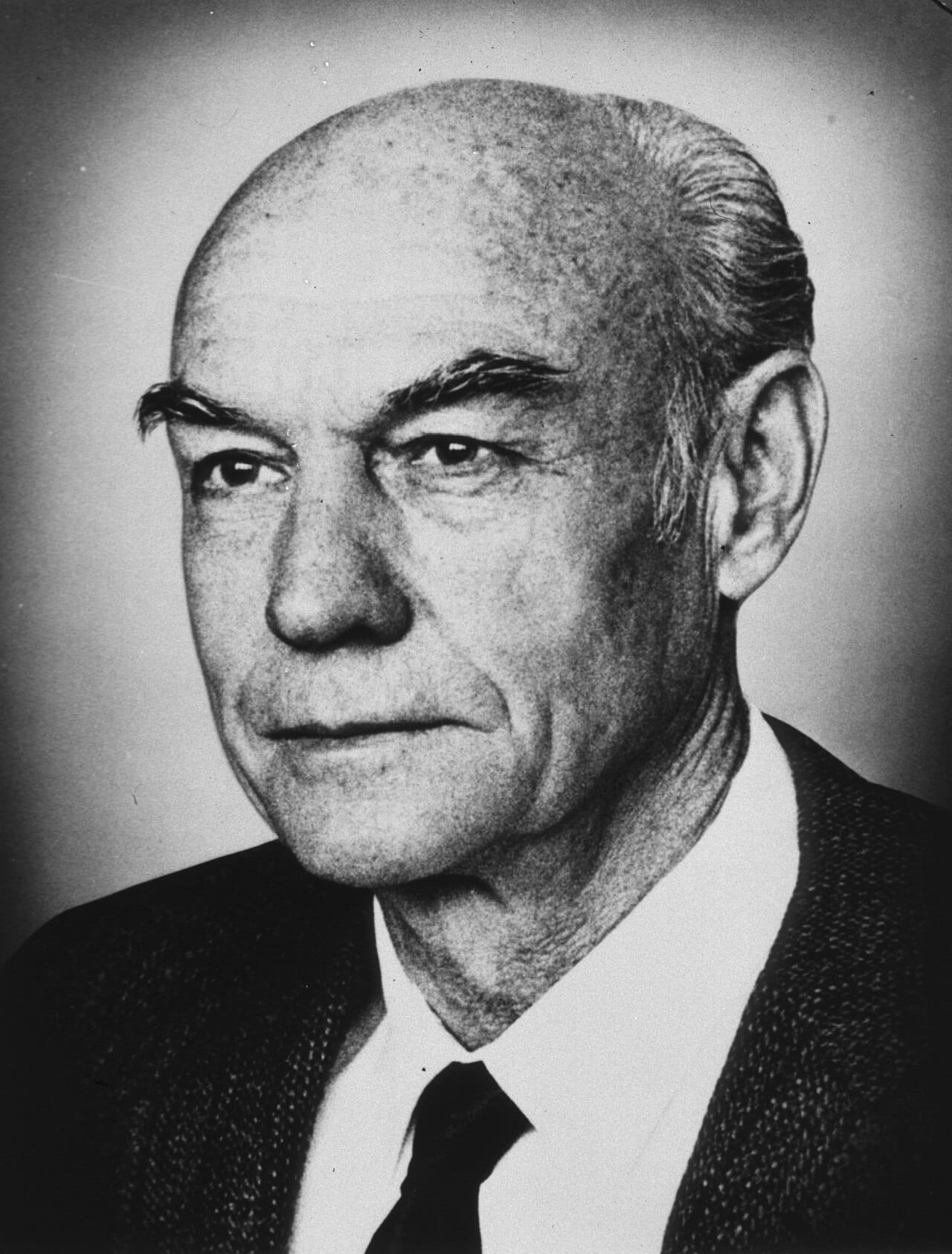
The proposals went far beyond the data. Mirror neurons were offered as the mechanism of action understanding, of empathy, of theory of mind, of imitation and therefore of cultural transmission, and of the evolution of language through gesture. V. S. Ramachandran predicted they would do for psychology what DNA did for biology. A prominent hypothesis attributed autism to a broken mirror system.
The objections are substantial.
The direct evidence in humans is thin. Single-neuron recording requires opening the skull, and has been done in humans only incidentally during surgery for epilepsy. One such study in 2010 reported mirror-like responses. Almost everything else rests on fMRI, which measures activity across regions containing millions of cells and cannot show that the same neuron is doing both jobs.
Association is not explanation. Cecilia Heyes has argued that mirror properties are learned through ordinary associative learning: an infant sees its own hand while moving it, so visual and motor representations become linked. On that account mirror neurons are a product of experience rather than an inherited mechanism, and they do not explain action understanding because they are themselves a result of it.
Patients contradict the strong version. People with damage to motor regions can still understand actions they can no longer perform, which the strong claim does not predict. Gregory Hickok's detailed critique argues the action-understanding account fails on this and several other grounds.
The autism hypothesis has largely failed. Direct tests have not supported a general mirror system deficit, and reviews have concluded the evidence does not sustain it.
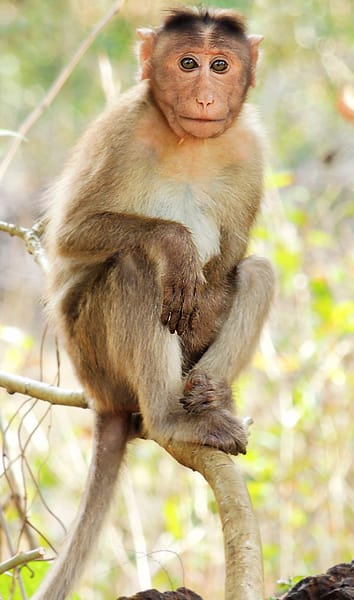
Neurons with mirror properties exist in monkeys, and something with similar properties is likely present in humans. What they do, whether they are innate or learned, and whether they explain any of the social capacities attributed to them are open questions. The episode is often cited within neuroscience as a case study in how a solid finding acquires an explanatory load it was never able to carry.