Horizontal gene transfer is the movement of genetic material between organisms by means other than parent to offspring. It is ordinary among bacteria, it is the reason antibiotic resistance spreads as fast as it does, and it complicates the tree of life at its base.
Three are well characterised. Transformation: a cell takes up naked DNA from its surroundings, the phenomenon Griffith observed in 1928 and Avery, MacLeod, and McCarty used in 1944 to show that DNA is the hereditary material. Conjugation: two cells connect and copy DNA directly, usually a plasmid. Transduction: a virus carries DNA from one host to the next.
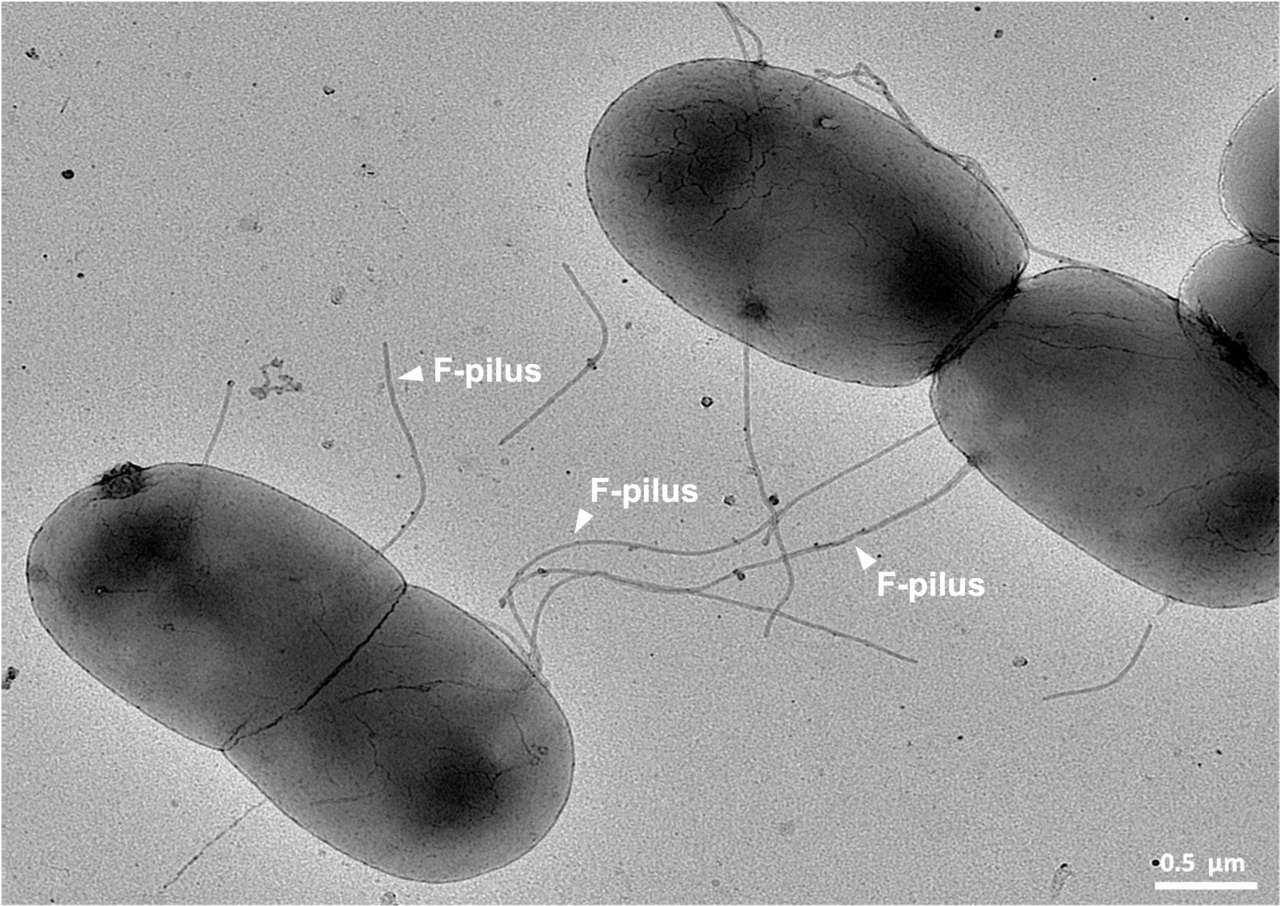
Resistance genes frequently sit on plasmids that move readily between cells, including between species. This is why resistance appears far faster than mutation alone would produce it, why using an antibiotic against one infection can select for resistance in unrelated bacteria sharing the same gut, and why resistance to a drug can appear in an organism never exposed to it. Any account of antimicrobial resistance that treats it as ordinary vertical descent gets both the speed and the spread wrong.
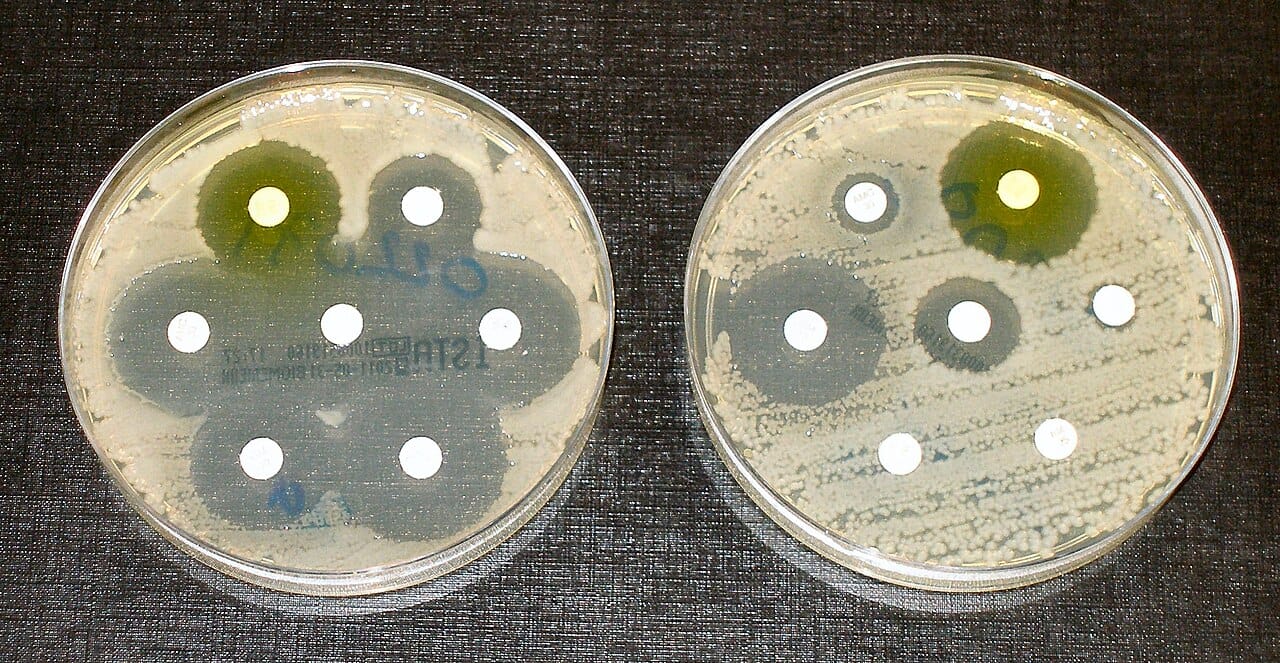
Darwin's tree assumes inheritance flows only downward, so lineages diverge and never rejoin. Extensive transfer among prokaryotes means early evolution is better pictured as a net or web than a tree, and Carl Woese and others argued that before the modern lineages settled, genes moved so freely that the concept of a single last common ancestor as an organism rather than a population becomes strained.
The transfers are not confined to microbes. Mitochondria and chloroplasts are descended from engulfed bacteria and moved most of their genes into the host nucleus. Documented transfers into eukaryotes include bacterial genes in some insects, and a well studied case in which a plant gene reached the sweet potato, meaning a crop humans have eaten for centuries is naturally transgenic.
Two questions are open. How much transfer occurs into complex multicellular organisms is disputed: a 2015 claim of extensive foreign genes in the human genome was substantially attributed to contamination in the sequencing data, and the current view is that transfer into vertebrates is real but rare. And how far the mechanism reshapes evolutionary theory is argued: some hold it is an important addition operating within the existing framework, while others argue that a picture of life built on branching descent needs more fundamental revision than that concedes.