Only a small fraction of the human genome codes for proteins, something under two per cent. What the rest of it is doing has been argued about for fifty years, and the argument sharpened considerably in 2012 into one of the more public disputes in modern biology.
Two facts set the problem. The C-value paradox: genome size does not track organismal complexity, and some amoebae and plants carry genomes far larger than a human's. And the composition of the human genome: a large share consists of transposable elements, sequences that copy themselves around the genome, together with dead genes, viral remnants, and highly repetitive stretches.
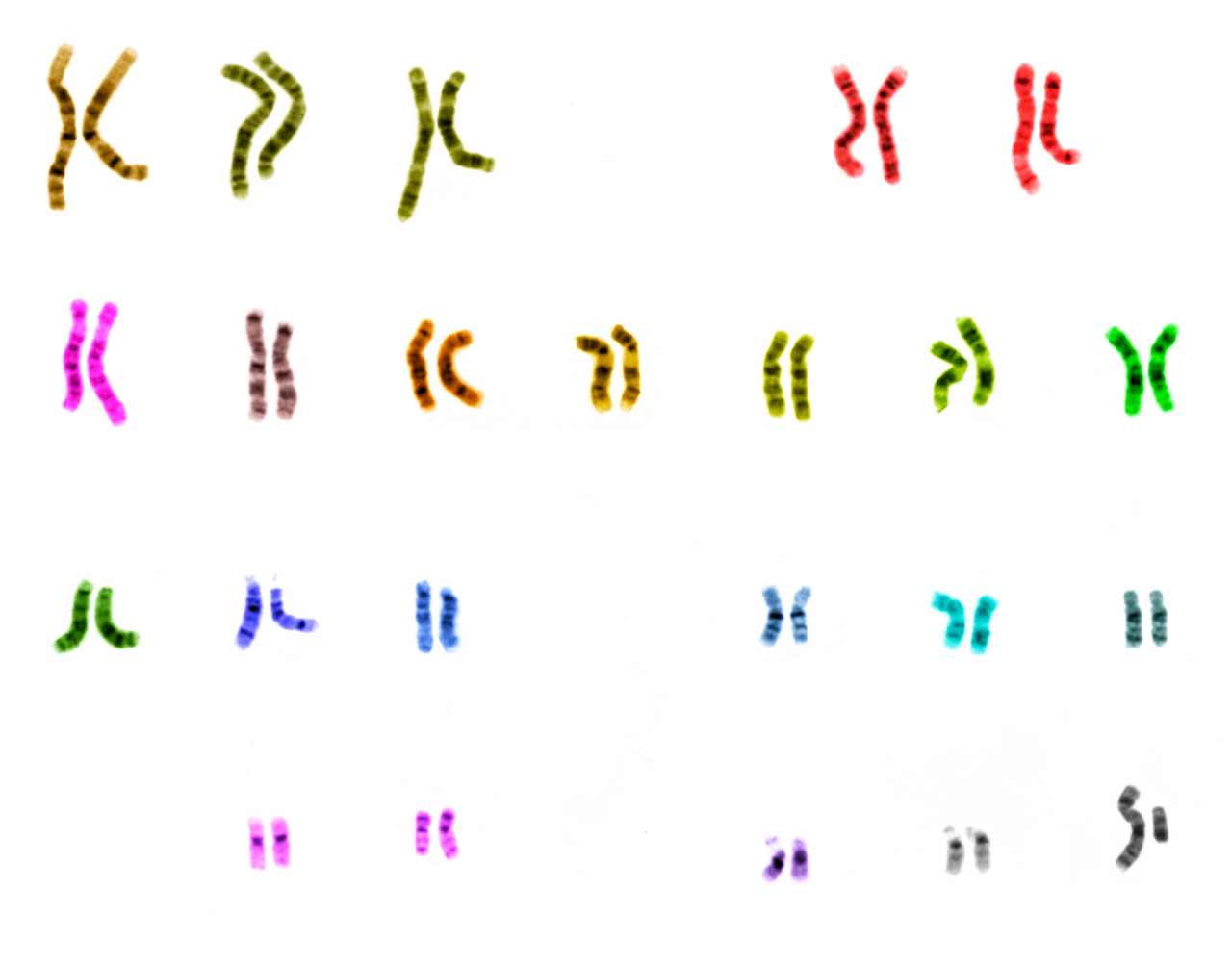
Susumu Ohno coined the term in 1972, and the argument is evolutionary rather than merely a confession of ignorance. Mutation carries a cost, and a genome in which every base mattered would face an unsustainable burden of harmful mutations. Transposable elements are well understood as sequences that propagate because they can, at the host's expense, which is a sufficient explanation for their abundance without any function. And genome sizes vary wildly between closely related species, which is difficult to reconcile with most of the sequence doing something important.
In 2012 the ENCODE consortium announced that around eighty per cent of the human genome is functional, a result reported worldwide as the end of junk DNA.
The response from evolutionary biologists was unusually blunt. The objection centred on the definition: ENCODE counted a sequence as functional if it showed any biochemical activity, such as being transcribed or bound by a protein. Critics argued this conflates activity with function, since transcription is noisy and proteins bind DNA non-specifically, so the criterion would classify a great deal of noise as function. Dan Graur and colleagues published a particularly severe critique arguing that on ENCODE's definition a sequence could be called functional while being demonstrably useless, and that the appropriate test is selection: is the sequence conserved, and does disrupting it matter? By that measure roughly ten per cent of the human genome shows evidence of constraint.
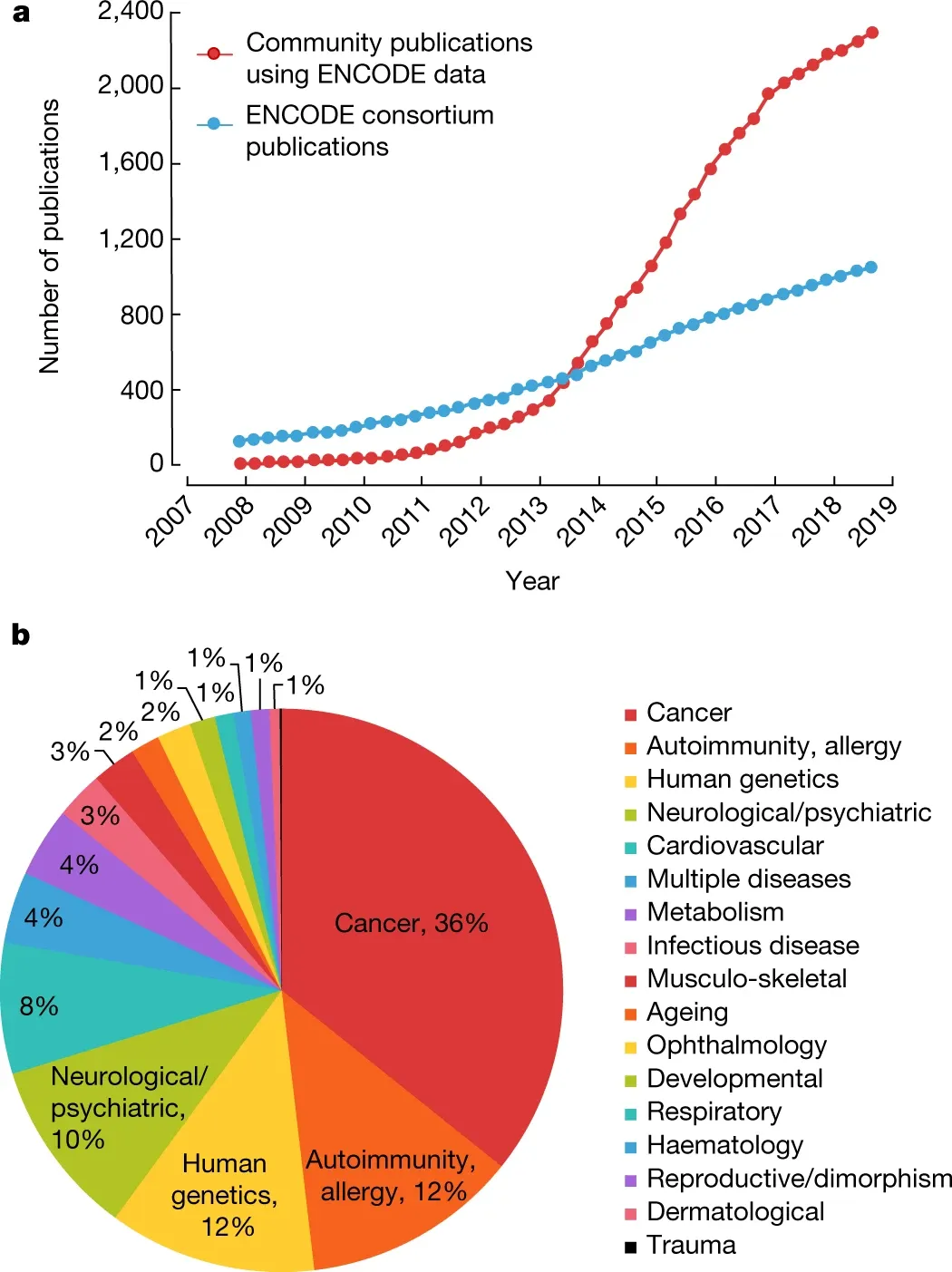
ENCODE researchers replied that the eighty per cent figure had been poorly communicated rather than wrong, that they had used a specific technical sense of function, and that the data catalogue remains valuable regardless of the framing. Later ENCODE publications used more careful language.
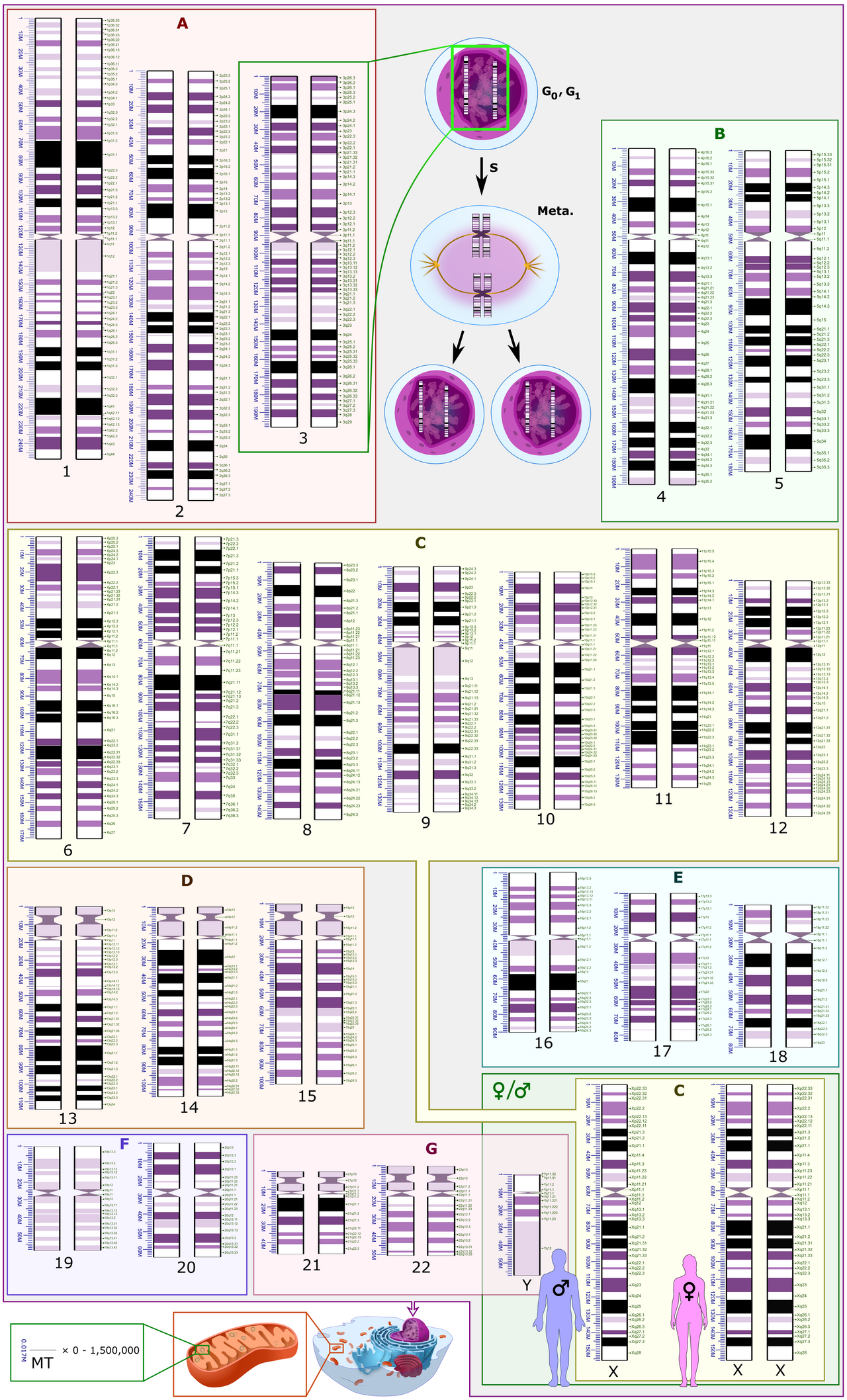
Some non-coding DNA is unambiguously functional, and this was known before ENCODE: promoters, enhancers, and other regulatory elements, the genes for transfer and ribosomal RNA, and a growing catalogue of regulatory non-coding RNAs. Nobody argues the non-coding fraction is inert. The dispute is over proportion and over what the word function should mean, and it remains open.